DbcultAccessing Vault...
6.2/10
Senior Film Conservator
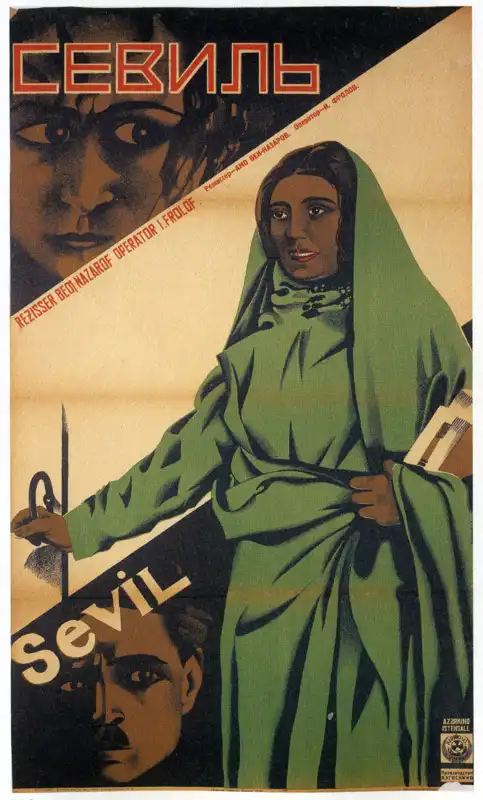
A definitive 6.2/10 rating for a film that redefined the boundaries of cult cinema. Sevil remains a cornerstone of transgressive art.
If you're looking for a flashy blockbuster with a hundred explosions, you are in the wrong place. But if you have an hour and a bit to see a woman basically tell her entire society to get lost, you should watch Sevil.
It’s for people who like to see how movies used to change the world before they just became about selling toys. People who hate black-and-white films or reading intertitles will probably find it a bit of a chore, though.
The movie starts out in a way that feels very heavy. You meet Sevil, played by Izzet Oruczade, who was actually a chemistry student in real life and not even a professional actress when they found her. 🎬
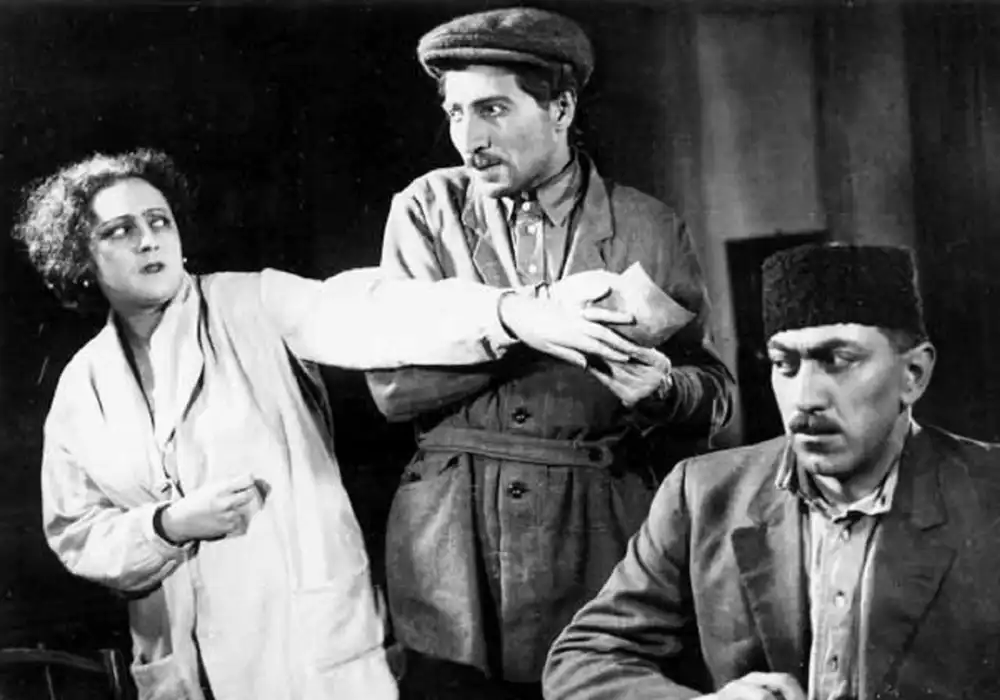
She lives in this house where her husband, Balaş, is a total snob. He’s obsessed with looking like a fancy European and he treats Sevil like she’s just part of the furniture.
There is this one scene where he comes home and he looks at her with so much disgust just because she's traditional. It’s hard to watch. It reminds me of the social climbing you see in Saving the Family Name, but way more mean-spirited.
I noticed that the lighting in their house is always so dim. It makes the whole marriage feel like a tomb even before things go wrong.
The husband brings home this other woman, Dilber, who is supposed to be the "modern" choice. She wears fancy clothes and acts like she’s better than everyone. 💅
Sevil just kind of hovers in the background for the first half, looking miserable. You can tell the actress was nervous because she grips her shawl really tight in almost every shot.
Then comes the moment everyone talks about. Sevil finally snaps.
She stands up, takes off her veil—the chador—and just drops it. It doesn't sound like much now, but for 1929 Azerbaijan, that was a huge deal. The camera stays on her face for a long time here.
The way she looks at the camera isn't even like she's acting. It feels like she’s actually challenging the person watching the movie. It’s one of those shots that lingers long enough to make you feel a bit awkward, but in a good way.
The movie gets a bit weirdly fast after that. She goes off to Moscow to study, and suddenly everything is great. 🚂
It feels a little bit like the movie is trying to check off boxes for a happy ending. One minute she’s crying on the floor, the next she’s a successful student with a new haircut.
I wish we saw more of her actually struggling to learn things. It feels like the director, Amo Bek-Nazaryan, wanted to get to the "victory" part as fast as possible.
There’s a strange bit where the husband, Balaş, is trying to fit in with the new Soviet crowd and he looks absolutely ridiculous. He’s wearing these tiny glasses and trying to look smart, but he just looks like a confused bird.
Compared to the simple, raw energy of something like The Strong Man, this movie is much more political. It’s trying to teach you a lesson, but the lead actress makes it feel like a real person’s life instead of just a lecture.
I did notice some of the sets look a bit flimsy. In the outdoor scenes, you can see people in the far background who clearly didn't know they were being filmed. They’re just standing there staring at the actors.
It adds this weirdly real feeling to it, though. Like we're peaking into a real street from a hundred years ago. 🕰️
The editing is a bit jumpy. Sometimes a character will be on one side of the room and then suddenly they’re on the other side in the next frame. It’s a bit jarring if you’re used to modern stuff.
But the emotions are what stick. When Sevil comes back at the end and sees her child, it’s not all sunshine and rainbows. There’s a lot of hurt still there.
It’s not a perfect movie. It’s definitely a product of its time and it has that very specific "early cinema" clunkiness. But I’m glad I watched it.
It makes you think about how much people had to fight just to do basic things like walk down the street with their face showing. That’s worth a few jumpy edits and some grainy film stock.
If you enjoy seeing how different cultures handled the jump into the modern world, this is a must-see. Just don't expect it to be a smooth ride. It’s bumpy, but the good kind of bumpy.
IMDb —
1927
Community
Log in to comment.