DbcultAccessing Vault...
4.9/10
Senior Film Conservator

A definitive 4.9/10 rating for a film that redefined the boundaries of cult cinema. Save the Ship remains a cornerstone of transgressive art.
The cinematic landscape of Save the Ship is a far cry from the tranquil, idyllic world often portrayed in films of its era. Instead, the audience is thrust into a maelstrom of emotions, as the characters struggle to stay afloat, both literally and figuratively. The film's use of a raft as the primary setting serves as a potent metaphor for the fragility of human existence, where the slightest misstep can have catastrophic consequences. This sense of precariousness is expertly woven throughout the narrative, as the characters' lives are constantly threatened by the capricious nature of the water and their own personal demons.
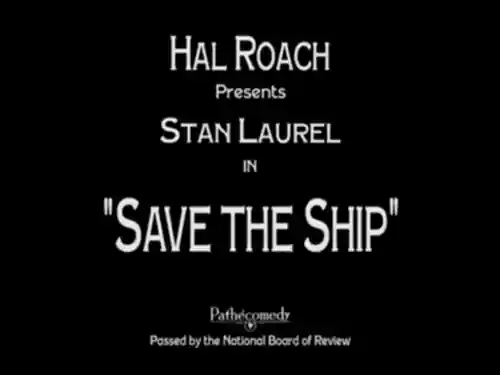
The performances in Save the Ship are a testament to the actors' ability to convey the depths of human emotion, often without the need for dialogue. Sunshine Hart and Marie Mosquini, in particular, deliver standout performances, bringing a sense of authenticity to their characters that is nothing short of remarkable. Their portrayals of the wife and mother-in-law, respectively, are multifaceted and nuanced, adding layers of complexity to the narrative that might have otherwise been lost. Stan Laurel, meanwhile, brings his signature brand of physical comedy to the film, providing a much-needed respite from the tension that permeates the story.

One of the most striking aspects of Save the Ship is its use of color, or rather, the lack thereof. The predominance of muted tones, punctuated by flashes of dark orange and yellow, serves to heighten the sense of unease that pervades the film. The sea blue hues that dominate the landscape, meanwhile, seem to whisper tales of the unknown, adding to the overall sense of foreboding that hangs over the characters like a specter. This deliberate choice of color palette is a masterstroke, as it draws the audience into the world of the film, refusing to let them look away from the chaos that unfolds.
In comparison to other films of the era, Save the Ship stands out for its unflinching portrayal of the human condition. While films like Wild Youth and El zarco may have touched on similar themes, they often did so with a sense of romanticism that is notably absent from Save the Ship. This is not to say that the film is without its moments of beauty, however. The cinematography is at times breathtaking, capturing the majesty of the water and the desperation of the characters in a way that is both poignant and powerful.
The influence of This Way Out and Trilby can be seen in the film's exploration of the complexities of human relationships, although Save the Ship delves far deeper into the psyche of its characters. The performances, too, are reminiscent of those found in L'Arlésienne and Sapho, with the actors bringing a sense of depth and nuance to their roles that is all too rare in cinema. Meanwhile, the physical comedy that punctuates the film is a nod to the likes of The Bashful Suitor and The Lyons Mail, although it is used here to far greater effect, serving to heighten the tension rather than simply provide a distraction.
As the narrative of Save the Ship careens towards its inevitable conclusion, the audience is left to ponder the true meaning of the film. Is it a commentary on the futility of human existence, or a testament to the power of love and relationships in the face of adversity? Perhaps it is something far more complex, a nuanced exploration of the human condition that defies easy categorization. Whatever the answer may be, one thing is certain: Save the Ship is a film that will linger in the minds of viewers long after the credits have rolled, a haunting and powerful exploration of the human experience that is not to be missed. The film's themes and motifs are also echoed in The Fair Barbarian, Fièvre, and Whither Thou Goest, although Save the Ship stands alone in its unflinching portrayal of the human condition. In the end, Save the Ship is a film that will appeal to fans of A Self-Made Widow, On the Banks of the Wabash, Just Dogs, and Boundary House, offering a unique perspective on the complexities of human relationships and the will to survive in a world that often seems determined to capsize us all.

IMDb —
1914
Community
Log in to comment.