DbcultAccessing Vault...
6.5/10
Senior Film Conservator
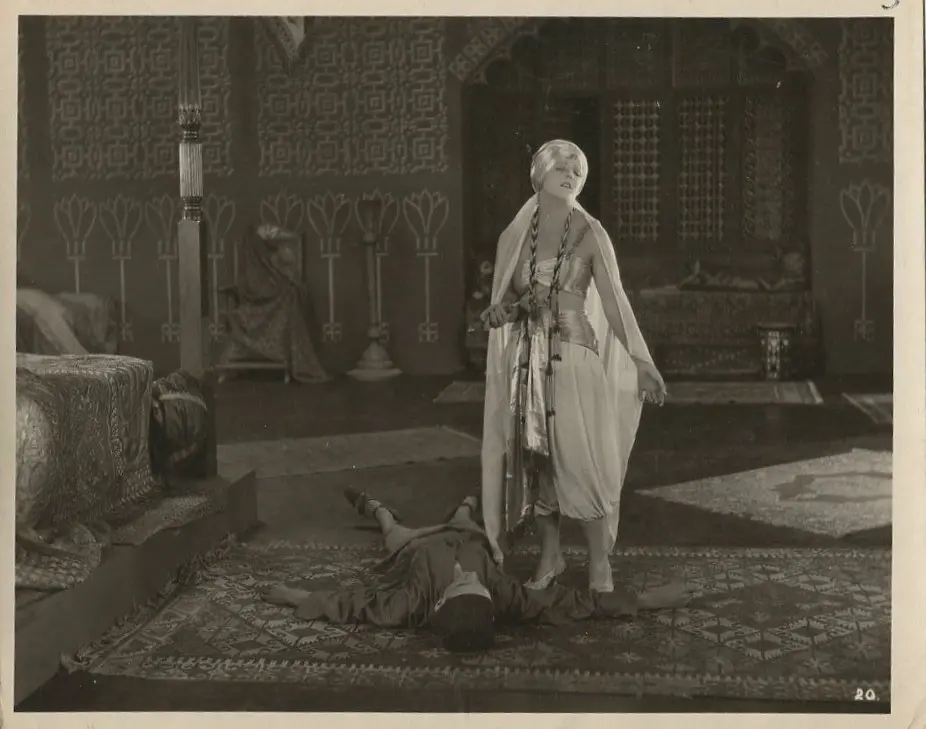
A definitive 6.5/10 rating for a film that redefined the boundaries of cult cinema. Shadow of Egypt remains a cornerstone of transgressive art.
In the realm of silent cinema, few films have managed to capture the essence of a bygone era with the same level of nuance and sophistication as 'Shadow of Egypt'. This 1924 film, directed by Sidney Morgan and written by Norma Lorimer and Sidney Morgan, presents a complex tapestry of love, art, and revolution, set against the majestic backdrop of Egypt.
The narrative revolves around a wealthy Sheik, played by Carlyle Blackwell, who becomes enamored with the wife of a talented artist, portrayed by Alma Taylor. The Sheik's infatuation with the artist's wife becomes the catalyst for a series of events that ultimately lead to his demise. The artist, driven by financial desperation, decides to sell Egypt's treasures, sparking a revolt among the local population. As the flames of rebellion intensify, the Sheik's life is brutally extinguished, leaving behind a legacy of love, loss, and the enduring power of art.
The cast, comprising John Hamilton, Joan Morgan, Charles Levey, Arthur Walcott, and Milton Rosmer, delivers performances that are, for the most part, convincing and emotionally resonant. Alma Taylor, in particular, shines as the artist's wife, bringing a sense of vulnerability and depth to her character. Carlyle Blackwell, as the lovestruck Sheik, manages to convey a sense of longing and desperation, making his character's ultimate fate all the more tragic.
One of the most striking aspects of 'Shadow of Egypt' is its use of setting. The film's depiction of Egypt is breathtaking, with the cinematography capturing the country's majestic landscapes and architectural wonders in stunning detail. The use of location shooting adds to the film's sense of authenticity, transporting the viewer to a bygone era.
Thematically, 'Shadow of Egypt' explores the complex interplay between art, love, and politics. The film raises important questions about the role of art in society, the power of love to transcend boundaries, and the devastating consequences of unchecked ambition. These themes are timeless, and the film's exploration of them is both thought-provoking and deeply engaging.
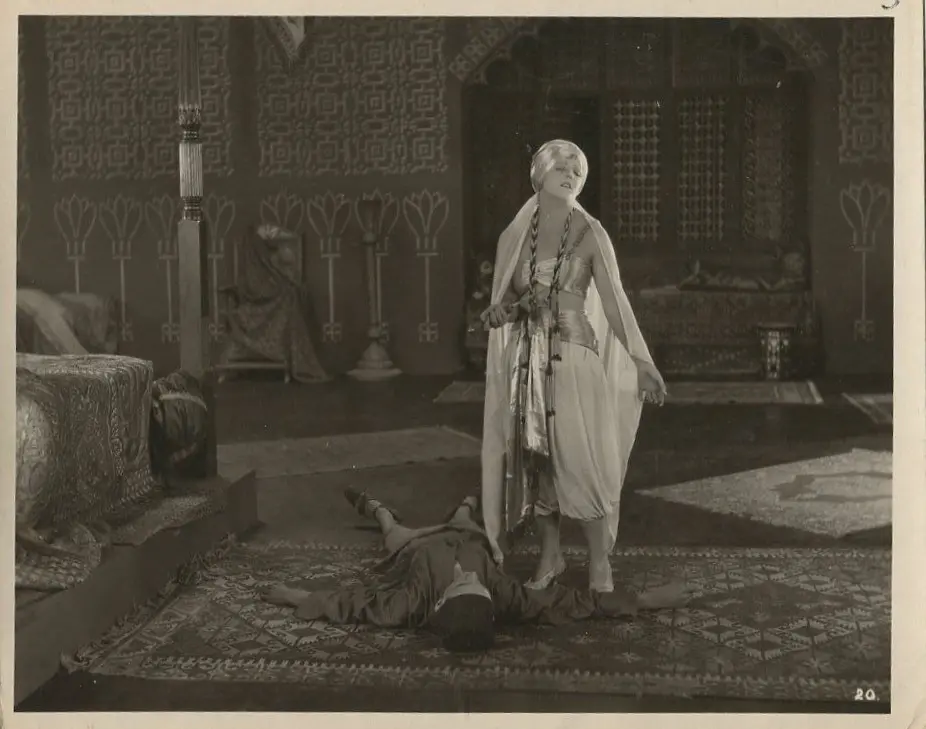
In comparison to other films of the era, 'Shadow of Egypt' stands alongside The Crow's Nest and Három hét as a masterful example of silent cinema's ability to convey complex emotions and themes through visual storytelling. The film's use of symbolism, imagery, and performance is reminiscent of Luffar-Petter, while its exploration of love and politics is echoed in The On-the-Square Girl.
The film's influence can also be seen in later works, such as Romeo and Juliet, which similarly explores the destructive nature of love and the devastating consequences of impulsive behavior. However, 'Shadow of Egypt' remains a unique and captivating cinematic experience, one that is sure to leave viewers spellbound and eager to learn more about this bygone era.
In conclusion, 'Shadow of Egypt' is a masterpiece of silent cinema, a film that continues to captivate audiences with its timeless themes, stunning visuals, and complex characters. If you're a fan of classic cinema, or simply looking to explore the early days of film, then 'Shadow of Egypt' is a must-see.
Recommendation: If you enjoy films like The Champeen, The Runaway, and The College Orphan, then you'll likely appreciate 'Shadow of Egypt'. Fans of Three Strikes and Solskinsbørnene may also find much to appreciate in this film.
Note: This review is based on the 1924 silent film 'Shadow of Egypt', directed by Sidney Morgan and written by Norma Lorimer and Sidney Morgan. The film's plot and themes have been interpreted through the lens of cinematic analysis and historical context.
IMDb —
1936
Community
Log in to comment.