DbcultAccessing Vault...
Cult Review
Senior Film Conservator
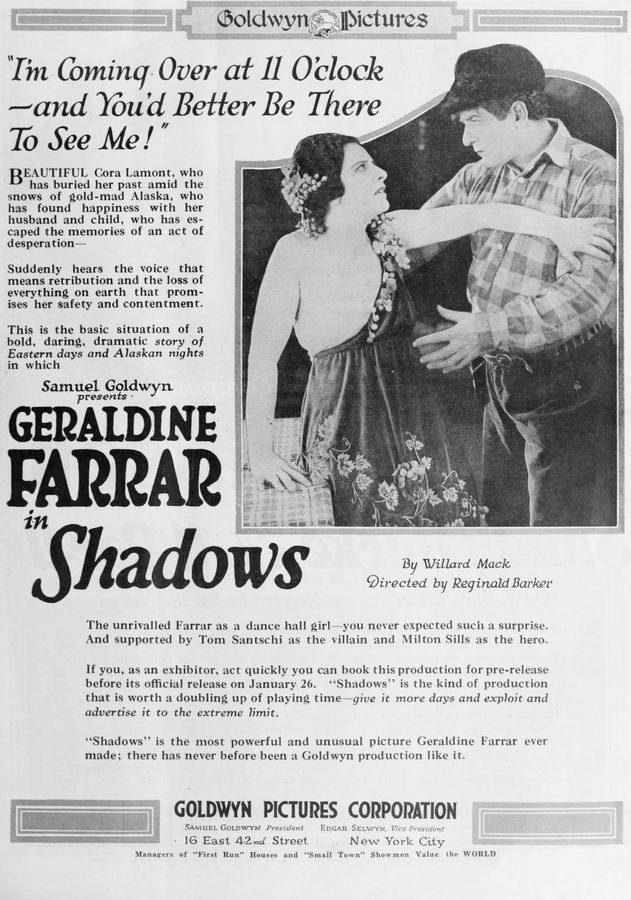
There are certain cinematic works that, regardless of their vintage, manage to pierce through the veil of time, their core narratives resonating with an astonishing contemporary relevance. Willard Mack and J.G. Hawks’s "Shadows" from 1922 is undoubtedly one such creation. This film, a poignant exploration of societal judgment, personal redemption, and the enduring human spirit, offers far more than a mere glimpse into early 20th-century filmmaking; it provides a timeless mirror reflecting our collective struggles with reputation, forgiveness, and the relentless pursuit of a second chance.
At its heart, "Shadows" is the story of a young woman, portrayed with compelling vulnerability and strength by Geraldine Farrar, whose life is irrevocably upended when the specter of an unsavory past materializes. The narrative doesn't merely present a disruption; it delves into the profound psychological and social earthquake that ensues when one's carefully constructed identity is violently dismantled. The film masterfully illustrates the crushing weight of public opinion, demonstrating how quickly a community can turn on an individual, reducing them to the sum of their perceived misdeeds rather than acknowledging their present character or potential for growth.
Farrar’s performance anchors the entire production, imbuing her character with a quiet dignity even in the face of overwhelming adversity. She conveys a spectrum of emotions – from initial shock and despair to a burgeoning resolve – largely through subtle gestures and expressive eyes, a testament to the power of silent film acting. Her character's journey is not one of passive acceptance but of active, often painful, resistance. When her unpleasant past is made known, the world she has carefully built around herself crumbles. This isn’t just a personal tragedy; it’s a public spectacle, a societal shaming that threatens to define her existence. The film keenly observes the nuances of small-town gossip and the swift, often merciless, condemnation that can follow even a hint of scandal.
The genius of Mack and Hawks’s screenplay lies in its refusal to simplify this moral dilemma. It doesn't shy away from the harsh realities of a woman ostracized, forced to navigate a labyrinth of suspicion and scorn. Yet, crucially, it also champions her inherent determination. This isn't a tale of victimhood; it's a testament to an unyielding spirit. The narrative arc, while fraught with hardship, is ultimately one of empowerment, as she consciously chooses to confront her circumstances rather than succumb to them. This active agency is what elevates "Shadows" beyond a mere melodrama, transforming it into a compelling study of human resilience.
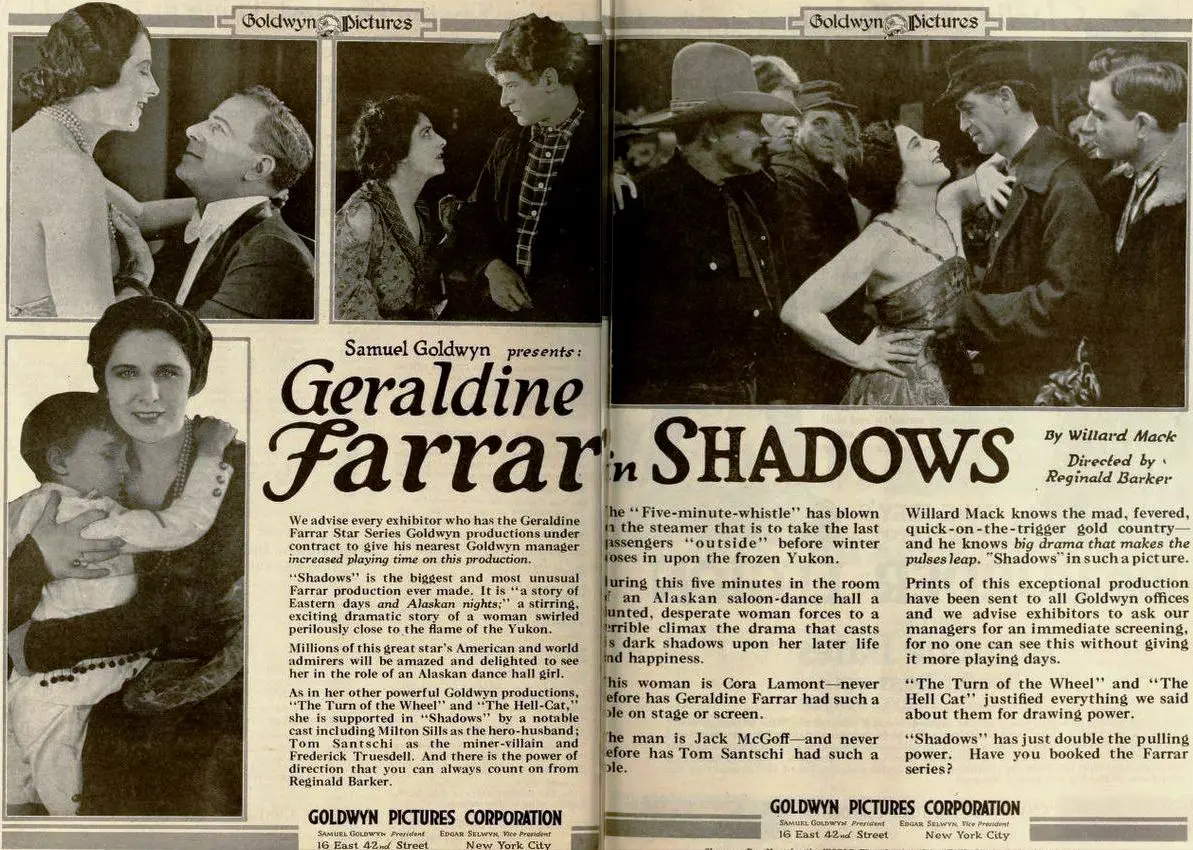
The film's exploration of societal judgment feels startlingly current. In an era before instant digital shaming, the power of community gossip and the indelible stain of a tarnished reputation were potent forces. "Shadows" vividly portrays this social crucible, where whispers become thunderous accusations and past errors are magnified into unforgivable sins. This theme, while central to "Shadows," resonates with similar explorations in other cinematic works of the period. One might draw a parallel to the rigid societal expectations and the arduous path to acceptance seen in films like Méltóságos rab asszony, where characters also contend with the suffocating grip of reputation and the struggle to transcend their circumstances. Similarly, the legal and moral quandaries presented in The Law of Men offer another lens through which to view the era's preoccupation with justice, both legal and social, and how often the two diverge.
The character of the protagonist, though nameless in many summaries, becomes a universal symbol of anyone who has ever faced an insurmountable obstacle to regaining their good name. Robert Harvey, Milton Sills, and Jean Armour, among others in the supporting cast, contribute significantly to the film’s rich tapestry of characters, each representing different facets of the community's reaction – from the benevolent few to the overtly judgmental many. Their performances, while perhaps less overtly dramatic than Farrar's, provide the essential context and conflict that fuel the protagonist's journey.
The core of "Shadows" lies in its protagonist's unwavering determination to regain her place of respect in society. This isn't a passive waiting game; it's an active, often painful, process of proving her worth through actions, not just words. The film meticulously charts her efforts, highlighting the small victories and the crushing setbacks. It's a powerful statement on the nature of character, suggesting that true respect is earned through perseverance and integrity, even when the world seems determined to deny it. This narrative thread speaks volumes about the human capacity for self-improvement and the profound desire for acceptance, a longing that transcends time and cultural boundaries.
The writers, Willard Mack and J.G. Hawks, demonstrate a keen understanding of human psychology, crafting a story that explores the intricate dance between personal culpability and societal responsibility. They avoid simplistic resolutions, instead presenting a nuanced portrayal of redemption that acknowledges the deep scars left by past mistakes while simultaneously celebrating the possibility of healing and renewal. The script is remarkably tight, propelling the narrative forward with a compelling blend of emotional depth and dramatic tension, a hallmark of effective storytelling regardless of medium or era.
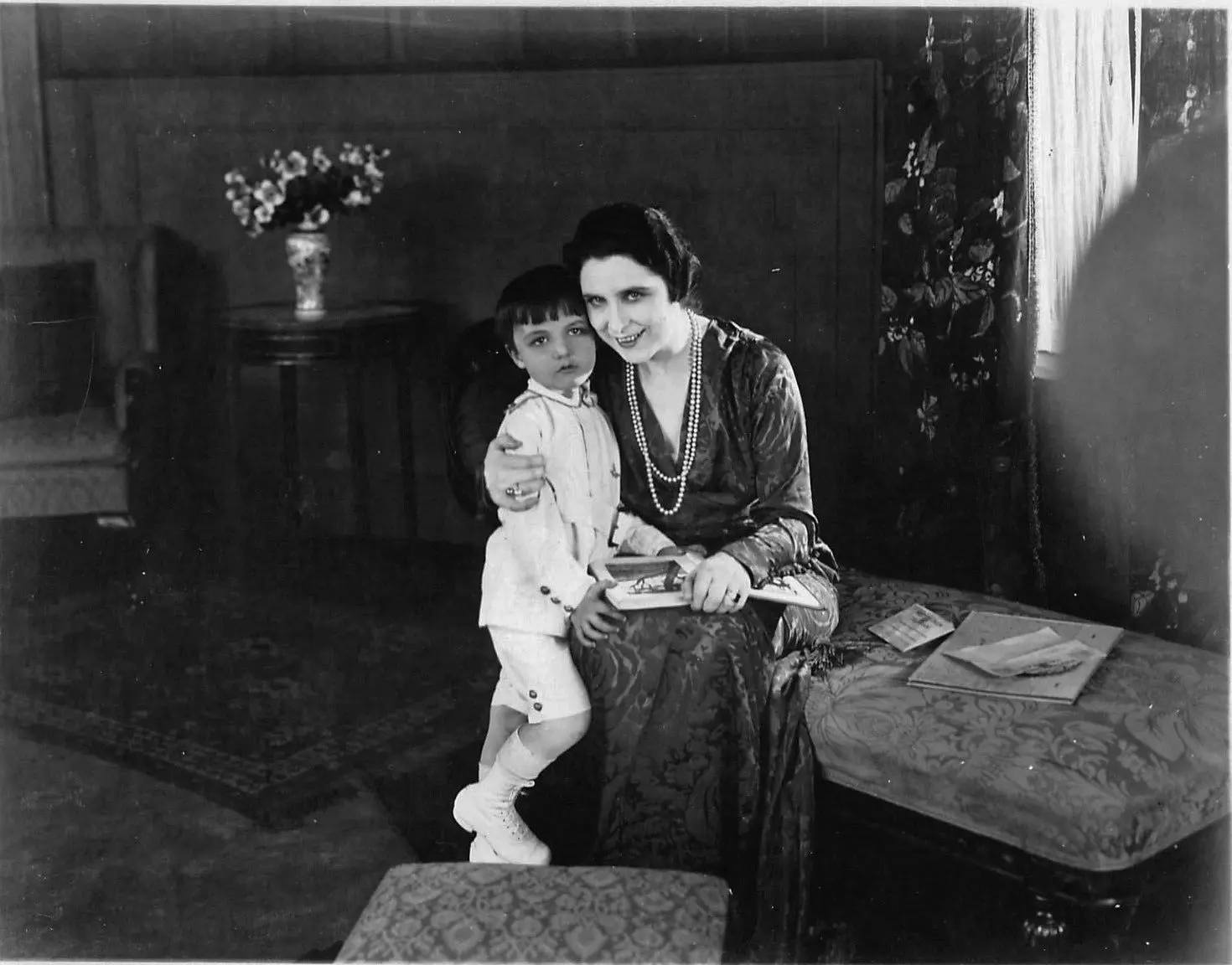
Geraldine Farrar, a celebrated opera singer who transitioned to film, brings an undeniable gravitas to her role. Her stage presence translates beautifully to the screen, allowing her to command attention even without spoken dialogue. Her expressive face and deliberate movements convey the inner turmoil and eventual resolve of a woman battling not just external forces, but her own demons. Her chemistry with Robert Harvey, who often plays a figure of moral support or love interest, adds another layer of emotional complexity to the narrative. Their interactions, though wordless, speak volumes about understanding, empathy, and the quiet strength found in genuine connection.
Milton Sills, a prominent leading man of the era, also delivers a memorable performance, often representing the more rigid or judgmental aspects of society, or perhaps a conflicted individual caught between compassion and convention. The nuanced portrayals by Jean Armour, Tom Santschi, George Smith, Frederick Truesdell, and Charles Slattery further enrich the film’s emotional landscape, painting a vivid picture of a community grappling with its own prejudices and moral standards. Each actor, through their physicality and facial expressions, contributes to the overall atmospheric tension and emotional resonance of the story.
Despite the technical limitations of early cinema, "Shadows" exhibits a remarkable sophistication in its visual storytelling. The cinematography, while perhaps not groundbreaking by today's standards, effectively uses lighting and composition to enhance the film's thematic elements. Shadows, both literal and metaphorical, play a crucial role, symbolizing the protagonist's past and the dark cloud of judgment hanging over her. The direction, likely a collaborative effort given the era's production practices, ensures that the emotional beats land with precision, guiding the audience through the protagonist's arduous journey with compelling clarity.
The film's enduring appeal lies in its exploration of universal themes. The quest for redemption, the struggle against social ostracism, and the inherent human need for acceptance are not confined to the 1920s. These are timeless struggles that continue to shape our individual and collective experiences. In an age where past missteps can be resurrected with a single click, the narrative of "Shadows" serves as a potent reminder of the power of forgiveness, the importance of second chances, and the inherent dignity of every individual, regardless of their history.
While "Shadows" tackles serious themes, it also offers moments of quiet hope and the eventual triumph of the human spirit. It doesn't preach, but rather invites viewers to reflect on their own judgments and the complexities of human morality. The film's message, delivered with a grace and emotional depth that belies its age, continues to resonate, urging us to look beyond the surface, to understand the full narrative of a person rather than just their perceived flaws. It stands as a powerful testament to the transformative power of resilience and the enduring belief in one's capacity to overcome even the most daunting of pasts.
In conclusion, "Shadows" is more than just a historical artifact; it is a vibrant, deeply human drama that speaks to the very core of our shared experience. Its narrative of a woman's battle to reclaim her honor in the face of a revealed past is as compelling today as it was a century ago. It’s a compelling argument for empathy, a stirring ode to perseverance, and a powerful reminder that even the deepest shadows can be dispelled by an unyielding light within.
IMDb —
1931
Community
Log in to comment.