DbcultAccessing Vault...
Cult Review
Senior Film Conservator
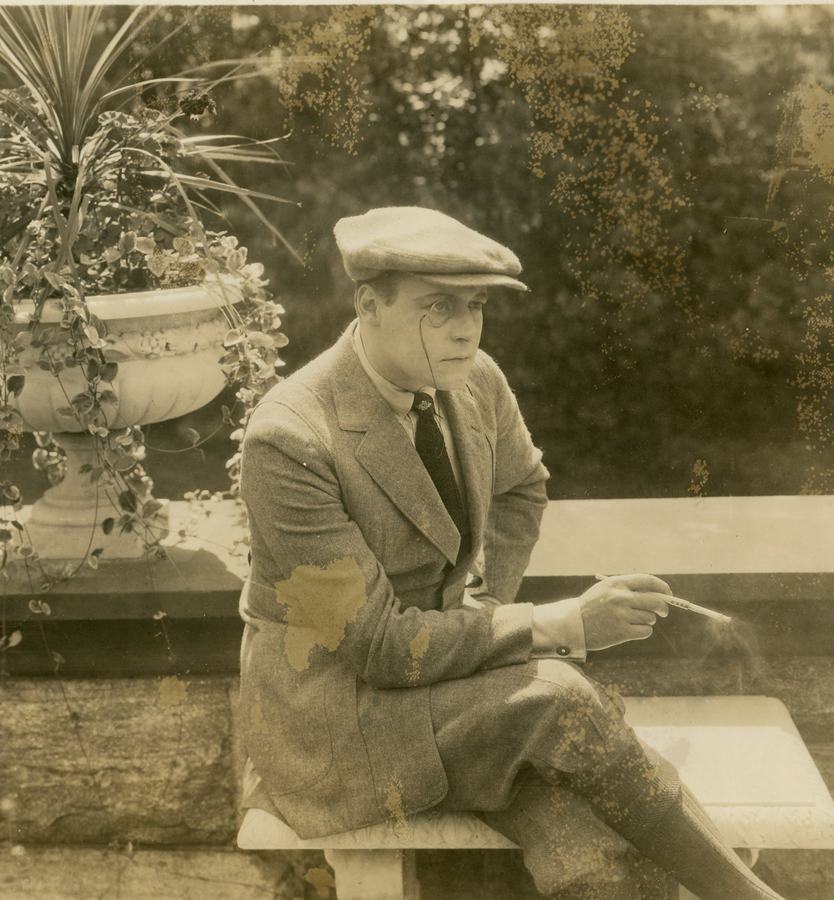
There's an undeniable allure to the silent era's thrillers, a particular magic in how they wove intricate narratives of suspense and human drama without the benefit of spoken dialogue. These films, often products of their time, captured the anxieties and triumphs of a world in flux, and few do so with the subtle potency of 'Shadows of Suspicion'. Released during the tumultuous backdrop of the Great War, this cinematic gem delves into themes of patriotism, deception, and the quiet heroism that often hides behind societal judgment. It's a fascinating study not just of a spy plot, but of the very nature of perception during a time when loyalty was everything and appearances could be fatally misleading.
At the heart of this compelling narrative is Cyril Hammersley, portrayed with enigmatic grace by Bigelow Cooper. His initial introduction is steeped in societal scorn; a sportsman by trade, he refuses to enlist in the military, citing pacifist reasons. In the jingoistic fervor of wartime, this stance is not merely unpopular, it's tantamount to treason in the eyes of many. The film masterfully sets up this initial conflict, painting Cyril as an outsider, a 'slacker' whose convictions are misunderstood and maligned. This deliberate misdirection is brilliant, immediately drawing the viewer into a position of questioning: is Cyril truly a coward, or is there more beneath the surface? It's a bold move for a film of its time to present a protagonist who defies conventional wartime heroism, forcing the audience to confront their own biases about what constitutes courage and duty. Cooper, through nuanced gestures and expressions, conveys the quiet dignity and underlying tension of a man living a dangerous double life, burdened by a secret that could cost him everything, including the love and respect of his fiancée.
Opposite Cyril stands Doris Mathers, played by Naomi Childers, a character whose strength and intelligence are pivotal to the unfolding drama. Doris is no mere damsel in distress; she is an active participant, a woman whose emotional journey mirrors the audience's own. Initially, her faith in Cyril is unwavering, a testament to their bond. Yet, the insidious whispers of Sir John Rizzio, who cunningly suggests Cyril might be a German spy, sow seeds of doubt. This internal conflict within Doris is beautifully rendered, reflecting the immense pressure placed upon individuals during wartime to question even their closest relationships. Childers conveys this struggle with remarkable depth, allowing us to empathize with her anguish and confusion. Her transformation from a woman questioning her fiancé's patriotism to a fiercely loyal and resourceful ally is one of the film's most rewarding arcs. It's her keen observation – the cigarette paper packet passing between Cyril and Captain Walter Byfield – that ignites the true suspense. When Byfield is later executed for spying, Doris's world is thrown into disarray, forcing Cyril to finally reveal his true colors. Her subsequent actions, driven by a combination of love, loyalty, and sheer courage, elevate her beyond a simple romantic interest, making her an indispensable force in the fight against espionage.
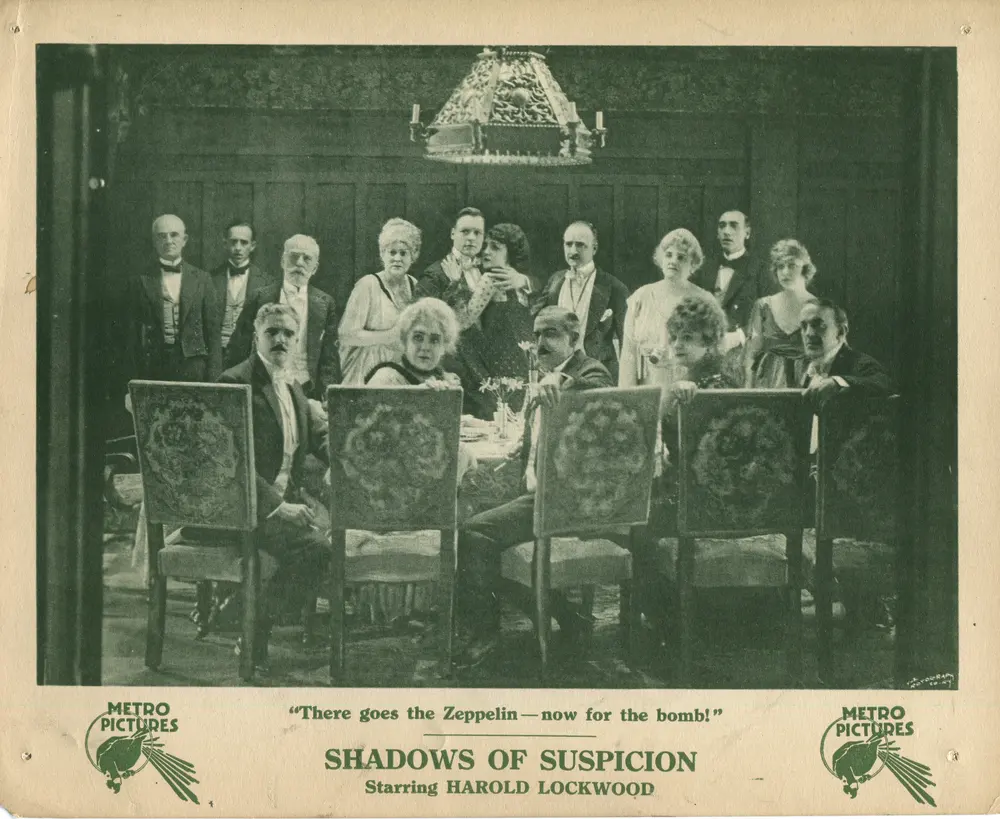
Every great spy thriller needs a memorable antagonist, and Sir John Rizzio, portrayed by William Bailey, fills this role with chilling effectiveness. Rizzio is not a bombastic villain; his menace lies in his deceptive charm and his ability to exploit the prevailing paranoia of wartime. He operates under a veneer of respectability, making his betrayal all the more shocking. His manipulation of Doris's fears, his subtle insinuations about Cyril, are masterstrokes of psychological warfare. The film cleverly positions him as a trusted figure, only to reveal his true, treacherous nature. Bailey's performance, relying on subtle shifts in expression and posture, creates a character who is both outwardly respectable and inwardly utterly ruthless. The scene where Rizzio discovers the hidden packet, a moment of almost visceral tension as it slips from Doris's stocking, is a testament to the film's ability to build suspense without a single spoken word. It's a classic cinematic trope, executed with precision, that propels the narrative towards its thrilling climax. Rizzio embodies the hidden dangers of wartime, the enemy lurking not in distant battlefields, but within one's own trusted circles, a theme that resonates powerfully even today.
The cigarette paper packet serves as the central MacGuffin of the film, a seemingly innocuous object that holds the fate of London within its delicate folds. This small, easily concealable item becomes the focal point of all the intrigue, a tangible representation of the high stakes involved. Its journey, from Byfield to Cyril, then to Doris for safekeeping, and finally into Rizzio's treacherous hands, is a narrative thread that binds the entire plot together. The film's suspense is expertly crafted around this item: the danger of its discovery, the urgency of its protection, and the catastrophic implications of its falling into the wrong hands. It's a classic espionage device, forcing characters into desperate acts and revealing their true allegiances. The eventual revelation that it contains encoded plans to blow up London elevates the personal drama to one of national catastrophe, underscoring the gravity of Cyril's mission and Doris's courage.
The film's climax is a masterclass in silent film suspense. Cyril, captured and imprisoned in Rizzio's country home, faces imminent danger. It is Doris, with her quick wits and unwavering resolve, who orchestrates his rescue. Her summons to Scotland Yard triggers a dramatic raid on Rizzio's estate, a sequence brimming with action and tension. The capture of the German spies, the liberation of Cyril, and the recovery of the vital packet all converge in a satisfying resolution. This sequence not only provides a thrilling payoff to the preceding build-up but also serves as Cyril's ultimate vindication. His initial 'slacker' image is shattered, replaced by the undeniable truth of his selfless service to his country. Doris's role in this triumph cannot be overstated; she is the catalyst for justice, proving that courage comes in many forms, and that intuition and quick thinking can be as potent as any weapon. The final images leave the audience with a sense of relief and admiration for the heroes who navigated a treacherous landscape of suspicion and deceit.
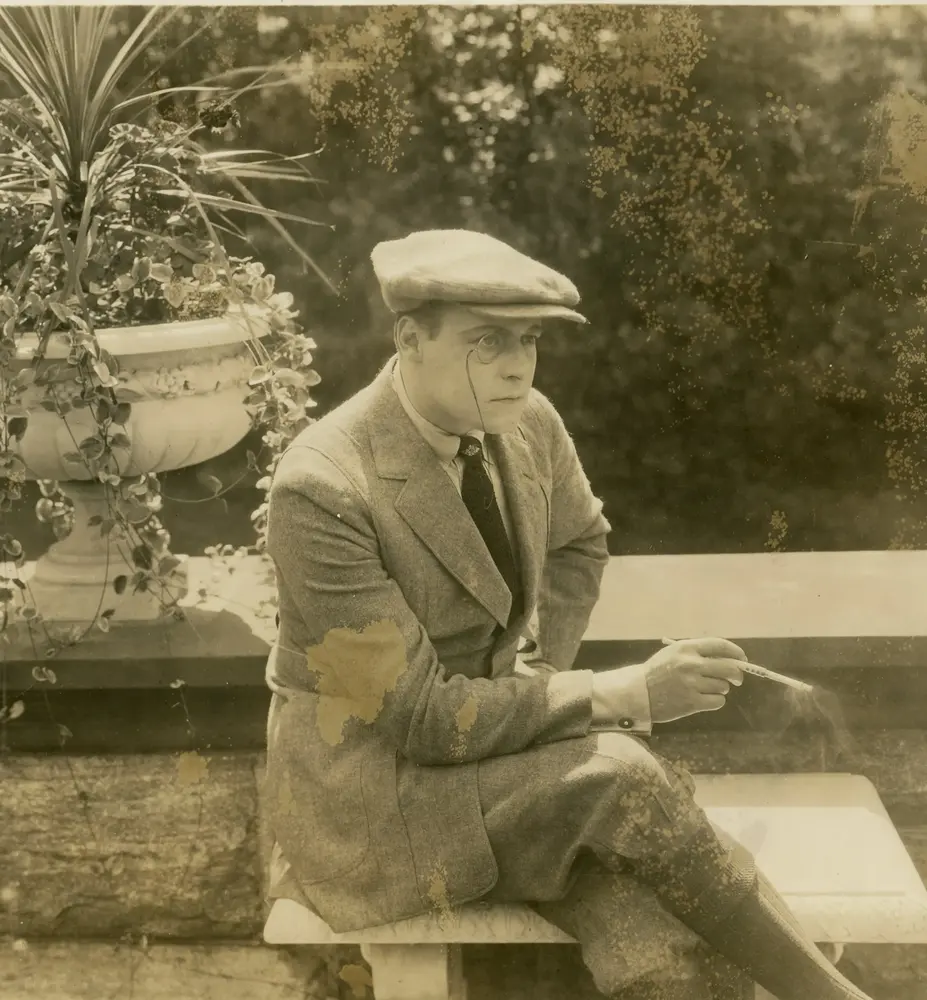
Beyond the thrilling espionage plot, 'Shadows of Suspicion' delves into profound thematic territory. The most prominent is the complex interplay between pacifism and patriotism during wartime. Cyril's initial refusal to fight, though born of principle, is viewed as a betrayal by society. The film courageously explores how public perception can be manipulated and how true patriotism can manifest in ways that defy conventional expectations. Is it more patriotic to blindly join the ranks, or to serve one's country in a more strategic, clandestine manner, enduring public scorn for the greater good? This nuanced exploration elevates the film beyond a simple spy story, offering a commentary on the moral ambiguities of war. Furthermore, the theme of trust and betrayal is central. Doris's struggle to reconcile her love for Cyril with the accusations against him, and Rizzio's calculated deception, highlight the fragility of human relationships when suspicion takes root. The film reminds us that in times of crisis, the lines between friend and foe, truth and falsehood, can become dangerously blurred.
The narrative also touches upon the nascent understanding of psychological warfare and propaganda. Rizzio's methods are not brute force, but subtle manipulation of public opinion and personal trust. This reflects a growing awareness during WWI of the power of information and misinformation. The film, in its own way, acts as a cautionary tale against judging individuals solely on outward appearances or popular sentiment. It champions the quiet heroism of those who operate in the shadows, making immense sacrifices for a cause they believe in, even if their actions are initially misunderstood or condemned.
As an early entry in the spy thriller genre, 'Shadows of Suspicion' demonstrates a remarkable grasp of its conventions, many of which would become staples for decades to come. The hidden identity of the protagonist, the crucial document, the double-crossing villain, the resourceful heroine – all these elements are present and expertly deployed. It stands alongside other pioneering works in building the framework for what would become one of cinema's most enduring genres. One might draw parallels to contemporary serials like Tih Minh, a French production also dealing with German spies, in how these early films captivated audiences with intricate plots and continuous suspense. While A Maid of Belgium (1917) might have explored the direct human cost of WWI, 'Shadows of Suspicion' delves into the clandestine battles fought away from the trenches, battles of wits and nerves. The film's pacing, its reliance on visual storytelling and the dramatic tension of impending doom, set a high bar for future espionage tales. It understood that the threat of an unseen enemy, or a meticulously planned attack, could be just as terrifying as any frontline combat.
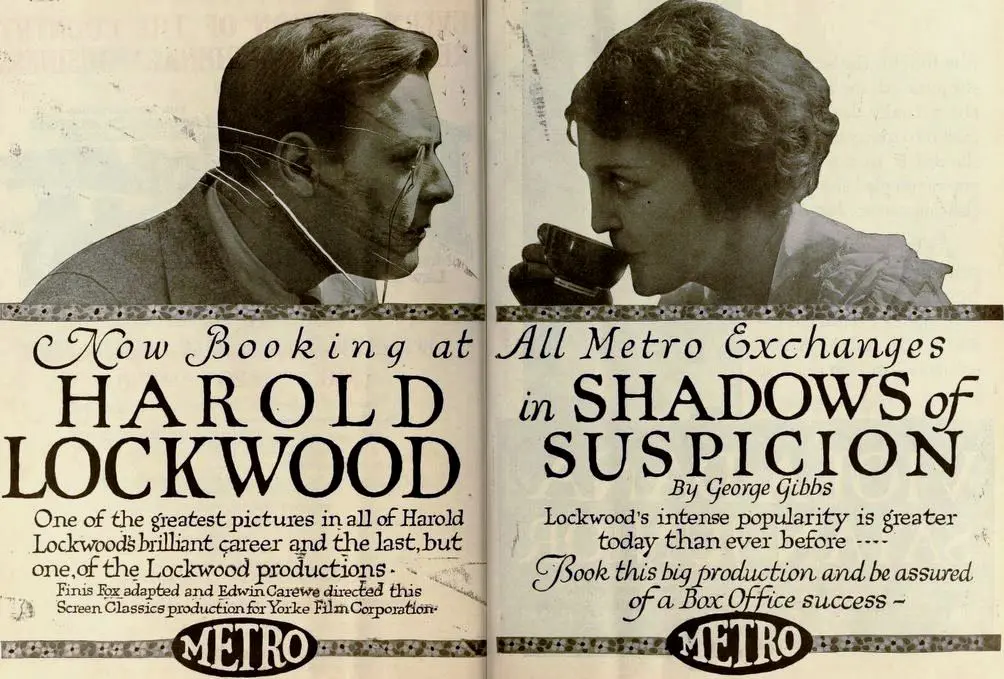
The success of a silent film hinges entirely on the ability of its actors to convey emotion and character through physicality and facial expression, and the cast of 'Shadows of Suspicion' rises to the occasion. Bigelow Cooper imbues Cyril with a quiet intensity, his stoicism hiding a turbulent inner world. His portrayal effectively communicates the immense pressure of his secret mission, making his eventual vindication all the more impactful. Naomi Childers, as Doris, is a revelation. Her performance is a masterclass in conveying intelligence, vulnerability, and fierce determination. She avoids the pitfalls of passive femininity, instead crafting a character who is both emotionally resonant and actively instrumental in the plot's resolution. William Bailey as Rizzio, alongside Helen Lindroth, Leslie T. Peacocke, Harold Lockwood, and Kenneth Kealing in supporting roles, contribute to a solid ensemble that collectively builds a believable world of wartime intrigue. The direction, guided by the story from Finis Fox and George Gibbs, is tight and purposeful. The film eschews unnecessary flourishes, focusing instead on clear, compelling storytelling. The use of intertitles is effective, providing crucial exposition without interrupting the flow of visual narrative. The cinematography, though perhaps not groundbreaking for its era, is competent and serves the story well, creating an atmosphere of tension and urgency. Each shot seems to contribute to the unfolding mystery, building suspense frame by frame.
The writers, Finis Fox and George Gibbs, deserve considerable credit for crafting such an intricate and emotionally resonant plot. Their ability to weave together themes of personal sacrifice, national duty, and thrilling espionage into a cohesive narrative speaks volumes about their storytelling prowess. The character motivations are clear, even when obscured by secrets, and the plot twists feel earned, not contrived. This strong foundation allows the actors to shine and the director to execute a vision that remains compelling over a century later. The film's reliance on intelligent plotting and character development, rather than spectacle, is a testament to the enduring power of a well-told story.
'Shadows of Suspicion' might not be as widely known as some of its silent film contemporaries, but its contribution to the nascent genre of the spy thriller is undeniable. It's a film that speaks to the enduring human fascination with secrets, heroes, and villains, especially when set against a backdrop of global conflict. It challenges simplistic notions of heroism and patriotism, advocating for a deeper understanding of individual motivations and sacrifices. For modern audiences, it offers a fascinating glimpse into the moral and social complexities of the Great War era, filtered through the lens of popular entertainment. It demonstrates how early cinema grappled with contemporary issues, using the medium to reflect and comment on the world around it. The film's ability to maintain a high level of suspense and emotional engagement without spoken dialogue is a powerful reminder of the artistry and ingenuity of silent filmmaking. It stands as a testament to the fact that compelling storytelling transcends technological limitations, relying instead on universal themes and well-crafted narratives to captivate its audience.
In conclusion, 'Shadows of Suspicion' is far more than just a historical curiosity. It is a taut, engaging thriller that expertly weaves personal drama with national stakes. Its nuanced portrayal of a pacifist hero, a resourceful heroine, and a cunning villain makes it a compelling watch, even a century after its release. The film's exploration of themes like duty, trust, and the deceptive nature of appearances remains relevant, offering valuable insights into human nature under duress. For aficionados of early cinema, silent film enthusiasts, or anyone with an appreciation for a well-told spy story, 'Shadows of Suspicion' is an absolute must-see. It's a powerful reminder of the sophisticated storytelling that existed in the silent era, proving that sometimes, the most profound narratives are those whispered in the shadows, understood through glances and gestures, and remembered long after the final fade to black.
IMDb —
1927
Community
Log in to comment.