DbcultAccessing Vault...
Cult Review
Senior Film Conservator
Watch how the film’s first reel ignites: a vitriolic sunrise over alkali flats, the camera itself seeming to sweat. Director Charles Sarver refuses to gentle the viewer; instead he rubs our noses in masculine rot. Neil’s cabin—half dugout, half confession booth—becomes a moral arena where every splintered beam screams complicity. The outlaws aren’t mustache-twirling caricatures but weather-beaten gargoyles whose very silhouettes suggest centuries of frontier misogyny. When Grace crosses the threshold she isn’t merely entering a shack; she’s stepping into America’s unspoken ledger of traded bodies and stolen ore.
Katherine Johnston’s face—caught in a hurricane of conflicting shames—deserves a place in the pantheon next to Lillian Gish’s wind-whipped stoicism. Notice the micro-tremor in her left eyelid as Neil frames the ultimatum: it’s the flicker of a soul computing the cost of survival. Silent cinema seldom allowed women to be this calculating without turning them into harpies; Johnston instead threads a needle between self-rescue and self-erasure, a tightrope walk that makes the intertitle cards feel redundant.
Cut to the New York act: Sarver swaps the desert’s fever-ochre for jade shadows and nickel glare. The city becomes a different jail—one of velvet-lined gossip. Oliver West’s jewelry shop, all plate-glass and refracted gaslight, is staged like a cathedral of fragile beauties; the jewels outshine the humans, prefiguring his oncoming blindness. Herbert Barrington plays Oliver with a spine-tingling gentleness that makes the eventual collapse doubly harrowing; his pupils cloud in real time thanks to a trick lens that cinematographer Frank Harvey reportedly kept secret from the rest of the crew until premiere night.
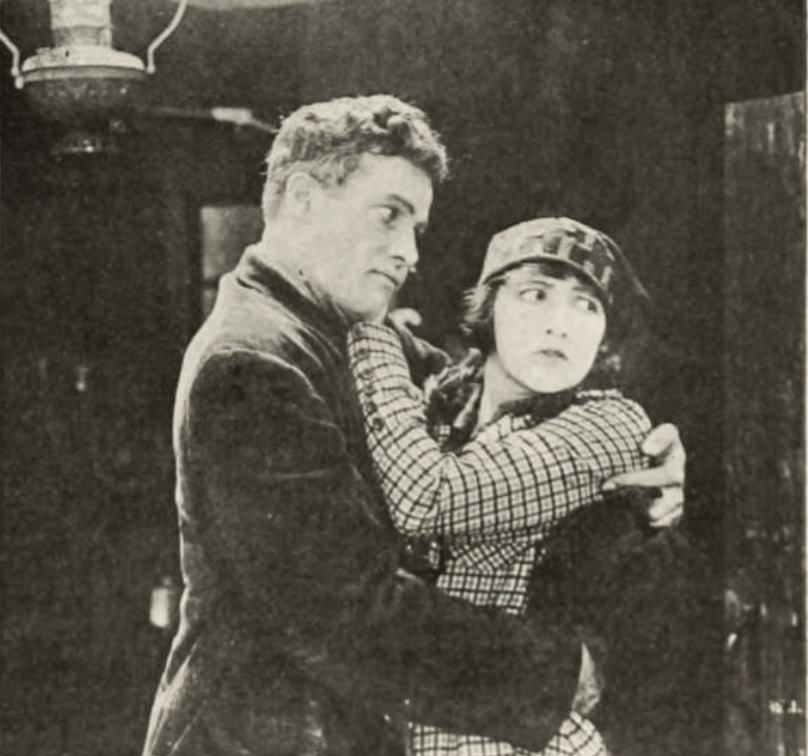
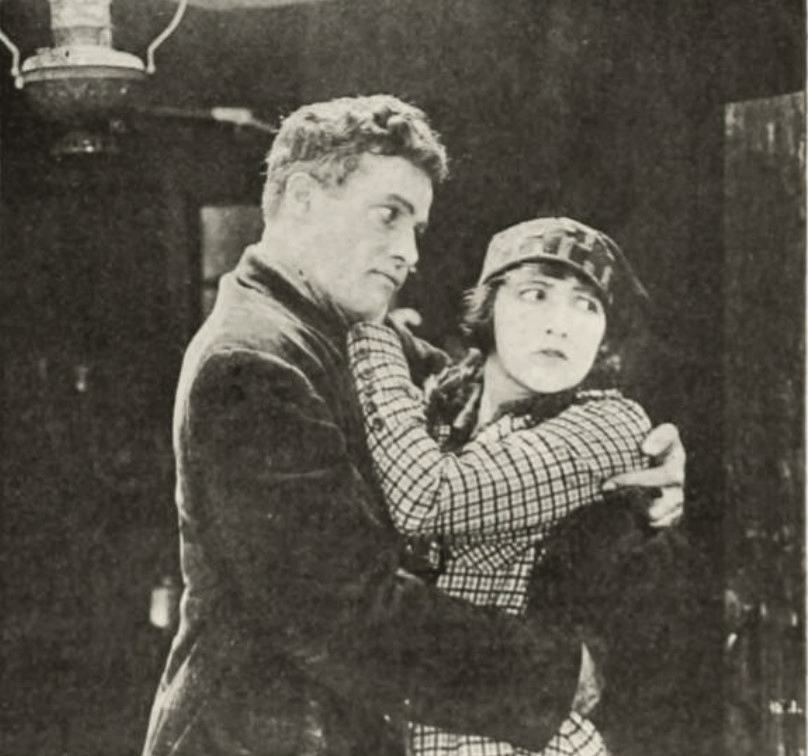
Neil’s reappearance—now in bowler hat and kid gloves—turns the picture into a proto-noir. Charles Clary savors every syllable of menace, elongating his vowels as though each sentence were a garrote. The extortion sequence inside a snow-beaded Central Park boathouse is lit only by a single swinging lantern; the shadows strobe across Grace’s cheeks like prison bars. Here Sarver anticipates German expressionism without ever abandoning American grit, proving that Caligari’s madness could be home-grown.
One bravura flourish: Grace’s short story—sold to The Metropolitan Monthly—is printed on-screen in close-up, its byline screaming her real name. The camera lingers until the ink seems to throb. For 1917, the notion that a woman might commodify her trauma for rent money was scandalous; for 2024 it feels like a prophecy of personal-essay culture. The film neither applauds nor condemns—its gaze is colder, more forensic.
Oliver’s blindness arrives with a coup de cinéma: the screen floods in ivory, then drains to pewter, as if the world itself overexposes. We hear nothing—no score, no intertitles—only the rustle of film stock. The silence is so absolute that contemporary audiences reportedly gasped, thinking the projector had failed. When vision returns (both literal and metaphorical) during Neil’s courtroom-style confession, Sarver drowns the frame in amber light—an alchemical baptism that feels earned rather than pious.
Arthur Matthews as Stapleton provides the movie’s only moral buoy; his metamorphosis from half-corpse to Wall Street colossus is sketched via wardrobe alone—first in shredded burlap, finally in a topcoat lined with astrakhan. Notice how he never overtly courts Grace; instead his eyes carry the solemn ledger of gratitude, a refreshing deviation from transactional romance. June Elvidge, in a too-brief cameo as a cigar-chomping magazine editor, steals seconds by exhaling smoke like a dragon guarding bullion.
Cinephiles will taste traces of The Awakening of Helena Ritchie in the redemptive arc, yet Shall We Forgive Her? is nastier, more solar-flare than candle-glow. Where The Hypocrites moralizes through allegory, this picture rubs our faces in transactional flesh. Fans of Seven Keys to Baldpate will likewise admire the script’s clockwork twists, though the emotional sledgehammer here leaves deeper bruises.
A 4K restoration premiered last autumn at Pordenone, sourced from a Czech nitrate print thought lost in the 1968 flood. The new tinting hews to original cue sheets discovered in a Newark warehouse: desert sequences burnt sienna, Manhattan interiors poison green, forgiveness scenes honey-gold. Witnessing it today, amid #MeToo testimonies and confessional podcasts, the film feels less like a relic than a raw nerve. Its central question—whether survival at the cost of “virtue” demands absolution—remains infuriately unresolved, which is why it lingers like smoke in the lungs.
Shall We Forgive Her? is not a curio to be shelved beside flapper comedies and battle melodramas; it is an ember that still sears conscience. Sarver and Johnston gift us a heroine who neither begs for our pardon nor swaggeringly transcends her era—she simply shoulders the unbearable and walks forward, desert dust on her hem, city soot on her cheeks. Forgive her? The film answers with a shrug and a blaze of gold light: forgiveness is irrelevant when survival itself is the braver art.
IMDb —
1918
Community
Log in to comment.