DbcultAccessing Vault...
6.2/10
Senior Film Conservator
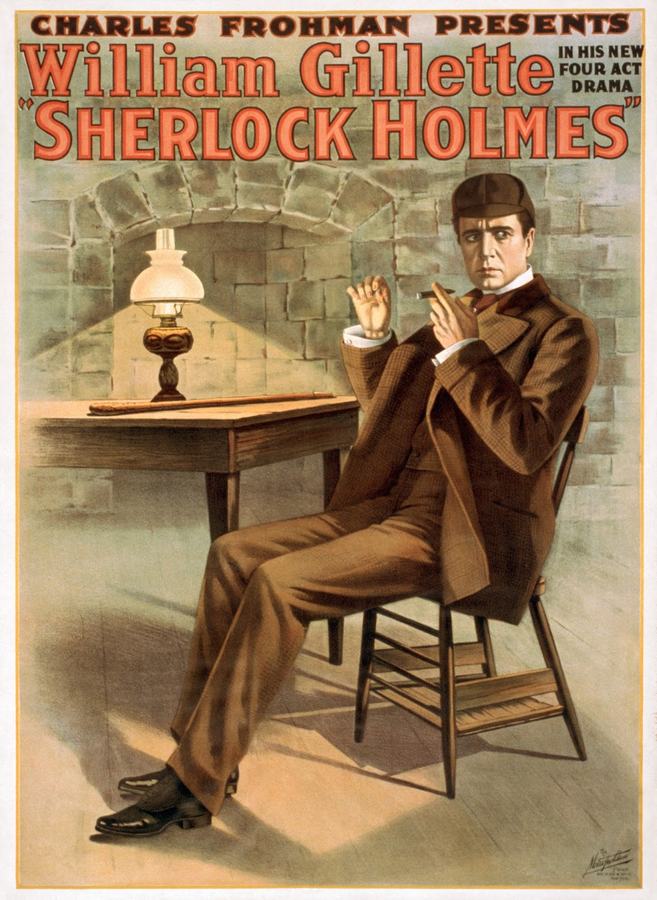
A definitive 6.2/10 rating for a film that redefined the boundaries of cult cinema. Sherlock Holmes remains a cornerstone of transgressive art.
In the annals of cinematic history, few characters command the enduring reverence and intellectual fascination of Sherlock Holmes. While countless actors have donned the deerstalker and wielded the magnifying glass, the 1916 silent film adaptation of Sherlock Holmes holds a uniquely significant place, largely due to its star, William Gillette. This isn't just another adaptation; it's a direct cinematic transcription of the stage play that, for decades, defined the very essence of the consulting detective in the public consciousness. To view this film today is to peer through a temporal lens, observing the nascent art of filmmaking grappling with the complexities of character and narrative, all while preserving a performance that, by all accounts, was nothing short of legendary.
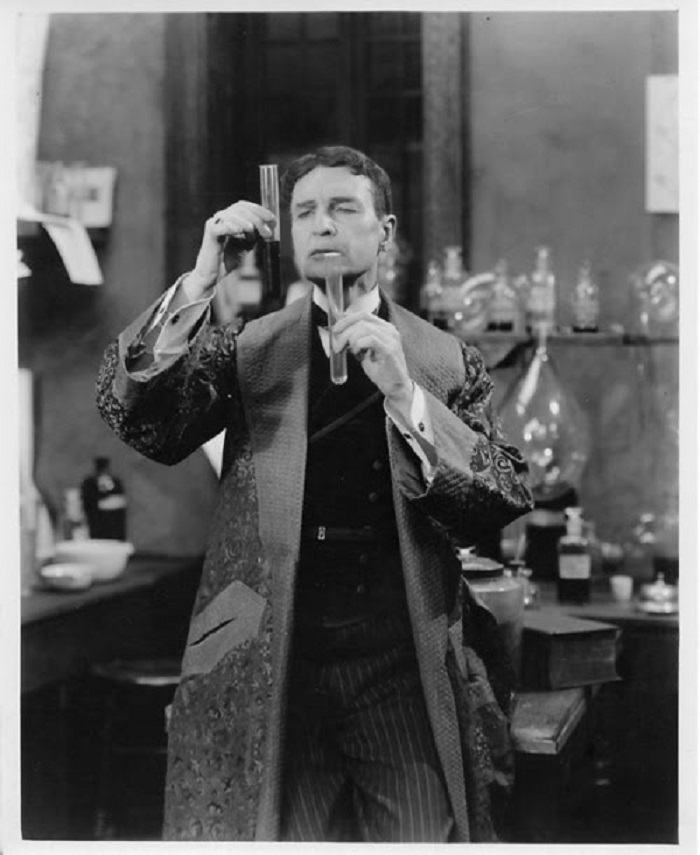
William Gillette didn't just play Sherlock Holmes; he was Sherlock Holmes for a generation. His stage play, first performed in 1899, was not merely an adaptation of Arthur Conan Doyle's stories but a creative expansion, co-written by Gillette himself, alongside H.S. Sheldon and Doyle. It synthesized elements from several of Doyle's tales, crafting a cohesive, thrilling narrative that resonated deeply with audiences. The 1916 film, directed by Arthur Berthelet (though uncredited in some records, the creative imprint of Gillette as performer and co-writer is undeniable), effectively captured this theatrical phenomenon for the silver screen. It's a testament to Gillette's singular vision that this cinematic artifact, produced during the silent era, still manages to convey the intellectual rigor and suave demeanor that became synonymous with his portrayal. His iconic profile, the sharp, analytical gaze, and the almost languid movements that belied a lightning-fast mind are all present, even without spoken dialogue. This film serves as the definitive visual record of a performance that shaped how the world saw Holmes long before Basil Rathbone or Jeremy Brett graced the screen.
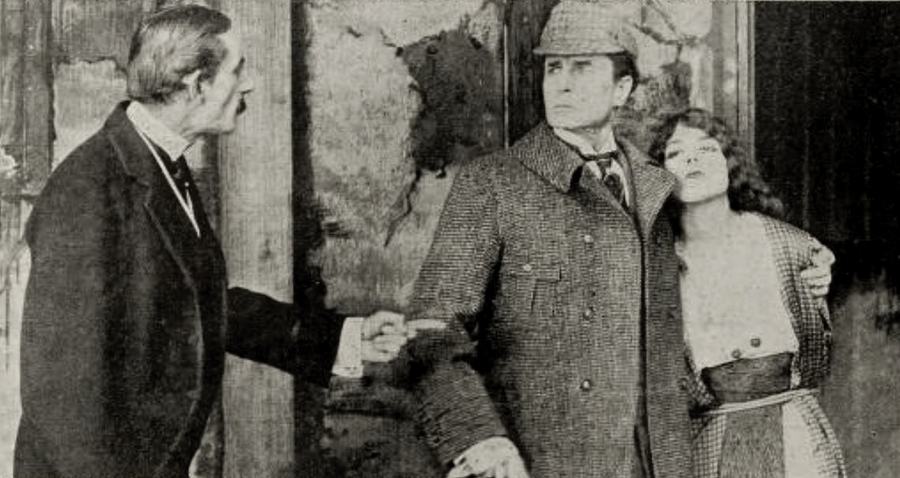
The plot, as a classic Holmesian concoction, centers on a delicate matter of national importance. Young Alice Faulkner, portrayed with a compelling vulnerability by Marjorie Kay, finds herself ensnared by a nefarious network of swindlers. These shadowy figures, driven by greed and a desire for blackmail, are determined to extract letters from her possession—letters that, if revealed, would unleash a devastating scandal upon the royal family. Holmes is drawn into this intricate web of deceit, tasked not only with recovering the incriminating correspondence but also with ensuring Alice's safety from the clutches of her captors. The narrative, though simplified for the visual medium of the time, retains its essential tension, showcasing Holmes's deductive brilliance as he navigates a treacherous landscape of hidden motives and dangerous adversaries.
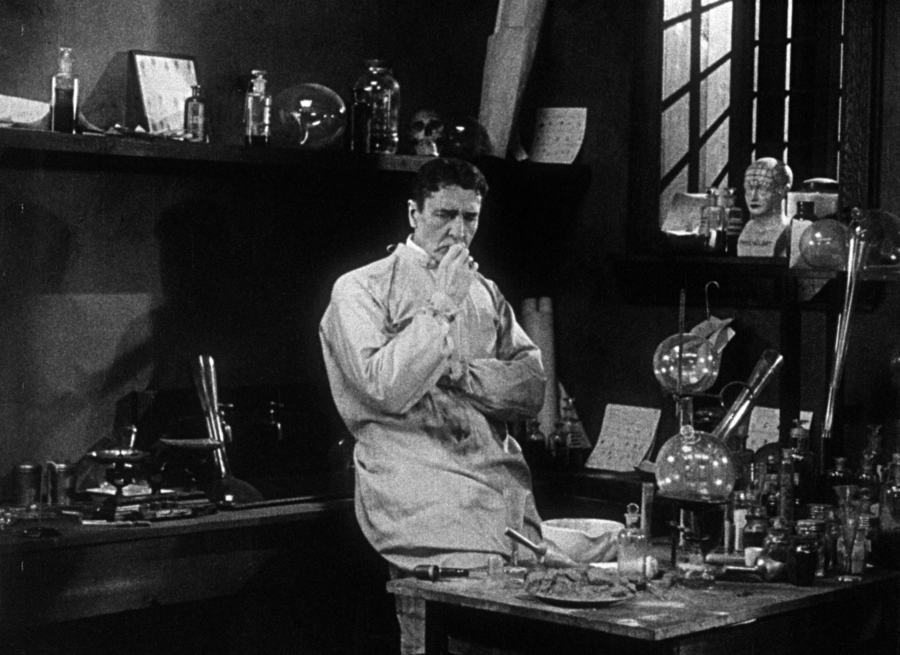
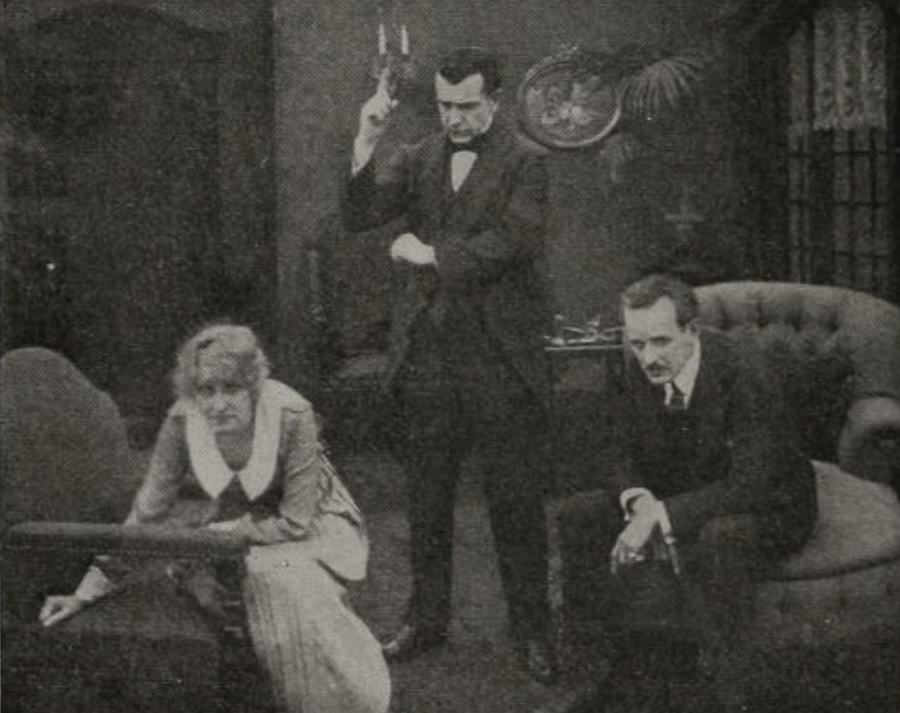
Gillette's performance is, as expected, the gravitational center of the film. He embodies Holmes with an almost preternatural calm, his eyes conveying volumes where words are absent. The supporting cast, while less remembered, provides a sturdy framework for his brilliance. Actors like Mario Majeroni, Burford Hampden, and Fred Malatesta, though their roles are often broad and theatrical by modern standards, contribute to the film's dramatic energy. Ernest Maupain, in particular, offers a memorable turn, playing a key antagonist with a suitable air of menace. Grace Reals and Leona Ball round out the female roles, each contributing to the sense of a world populated by both the vulnerable and the cunning. The pacing, characteristic of early silent films, might feel deliberate to contemporary viewers, but it allows for a meticulous unfolding of the plot, demanding attention to detail and visual cues. This isn't the rapid-fire editing of modern thrillers; it's a slow burn, building suspense through carefully staged scenes and the expressive power of the actors' faces.
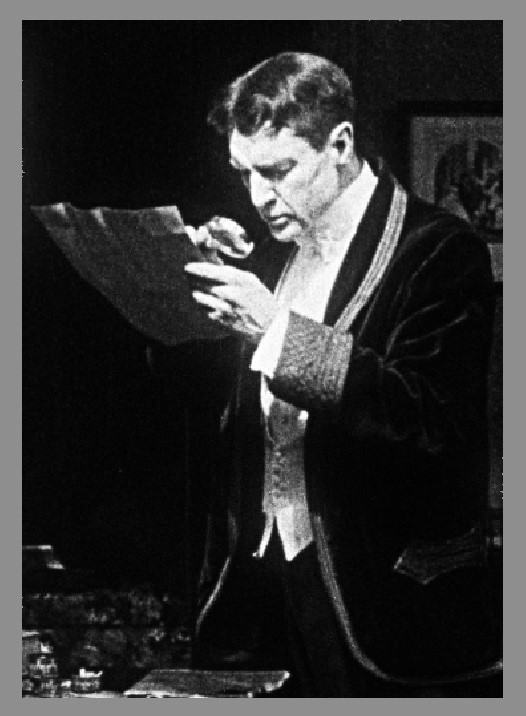
Considering its vintage, the cinematic techniques employed in Sherlock Holmes are remarkably effective. The film makes judicious use of intertitles to convey dialogue and crucial plot points, a common practice for the era, but these are integrated smoothly, never disrupting the visual flow excessively. The camera work, while static by today's standards, is purposeful, often framing Holmes in a way that emphasizes his intellectual dominance or his meticulous observation. Close-ups are used sparingly but powerfully, drawing the viewer's eye to a significant detail or a character's emotional state. Lighting, though rudimentary, effectively creates atmosphere, particularly in the darker, more conspiratorial scenes. One might compare its narrative ambition to other literary adaptations of the period, such as David Copperfield or The Beloved Vagabond, which also wrestled with translating complex prose to the silent screen, often with varying degrees of success in maintaining the original's depth. Sherlock Holmes, however, benefits immensely from Gillette's established stage presence, which translates surprisingly well to the screen, providing a ready-made icon for audiences to connect with.
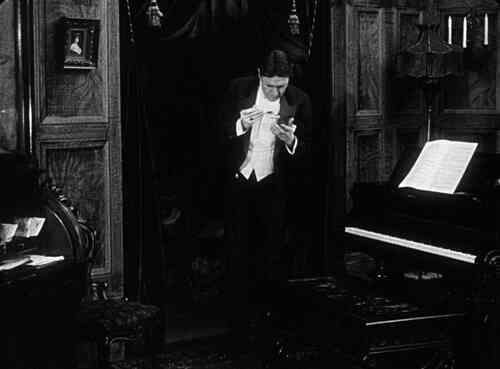
The film's visual storytelling, constrained by the technical limitations of 1916, still manages to evoke the gaslit streets of London and the shadowy interiors of clandestine meetings. While it lacks the kinetic energy of later adaptations, it compensates with a theatricality that is both charming and effective. The direction, though not overtly showy, demonstrates a clear understanding of how to stage scenes for maximum dramatic impact within the frame. The use of depth, though limited, contributes to a sense of space, particularly in scenes involving chases or confrontations. When viewed alongside other films of its time, like The Sea Wolf or The House of a Thousand Candles, one can appreciate its commitment to a coherent, character-driven narrative, rather than relying solely on spectacle or melodrama.
Beyond the immediate thrills of deduction and danger, Sherlock Holmes touches upon timeless themes that continue to resonate. The fragility of reputation, particularly concerning the powerful, is a central concern, as the royal scandal threatens to unravel established order. The film explores the inherent human capacity for deception, contrasting the cunning of the swindlers with Holmes's unwavering pursuit of truth. It's a battle of wits, where intellect and moral rectitude are pitted against base motives and manipulative schemes. The plight of Alice Faulkner highlights the vulnerability of individuals caught in the machinations of larger, more powerful forces, a theme that echoes in contemporary narratives of social injustice. Holmes, in this context, becomes not just a detective but a protector, a beacon of order in a world teetering on the brink of chaos.
The film also subtly critiques societal strictures and the hypocrisy that often underpins polite society. The very existence of the compromising letters speaks to a hidden world of indiscretion and moral compromise within the upper echelons. Holmes, an outsider by nature, is uniquely positioned to expose these hidden truths, operating beyond the conventional boundaries of law enforcement. This subversive element, though understated, is a crucial part of the character's enduring appeal. His methods, often unorthodox, serve a higher form of justice, one that isn't always bound by the letter of the law but rather by an unwavering commitment to truth and fairness. This moral compass, coupled with his unparalleled mental acumen, is what elevates Holmes beyond a mere solver of puzzles to a figure of profound cultural significance. In this regard, it shares thematic depth with other literary adaptations of the time, like Prestuplenie i nakazanie, which explored moral complexities and societal decay, albeit through a much darker lens.
The 1916 Sherlock Holmes is more than just a historical curiosity; it's a foundational text in the cinematic interpretation of one of literature's most beloved characters. Its survival, after being considered lost for decades, is a treasure for film historians and Holmes aficionados alike. It allows us to directly witness the performance that so profoundly influenced how future generations would envision the detective. Gillette's influence is palpable in nearly every subsequent portrayal, from the subtle mannerisms to the overall intellectual gravitas. The film stands as a monumental achievement, not just for its successful adaptation of a popular stage play, but for its role in solidifying the visual iconography of Sherlock Holmes.
When contextualized against other films of its period, such as The Jungle, which tackled social realism, or the adventurous Ivanhoe, Sherlock Holmes distinguishes itself through its focus on intellectual prowess and psychological tension rather than grand spectacle. It demonstrates the burgeoning power of cinema to engage audiences through intricate plots and compelling character studies, a departure from the more simplistic narratives common in early filmmaking. While films like The Crime and the Criminal explored similar themes of law and order, Gillette's Holmes brought a unique blend of theatricality and intellectual sophistication that set it apart. It proved that a well-crafted mystery, even in silent form, could captivate and challenge an audience, laying groundwork for the entire detective genre in cinema.
The film's legacy is immense, not only for the Holmesian canon but for early cinema as a whole. It showcased the potential of adapting popular literary and theatrical works, demonstrating how star power, even in the silent era, could translate directly from stage to screen. The meticulous work of William Gillette, alongside the uncredited efforts of the cast including Chester Beery, Jack Milton, Ludwig Kreiss, Edward Arnold, and William Postance, collectively contributed to a production that, even a century later, retains a compelling charm and intellectual vigor. It is a vital piece of cinematic heritage, offering invaluable insight into the character's evolution and the art of filmmaking in its formative years. For anyone interested in the history of cinema or the enduring appeal of Arthur Conan Doyle's creation, this 1916 adaptation is an indispensable viewing experience, a silent masterclass in mystery and character that continues to resonate with undeniable force.
IMDb 6.4
1935
Community
Log in to comment.