DbcultAccessing Vault...
6.9/10
Senior Film Conservator
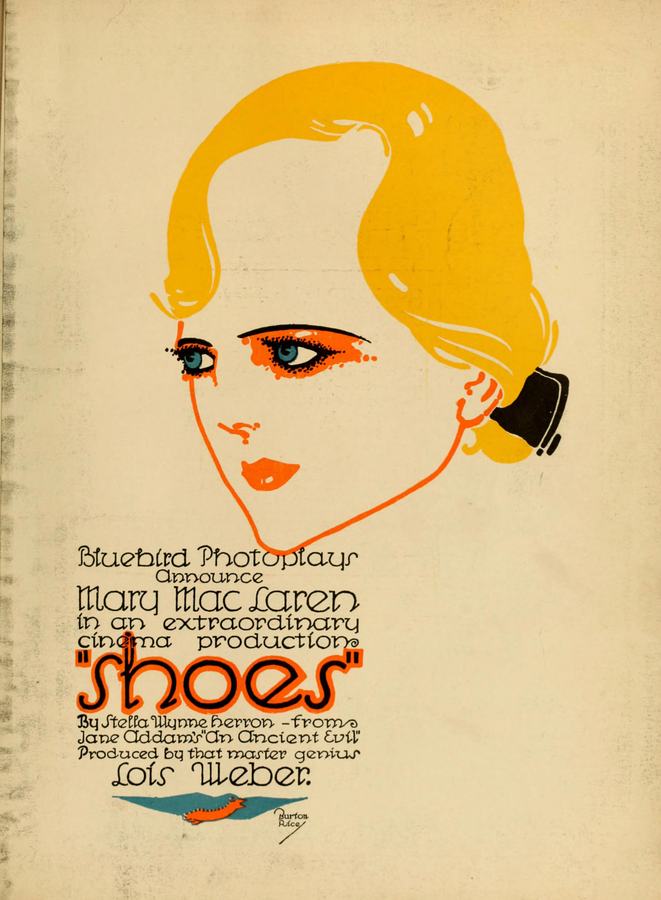
A definitive 6.9/10 rating for a film that redefined the boundaries of cult cinema. Shoes remains a cornerstone of transgressive art.
The Cinematic Verismo of Lois Weber
Lois Weber remains one of the most intellectually formidable architects of the silent era, a filmmaker whose refusal to succumb to the saccharine tropes of her contemporaries resulted in works of startling psychological depth. In Shoes (1916), Weber crafts a narrative that is less a melodrama and more a visceral sociological document. Unlike the escapist fantasies found in Filibus, Weber’s lens is fixed firmly on the grime and the grit of the urban experience. The film is a masterclass in the economy of storytelling, where every frame is saturated with the stifling air of economic desperation. The casting of Mary MacLaren, then a mere teenager, was a stroke of brilliance; her face becomes a canvas upon which the entire history of the working class's struggle is etched. It is a performance that eschews the theatricality of the period, opting instead for a haunting, internalized stillness that resonates with modern audiences more than a century later.
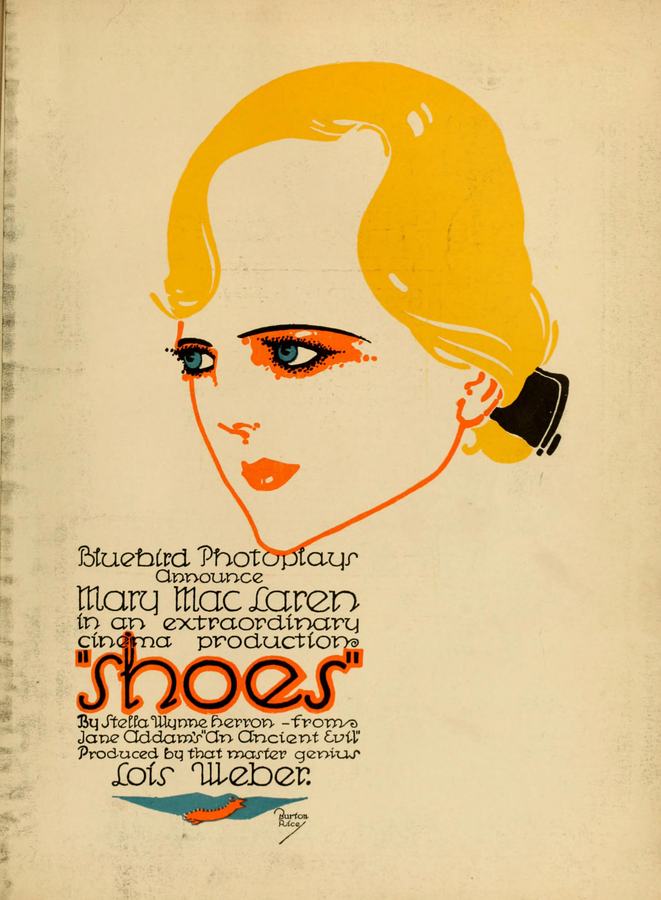
The central motif of the film—the eponymous shoes—is handled with a reverence for detail that borders on the fetishistic. We see the cardboard inserts, the soaked stockings, and the agonizing gait of a woman who is literally being worn down by the world. This focus on the physical objects of poverty aligns Shoes with the burgeoning social realism movement, echoing the sentiments found in the writings of Jane Addams, who is credited alongside Stella Wynne Herron. The film doesn't merely tell us that Eva is poor; it makes us feel the dampness of the sidewalk through her soles. This tactile approach to cinema is what separates Weber from her peers. While a film like The Reign of Terror deals in the grand movements of history, Shoes finds its tragedy in the mundane, in the three dollars that stand between a young woman and her dignity.
The domestic space is depicted as a site of parasitic consumption. William V. Mong’s portrayal of the father is a chilling study in patriarchal negligence. He sits, perpetually horizontal, engrossed in his newspapers and books, a man who has intellectually checked out of the reality of his family’s suffering. His presence is a heavy, stagnant weight that forces Eva further into the margins. This dynamic creates a claustrophobia that is almost unbearable. The camera often lingers on the father’s indolence, contrasting it with the mother’s frantic, fruitless labor. It is a dynamic that Weber explores with a surgical precision, highlighting the gendered expectations of the era that allowed men to retreat into apathy while women bore the brunt of survival.

"The film is a harrowing biopsy of the socio-economic pressures exerted upon the female body, where the cost of a pair of shoes is measured in the currency of the soul."
When examining the moral quandaries presented in Shoes, it is instructive to look at other films of the era that grappled with the consequences of choice. In The Avenging Conscience: or 'Thou Shalt Not Kill', the focus is on the metaphysical and psychological fallout of sin. Weber, however, grounds her morality in the economic. Eva’s "fall" is not a result of a flawed character, but a systemic failure. The film posits that morality is a luxury that the starving cannot afford. This theme is further echoed in The Cup of Life, yet Weber’s approach is far less judgmental. She presents the cabaret and the "charity" of the slick Charlie as the only logical outlets for a girl whose world has offered her nothing but holes in her boots and hunger in her belly.
Furthermore, the film’s exploration of vanity and necessity offers a stark contrast to The Price of Vanity. In Shoes, the desire for new footwear is stripped of any superficiality; it is a basic human requirement for mobility and health. By framing the narrative around such a fundamental need, Weber forces the audience to confront the cruelty of a system that denies even the most basic comforts to those who work the hardest. The film acts as a cinematic bridge to later social critiques like Damaged Goods, which similarly used the medium to address taboo subjects with a frankness that was revolutionary for the time.
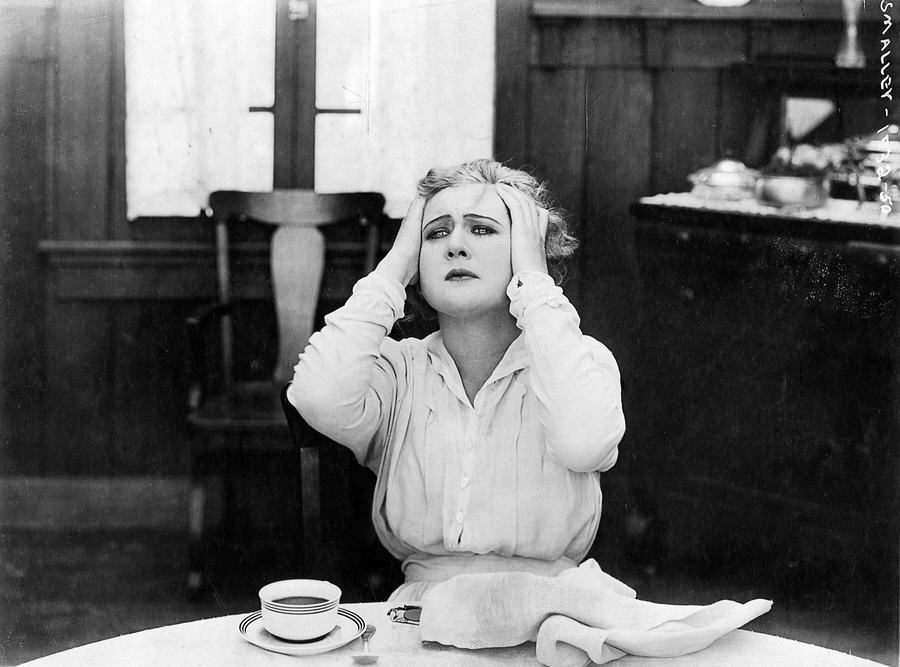
Visually, Shoes is a triumph of location shooting and atmospheric lighting. Weber utilizes the actual streets and shops of Los Angeles to lend the film an air of authenticity that studio sets could never replicate. The five-and-dime store where Eva works is a labyrinth of consumerist irony—she sells trinkets and luxuries to others while she herself lacks the essentials. The use of close-ups on Eva’s feet, often framed against the opulent displays of the shop windows, creates a visual dialectic that summarizes the class struggle without the need for intertitles. This sophisticated visual grammar is also seen in works like The Scales of Justice, but Weber applies it with a more intimate, character-driven focus.
The lighting in the Meyer household is perpetually dim, a chiaroscuro of despair that reflects the family's dwindling hope. In contrast, the cabaret scenes are flooded with a garish, artificial brightness that feels predatory rather than welcoming. This dichotomy highlights Eva’s displacement; she belongs to neither the dark misery of her home nor the shallow luminescence of the nightlife. She is a ghost in her own life, a sentiment that is perfectly captured in the film’s final, devastating moments. The lack of a traditional "happy ending" is perhaps Weber’s most radical choice. There is no rescue, no sudden inheritance as seen in The Legacy of Happiness. There is only the quiet, crushing realization of what has been lost.
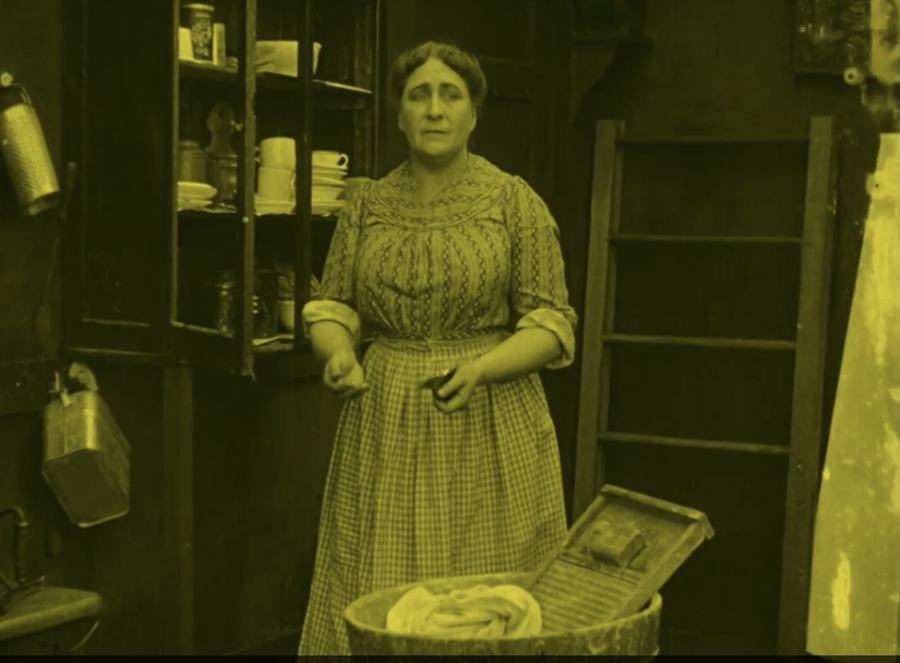
The collaboration with Jane Addams, the famed social reformer, underscores the film’s intent as a piece of advocacy. Shoes is an indictment of a society that fails its youth. The cast, including the subtle work of Mattie Witting and the young Lina Basquette, creates a lived-in ensemble that feels like a real family unit, frayed at the edges by constant stress. Even minor characters, like those played by John George or Jessie Arnold, contribute to the sense of a wider world that is indifferent to Eva’s plight. This isn't the romanticized struggle of Ruslan i Lyudmila; it is a cold, hard look at the lack of options for women in the industrial age.
One cannot discuss Shoes without acknowledging its place in the feminist cinematic canon. Weber was not just a female director; she was a director who centered the female experience with an uncompromising honesty. The film addresses the commodification of women's bodies in a way that feels incredibly contemporary. Eva’s decision to go with Charlie is presented as a calculated move—a grim survival strategy in a world that has already stripped her of everything else. It is a far cry from the lighthearted adventures of Hampels Abenteuer or the pulp thrills of The Adventures of Lieutenant Petrosino. Weber demands that we look, and in looking, we are made complicit in the system that produces such tragedies.
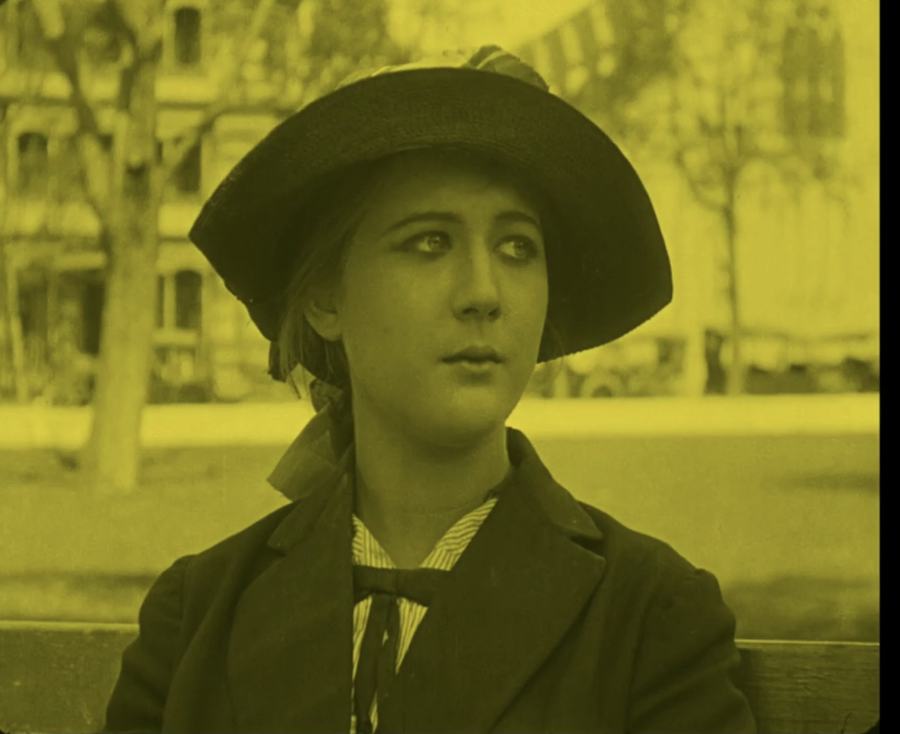
In conclusion, Shoes stands as a monumental achievement in early cinema. It is a film that refuses to offer easy answers or comfortable resolutions. Through the lens of Lois Weber, the simple act of buying a pair of shoes becomes an epic struggle for survival and a searing critique of the American Dream. The performances, particularly Mary MacLaren’s, remain some of the most moving in silent film history. For anyone interested in the roots of social realism or the history of feminist filmmaking, Shoes is not just recommended viewing; it is an essential, haunting experience that lingers in the mind long after the final frame has faded. It reminds us that cinema has always had the power to be a mirror, even when the reflection it shows us is one we would rather not see. While other films of the era like Pirate Haunts or När konstnärer älska might offer more traditional entertainment, few possess the enduring soul and the righteous anger of Weber’s masterpiece. Even compared to the rugged Australian narratives like Caloola, or The Adventures of a Jackeroo, the urban decay of Shoes feels more immediate and more devastatingly universal.
IMDb —
1922
Community
Log in to comment.