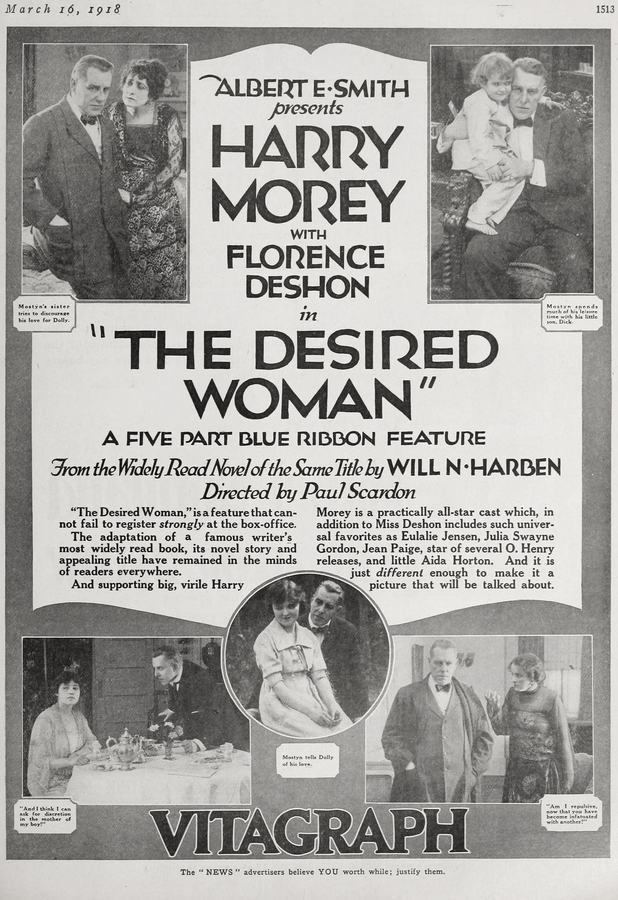
Richard Mostyn, a dishonest New York stockbroker, vacations in the Tennessee hills, where he meets Dolly Drake, a charming schoolteacher. The two fall in love, and Richard returns to New York, intending to wrap up his business affairs and then begin a new life with Dolly in the country.
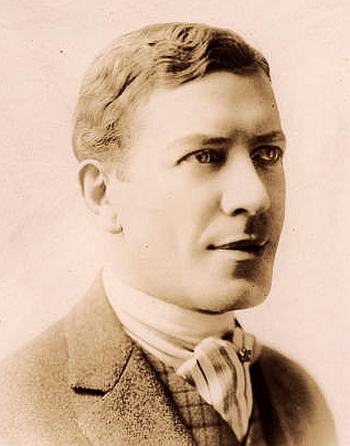
Edward J. Montagne, William Nathaniel Harben
United States
In the annals of silent cinema, specifically within the prolific output of the late 1910s, few films capture the oscillating pendulum between metropolitan cynicism and rural piety with as much gravitas as The Desired Woman. Released in 1918, a year defined by global upheaval, this Vitagraph production serves as a po...
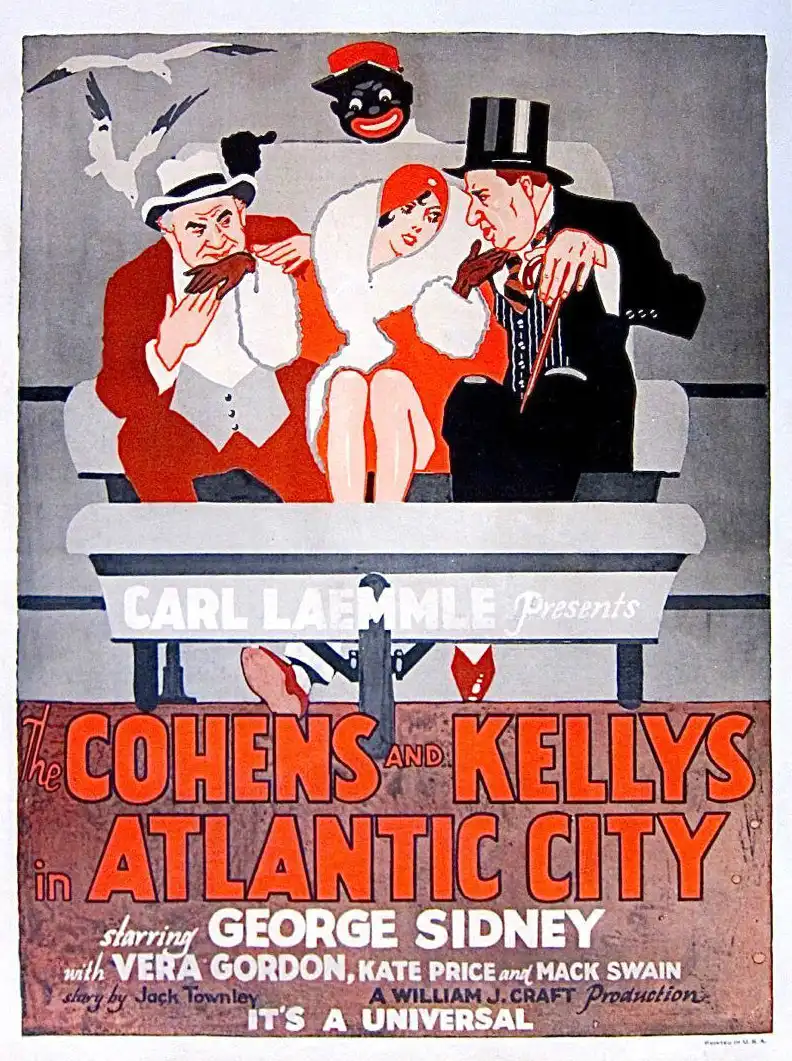
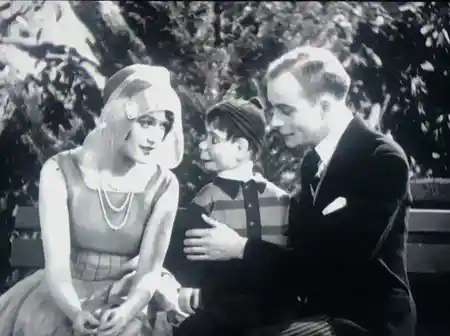
Comparing the cinematic DNA and archive impact of two defining moments in cult history.
Paul Scardon
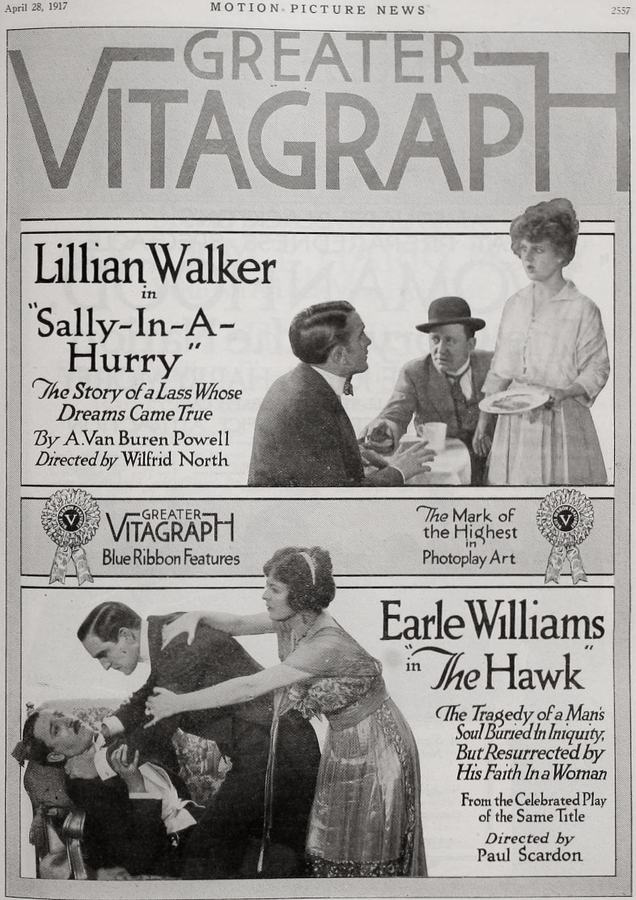
Paul Scardon
Community
Log in to comment.
" In the annals of silent cinema, specifically within the prolific output of the late 1910s, few films capture the oscillating pendulum between metropolitan cynicism and rural piety with as much gravitas as The Desired Woman. Released in 1918, a year defined by global upheaval, this Vitagraph production serves as a poignant microcosm of the American psyche’s internal conflict. It is a narrative that eschews the simplistic binaries of melodrama in favor of a more nuanced, albeit tragic, explorat..."
Deep dive into the cult classic
Discover similar cinematic experiences
A Directorial Spotlight on Paul Scardon