DbcultAccessing Vault...
5/10
Senior Film Conservator
A definitive 5/10 rating for a film that redefined the boundaries of cult cinema. Ship of Souls remains a cornerstone of transgressive art.
Is the silent-era drama Ship of Souls worth your attention in the modern age? Short answer: Yes, but only if you have an appetite for the stark, psychological grit of early 20th-century frontier storytelling. This film is a definitive pick for cinema historians and fans of 'North Country' survivalism, but it will likely frustrate those who require the fast-twitch pacing of contemporary thrillers.
This film works because it captures the genuine terror of geographic isolation, using the landscape as a mirror for the characters' internal decay. It fails because it relies on a technological deus ex machina that feels jarringly convenient, even for 1925. You should watch it if you want to witness one of the earliest cinematic explorations of how technology—specifically the radio—began to shrink the world and dismantle the 'law of the wild.'
Ship of Souls is worth watching for its atmospheric tension and its historical value as a transitional piece of silent cinema. It bridges the gap between the rugged Victorian adventure novel and the psychological character studies that would define the late 1920s. While the plot is grounded in melodrama, the execution is surprisingly bleak and rewarding for those who look past the grainy stock.
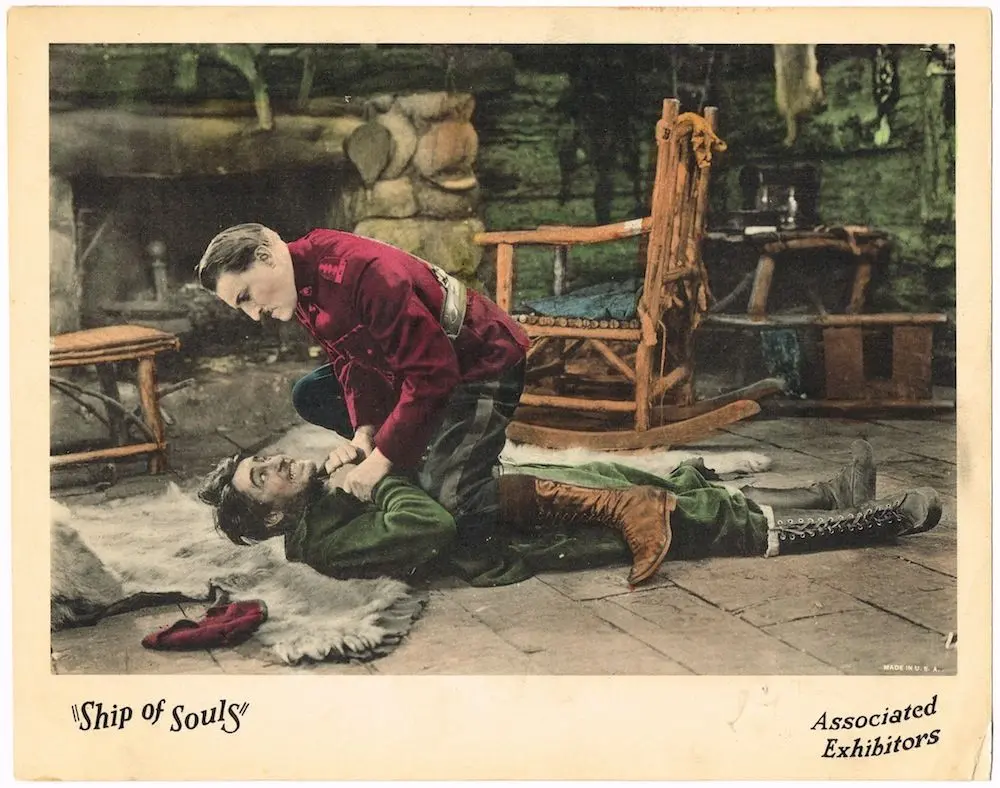
Director Frank P. Donovan doesn't treat the North Country as a postcard. In Ship of Souls, the wilderness is a predatory force. When Langley Barnes (Bert Lytell) arrives, he isn't looking for adventure; he's looking for a place where his shame can freeze to death. Lytell plays Barnes with a heavy-lidded exhaustion that feels modern. He isn't the typical square-jawed hero of the era; he's a man who has been emotionally eviscerated.
The cinematography emphasizes the scale of his loneliness. Wide shots of the barren horizon make the human figures look like ink blots on a white canvas. This visual language reminds me of The City of Silent Men, where the environment serves as a literal and metaphorical prison. In both films, the protagonist is trapped by a past that refuses to stay buried, regardless of how many miles they put between themselves and 'civilization.'
The pacing in the first half is deliberate, almost agonizingly so. We are forced to sit with Langley in his cabin, feeling the weight of the silence. It’s a bold choice. Most films of this period, like Wild Women, opted for high-octane action. Ship of Souls opts for the slow rot of the soul. It works. But it’s flawed by its own ambition to be both a character study and a romance.
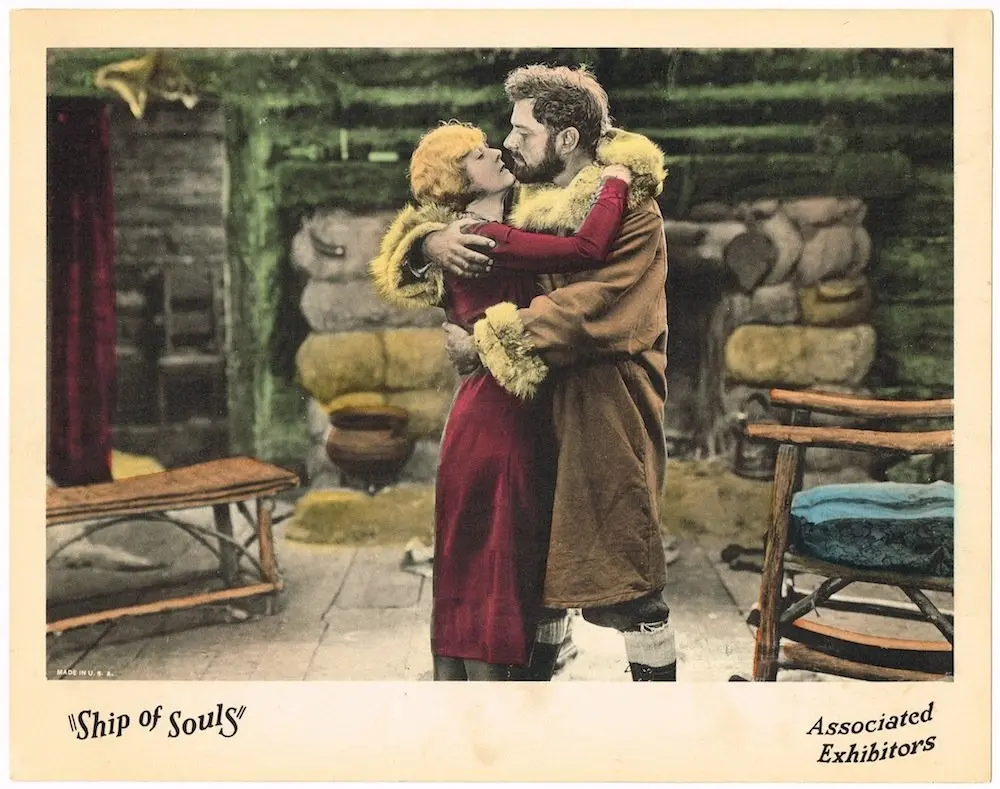
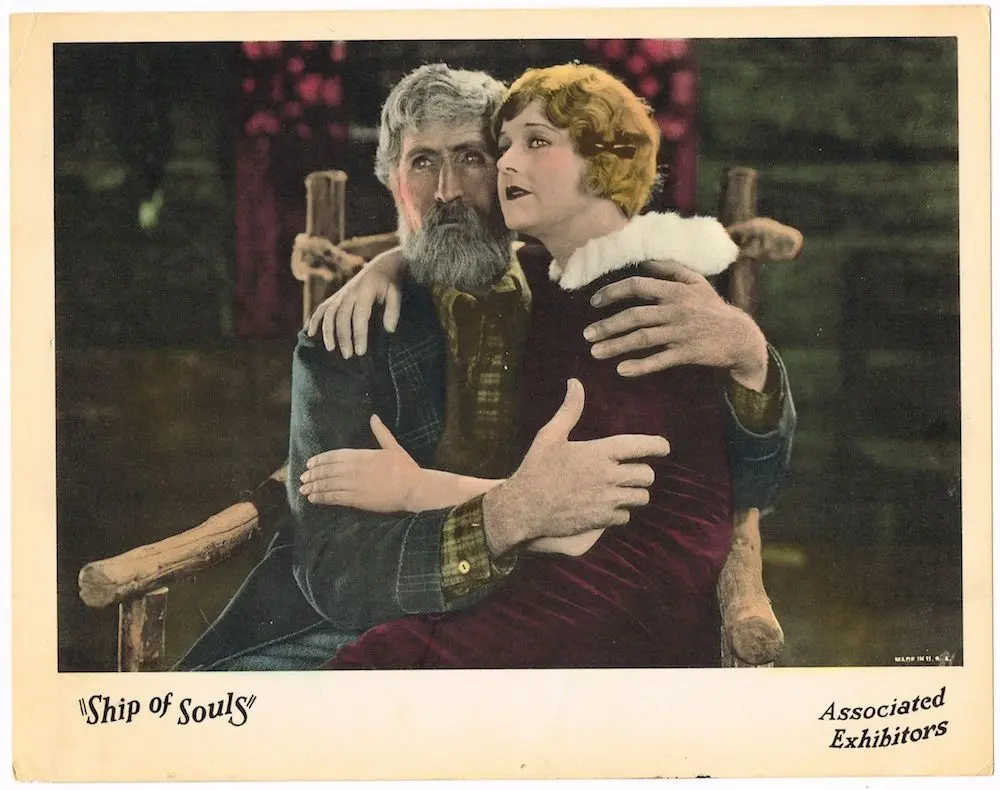
The true standout performance comes from Russell Simpson as Angus Garth. While the romance between Langley and Christine (Lillian Rich) provides the plot's engine, Garth provides its heart of darkness. Simpson portrays the 'factor' not as a cartoonish villain, but as a man who has been broken by the wind and the wolves. His madness is quiet, manifested in sudden bursts of irrationality and a protective instinct toward his daughter that borders on the pathological.
There is a specific scene where Garth stares into the middle distance while Langley speaks of his 'illegal' marriage. Simpson’s eyes convey a terrifying blankness. It’s a masterclass in silent acting that avoids the over-the-top gesticulation common in the 1920s. He makes you feel the cold. This performance elevates the film from a standard 'man-meets-girl' story into something more akin to a gothic tragedy set in the snow.
Compare this to the domestic tensions found in The House Built Upon Sand. While that film deals with the fragility of social structures, Ship of Souls suggests that without those structures, the human mind simply unravels. It’s a brutal observation that keeps the film relevant today.
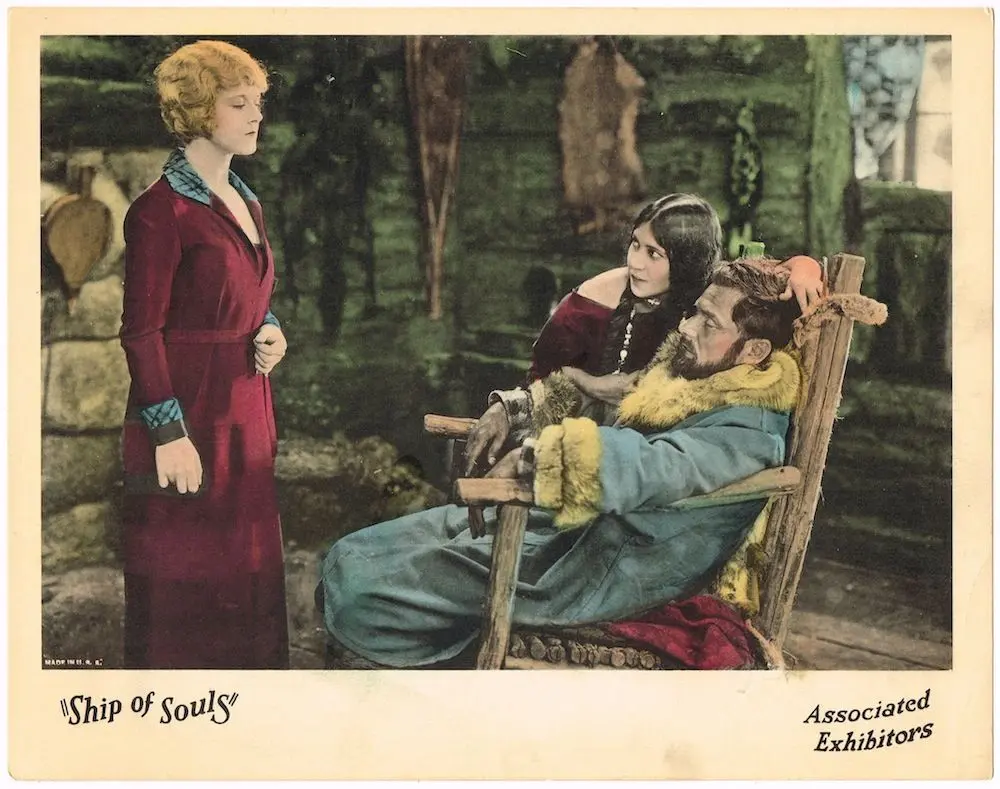
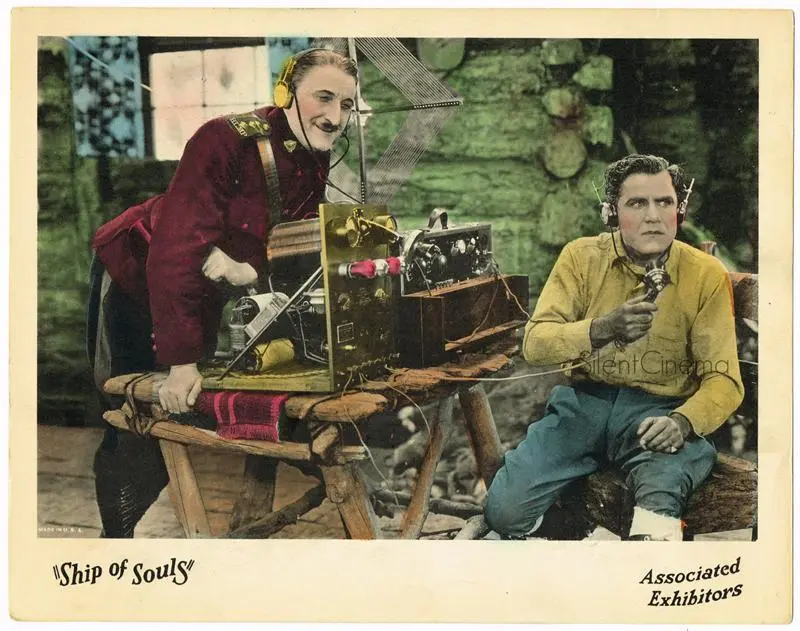
The second half of the film introduces Captain Churchill (Earl Metcalfe) and the radio transmitter. This is where the film takes a turn toward the bizarre. In 1925, radio was the 'internet' of its day—a magical, invisible force that could connect the disconnected. The film uses this technology to solve Langley’s legal and moral dilemma. The fact that Churchill goes back to the US, marries Langley's ex-wife, and then broadcasts that news back to the North is a sequence of events so improbable it would make a modern screenwriter blush.
However, from a thematic standpoint, it’s fascinating. The radio represents the intrusion of modern law into a lawless land. Langley and Christine’s 'illegal' marriage is a rebellion against a system they thought they had escaped. The radio broadcast is the system reasserting its dominance, but in a way that happens to favor the protagonists. It’s a strange, almost cynical ending. It suggests that even in the furthest corners of the earth, you are never truly free from the paperwork of the state.
This thematic preoccupation with the legality of marriage is a recurring trope in films like If Marriage Fails. But where that film stays within the confines of society, Ship of Souls drags the debate into the mud and ice. It’s a much more visceral experience.
Pros:
The location shooting is remarkably effective, creating a palpable sense of cold. The chemistry between Lytell and Rich feels earnest rather than forced. The film avoids many of the 'damsel in distress' tropes common in outdoor adventures of the time.
Cons:
The transition from the psychological first half to the action-oriented second half is clunky. Some of the supporting characters, like the radio crew, feel like caricatures. The print quality of surviving copies can make some of the night scenes difficult to parse.
When we look at Ship of Souls alongside other works of the era, such as '49-'17, we see a clear evolution in how the American frontier was depicted. It was no longer just a place of gold and glory; it was a place of psychological peril. The 'Ship' in the title isn't a literal vessel; it's the fragile state of the human mind drifting through a sea of white.

The film’s exploration of 'illegal' marriage also touches on the shifting social mores of the 1920s. Much like Breaking Home Ties, there is a deep anxiety about what happens when the traditional family unit is disrupted. Langley’s decision to marry Christine anyway is a radical act of defiance against a society that has already failed him.
"The North doesn't just take your body; it takes the parts of you that remember what it’s like to be human."
This quote (paraphrased from the title cards) encapsulates the film's philosophy. It is a cynical, cold, and ultimately fascinating piece of work. It doesn't offer easy answers, even with its 'happy' ending. We are left wondering if Langley and Christine can ever truly be 'legal' in a world that they tried so hard to leave behind.
Ship of Souls is a haunting, if technically uneven, exploration of the human condition under duress. It is a film that demands patience but rewards it with a deep, lingering sense of atmospheric dread. While the radio-based resolution is undeniably silly, the performances and the cinematography make it a journey worth taking. It is a stark reminder that we are all, in some way, drifting on a ship of souls, looking for a signal from a home we barely remember. It’s a relic. It’s flawed. But it’s essential for those who love the shadows of the silent screen.
IMDb 4.6
1927
Community
Log in to comment.