Summary
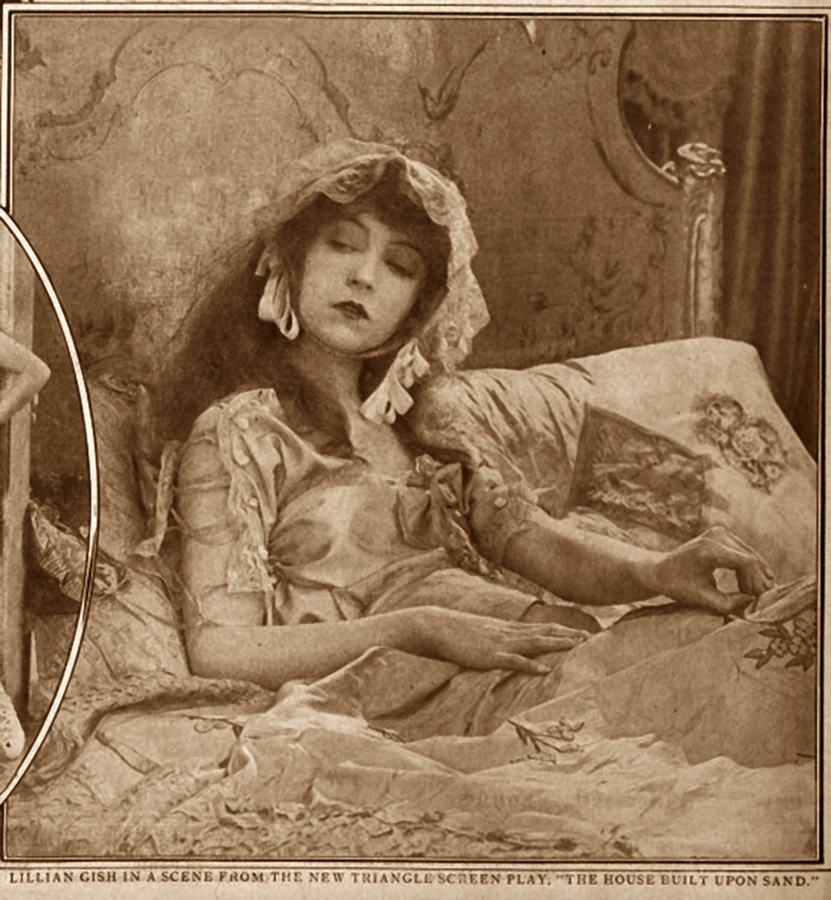
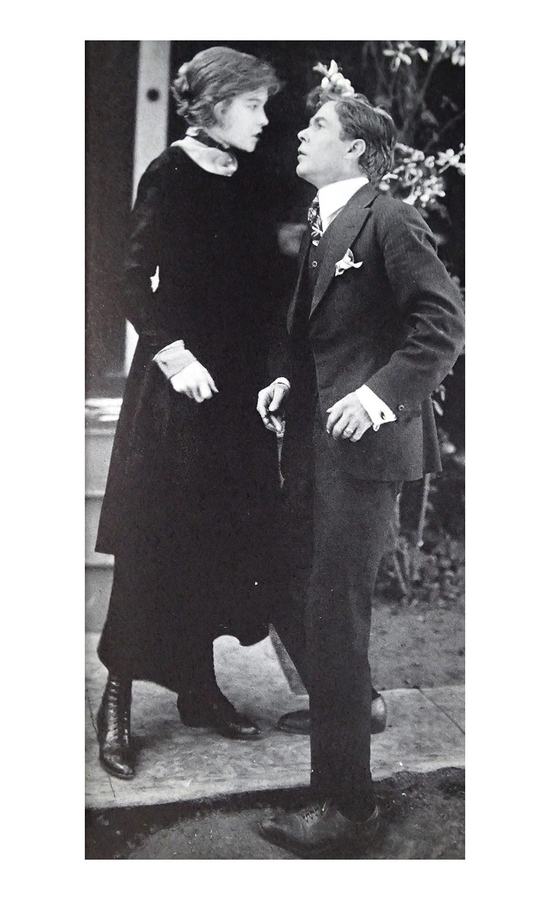
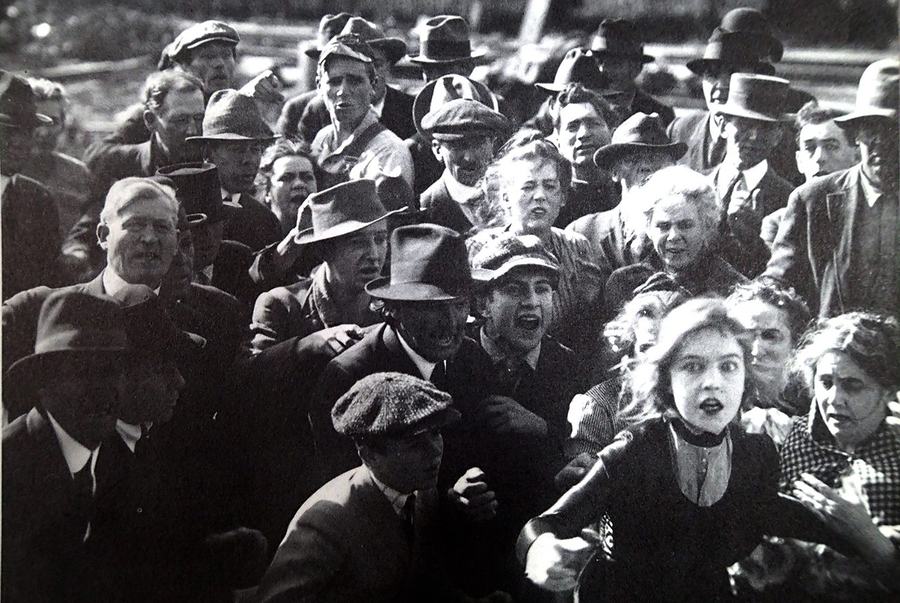
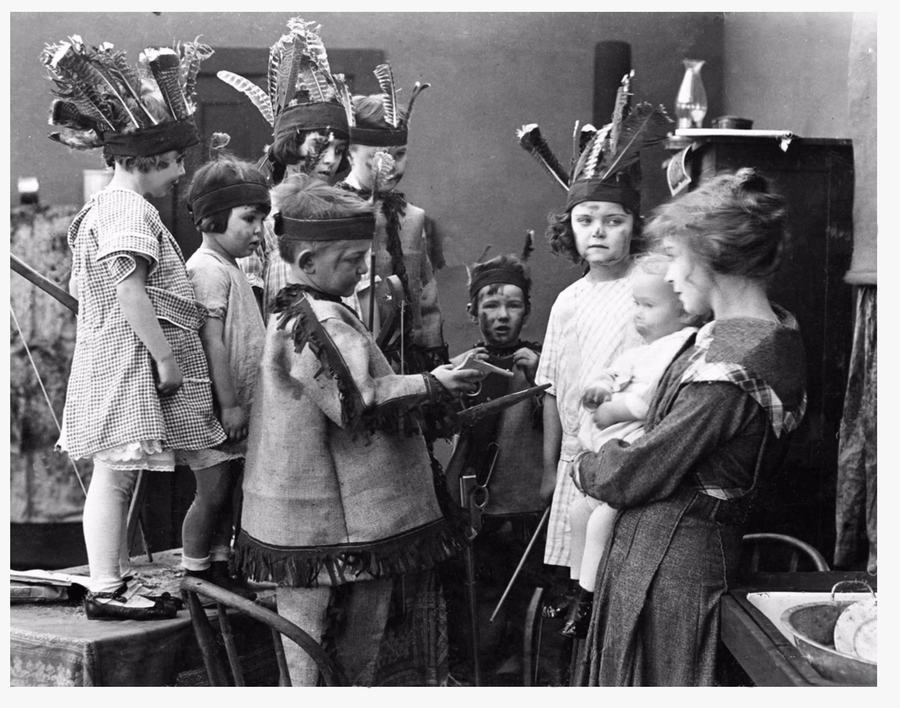
In a vivid societal critique veiled within a domestic drama, "The House Built Upon Sand" meticulously charts the crucible of an arranged marriage forced into an unconventional social experiment. Evelyn Dare, a creature of refined elegance and a devotee of high fashion, finds her pre-ordained union with David Westebrooke, a fervent social reformer and factory manager, dramatically upended. David, a man whose idealism is as unyielding as his principles, spurns the opulent nuptial spectacle Evelyn envisions, instead orchestrating a swift, unceremonious ceremony. He then whisks his bewildered bride away from her gilded cage to the gritty, industrial heart of Oreville, his domain of social betterment. Stripped of her lavish wardrobe and ensconced in the stark realities of working-class life, Evelyn initially languishes in profound discontent. Yet, from this enforced austerity, a dormant social conscience awakens. She embarks on an endeavor to uplift the factory women, mirroring David's own, albeit corrupted, male club. This nascent activism, however, precipitates friction within the insular community, exacerbated by the return of Ted, a disgruntled ex-convict who maliciously poisons Evelyn's perception of her husband. A climactic conflagration engulfs the men's gambling den, revealing David's inherent heroism while simultaneously driving Evelyn, harboring Josie's infant, back to her former life. The ensuing chasm between them is eventually bridged by Ted's belated confession and David's profound loneliness, culminating in a poignant reconciliation where Evelyn, transformed by experience, pledges not only her love but also her newfound commitment to their shared humanitarian cause among the very people who once represented her confinement.
Synopsis
Evelyn Dare is a butterfly of fashion. David Westebrooke, her fiancé, is an altruist interested in sociology. He has made his home in the factory town of Oreville, where he works among his employees as factory manager. The two young people were affianced by their parents, and although they have not seen each other for a number of years they are strongly attracted to each other and have no desire to break the engagement. When David discovers that Evelyn plans an elaborate wedding and that he is scheduled to appear at a series of smart social functions, he rebels. Through his attorney, he arranges a marriage, and afterward tells his wife that she is to accompany him to their home and telegraph her friends that she has run away. Evelyn opposes chis, but David is firm. He takes her to their home in the factory town and there orders his housekeeper to take away her useless clothes and to supply those befitting the wife of a factory manager. For some time Evelyn is miserable. Finally she becomes interested in the life of the factory town and starts a woman's club for the benefit of the factory workers. David maintains a club for the men of the town, but they change it into a gambling den. Complications arise when the men become angry because their women folk also have a club. This is aggravated when Ted, the husband of Josie, a mill-hand, returns from a term in prison and proceeds to poison Evelyn's mind against her husband. The men's club is burned down and David saves both Ted and Josie from the burning building. In the meantime Evelyn returns to her home, taking Josie's baby with her. After a time Ted, becoming conscience-smitten, goes to Evelyn and tells her the truth. David becomes lonely for his wife and leaves the factory town. There follows a reconciliation between him and Evelyn, the latter promising to assist him in his work, not only for love of him, but also because she is now interested in the people of the factory.
Review Excerpt
"
Unveiling the Foundations: 'The House Built Upon Sand' and the Crucible of Social Change
Stepping back into the hallowed halls of early cinema, one often encounters narratives that, despite their age, resonate with an uncanny contemporary relevance. Such is the case with Mary H. O'Connor's "The House Built Upon Sand," a film that, even in its silent grandeur, speaks volumes about class disparities, marital expectations, and the arduous journey of personal transformation. This ..."