Summary
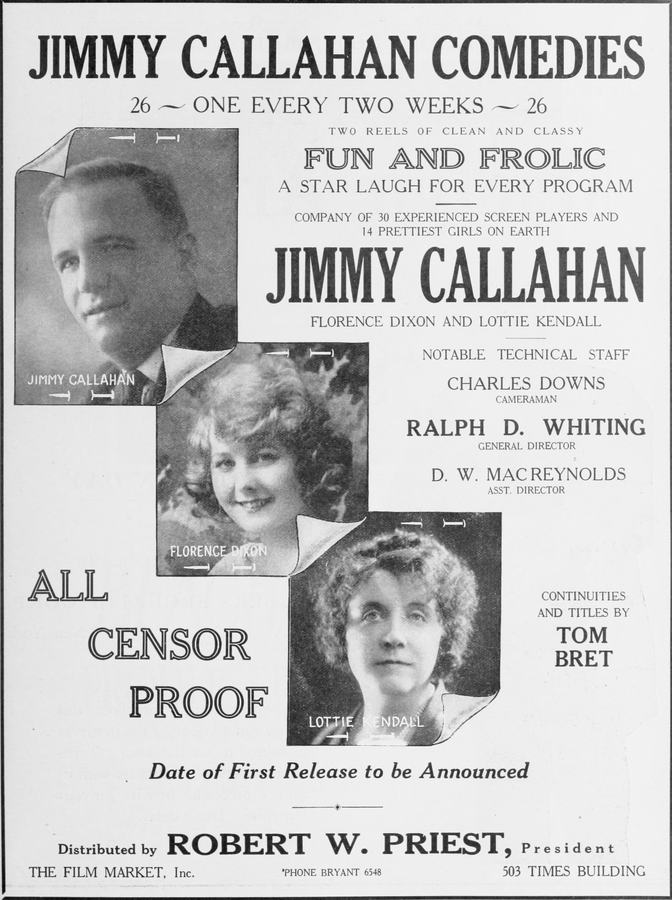
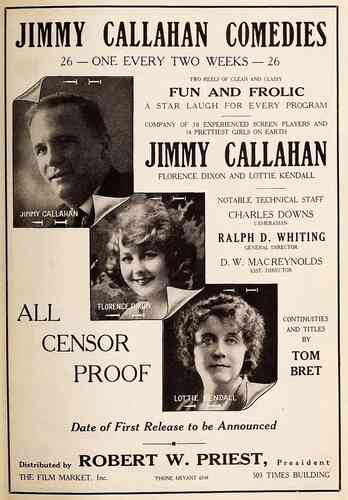
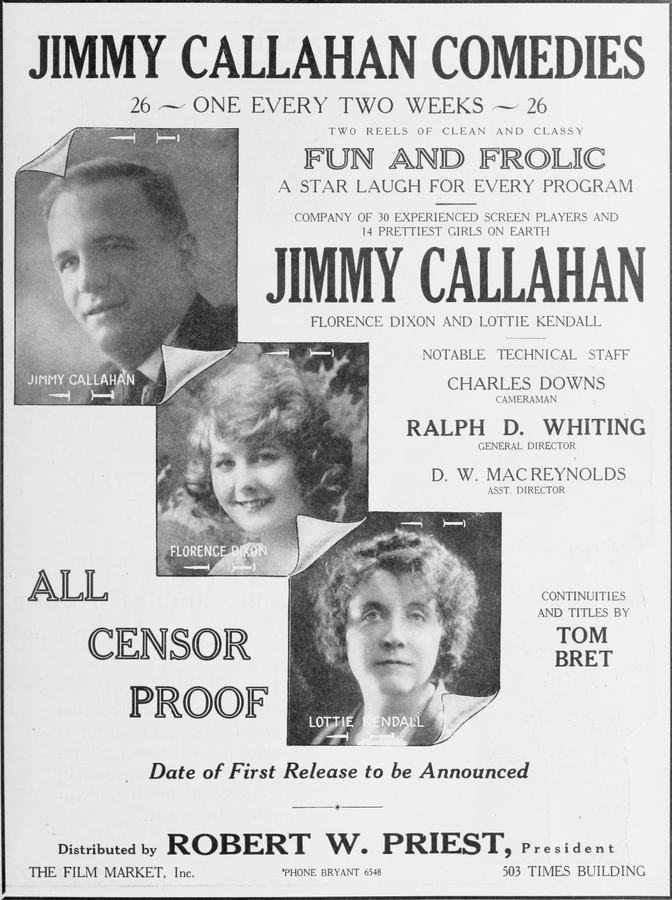
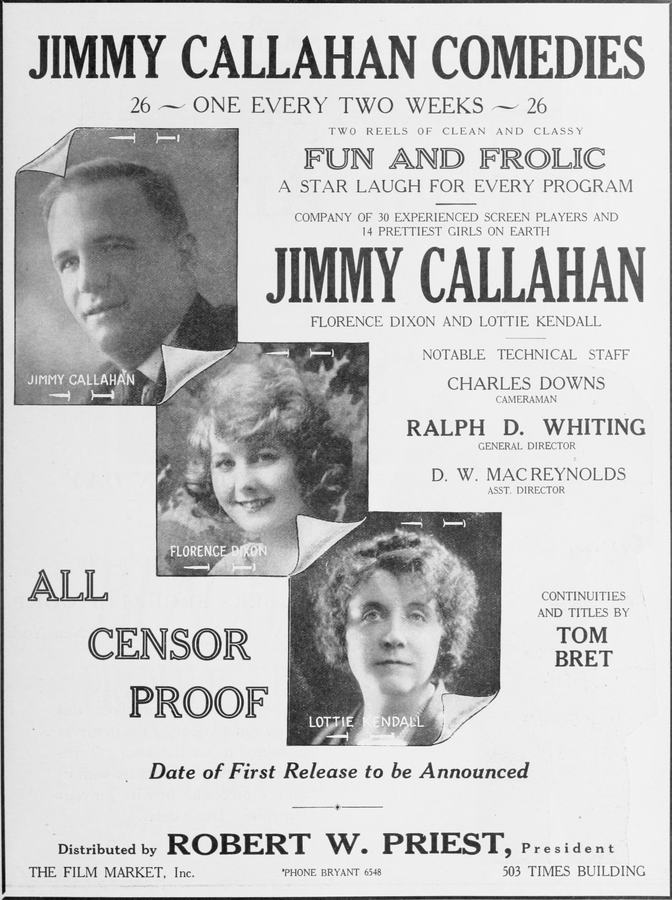
In the untamed, dust-choked crucible of Redemption Gulch, a nascent frontier town clinging precariously to the edges of civilization, Tom Bret's 1921 silent drama, "Wild Women," unfurls a searing tableau of sisterly schism and the fierce struggle for self-determination. Florence Dixon, embodying the luminous yet steely schoolteacher Eleanor Vance, grapples with the stifling embrace of societal expectations, quietly yearning for a life of order amidst the chaos. Her counterpoint is Maeve Vance, portrayed with a captivating, untamed ferocity by Lottie Kendall, a woman who scorns convention, carving her own destiny amidst the illicit allure of a gambling den and the raw promise of a disputed gold claim. The narrative's fulcrum is the enigmatic Silas Blackwood, brought to life with dangerous charm by Jimmy Callahan, a prospector whose shadowed past and veiled intentions intertwine menacingly with Maeve's fierce independence. As a treacherous land baron's machinations threaten to engulf the community, Eleanor unearths Silas's duplicitous collusion, leading to a profound test of loyalty and love. The film culminates in a breathtaking maelstrom of natural and human fury, forcing Maeve to confront the brutal truth of her affections and ultimately choose between a captivating, yet destructive, passion and the enduring bond of sisterhood, redefining the very essence of 'wildness' as an unyielding spirit rather than mere recklessness.
Review Excerpt
"
Stepping back into the flickering glow of a 1921 silent film is often akin to unearthing a forgotten relic, a whisper from a bygone era that can, if given the chance, roar with an unexpected vitality. Tom Bret's Wild Women is precisely such a revelation, a cinematic artifact that, despite its century-long slumber, pulsates with themes as resonant today as they were in the nascent days of the Jazz Age. This isn't merely a period piece; it's a profound exploration of female agency, societal cons..."