DbcultAccessing Vault...
5.8/10
Senior Film Conservator
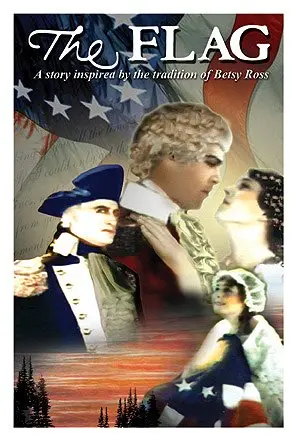
A definitive 5.8/10 rating for a film that redefined the boundaries of cult cinema. The Flag: A Story Inspired by the Tradition of Betsy Ross remains a cornerstone of transgressive art.
Is "The Flag: A Story Inspired by the Tradition of Betsy Ross" worth watching today? Short answer: yes, but with significant caveats. This silent film offers a fascinating, if sometimes quaint, glimpse into early American cinema's attempt to weave national myth with intimate human drama, making it a compelling watch for specific audiences.
This film is absolutely for history buffs, silent film aficionados, and those curious about the foundational myths of the United States as they were presented a century ago. It is definitively not for viewers seeking fast-paced action, modern production values, or a strictly historically accurate account devoid of romanticized legend.
"The Flag" attempts a delicate balancing act, presenting both the grand sweep of a nascent nation's birth and the hushed anxieties of personal wartime sacrifice. The core narrative, as presented by writer Arthur Maude, hinges on George Washington's pragmatic decision to unify the squabbling colonies under a single, new flag. This is the historical bedrock, a moment of national identity being forged. However, the film wisely, and perhaps controversially for its time, grounds this epic ambition in a deeply personal, almost melodramatic, subplot.
The introduction of British officer Brandon and his wife, covertly sharing a boarding house with Betsy Ross, injects a palpable tension. It’s a bold narrative choice, daring to humanize the 'enemy' and to place a domestic predicament right at the feet of a national hero. The film doesn't shy away from the moral complexities inherent in Ross aiding Mrs. Brandon, placing her in a morally ambiguous position that transcends simple patriotism. This entanglement is where the film finds its true, beating heart.
This film works because it attempts to humanize historical figures and the abstract concept of war through a deeply personal, almost forbidden, love story. It dares to ask if compassion has a place amidst conflict. This film fails because its silent era conventions, particularly in pacing and character depth, can feel rudimentary to a modern audience, requiring significant interpretive effort. You should watch it if you appreciate historical drama, silent film artistry, and narratives that explore the difficult intersection of duty and humanity.
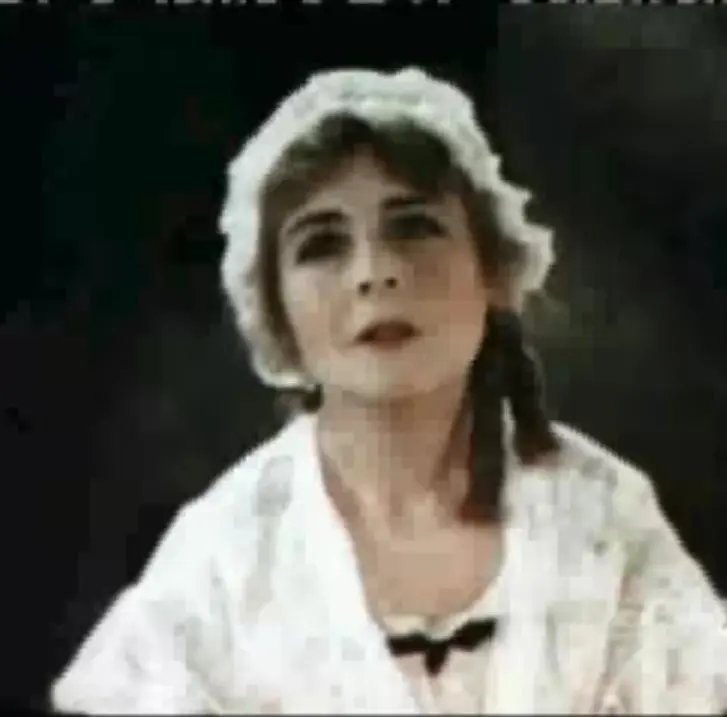
The cast, led by Alice Calhoun as Betsy Ross, Enid Bennett as Mrs. Brandon, Francis X. Bushman as George Washington, and Johnnie Walker as Officer Brandon, navigates the expressive demands of silent cinema with varying degrees of success. Calhoun, in particular, imbues Betsy Ross with a quiet strength and an underlying moral compass. Her performance relies heavily on subtle facial expressions and measured gestures, conveying the weight of her secret without needing intertitles for every thought. There’s a scene where she glances between Mrs. Brandon’s tear-filled eyes and a half-finished flag, a moment that speaks volumes about her divided loyalties.
Enid Bennett’s portrayal of Mrs. Brandon is perhaps the most emotionally resonant. Her anguish is palpable, a raw depiction of a woman caught between her love for her husband and the harsh realities of war. Her silent pleas, often conveyed through a trembling hand or a desperate look, are genuinely affecting. It’s a performance that transcends the theatricality sometimes associated with the era, offering a glimpse into universal human suffering.
Francis X. Bushman’s George Washington, while undeniably charismatic, feels a touch more stylized, embodying the stoic, almost mythical figure of American lore. He carries the weight of command with a dignified bearing, but his internal struggle, when discovered, is conveyed more through a furrowed brow and a deliberate pause than through the kind of nuanced emotional breakdown a modern actor might deliver. It's a performance fitting the larger-than-life legend, perhaps less so the conflicted man. Johnnie Walker as Officer Brandon has less screen time, but his desperation and the quiet fear in his eyes are effective in conveying the peril of his situation.
Arthur Maude's direction, while constrained by the technical limitations of its time, demonstrates a clear understanding of visual storytelling. The film frequently employs wide shots to establish the historical grandeur, such as the initial colonial assembly scenes, while relying on tighter framing for the intimate moments within the boarding house. The use of natural light, particularly in the domestic scenes, lends an authenticity that helps ground the more dramatic elements.
One particularly effective directorial choice is the recurring motif of the flag itself. It's not just a prop; it's a character, representing hope, division, and the very soul of the conflict. Maude often frames Betsy Ross working on the flag, juxtaposing this act of creation with the destructive backdrop of war and the personal turmoil unfolding around her. This visual metaphor is surprisingly potent, a testament to the power of silent film to communicate complex ideas without words. However, some of the transitions feel abrupt, a common issue in early cinema, pulling the viewer out of the narrative flow momentarily.
The pacing of "The Flag" is undeniably deliberate, a characteristic trait of silent films that can be challenging for contemporary audiences accustomed to rapid-fire editing. Scenes are allowed to breathe, sometimes to a fault, demanding patience and a willingness to absorb information visually. The narrative builds slowly, allowing the tension of the hidden officer to simmer before Washington's inevitable discovery. This slow burn, however, pays off in the climactic confrontation, which carries a surprising emotional punch.
The tone oscillates between patriotic reverence for the founding fathers and a poignant, almost melancholic, exploration of human connection amidst conflict. There's a certain earnestness to the film, a sincerity in its portrayal of both national duty and individual suffering. While the absence of a synchronized score means viewers today might encounter it with a generic accompaniment, the intended tone would have been heavily influenced by live musicians, adding layers of emotion that we can only infer. This reliance on an external, live element highlights one of the biggest challenges in fully appreciating silent films today.
An unconventional observation: the film’s depiction of Betsy Ross is less about her legendary sewing skills and more about her unexpected role as a moral arbiter, navigating a grey area that complicates the black-and-white heroism often attributed to founding myths. It’s a surprisingly nuanced take for its era, suggesting a deeper interest in human ethics than mere historical reenactment. The film's strength lies in its quiet moments of ethical dilemma, not its grand historical pronouncements. It works. But it’s flawed.
Yes, "The Flag: A Story Inspired by the Tradition of Betsy Ross" is absolutely worth watching, particularly for those with an appreciation for cinema history. It offers a unique window into how historical narratives were constructed and consumed in the silent era. It's a testament to early filmmaking's ability to tackle complex themes of duty, love, and national identity. The film’s dramatic tension, though slow by modern standards, culminates in a powerful moral dilemma for George Washington. It’s a foundational piece, demonstrating the enduring power of storytelling.
"The Flag: A Story Inspired by the Tradition of Betsy Ross" is more than a dusty relic; it’s a compelling, if imperfect, piece of cinematic history. Its strength lies not in grand battles or sweeping historical pronouncements, but in the quiet, agonizing choices made by individuals caught in the maelstrom of revolution. While its silent-era conventions demand a certain patience, the film rewards viewers with a surprisingly nuanced exploration of duty versus compassion, making Washington's ultimate decision genuinely impactful. It’s a film that asks us to look beyond the legend and into the heart of human dilemma, a challenge it tackles with admirable conviction. While perhaps not as flashy as A Fool There Was or as technically inventive as The Submarine Eye, its thematic ambition elevates it beyond a mere historical curiosity. It’s a film that, despite its age, still holds a mirror to the timeless struggles of war and the enduring power of human connection.
Community
Log in to comment.