DbcultAccessing Vault...
Cult Review
Senior Film Conservator
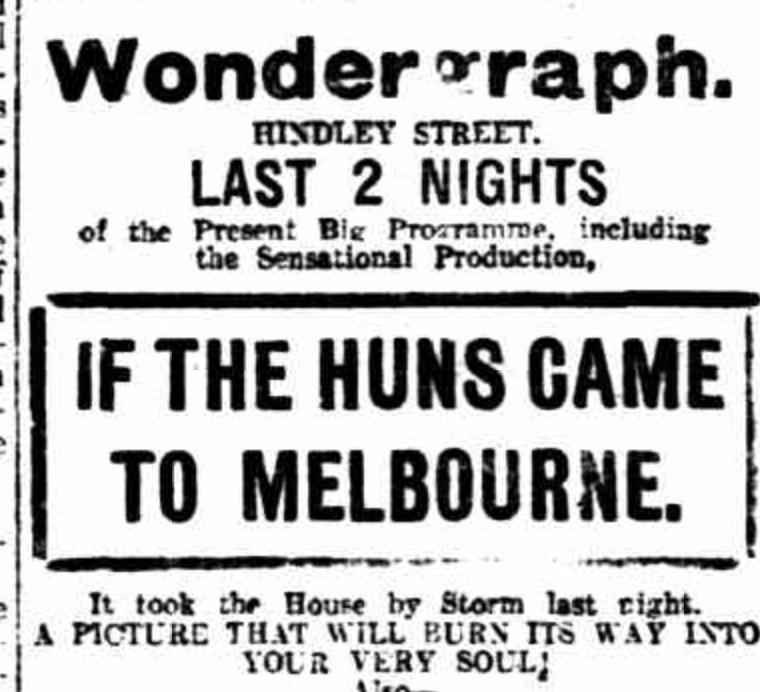
The cinematic landscape occasionally throws forth a work so audacious in its premise, so unflinching in its execution, that it reshapes the very contours of our speculative anxieties. ‘If the Huns Came to Melbourne’ is precisely such a film, a harrowing descent into a meticulously imagined dystopia that feels terrifyingly proximate. It’s a profound meditation on the fragility of civilization, the malleability of identity, and the raw, often brutal, resilience of the human spirit when confronted with an existential threat. This isn’t merely a disaster movie; it’s a philosophical treatise on societal collapse, wrapped in the visceral urgency of a survival thriller.
From its opening frames, the film establishes an almost idyllic portrait of Melbourne, a city bustling with multicultural vibrancy, a testament to modernity and interconnectedness. The cinematography revels in sun-drenched streetscapes, the cacophony of trams, and the everyday rituals of urban life. This deliberate establishment of normalcy serves to amplify the shock when the inevitable rupture occurs. The 'Huns' of the title are not the historical marauders of antiquity, but a chillingly contemporary, technologically advanced, and ideologically zealous collective – the 'Neo-Huns.' Their arrival is not heralded by conventional warfare but by a silent, devastating electromagnetic pulse, plunging the city into an instantaneous dark age. The ensuing chaos is not a spectacle of explosions, but a more insidious, psychological terror: the sudden, complete erasure of the infrastructure that underpins modern existence. This initial sequence, devoid of dialogue, communicates more effectively than any exposition dump the sheer, disorienting horror of an unprepared society being disconnected from itself and the world.
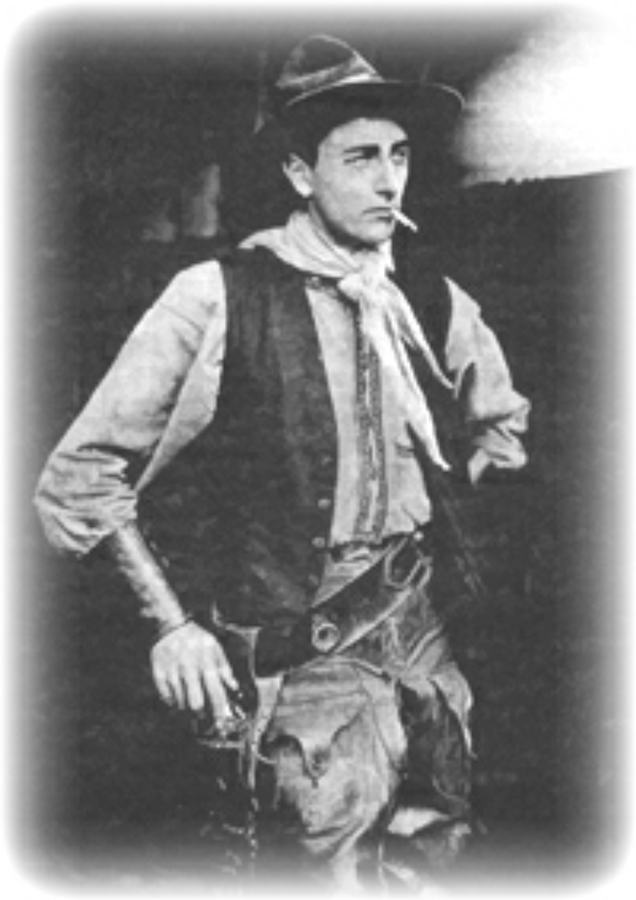
At the heart of this maelstrom is George Coates’ performance as Elias Thorne, a history professor whose life has been spent dissecting the fall of empires from the safe remove of academia. Coates delivers a portrayal of such nuanced vulnerability and intellectual arrogance that it immediately grounds the fantastical premise in a relatable human experience. Thorne is initially a man paralyzed by his own knowledge, an observer of history suddenly thrust into its brutal making. His character arc is the film’s emotional anchor, a journey from detached intellectualism to pragmatic, often morally compromised, leadership. We witness his initial disbelief, his academic fatalism giving way to a desperate, primal urge to survive, and then, crucially, to preserve. Coates masterfully conveys the internal struggle of a man whose entire worldview is being systematically dismantled, forced to confront the abstract theories he taught with the raw, brutal reality of human nature under du duress.
The 'Neo-Huns' themselves are depicted with a chilling ambiguity. They are not cartoonish villains, but a force of nature, driven by an almost religious conviction in their mission to dismantle what they perceive as the decadent, unsustainable edifice of modern society. Their methods are ruthless, surgical, and terrifyingly efficient. They do not seek conquest in the traditional sense; rather, their objective is a radical societal reset, a systematic erasure of cultural identity and technological advancement. The film wisely avoids over-explaining their origins, instead focusing on their impact, allowing their enigmatic nature to enhance their menace. This approach echoes the subtle dread found in films like The Country That God Forgot, where the harshness of the environment or an unseen force feels more potent than a clearly defined antagonist.
The screenplay, attributed to a collective vision that feels both ancient and alarmingly contemporary, excels in its exploration of thematic depth. It delves into the profound psychological trauma of witnessing a beloved city's soul being systematically eroded. The streets of Melbourne, once vibrant, become silent, ghostly corridors, a testament to what has been lost. The film doesn't shy away from the moral ambiguities inherent in survival. Characters are forced to make impossible choices, to betray principles they once held sacred, simply to endure another day. This moral complexity is where the film truly shines, refusing easy answers or simplistic heroes. It challenges the audience to consider what truly defines humanity when stripped of its societal constructs. The tension between preserving the past and adapting to a brutal present is a recurring motif, particularly through Thorne’s desperate attempts to safeguard books and historical records.
Visually, the film is a triumph of understated horror and stark beauty. The contrast between the pre-EMP vibrancy and the post-apocalyptic desolation is breathtakingly rendered. Cinematographer’s eye for detail transforms familiar landmarks into haunting monuments of a bygone era. The once-iconic Flinders Street Station becomes a makeshift refugee camp, its grandeur now a testament to human desperation. The use of natural light in the latter half of the film enhances the sense of a world stripped bare, forcing characters and audience alike to confront the raw, unfiltered reality of their predicament. Sound design is equally impactful, moving from the overwhelming silence post-EMP to the sudden, jarring bursts of violence, creating an atmosphere of constant, nerve-wracking tension. Every creak, every distant shout, every whisper of wind through abandoned buildings is amplified, immersing the viewer in Thorne's heightened state of awareness.
Coates’ performance is particularly poignant in scenes where he grapples with the ethical dilemmas of leadership. He isn't a natural leader, but a scholar forced into action, his decisions often driven by a desperate hope that knowledge, once preserved, can somehow rebuild. His interactions with other survivors — a hardened street artist, a pragmatic engineer, a grieving mother — paint a mosaic of human responses to catastrophe. Each character, though given limited screen time, feels fully realized, contributing to the rich tapestry of a society in collapse. The film avoids cliché, presenting a diverse group that is neither uniformly heroic nor villainous, but deeply, complexly human.
The pacing is deliberate, allowing the psychological weight of the situation to settle before escalating the physical stakes. This slow burn approach builds an almost unbearable tension, ensuring that when moments of action erupt, they are brutal, chaotic, and deeply impactful. The film’s strength lies in its ability to make the audience feel the grind of survival, the constant gnawing fear, and the profound sense of loss. It’s a testament to the director’s vision that even amidst the bleakness, fleeting moments of human connection and defiant hope shine through, like fragile embers in a vast darkness. This delicate balance of despair and resilience is reminiscent of the emotional core found in Heart of the Wilds, albeit transplanted from a natural wilderness to an urban jungle.
While the film doesn't shy away from depicting acts of immense cruelty, it also highlights the surprising depths of altruism and solidarity that emerge in extremis. It suggests that even when the veneer of civilization is stripped away, the fundamental human impulse for connection and mutual aid persists, albeit in fractured and desperate forms. The 'Neo-Huns' serve as a stark mirror, reflecting humanity's own capacity for destruction and reinvention, forcing Thorne and the survivors to question what truly constitutes progress and whether the modern world was inherently flawed.
The film's exploration of memory and legacy is particularly powerful. Thorne's obsession with preserving books and historical artifacts isn't just about saving physical objects; it's about safeguarding the collective memory of a lost world, a defiant act against the Neo-Huns' ideological purge. This theme resonates deeply, asking what we value most when everything else is gone. Is it the physical structures, the technological marvels, or the stories, the ideas, the very essence of human thought? This contemplation of what remains, what truly matters, is a central pillar of the narrative, elevating it beyond mere entertainment.
The writing, while sparse in dialogue during critical moments, is incredibly potent. The internal monologues of Thorne, conveyed through Coates' subtle expressions and occasional, weary narration, provide crucial insights into his evolving mindset. The film trusts its audience to piece together the larger implications, to feel the weight of each decision and its consequences. It’s a testament to the power of visual storytelling, where a single shot of a destroyed library or a child clutching a salvaged toy speaks volumes about the magnitude of the loss. The film also deftly avoids falling into the trap of becoming overly didactic, instead allowing its themes to emerge organically from the harrowing experiences of its characters.
In comparing it to other works, one might draw parallels to the visceral societal breakdown seen in Patria, though 'If the Huns Came to Melbourne' substitutes internal conflict for an external, enigmatic threat, making the sense of helplessness even more profound. The film also shares a thematic kinship with the stark realism of Creation in its depiction of a world being remade, albeit in a far more destructive fashion. Yet, it carves out its own distinct identity through its unique blend of speculative fiction and deeply human drama. It doesn’t just show us a future; it makes us feel it in our bones.
The ending, without revealing specifics, is not one of easy catharsis. It is ambiguous, a testament to the film's commitment to realism in its darkest form. It offers not a definitive resolution, but a lingering question, a profound contemplation of what it means to rebuild, to remember, and to carry the scars of a civilization lost. The final images are haunting, leaving an indelible mark on the viewer, forcing a re-evaluation of our own comfort and complacency. This is not a film you easily shake off; it stays with you, prompting uncomfortable but vital reflections on the vulnerabilities of our interconnected world.
Ultimately, ‘If the Huns Came to Melbourne’ is a tour de force of speculative cinema, a meticulously crafted nightmare that serves as a potent warning and a poignant character study. George Coates delivers a career-defining performance, anchoring a narrative that is as intellectually stimulating as it is emotionally devastating. It’s a vital, urgent piece of filmmaking that demands to be seen, discussed, and deeply considered, solidifying its place as a significant entry in the dystopian genre and a chilling reflection of contemporary anxieties about societal stability and the human condition. It reminds us that sometimes, the most terrifying monsters are not born of fantasy, but of ideological conviction and the sudden, brutal absence of everything we take for granted.
IMDb —
1922
Community
Log in to comment.