DbcultAccessing Vault...
Cult Review
Senior Film Conservator
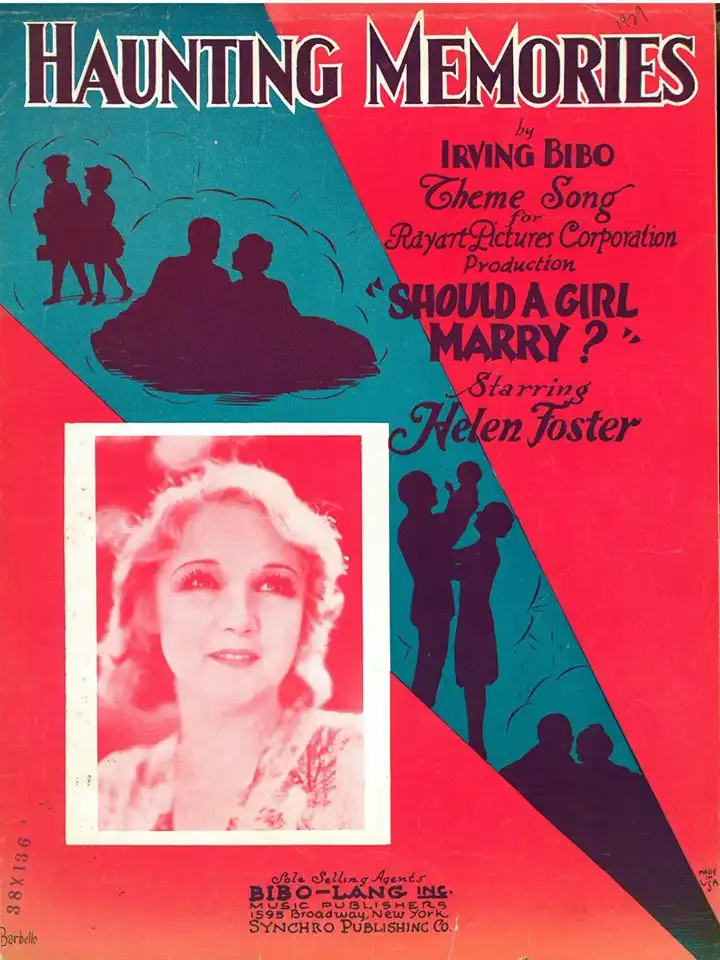
“Should a Girl Marry?”, the 1928 silent drama, isn't a lost masterpiece, but it holds surprising interest for specific audiences today. If you appreciate the unique narrative rhythms and heightened emotionality of late silent cinema, or if you're curious about how early Hollywood grappled with questions of female independence and societal expectation, then yes, it warrants a viewing. However, those accustomed to contemporary pacing, subtle performances, or intricate plot mechanics will likely find its melodrama dated and its resolutions simplistic. It's a niche watch, but one that offers genuine insight into a bygone era of filmmaking and social anxieties.
The film's emotional core rests squarely on the shoulders of Dorothy Vernon as Mary, the young woman at the center of the titular dilemma. Vernon navigates a complex emotional landscape primarily through her eyes and the subtle shifts in her posture. There's a particular scene where she receives a letter that will determine her fate; instead of a grand gesture, her hand trembles almost imperceptibly as she breaks the seal, a small detail that speaks volumes about her inner turmoil and the weight of the moment. Her performance, while adhering to the broader conventions of silent acting, manages to convey a genuine vulnerability that transcends mere pantomime.
Opposite her, George Chesebro, playing the cad who complicates Mary's life, embodies the era's archetypal villain with a sneering lip and calculated gestures. His performance is less nuanced than Vernon's, leaning heavily into the theatricality, but it serves its purpose in establishing a clear antagonist. Dot Farley, often cast in comedic or character roles during the era, here plays a more overtly gossipy or judgmental figure, her wide-eyed stares and dramatic hand-wringing sometimes pushing the boundaries of even silent film conventions, yet effectively portraying the societal pressures Mary faces.
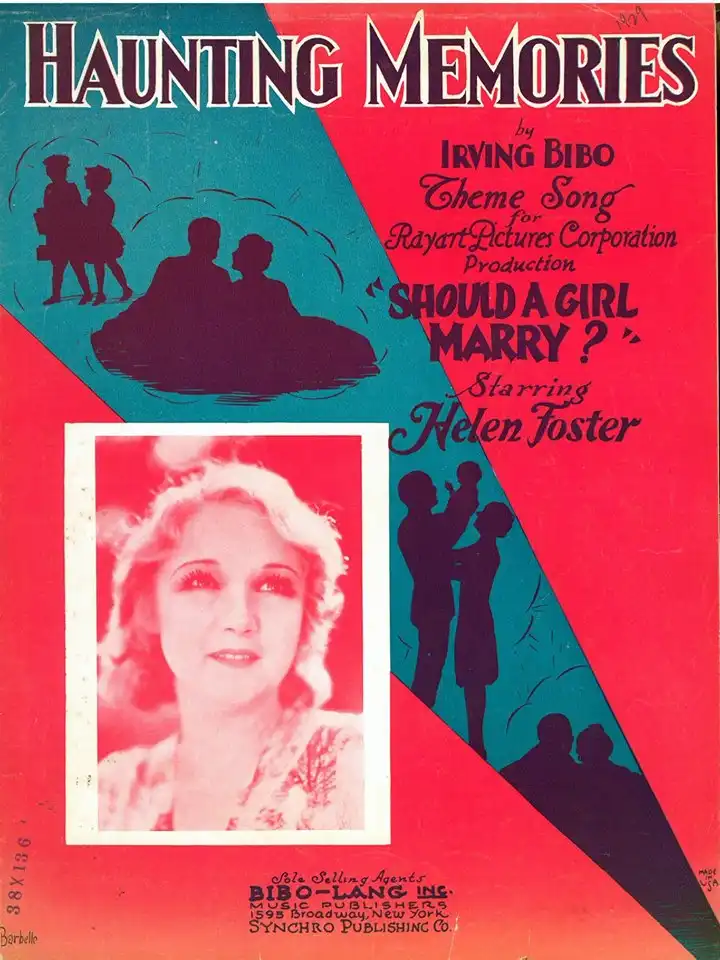
The supporting cast, including Helen Foster and Donald Keith, competently fill their roles, though they rarely get moments to truly shine. Andy Clyde, a familiar face from early comedies, has a small role that hints at his later comedic prowess, even within the dramatic confines of this film, offering a brief, almost welcome, moment of lighter presence.
The film's pacing is largely dictated by the conventions of its era, meaning certain emotional beats are drawn out with extended reaction shots that might test modern viewers' patience. A lingering close-up on a character's tear-filled eyes, for instance, might last twice as long as a contemporary cut would allow. This deliberate pace, however, isn't necessarily a flaw; it allows the audience to fully absorb the emotional weight, even if it feels foreign to today's rapid-fire editing. Yet, for a silent film, it avoids the egregious sluggishness found in some of its contemporaries. The narrative, while predictable in its broad strokes, moves forward with a steady, if sometimes deliberate, momentum.
The tone is overwhelmingly melodramatic, as expected from a film with such a direct moralizing title. It rarely tips into unintentional comedy, maintaining an earnestness that helps sell its often high-stakes emotional conflicts. The intertitles, while sometimes verbose, effectively bridge the narrative gaps, though a few feel slightly redundant, reiterating emotions already clearly expressed by the actors.
Visually, “Should a Girl Marry?” is a competent if not groundbreaking example of late silent era filmmaking. The cinematography, while mostly functional, occasionally shines with striking chiaroscuro lighting, particularly in scenes set at night or indoors, creating dramatic shadows that heighten the emotional stakes. There's a memorable sequence involving a stormy night, where the flickering light of a single lamp casts dancing shadows across a panicked face, effectively conveying isolation and fear.
Costume design is period-appropriate, subtly delineating class and character without calling undue attention to itself. Mary's modest yet well-maintained attire contrasts effectively with the more opulent, almost garish, styles of those who might tempt or judge her. The sets are largely functional, often feeling a bit stagey, but they serve the narrative without distraction. One small detail that caught my eye was the surprisingly clean lines of the protagonist's modest apartment, even in moments of deep distress, suggesting a directorial choice to maintain a certain aesthetic standard rather than reflecting true domestic chaos, perhaps to underscore her unwavering inner purity.
Ultimately, “Should a Girl Marry?” is not a film for everyone. It’s a dedicated watch, best suited for those with an existing appreciation for silent cinema or a specific academic interest in the social mores of the Roaring Twenties. It won't convert skeptics of the silent era, nor will it offer profound new insights into the human condition that haven't been explored more deeply elsewhere. But for those willing to engage with its conventions, it provides a solid, if unspectacular, example of a specific moment in film history, proving that even a seemingly minor film can spark thought about societal pressures that, in some form, persist today. It’s a reminder that the questions surrounding a woman's place in society, and her choices regarding marriage and independence, are far from new, echoing through the decades from the silent screen to today's complex narratives.

IMDb 6.6
1929
Community
Log in to comment.