DbcultAccessing Vault...
Cult Review
Senior Film Conservator
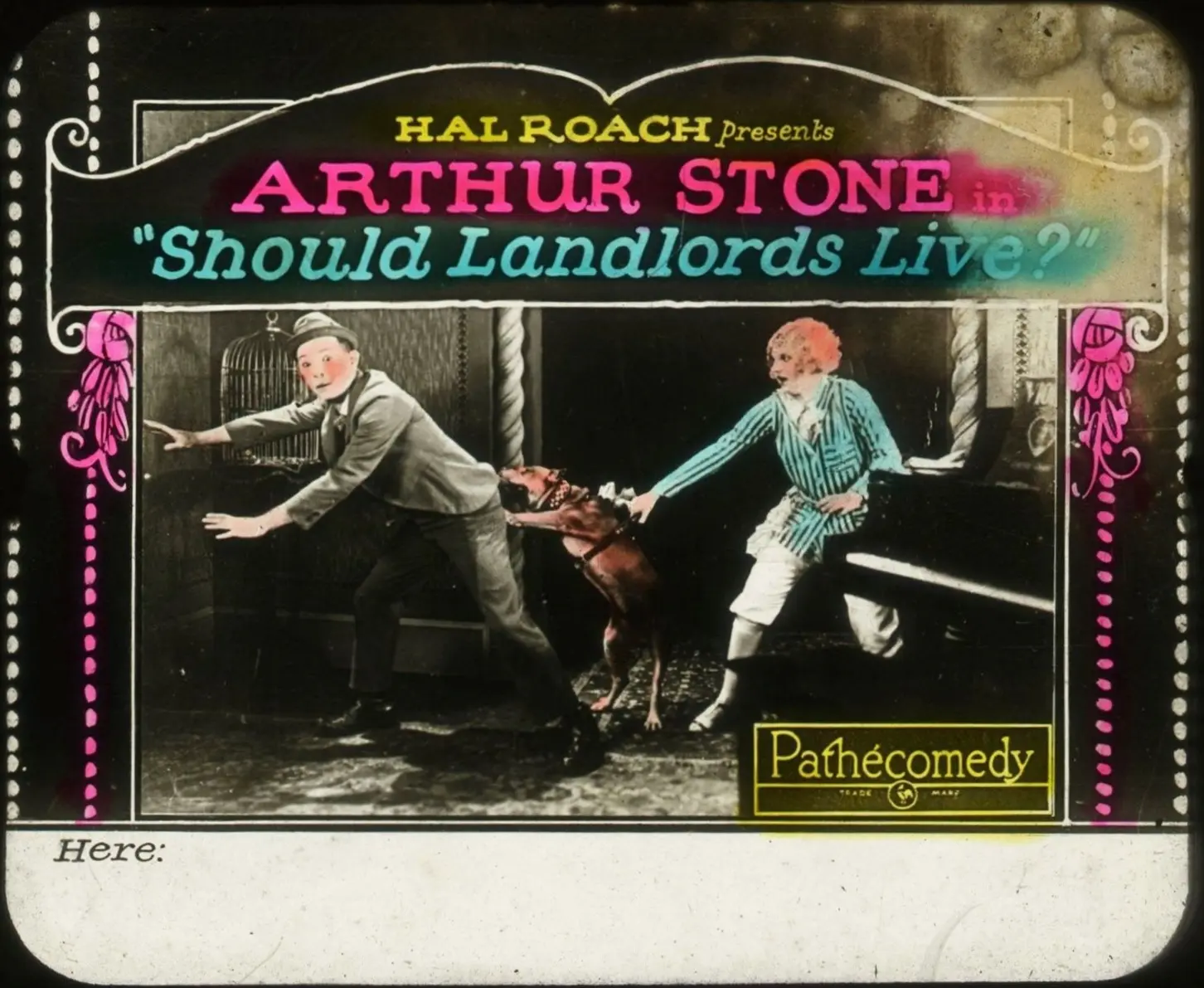
In the silent film era, comedies often relied on situational irony and physical humor, yet some productions ventured into more incisive social commentary. 'Should Landlords Live?' (1927) exemplifies this trend, presenting a nuanced exploration of the tenant-landlord dynamic through the experiences of Arthur, a diligent rent collector.
The film's narrative pivots on Arthur's encounters with a diverse array of tenants, each evading rent payments with remarkable creativity. This setup enables the filmmakers to scrutinize the socio-economic fabric of the time, laying bare the tensions between landlords and tenants. As Arthur navigates this fraught landscape, the audience is treated to a rich tapestry of character studies, from the begrudging tenant who would rather not pay to the charismatic rogue who cannot pay.
The cast, featuring Martha Sleeper, Robert Page, Olive Borden, and Helen Gilmore, brings to life a world teeming with humor and pathos. Their performances imbue the film with a sense of verisimilitude, rendering the characters' struggles relatable and engaging. The ensemble's chemistry is undeniable, elevating the film's comedic moments and lending weight to its social commentary.
A notable aspect of 'Should Landlords Live?' is its thematic resonance with other silent films of the era. For instance, Breaking Into Society similarly employs satire to critique societal norms, albeit with a different focus. Both films demonstrate a keen awareness of the period's socio-economic challenges, using humor to highlight the absurdities and contradictions of their respective worlds.
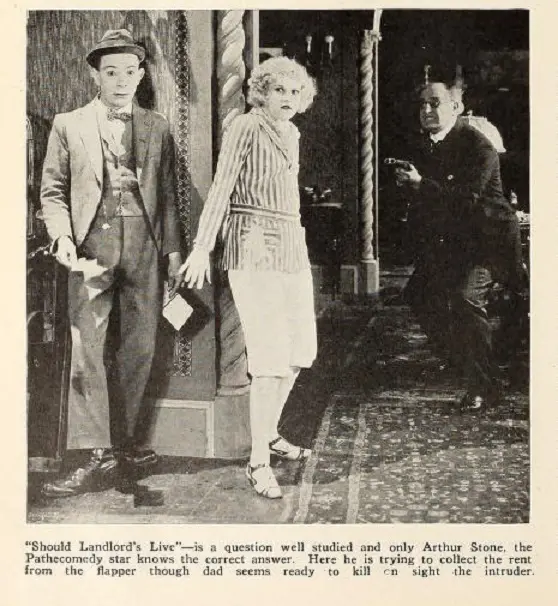
The cinematography and direction in 'Should Landlords Live?' are noteworthy for their contribution to the film's satirical tone. The camerawork is adept at capturing the expressive performances of the cast, while the editing effectively juxtaposes comedic sequences with more somber moments. This juxtaposition serves to underscore the film's central argument: that the tenant-landlord relationship is inherently fraught, yet also capable of producing moments of levity and connection.
In comparing 'Should Landlords Live?' to other silent comedies, such as The Purple Riders and Hey, Rube!, it becomes apparent that the film occupies a unique niche. While these films often prioritize slapstick humor and action, 'Should Landlords Live?' distinguishes itself through its thoughtful exploration of social issues. This focus on character-driven storytelling and thematic depth aligns the film with works like An Amateur Orphan and In Honor's Web, which also tackle complex subjects with sensitivity and wit.
The film's portrayal of a rent collector's trials might evoke comparisons with Lady Barnacle, which also explores themes of social class and economic constraint. However, 'Should Landlords Live?' approaches these topics with a distinctively lighthearted touch, using humor to diffuse tension and facilitate a more nuanced discussion.
In conclusion, 'Should Landlords Live?' is a significant work within the silent film canon, offering a smart and engaging exploration of tenant-landlord dynamics. Through its talented cast, incisive direction, and thoughtful themes, the film provides a rich viewing experience that rewards close attention. For those interested in silent comedies with substance, 'Should Landlords Live?' is an excellent choice, showcasing the genre's capacity for social commentary and entertainment.

IMDb —
1924
Community
Log in to comment.