DbcultAccessing Vault...
Cult Review
Senior Film Conservator
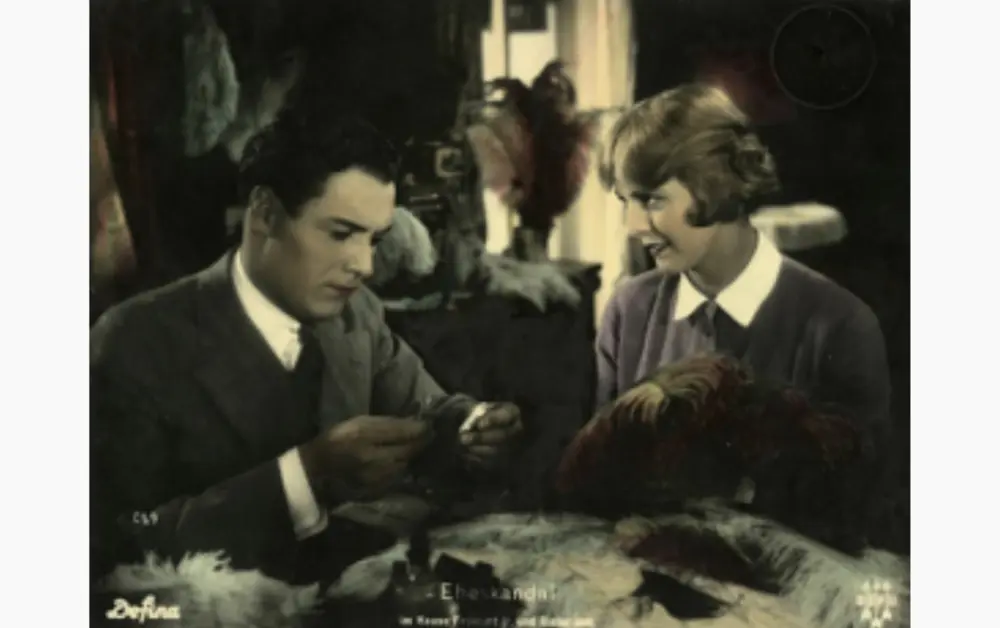
Is Eheskandal im Hause Fromont jun. und Risler sen. a silent film that holds up for a modern audience? Short answer: yes, but with significant caveats. This melodrama, rooted in a classic literary tradition, offers a fascinating glimpse into the moral anxieties and social strictures of its era, making it a compelling watch for cinephiles and historians alike.
However, it is decidedly not for those seeking fast-paced action or a narrative devoid of the melodramatic flourishes common to early cinema. This is a film for patient viewers who appreciate nuanced character studies and the visual storytelling inherent in the silent era, particularly those with an interest in German film history and adaptations of French literature.
The film, whose very title "Marriage Scandal in the House of Fromont Jr. and Risler Sr." immediately signals its thematic core, is a meticulous, if at times ponderous, exploration of infidelity and its devastating societal repercussions. Directed with a steady hand, it takes its time to build the world of its characters, allowing the audience to become intimately familiar with the social fabric that is about to be torn asunder.
At its heart, the narrative revolves around a young, ambitious Fromont Jr., whose burgeoning career and seemingly stable marriage are jeopardized by an illicit affair. This dalliance isn't merely a private transgression; it's a public affront, particularly as it implicates the respected Risler Sr. family, whose fortunes are intertwined with Fromont’s. The film excels in illustrating how a single act of passion can trigger a domino effect, leading to social ostracization, financial ruin, and profound personal tragedy.
The screenplay, credited to Poul Knudsen and based on the work of Alphonse Daudet, leverages the inherent drama of its source material. Daudet, a master of realist and naturalist fiction, provides a robust framework for a story that is as much a social commentary as it is a personal tragedy. The film, in adapting this, manages to retain much of the literary depth, translating complex emotional states and societal pressures into visual language.
One of the film's undeniable strengths lies in its ensemble cast. Lucy Doraine, often cast in roles demanding a blend of vulnerability and defiance, delivers a performance that anchors much of the emotional weight. As the object of Fromont Jr.'s affections, or perhaps the wronged party caught in a web of deceit, her portrayal is nuanced, using subtle facial expressions and body language—the hallmark of compelling silent acting—to convey inner turmoil without the aid of dialogue. There's a particular scene, or rather a series of moments, where her character's internal conflict is externalized through a gradual shift in posture and gaze, moving from hopeful anticipation to crushing despair. It’s a masterclass in silent screen emoting.
Peter C. Leska, in a role that likely demands a portrayal of conflicted ambition, brings a palpable tension to his character. His Fromont Jr. is not a one-dimensional villain but a man caught between desire and duty, a common archetype in melodramas. Leska manages to convey both the allure of forbidden romance and the growing burden of guilt. His interactions, particularly those with his on-screen wife, are charged with an unspoken tension that is more powerful than any dialogue could be.
Supporting players like Nora Gregor and Karina Bell, likely portraying the innocent spouse or other figures impacted by the scandal, contribute significantly to the film's emotional landscape. Their reactions to the unfolding events—the quiet suffering, the public shame, the desperate pleas—are rendered with a sincerity that elevates the material beyond mere spectacle. Sophie Pagay, as a matriarchal figure, likely provides the stern moral compass, her disapproving glances and rigid posture serving as a constant reminder of societal expectations.
The direction, while not explicitly attributed in the provided information, demonstrates a clear understanding of visual storytelling. The use of deep focus in certain shots, allowing multiple characters and their reactions to be seen simultaneously, adds layers of meaning. For instance, a scene depicting a tense social gathering might subtly place the primary figures of the scandal in the foreground, while the judgmental gazes of the wider society are visible, albeit slightly out of focus, in the background. This technique reinforces the omnipresent pressure of public opinion.
The film works because it masterfully translates the moral complexities of its literary source into compelling visual drama, elevated by powerful silent performances. It fails because its deliberate pacing can test the patience of modern viewers, and some of its melodramatic contrivances feel dated. You should watch it if you appreciate the artistry of silent cinema, enjoy character-driven historical dramas, or have an academic interest in early European filmmaking.
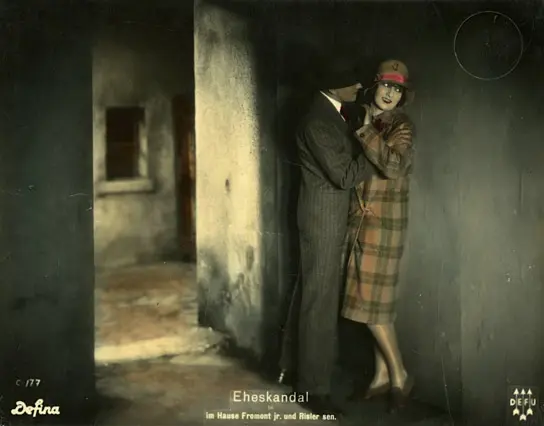
The cinematography, though perhaps not as overtly experimental as some of its contemporaries like Return to Reason, is highly effective in establishing the film's somber, often claustrophobic atmosphere. The lighting, a crucial element in silent film, is used to great effect to delineate character morality and emotional states. Shadows are frequently employed to suggest secrets and impending doom, particularly in scenes depicting illicit encounters or moments of moral deliberation. Conversely, the stark, unforgiving light of day often exposes characters in their moments of public shame, heightening the drama.
Pacing is, as expected for a melodrama of this period, deliberate. The film takes its time to establish relationships and build tension, allowing the audience to fully grasp the gravity of the impending scandal. While some might find this slow burn challenging, it allows for a deeper immersion into the characters' psychological states. The narrative unfolds like a carefully constructed play, with each act building inexorably towards a dramatic climax and a morally resonant resolution. This is a film that rewards patience, revealing its layers gradually.
The tone is consistently dramatic, bordering on tragic. There's a pervasive sense of moral judgment, a reflection of the societal values it portrays. While it never shies away from depicting the allure of forbidden passion, it ultimately emphasizes the destructive consequences. This moralistic undertone is characteristic of many literary adaptations of the era, aiming not just to entertain but to instruct. It's a heavy film, demanding emotional investment from its audience, much like the intense character study in Crainquebille.
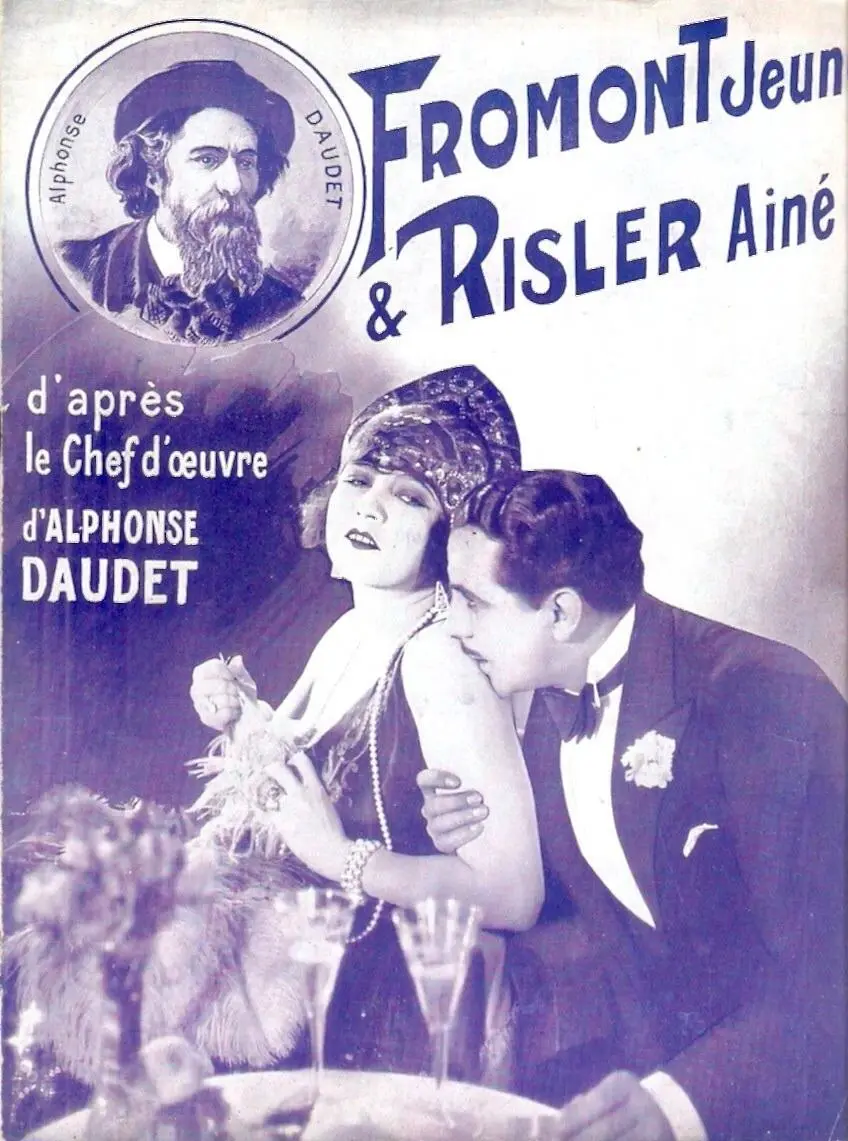
One might argue that the film's most striking element isn't the scandal itself, but its unflinching portrayal of the hypocrisy embedded within high society. While the affair is condemned, the film subtly hints at the underlying currents of desire and resentment that permeate the very circles quick to cast stones. It’s a brave choice for its time, suggesting that the 'scandal' is as much a symptom of a flawed system as it is an individual failing.
Furthermore, I believe the film's lasting power lies in its ability to transcend its specific historical context. The themes of fidelity, reputation, and the corrosive nature of secrets are universal. While the societal consequences depicted might seem extreme to a modern viewer, the emotional core of betrayal and its aftermath remains deeply resonant. It’s a reminder that human frailties are timeless, regardless of the era's specific moral codes.
Conversely, a debatable point is whether the film truly allows its female characters sufficient agency. While Lucy Doraine and Nora Gregor deliver powerful performances, their characters often feel more like pawns in a patriarchal drama than active participants shaping their own destinies. This is a reflection of the era, certainly, but it's a limitation that can be frustrating for contemporary viewers accustomed to more empowered female protagonists. Comparing this to the more rebellious spirit found in films like Holy Smoke (though vastly different in era and genre) highlights this evolving perspective.
Eheskandal im Hause Fromont jun. und Risler sen. is a compelling, if challenging, piece of silent cinema. It works. But it’s flawed. Its strengths lie in its powerful performances, its meticulous attention to character detail, and its unflinching exploration of societal hypocrisy. While its deliberate pacing and adherence to period melodrama might deter some, it offers a rich and rewarding experience for those willing to immerse themselves in its world.
Ultimately, this is a film that demands to be seen by anyone with a serious interest in the history of cinema or the enduring power of literary adaptation. It stands as a testament to the dramatic capabilities of the silent era, proving that a scandal, even a century old, can still resonate with profound emotional truth. It’s a journey into a bygone era, but one that reflects timeless aspects of the human condition.
Community
Log in to comment.