DbcultAccessing Vault...
Cult Review
Senior Film Conservator
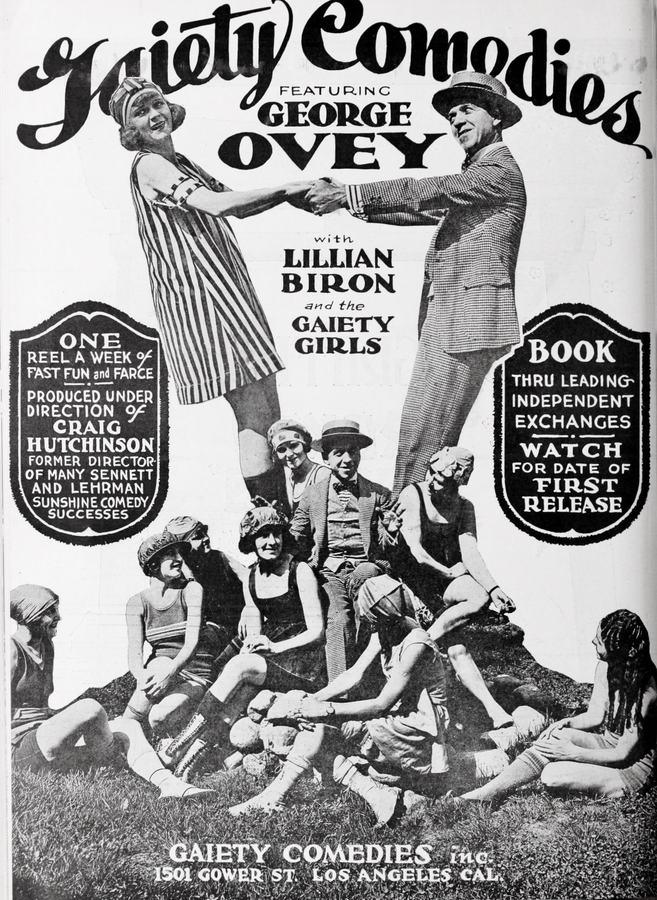
Streetlights gag on their own wattage as Silk Stockings opens, flinging us into the vertiginous no-man’s-land between last call and first light. Director Harry Depp—no relation to the pirate, though equally fond of hidden treasure—unspools a mere two reels that feel like a wire tightened around the audience’s wrist. Every shot is a dare: can marital slapstick still sting a century later? The answer is a resounding yes, because infidelity never retires; it merely changes costumes.
George Ovey’s performance is a masterclass in perspiration: beads race down his sideburns like ticker-tape, each droplet a confession he refuses to verbalize. His eyes ping-pong between hallway mirror and bedroom door, calculating vectors of escape that would make a cartographer weep. The camera, merciless, lingers on his pocket—an abyss where the silk stocking performs its own slow striptease, hem rising like theater curtain. We know the note is there; the knowledge is a pebble in our collective shoe, and every step he takes grinds it deeper.
Mid-film, the corridor erupts into cotton pyrotechnics. A half-dozen girls spill from neighboring flats, their sleepwear a movable garden—floral flannel, striped satin, lace that could slice bread. Historians will label them jazz-age sprites; I see a proto-feminist battalion, reclaiming hallway territory usually ceded to delivery boys and philanderers. Their presence reframes the marital duel into street theater, upping the stakes for George while gifting the audience a kaleidoscope of legs that Ankles Anonymous would surely censure.
Depp orchestrates the chaos with Eisensteinian glee: every door slam is a chord, every gasp a cymbal. The sequence lasts perhaps ninety seconds, yet future scholars could build dissertations on the way lingerie becomes language here. Note how Lillian Biron—George’s on-screen wife—never retreats; she owns the frame, even when dwarfed by silk-clad neighbors. Her glare could cauterize a wound.
Let us praise the true star: a sheer tube of nylon that slithers from gift to guillotine. In 1927 hosiery cost more than a day-laborer’s wage, so its appearance is both aphrodisiac and receipt. The garment carries perfume, powder, and eventually penitence; it is archive and weapon, love letter and litmus test. Watch how cinematographer Paul P. Perry lights it: a halo of magnesium glare that turns the stocking into spectral evidence, as though the marital contract itself were glowing ultraviolet.
Silk does not lie; it merely whispers other people’s truths while smelling of their gardens.
When Biron discovers the pinned note, she does not scream. Instead, she lifts the stocking like a priest elevating host, allowing gravity to stretch fabric and time. In that suspended instant, George’s swagger evaporates, leaving only the husk of a man who suddenly remembers every forgotten anniversary. The gag is primal yet surgical: a single square of paper topples an empire of alibis.
Released months before Jolson sang his way into history, Silk Stockings luxuriates in silence. Intertitles—penned by Keene Thompson—snap like bubblegum: “Home is where the heart is…under surveillance.” Each card arrives with timing so precise you can almost hear the rim-shot. Yet the absence of synchronized dialogue amplifies ambient noises inside your skull: the rasp of zipper, the pop of garter, the wet click of a husband swallowing dread.
Compare this hush to the clamor of Her Fatal Shot, where gunfire punctuates every plot pivot. Here, the weapon is fabric; the wound, psychological. The silence also underscores class tension: George’s fear is not merely cuckoldry but the potential loss of social standing in a building where neighbors share milk deliveries and grievances.
Censors of the day—those self-appointed custodians of public virtue—must have squirmed in their starched collars. Adultery, lingerie, and pajama parades? The trifecta of titillation! Yet the short slides past scrutiny because retribution lands swiftly; marriage reasserts dominion, and the stocking ends up a limp flag of truce. Moral bookkeeping balanced, wallets refunded, society preserved—at least on paper. Modern viewers will spot the ruse: the reconciliation feels as flimsy as the hosiery itself, a Band-Aid on a hairline fracture destined to spider.
Ovey’s body is a comic topography: eyebrows ascend like drawbridges, shoulders oscillate between bravado and submission. He channels Harold Lloyd’s manic innocence, yet tinges it with the sleaze of a racetrack tipster. Biron, meanwhile, wields stillness like a dagger. Observe how she occupies negative space: a tilted hip, a contemplative breath, the slow folding of arms. Her silence is more articulate than any title card. Together they generate chemistry so volatile the screen itself seems to perspire.
Supporting players—those pajama-clad revelers—appear fully formed despite scant seconds. One, a flapper with kiss-curls, communicates entire novellas of gossip through a raised eyebrow. Another, statuesque in men’s pajamas, winks at the camera, breaking the fourth wall a full decade before the Marx Brothers made it fashionable. These micro-performances enrich the tapestry, ensuring the hallway feels inhabited rather than rented.
Depp’s visual lexicon borrows from German Expressionism but filters it through American sass. Shadows skew across staircases like accusations; banisters morph into prison bars. Yet just when dread threatens to suffocate, a gag detonates—George’s trousers snag on a newel post, dangling him like a hapless scarecrow. The oscillation between claustrophobia and slapstick creates tonal whiplash, mirroring the emotional ricochet of infidelity itself.
Note the wallpaper: a repeating pattern of peacocks. Whenever George attempts deceit, we glimpse those birds—preening, eyes agog—as though the apartment itself mocks him. Production designers of The Brand of Cowardice could learn from this, trading heavy-handed symbolism for décor that whispers subtext.
At approximately twenty minutes, the film runs shorter than most modern sitcom episodes, yet packs more narrative vertebrae. Each minute shoulders exposition, escalation, and denouement without panting. The discipline is ruthless; scenes end on visual punchlines, transitions slam like cabaret curtains. Cinephiles lamenting bloat in The New Moon will find here a masterclass in compression.
Feminist readings bloom like bruises. Biron’s character navigates a world where male shenanigans are expected, female surveillance necessary. Her investigative instinct—sniffing perfume on hosiery—turns domestic space into forensic lab. Yet the film never crowns her a crusader; resolution hinges on mutual forgiveness rather than systemic overhaul. Contemporary viewers may crave more radical justice, but 1927 audiences likely exhaled in relief that social order re-knits itself, however fragile the stitch.
Compare to A Woman’s Way, where the heroine engineers financial independence. Here, economic stakes remain submerged; the battleground is emotional, the currency loyalty. Both films, though, testify to a post-suffrage cinema negotiating new gender cartographies, one cautious step at a time.
Most silent shorts of this era decomposed in vaults, victims of nitrate neglect. That Silk Stockings persists—albeit in grainy 16-mm transfers—feels miraculous. Restoration efforts by private collectors salvaged what censors, bankruptcy, and time attempted to erase. The available print sports scratches like saber scars, yet the humor slices through the fog of decay.
If you crave pristine visuals, temper expectations; if you seek historical adrenaline, dive in. The damage even amplifies authenticity: every flicker feels like a candle warning us that desire still burns, still endangers, still delights.
Fast-forward to Billy Wilder’s Seven Year Itch and you’ll spot the genetic markers: the late-night descent, the object-as-evidence, the communal intrusion into private sin. Wilder simply substituted a subway grate for a hallway, Marilyn for the pajama brigade. Likewise, Hitchcock’s Rear Window reframes the corridor spectacle into courtyard thriller, but the voyeuristic heartbeat is the same. Silk Stockings proves that brevity can germinate entire orchards of influence.
Even television sitcoms owe a bar tab: note how many episodes pivot on a stray garment, an incriminating note, a parade of nosy neighbors. From Friends to Mad Men, creators sip from the well Depp dug, whether they know it or not.
Is the film perfect? Hardly. The racial homogeneity of the cast, typical for the era, now jarrs; the quick reconciliation rings suspiciously patriarchal. Yet flaws function like scuffs on vintage marble—they attest to age, invite contemplation. What remains is a dart of celluloid that skewers male insecurity, female ingenuity, and social hypocrisy in one swift thrust.
Watch it at midnight, preferably with bourbon and a willing skeptic. Let the organ of your imagination supply syncopation. When the stocking finally flutters like surrender atop that balcony, ask yourself: how many modern marriages still dangle from equally fragile threads? Silk Stockings endures because human folly does; the film simply had the audacity to film the foreplay.
IMDb 5.5
1928
Community
Log in to comment.