DbcultAccessing Vault...
6.8/10
Senior Film Conservator
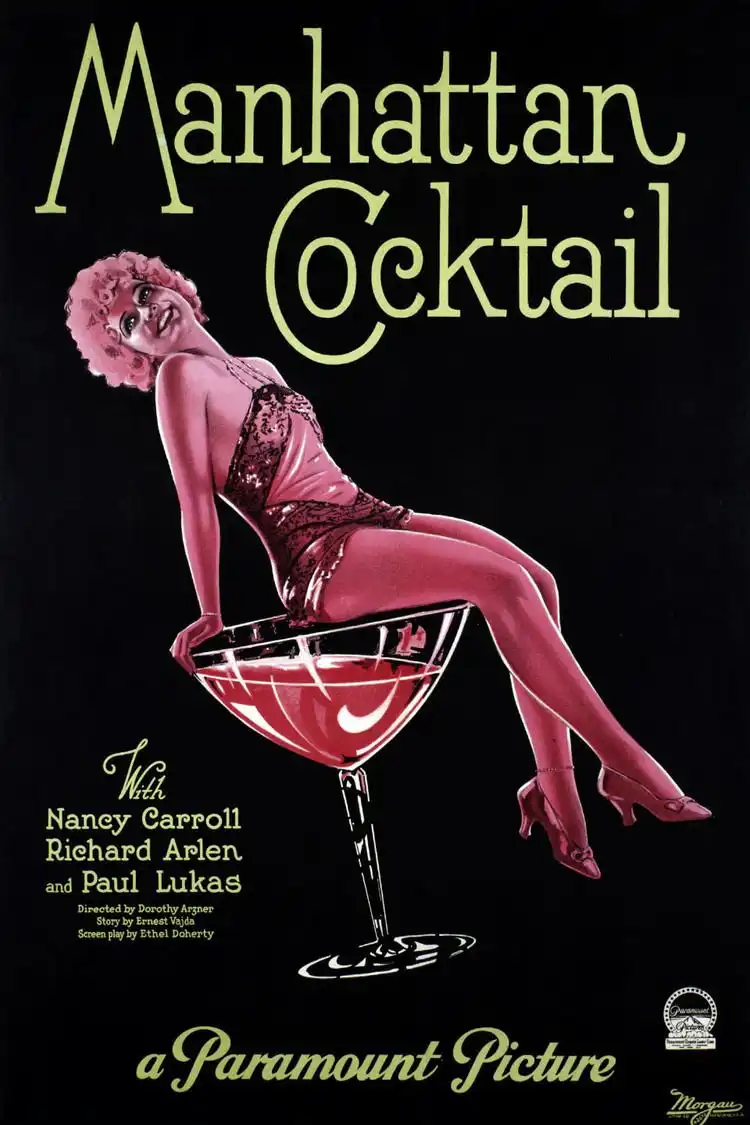
A definitive 6.8/10 rating for a film that redefined the boundaries of cult cinema. Manhattan Cocktail remains a cornerstone of transgressive art.
If you are looking for a breezy, romanticized version of the Roaring Twenties, Manhattan Cocktail will probably leave a bitter taste in your mouth. This 1928 Paramount production is worth watching today primarily for two reasons: its incredible visual experimentation and its surprisingly modern cynicism regarding the entertainment industry. It is a film for those who appreciate the transition from silent to sound cinema and those who want to see the 'casting couch' trope handled with 1920s bluntness rather than 1950s euphemism. If you prefer your vintage cinema to be strictly wholesome, you will likely find the predatory behavior of its central villains off-putting.
The most striking element of the film, and the one that justifies its existence nearly a century later, is the "Skyscraper Blues" montage sequence created by Slavko Vorkapić. While many films of this era treat New York as a static backdrop, this sequence turns the city into a living, breathing, and somewhat terrifying organism. The camera angles are dizzying—tilting up at looming towers until they seem to be falling on the viewer. The editing rhythm is frantic, mimicking the heartbeat of someone who has just stepped off a train from the Midwest and realized they are vastly outmatched by their surroundings.
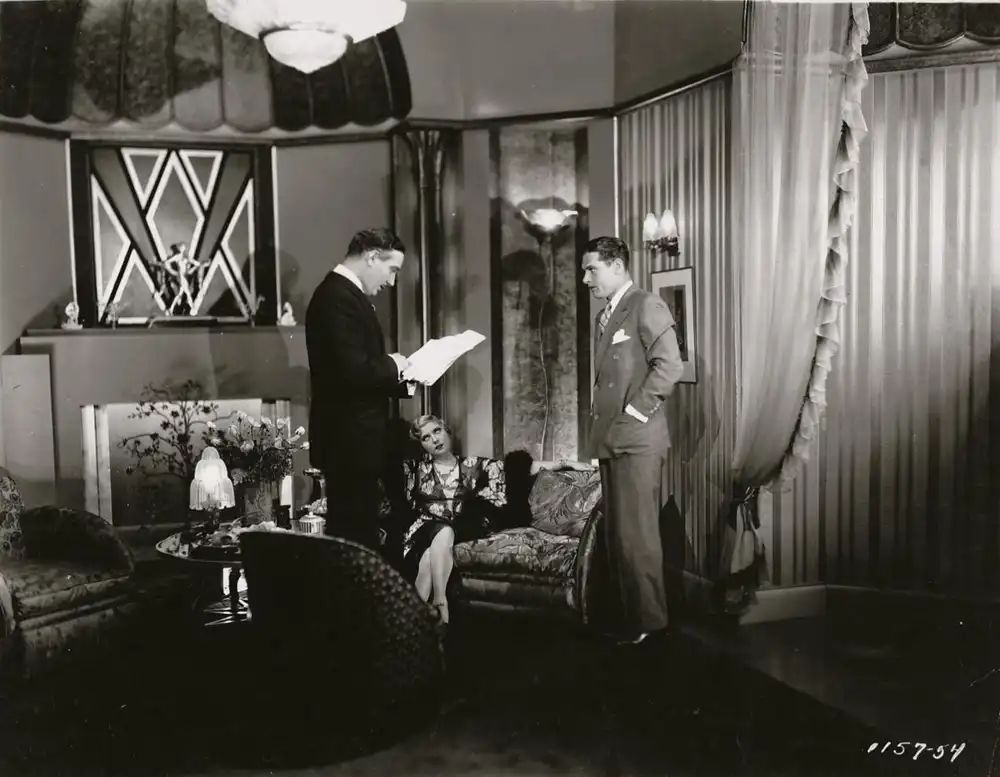
You can see the influence of European expressionism here. The way the shadows of the elevated trains cut across the faces of the characters isn't just a lighting choice; it feels like the city is physically marking them. There is a specific shot where the lights of Broadway blur into a kaleidoscope that perfectly captures the sensory overload Babs and Bob feel. It’s a high-water mark for late silent-era cinematography that makes the standard dialogue scenes feel a bit pedestrian by comparison.
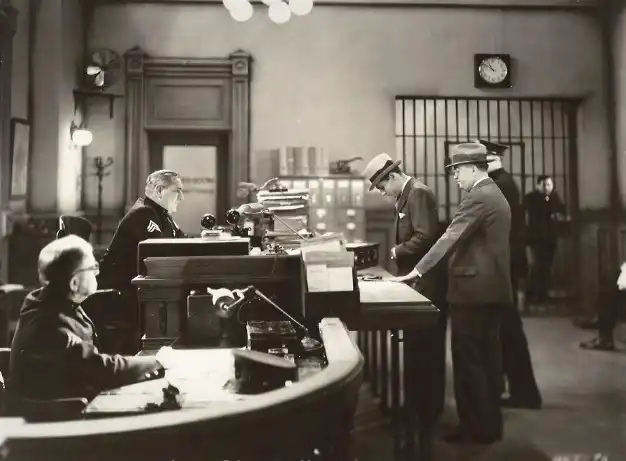
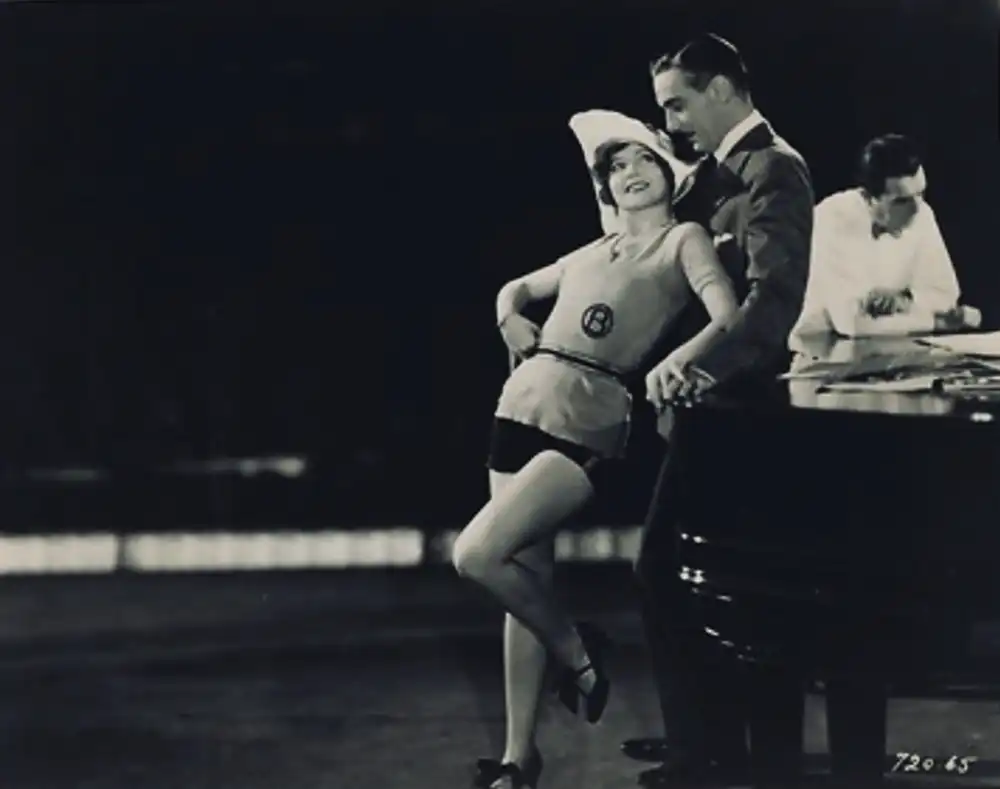
Nancy Carroll, as Babs, is the film's grounding force. She has a naturalism that was rare in 1928. While many of her contemporaries were still leaning into the exaggerated gestures of the early silent era, Carroll plays Babs with a mix of genuine ambition and growing dread. You can see the shift in her posture from the early scenes at the college—where she moves with a light, bouncy energy—to the later scenes in Renov’s office, where she seems to be trying to make herself as small as possible. It’s a subtle, effective performance that keeps the melodrama from feeling too theatrical.
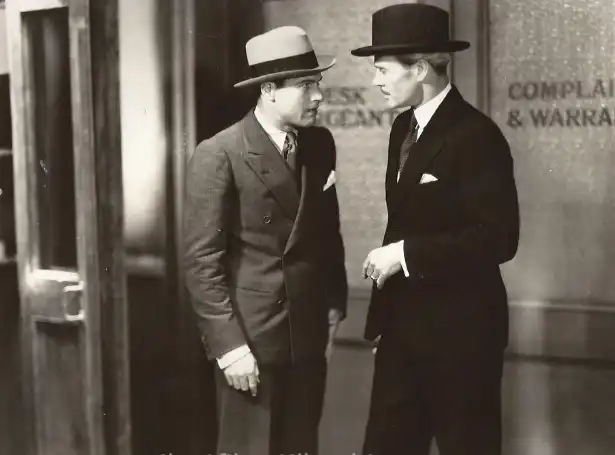
On the flip side, Paul Lukas as Renov is wonderfully oily. He doesn't play the villain with a mustache-twirling glee; instead, he gives Renov a sense of entitlement that feels dangerously real. The way he looks at Babs isn't just 'evil'—it’s the look of a man who views people as props for his next production. His chemistry with his onscreen wife, played with a sharp, brittle edge by Lilyan Tashman, is one of the film's highlights. They aren't a couple; they are two predators who have reached an uneasy truce, and their scenes together have a poisonous wit that stands out from the more earnest moments of the film.
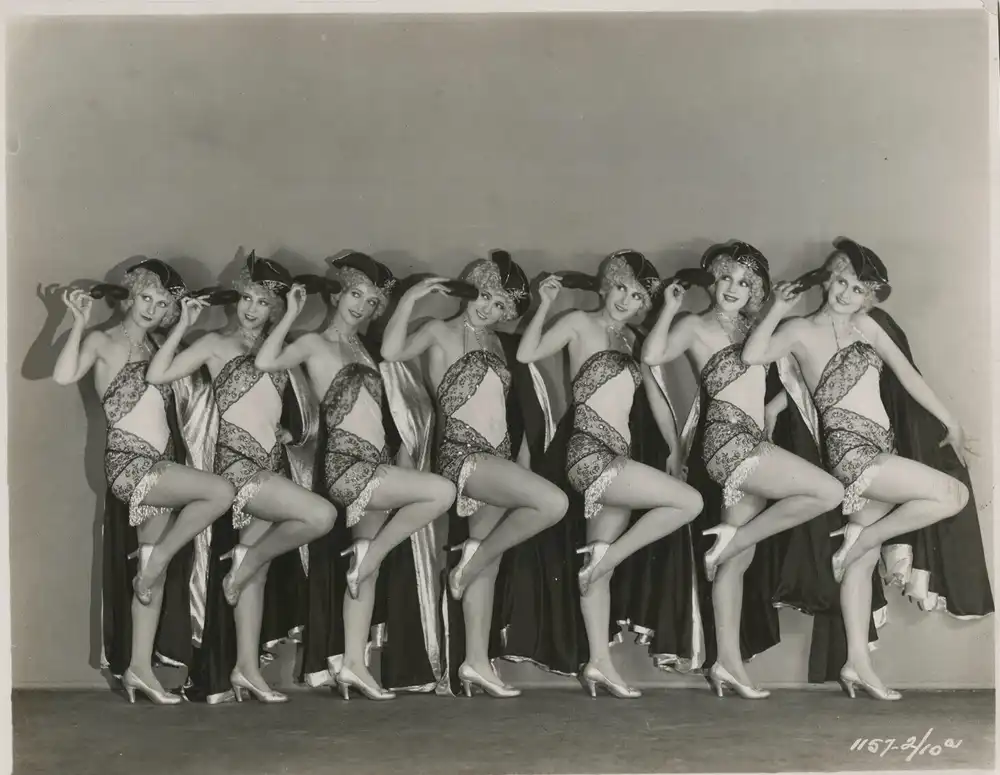
The plot itself follows the familiar 'bright lights, big city' trajectory, but it takes a darker turn than many films like The Snob or Wealth. The inclusion of the forgery subplot and the 'iron bar' climax feels a bit like the writers were trying to pack a three-act play into a tight runtime, leading to some pacing issues in the final third. The transition from the theatrical rehearsals to the criminal framing of Fred happens so quickly it almost gives the viewer whiplash.
However, the film’s willingness to let its characters fail is refreshing. Bob’s fate is particularly grim for a film of this era. His death isn't a heroic sacrifice; it’s a clumsy, desperate accident born out of a situation he was never equipped to handle. The fall from the building is staged with a lack of sentimentality that is genuinely shocking. There is no long goodbye, just a sudden, violent end to a young man’s dreams.
As a film released during the industry’s awkward transition to sound, Manhattan Cocktail suffers from some tonal inconsistencies. There are moments where the silence is interrupted by sound effects or musical numbers that don't always sync perfectly with the emotional weight of the scene. The dialogue-heavy moments, though sparse, sometimes feel stiffly blocked, as if the actors were terrified of moving too far from a hidden microphone. This is a common issue in 1928, but it’s noticeable here because the silent montage sequences are so fluid and dynamic. It’s a film caught between two worlds, and while that makes it a fascinating historical artifact, it does occasionally pull you out of the story.
The final resolution—Babs returning to the small town to be with Fred—is often framed in these films as a 'happy ending.' Here, it feels more like a surrender. After the chaos of New York, the quiet life of a professor’s wife seems less like a dream realized and more like a recovery ward. The film doesn't try to pretend that Babs has 'won'; it simply shows that she has survived. The final shots of the college town are filmed with a flat, almost dull lighting that contrasts sharply with the high-contrast vibrancy of the city scenes. It’s an honest, if somewhat deflating, conclusion.
"New York is a great place to be a star, but a terrible place to be a human being."
Manhattan Cocktail is a film that deserves to be remembered for more than just its lost status or its famous montage. It is a gritty, visually inventive look at the cost of ambition. While the pacing in the middle drags as the various romantic entanglements get knotted up, the strength of Nancy Carroll’s performance and the sheer audacity of the skyscraper sequences make it a must-watch for fans of 1920s cinema. It isn't a masterpiece of storytelling, but as a visual experience, it’s as potent as the drink it’s named after. Just don't expect it to go down easy.
IMDb —
1922
Community
Log in to comment.