DbcultAccessing Vault...
5.4/10
Senior Film Conservator
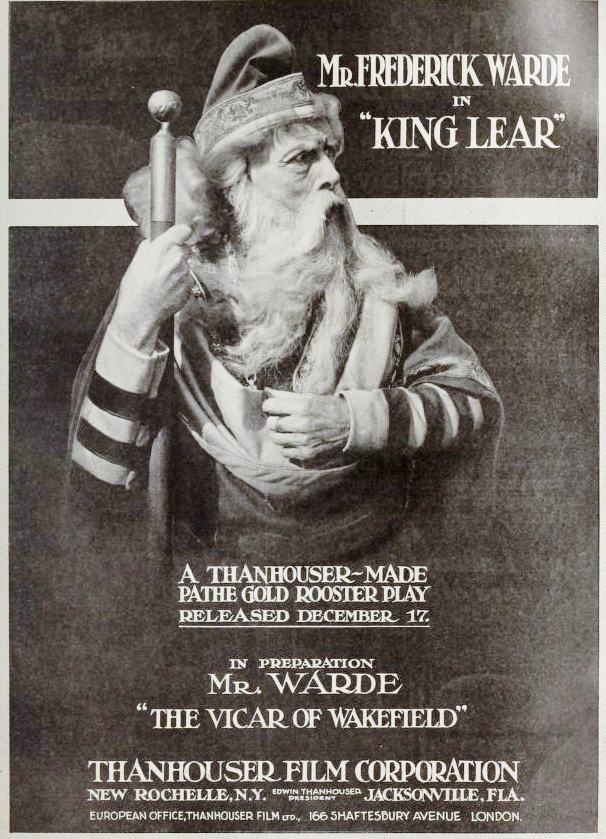
A definitive 5.4/10 rating for a film that redefined the boundaries of cult cinema. King Lear remains a cornerstone of transgressive art.
The 1916 adaptation of King Lear stands as a monolith of early cinematic ambition, a moment where the burgeoning medium of film dared to wrestle with the most complex psychological tapestry of the Western canon. Directed with a surprising sensitivity to the spatial dynamics of tragedy, this silent era relic transcends its technical limitations to offer a haunting meditation on the fragility of the human condition. At its center is Frederick Warde, a titan of the stage whose transition to the screen brings a declamatory power that, while rooted in the 19th-century tradition, finds a new, unsettling intimacy in the close-up.
The film opens not with a whimper, but with a grand, misguided flourish. Lear’s decision to bifurcate his kingdom is presented as a ritual of self-congratulation. The set design, though rudimentary by modern standards, evokes a sense of ancient, crumbling permanence—a fitting metaphor for Lear’s own state of mind. Unlike the more grounded social hierarchies seen in Caste, Lear’s world is one of mythic proportions where a single ego dictates the fate of thousands.
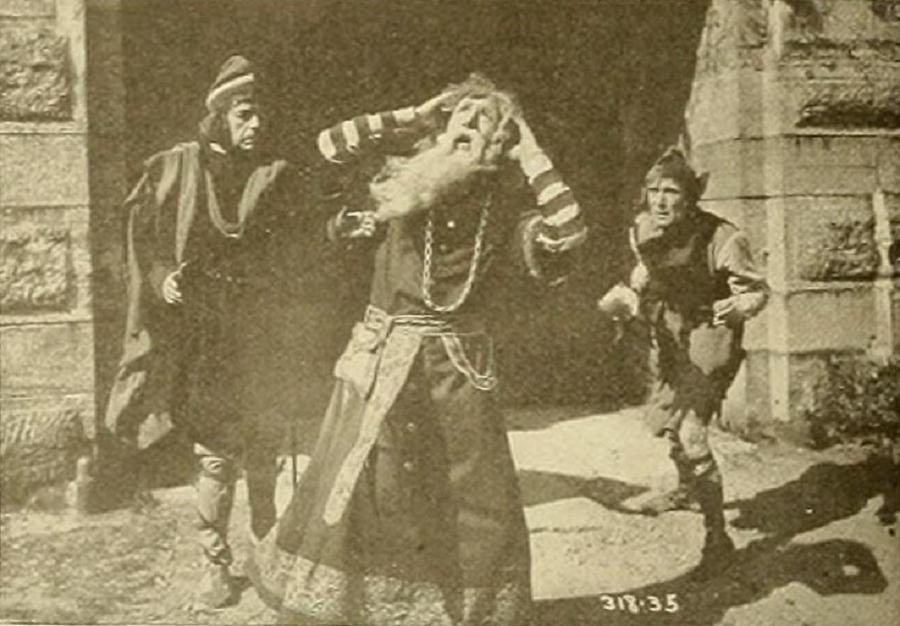
Warde’s Lear is a man intoxicated by the incense of his own legend. When he demands his daughters’ declarations of love, the camera captures the predatory stillness of Goneril and Regan. They are not merely daughters; they are opportunists who understand that in Lear’s court, language is a tool of manipulation rather than a vessel for truth. This thematic preoccupation with the deceptive nature of appearances mirrors the narrative tension in The Spider and the Fly, where the web of deceit is spun with meticulous, cold-blooded intent.
Lorraine Huling’s Cordelia serves as the film’s moral compass, yet her refusal to participate in the linguistic pageant leads to her immediate erasure from the king’s favor. The film brilliantly emphasizes the isolation of the honest soul in a world built on artifice. Cordelia’s banishment is a moment of profound cinematic silence—a literalization of her refusal to speak the 'nothing' that Lear demands. This clash between internal integrity and external pressure is a recurring motif in silent dramas, often explored through the lens of social standing, much like the class-conscious struggles depicted in The Way of the World.
As the narrative shifts from the court to the wilderness, the visual language of the film becomes increasingly expressionistic. The storm on the heath is not just a meteorological event; it is the physical manifestation of Lear’s neurological collapse. The use of double exposures and primitive special effects creates a phantasmagoric landscape that anticipates the psychological depth of later masterpieces like The Labyrinth. Here, the white-bearded Warde becomes a symbol of the 'unaccommodated man,' a bare, forked animal stripped of his robes and his reason.
The cruelty of Goneril and Regan, played with chilling calculation by the supporting cast, provides a stark contrast to the king’s vulnerability. Their treatment of their father is a masterclass in the banality of evil. The film does not shy away from the physical and emotional violence of their betrayal, echoing the dark familial undercurrents found in Hoodman Blind, where the eyes are often the first victims of a clouded judgment.
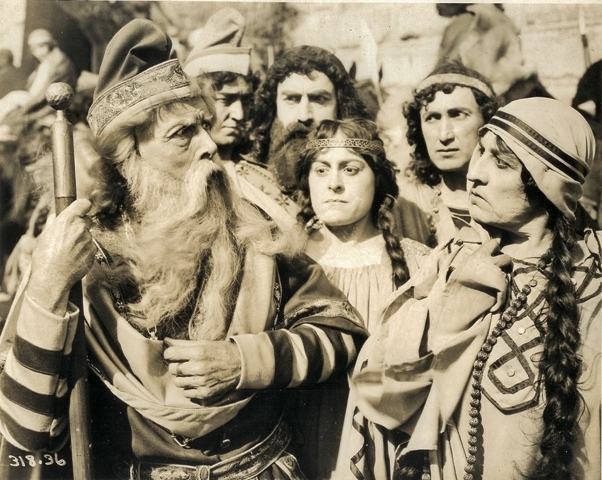
One cannot discuss this 1916 version without acknowledging the technical prowess of the Thanhouser Film Corporation. The framing of the outdoor scenes provides a sense of scale that theatrical productions of the era often lacked. The rugged terrain acts as a secondary character, emphasizing the insignificance of man against the backdrop of nature. This focus on the environment as a witness to human suffering is a technique also employed to great effect in Germinal; or, The Toll of Labor, where the landscape itself seems to groan under the weight of injustice.
The acting style, while broad, is necessary for the medium. Without the benefit of Shakespeare’s iambic pentameter, the actors must rely on the choreography of the body. Warde’s gestures are expansive, yet there are moments of startling stillness—eyes wide with the realization of his own folly—that communicate more than a thousand lines of dialogue ever could. This emotive physicality is a hallmark of the era’s best work, comparable to the raw intensity of Assunta Spina.
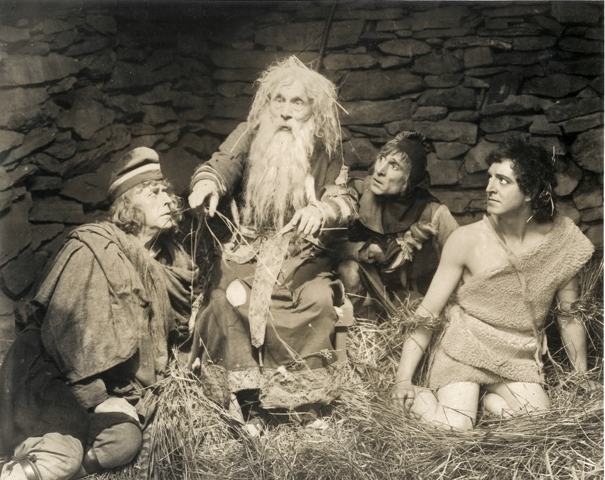
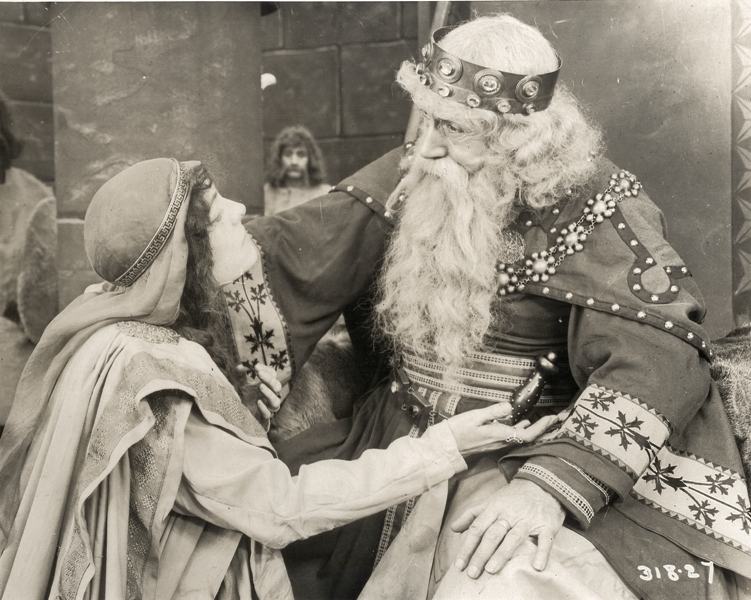
The final act of King Lear is a relentless sequence of loss and brief, agonizing recognition. The reunion of Lear and Cordelia is handled with a delicate pathos that avoids the saccharine traps of contemporary melodramas like The Little Mademoiselle. Instead, the film leans into the inevitability of the catastrophe. The sight of Lear carrying the lifeless Cordelia is one of the most enduring images in cinema history, a secular Pietà that encapsulates the ultimate price of pride.
This adaptation also touches upon the themes of inheritance and the corrupting influence of wealth, a topic that remains evergreen in cinema, from the early explorations in Other People's Money to the modern corporate thriller. Lear’s kingdom was not just land; it was a legacy that he dismantled with his own hands, proving that the most dangerous enemies are often those we harbor within our own hearts.
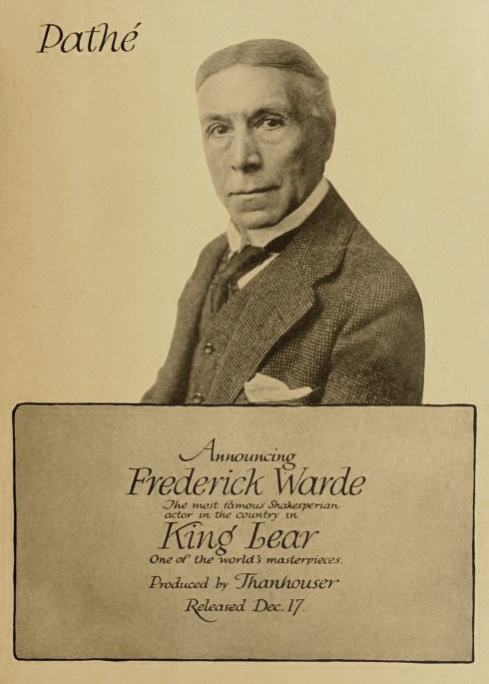
Released during a time of global upheaval, the 1916 King Lear resonated with an audience that was witnessing the collapse of old-world empires in real-time. The film serves as a bridge between the classical past and a modern, more cynical future. It avoids the simplistic moralizing found in films like The Miner's Curse, opting instead for a nuanced exploration of the gray areas of the human soul. Even when compared to the whimsical or folkloric elements of Fanchon, the Cricket or the aristocratic dramas of Fürst Seppl, Lear remains a singular achievement in its commitment to unvarnished tragedy.
In the pantheon of Shakespearean cinema, this version of King Lear deserves a place of honor. It is a testament to the power of visual storytelling and a reminder that even without the spoken word, the themes of betrayal, madness, and redemption can reach across the decades to touch the modern viewer. It is a film that demands to be seen, not just as a historical curiosity, but as a living, breathing piece of art that continues to challenge our understanding of what it means to be human in a world that often feels as cold and indifferent as the storm-swept heath.
Reviewer's Note: For those interested in the darker side of human nature and the mechanics of the 'frame-up' within social hierarchies, I highly recommend a double feature with The Frame-Up and the scathing social critique of Slander.
IMDb 7.9
1925
Community
Log in to comment.