DbcultAccessing Vault...
Cult Review
Senior Film Conservator
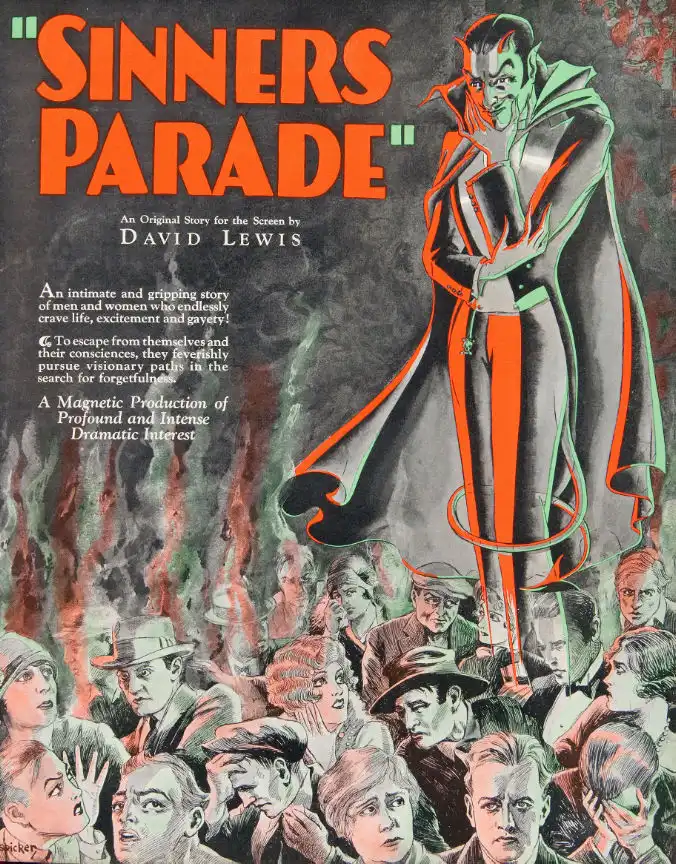
Alright, so we're talking about Sinner's Parade from way back in 1928. Is it worth tracking down today? Well, if you’ve got a soft spot for silent films, absolutely. It’s a pretty solid, sometimes a little *too* dramatic, look at life on the edge during that era. But if you’re someone who needs sound, fast cuts, or subtle performances, this one might feel like a bit of a slog. It's a specific kind of old school melodrama that silent film buffs will appreciate, but others? Probably give it a miss. 🤷♀️
The whole thing kicks off with Ann, played by Edna Marion. She’s this young woman, fresh-faced and a bit naive, who gets tangled up in the vaudeville world. You see her trying to make a name for herself, but it’s clear pretty fast that this isn’t some glamorous dream; it’s a grind, and there are some really shady characters lurking.
And speaking of shady characters, Victor Varconi as Mike, the villain, is just... *chef's kiss* for a silent film. He’s got that classic sneer, the way he gestures with his hands like he’s always plotting something. You just *know* he's trouble from his very first scene, lurking in the background with this predatory gaze. The camera really likes to hold on his expressions, making sure you get the full scope of his evil intentions. It’s not subtle, not at all, but it totally works for the time.
There’s a moment, early on, where Ann is backstage, and the chaos of the dancers and stagehands just swirls around her. She looks so small, so out of place, even as she tries to project confidence. It really hammers home how easily someone could get swallowed up in that scene. The lighting in these backstage bits is often a bit moody, which helps.
The pacing, for the most part, keeps things moving along, though there are a few stretches where you kinda wish they’d get to the point. One scene with Ann trying to argue with Mike just *drags* on, with both of them doing a lot of arm waving and intense staring. You can practically hear the dramatic organ music swelling even when you're watching it on mute.
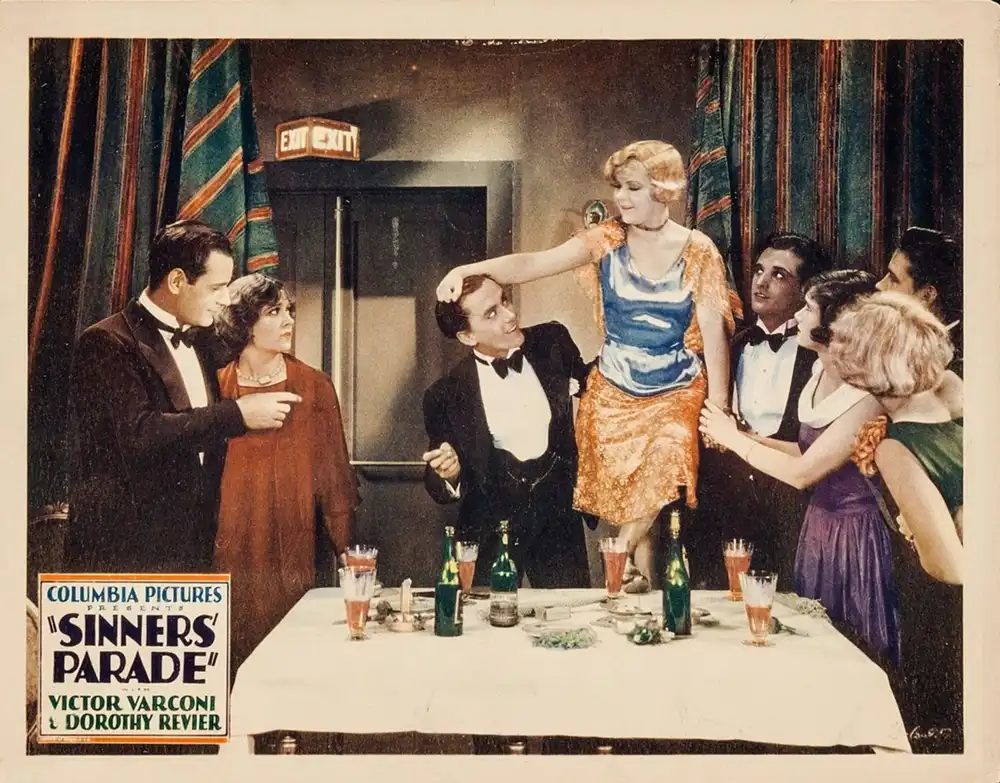
John Patrick plays a detective who gets involved, and he's got a much more restrained style compared to Varconi. He’s the quiet, watchful type. It’s a nice contrast, actually, balancing out some of the bigger, more theatrical performances. His character feels like the steady anchor in all the melodrama.
What struck me, watching it, was how much they relied on those big, sweeping emotional cues. A hand pressed to the forehead, a dramatic turn away, eyes wide with fear or hope. It’s a masterclass in non-verbal storytelling, even if it feels a little over-the-top by today's standards. You just *get* what everyone’s feeling, no sound needed. 😔
The film doesn't shy away from showing the darker side of things, like the risks Ann takes just to survive. There’s a scene where she’s almost trapped, and the tension builds quite effectively, even with the slightly jerky cuts you sometimes get in films this old. You root for her, you really do.
And the ending? Well, it’s a silent film from the 20s. You can probably guess if things wrap up neatly or not. Let’s just say it delivers on the promise of a resolution, perhaps a *too* neat one, but it feels earned for Ann's character arc. After all the drama, a little bit of peace isn't so bad.
Overall, Sinner's Parade is a pretty decent ride for anyone interested in early cinema. It’s got its rough edges, sure, and some of the acting might make you chuckle now and then, but it’s got heart. And Edna Marion really carries the film with her expressive face. It makes you think about all those forgotten stories from the silent era, waiting to be rediscovered. Definitely a good one to watch if you're exploring the genre and want something a little different than the usual suspects.
IMDb 5.6
1935
Community
Log in to comment.