DbcultAccessing Vault...
Cult Review
Senior Film Conservator
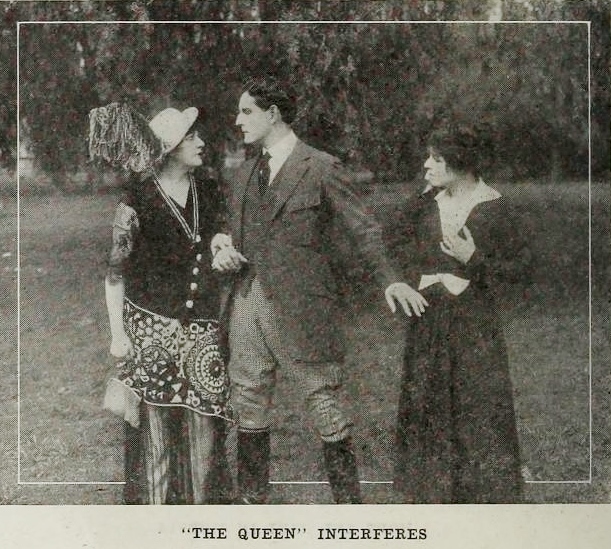
The year 1915 stands as a watershed moment in the evolution of the moving image, a period where the primitive flickers of the nickelodeon era began to coalesce into the sophisticated visual grammar of the feature film. Within this transformative milieu, The Commanding Officer emerges not merely as a relic of a bygone age, but as a surprisingly nuanced interrogation of class, military hierarchy, and the burgeoning power of the photographic medium as a tool of social destruction. Directed with a keen eye for spatial dynamics and psychological weight, this film serves as a bridge between the Victorian morality plays of the late 19th century and the cynical realism that would eventually define American cinema.
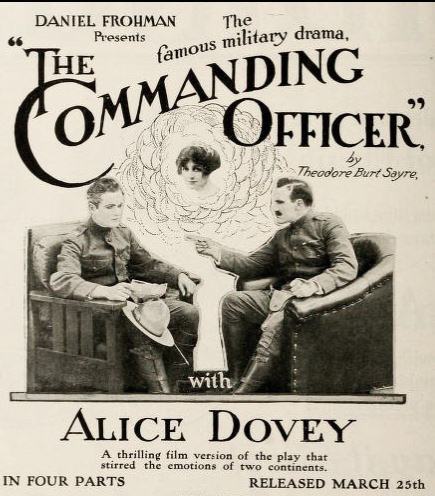
At the heart of the narrative engine lies the character of Captain Waring, portrayed with a frantic, nervous energy by Jack Pickford. Waring is a man caught between the rigid expectations of his uniform and the crushing reality of personal insolvency. When he approaches Colonel Archer (the formidable Donald Crisp) for a loan, we witness a clash of ideologies. Archer represents the old guard—a man for whom financial rectitude is inseparable from moral character. His refusal is not an act of cruelty, but a manifestation of a code that views debt as a stain on the regiment. This rejection, however, catalyzes the film's descent into darker territory, forcing Waring into the orbit of Brent Lindsay.
The dynamic between the military outpost and the mining town is a masterclass in thematic contrast. While the fort is defined by straight lines, uniforms, and the quiet dignity of Archer’s domestic life, the mining town is a cacophony of mud, shadows, and the flickering lights of the dance hall. It is in this lawless space that Waring signs away his soul for a promissory note. The film suggests that the rigid discipline of the military is a fragile shield against the raw, mercantile hunger of the frontier. This thematic exploration of institutional versus individual morality is a precursor to works like The Dishonored Medal, which also grapples with the weight of the uniform in the face of personal failure.
Alice Dovey’s portrayal of Floyd Bingham provides the emotional anchor for the film's sprawling plot. Unlike many silent film heroines who are relegated to the role of passive prizes, Floyd is depicted as a woman navigating a complex web of social obligations and personal desires. Her decision to marry Colonel Archer is framed not as a romantic surrender, but as a pragmatic embrace of stability and family. Her love for Archer’s orphaned wards adds a layer of maternal pathos that complicates the later accusations of infidelity. This domestic bliss is portrayed through soft lighting and intimate framing, creating a sanctuary that the outside world—specifically Brent Lindsay—seeks to violate.
The arrival of Lindsay as a suitor for Floyd introduces a predatory element to the narrative. Marshall Neilan plays Lindsay with a slick, overconfident charm that contrasts sharply with Crisp’s rugged austerity. Lindsay is a man who believes that everything, including affection and silence, can be purchased. His persistence in courting Floyd after her marriage is not merely a romantic pursuit but an assault on the sanctity of the military family unit. This intrusion of external vice into the domestic sphere mirrors the moral conflicts found in The Golden West, where the civilizing influence of the home is constantly threatened by the untamed impulses of the frontier.
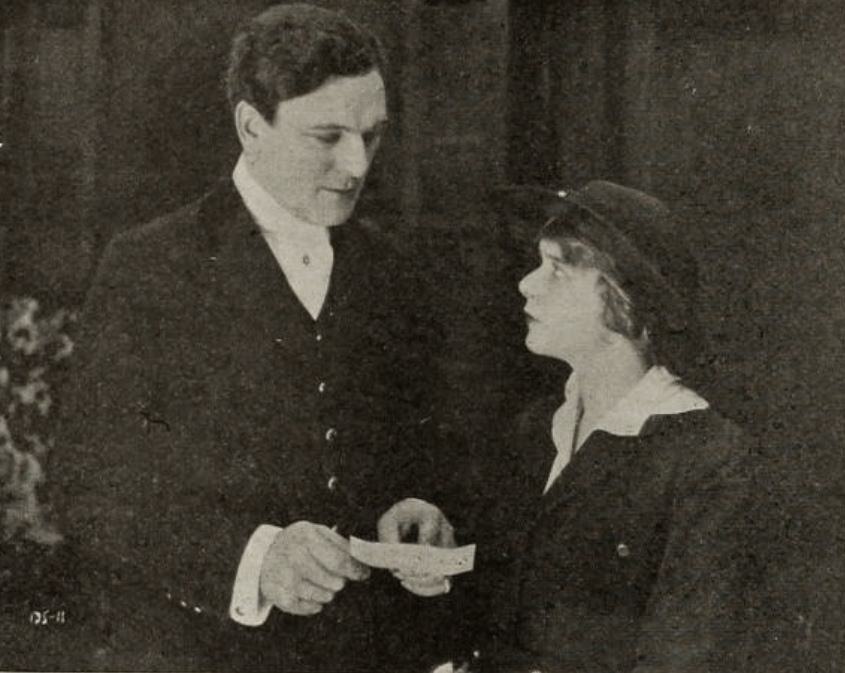
One of the most technically and narratively intriguing aspects of The Commanding Officer is its use of a photograph as the primary driver of the second act. When Waring captures a clandestine moment between Floyd and Lindsay on film, the movie shifts from a melodrama into a suspense thriller. This use of photography—a relatively new technology at the time—as a tool for blackmail is a prescient nod to the voyeuristic nature of cinema itself. The image, frozen and stripped of context, becomes a lethal weapon that Waring attempts to use to regain his financial standing.
The blackmail sequence is staged with a tension that feels remarkably modern. The way the physical photograph moves between characters, serving as a silent witness to their hidden shames, creates a palpable sense of dread. It forces the audience to confront the disparity between appearance and reality—a theme that resonated deeply in 1915, as the world moved toward the disillusionment of the Great War. This interrogation of public versus private self is a hallmark of the era’s more sophisticated offerings, such as the allegorical Hypocrites, which similarly sought to strip away the veneers of social respectability.
The film’s climax is a visceral exploration of mob mentality. When Lindsay is found dead and Archer is arrested on suspicion of the crime, the simmering tensions between the mining town and the military post boil over. The sequence where the townsmen attempt to lynch Archer is filmed with a kinetic, chaotic energy that emphasizes the fragility of the legal system. The mob represents the antithesis of Archer’s disciplined world; they are driven by impulse, rumor, and a deep-seated resentment of authority.
The visual language here shifts dramatically. The use of low-angle shots and harsh, high-contrast lighting transforms the mining town into a nightmare landscape of shadows and clutching hands. This portrayal of the lynch mob serves as a sobering reminder of the era's social anxieties regarding law and order in the American West. It draws a sharp comparison to the vengeful narratives found in The Flames of Justice, where the line between retribution and murder is perilously thin. Archer, the man who lives by the book, is nearly destroyed by a populace that has never learned to read it.
Perhaps the most compelling character in the entire production is Queen, the dance hall girl. Played with a weary, soulful dignity, Queen represents the moral conscience of the film’s underworld. While the "respectable" characters are blinded by jealousy, debt, and pride, Queen is the only one who possesses the clarity of vision necessary to prevent a miscarriage of justice. Her decision to testify and clear Archer’s name is a powerful moment of redemption, suggesting that truth is often found in the places society chooses to ignore.
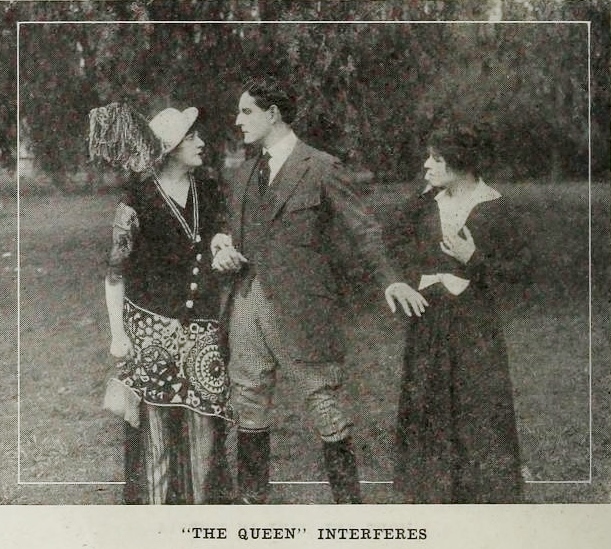
Queen’s arc is a subversion of the "fallen woman" trope so common in early cinema. Instead of being a cautionary tale, she becomes the hero of the narrative, her testimony serving as the ultimate arbiter of truth. This elevation of a marginalized figure is a sophisticated narrative choice that places The Commanding Officer alongside works like The Lure of Millions, which also examines the moral weight of those living on the fringes of society. Queen’s presence ensures that the film is more than just a military procedural; it is a human drama about the capacity for grace in a world of greed.
Theodore Burt’s writing, combined with the era’s burgeoning understanding of filmic rhythm, creates a narrative pace that rarely flags. The cross-cutting between the quietude of the Archer household and the escalating violence in the town is handled with a deftness that suggests a deep understanding of cinematic suspense. The performances are notably restrained for 1915, avoiding the histrionic gesticulations that often mar silent films of this vintage. Donald Crisp, in particular, delivers a performance of remarkable subtlety, using his physicality to convey the internal struggle of a man who feels his honor slipping through his fingers.
In comparison to international contemporary works like Vendetta or the operatic grandeur of Dante's Inferno, The Commanding Officer feels grounded and visceral. It lacks the mythological scale of European epics but replaces it with a gritty, American realism that would eventually become the hallmark of the Hollywood studio system. The film’s focus on the intersection of personal failure and public duty remains relevant, echoing the themes found in The Eternal Law.
As we look back at The Commanding Officer from a distance of over a century, its themes of blackmail, the corrupting influence of money, and the search for truth in a post-truth world feel shockingly contemporary. It is a film that demands to be viewed not as a historical curiosity, but as a vital piece of cinematic storytelling. The interplay between the military post and the mining town serves as a perfect microcosm for the broader American experience—a constant negotiation between the desire for order and the impulse toward chaos.
While many films from this era have faded into obscurity or exist only as fragmented memories, The Commanding Officer retains a narrative potency that is truly commendable. It is a testament to the power of a well-told story and the enduring appeal of characters who must navigate the treacherous waters of moral ambiguity. Whether you are a scholar of silent cinema or a casual viewer looking for a gripping drama, this film offers a wealth of insight into the human condition. It stands as a proud peer to the likes of On the Steps of the Throne and The Royal Imposter, proving that even in the infancy of the medium, filmmakers were capable of exploring the deepest recesses of the human soul.
In the final analysis, the film is a triumph of early American storytelling. It manages to balance a complex plot with genuine emotional stakes, all while pushing the boundaries of what the camera could achieve. The redemption of Colonel Archer through the testimony of Queen is a moment of cinematic catharsis that still resonates today, reminding us that justice is not always served by the powerful, but by those with the courage to speak the truth when it matters most.
IMDb 6
1918
Community
Log in to comment.