DbcultAccessing Vault...
6.5/10
Senior Film Conservator
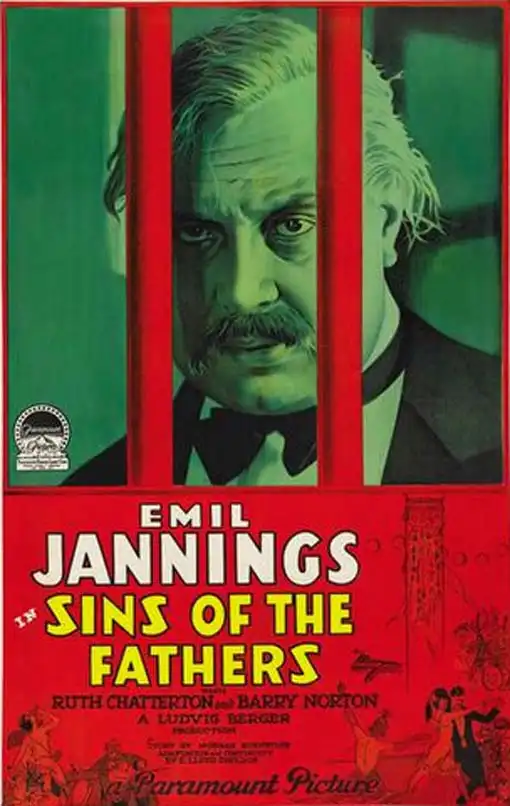
A definitive 6.5/10 rating for a film that redefined the boundaries of cult cinema. Sins of the Fathers remains a cornerstone of transgressive art.
For those with a deep interest in late silent-era cinema, particularly the expressive work of Emil Jannings, 'Sins of the Fathers' offers enough intriguing moments to warrant a watch. It’s a fascinating glimpse into the moral anxieties of the Prohibition era, filtered through the lens of early Hollywood melodrama. However, casual viewers seeking a tightly plotted, fast-paced drama might find its rhythm sluggish and its moralizing heavy-handed. This is a film that demands patience, rewarding a specific kind of cinephile more than a broad contemporary audience.
The film centers on Wilhelm Spengler (Emil Jannings), a content, respectable German-American restaurant owner. His life, filled with domestic bliss alongside his wife (Zasu Pitts) and child, takes a dramatic turn when he’s seduced by the promise of quick money and the charms of Mary Spengler (Jean Arthur), a young woman who draws him into the lucrative but dangerous world of bootlegging. What begins as a seemingly easy path to wealth quickly spirals into betrayal, theft, and the inevitable collapse of his carefully constructed life.
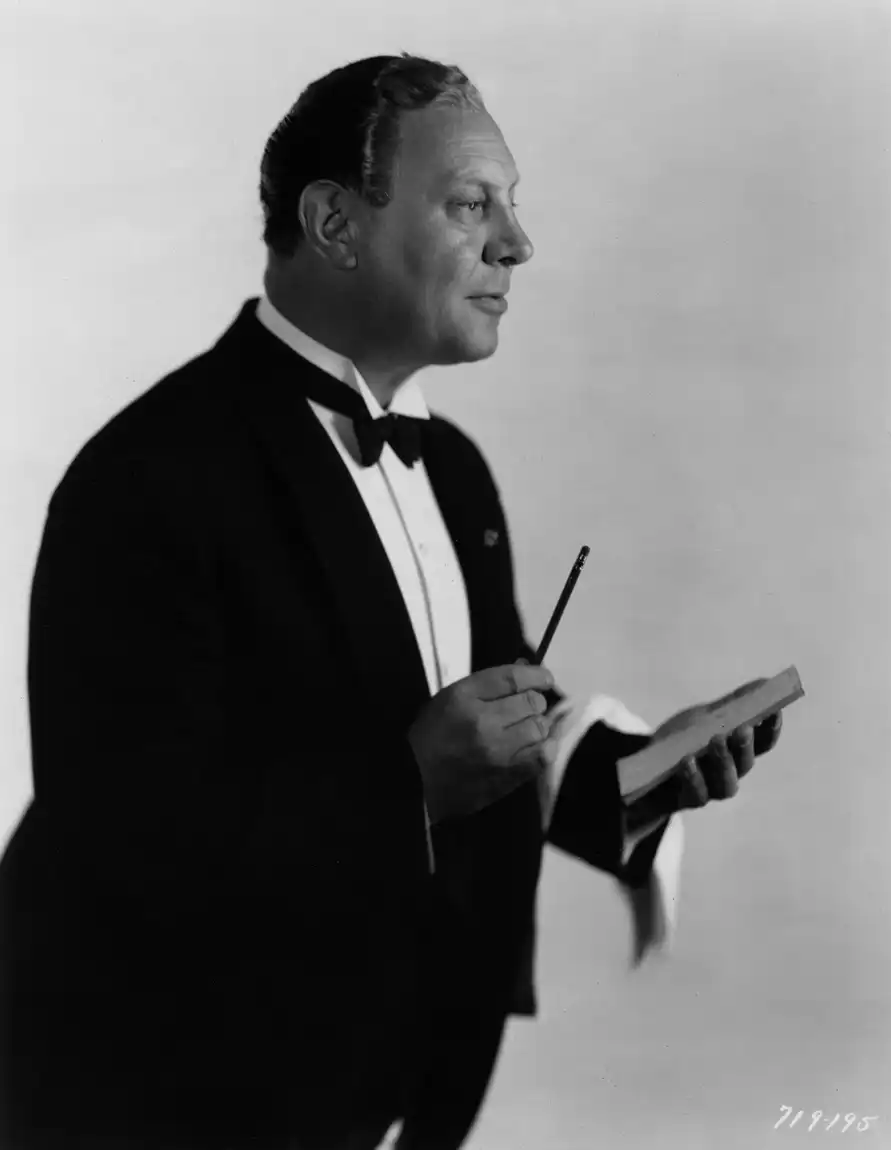
Emil Jannings, as Wilhelm, is undoubtedly the gravitational center of 'Sins of the Fathers.' His performance is a masterclass in silent-era physical acting, brimming with his signature intensity. We see his transformation from a jovial, slightly portly family man, almost childlike in his initial awe of the bootlegging profits, to a desperate, haunted figure. Watch the scene where he first confronts the empty safe after Mary's betrayal; the flicker of disbelief, then dawning horror, is classic Jannings – a visceral portrayal of ruin without a single spoken word. His internal conflict, particularly as he tries to maintain his façade of respectability while his world crumbles, is palpable.
Jean Arthur, in one of her earlier screen roles, plays the alluring Mary. She certainly possesses a magnetic screen presence, hinting at the star she would become, but her character often feels more like a plot device than a fully fleshed individual. Her expressions sometimes lean towards the melodramatic, a common trait of the era, though she brings a necessary spark to scenes that might otherwise feel too somber. Her portrayal of cunning and opportunism is effective, even if the character’s motivations sometimes feel thinly sketched.
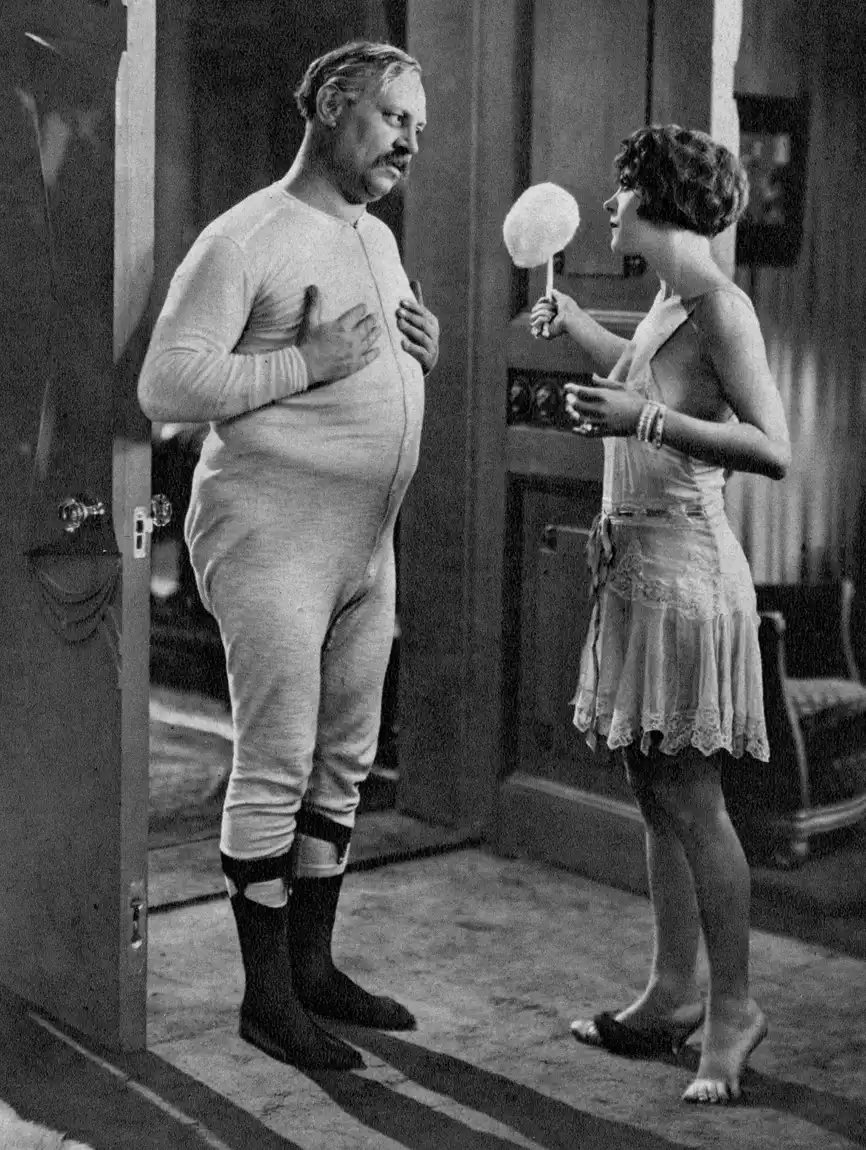
Zasu Pitts, known for her unique comedic timing, delivers a surprisingly nuanced and dramatic performance as Wilhelm's wife. Her initial naivete, followed by the slow, heartbreaking realization of her husband's betrayal and the subsequent impact on their son, is handled with a delicate touch that avoids caricature. The moment she finds the empty liquor bottles hidden in the cellar, her face a mask of dawning, crushing understanding, is particularly effective. It’s a quiet, dignified performance that grounds the film's more exaggerated moments.
A fascinating, understated element comes from the supporting cast in the restaurant kitchen, particularly 'Speed' Webb. They often function as an almost Greek chorus, reacting to Wilhelm's changing fortunes with subtle glances, whispers, and knowing nods. It’s a small detail, but it grounds the story in the working-class reality of the establishment, making the protagonist's fall feel more public and observed, adding a layer of communal judgment that elevates the personal drama.
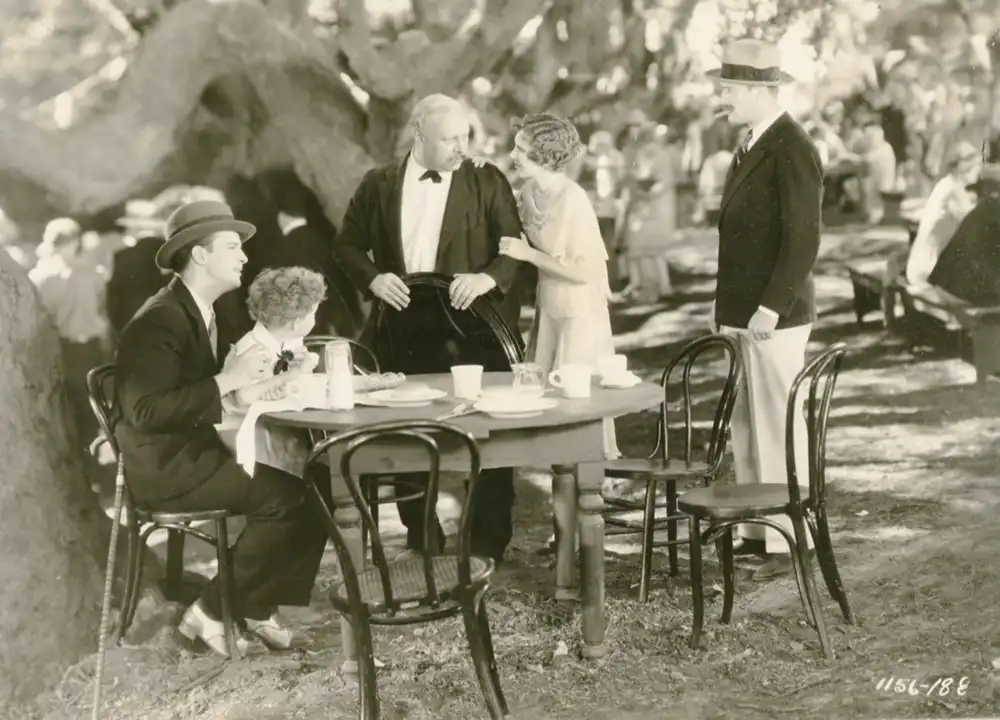
The film's pacing is undeniably a product of its time. Early sequences establishing the Spengler family's idyllic life feel somewhat drawn out, with lingering shots of domestic bliss that, while charming in their own way, contribute to a sense of dramatic inertia. The shift into the bootlegging plot injects some much-needed energy, and the film does a decent job of depicting the allure and dangers of the illicit trade, albeit through a somewhat sanitized lens.
However, even within the more active second act, certain reaction shots or transitional scenes feel overlong by modern standards, demanding a viewer's patience. The tone oscillates between a sentimental domestic melodrama and a grittier, albeit still moralistic, crime story, sometimes struggling to meld the two seamlessly. There's a curious sequence where Wilhelm, after a particularly successful bootlegging run, is seen celebrating with his new associates in a raucous speakeasy. The frenetic, almost chaotic energy here contrasts sharply with the earlier, more sedate family scenes, almost feeling like it belongs to a different film. This tonal whiplash, while perhaps intentional to show his dramatic descent, can be jarring.
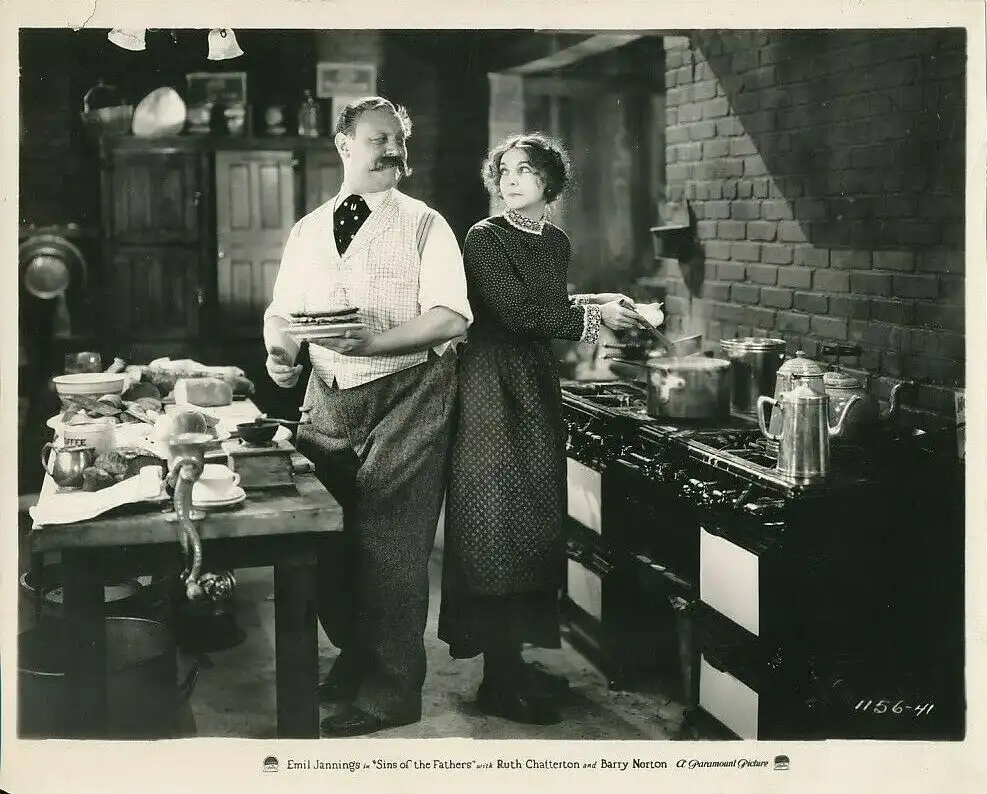
Director Ludwig Berger employs a relatively straightforward visual style, though there are moments of striking imagery. The use of shadow to convey moral decay and the clandestine nature of bootlegging is effective, particularly in the dimly lit backrooms where deals are struck and money changes hands. The film's sets, especially the bustling family restaurant and the more opulent, if seedy, speakeasy, are well-realized, grounding the story in a tangible Prohibition-era world.
One particular shot, after Wilhelm realizes his money is gone, shows him framed against a stark, empty wall, emphasizing his isolation and ruin – a simple but powerful visual choice that speaks volumes without dialogue. The editing, while largely conventional for the era, occasionally uses quicker cuts during moments of heightened tension, contrasting with the more deliberate rhythm of the domestic scenes. This can feel a bit uneven but does serve to punctuate key narrative beats and build suspense.
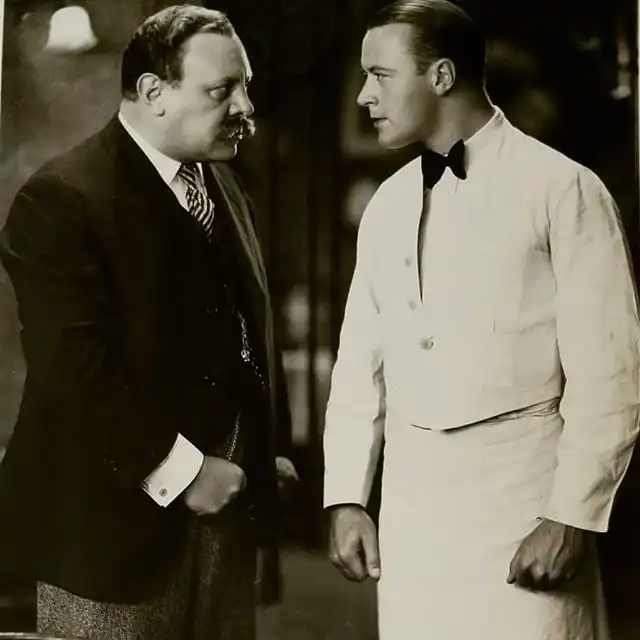
Ultimately, 'Sins of the Fathers' is a curious artifact. It's not a lost masterpiece, nor is it entirely forgettable. Its primary value lies in its historical context as a late silent-era drama and, crucially, in the magnetic, often devastating performance of Emil Jannings. For film historians, devoted fans of silent cinema, or those curious about the early careers of actors like Jean Arthur and Zasu Pitts, it's a worthwhile, if sometimes challenging, viewing experience.
For others, it might feel like a slow journey through familiar moral territory, one that occasionally mistakes length for depth. Approach it with patience and an appreciation for its era, and you'll find moments to appreciate the craft and the compelling central performance that anchors its sometimes-wandering narrative.
IMDb —
1924
Community
Log in to comment.