DbcultAccessing Vault...
5.7/10
Senior Film Conservator
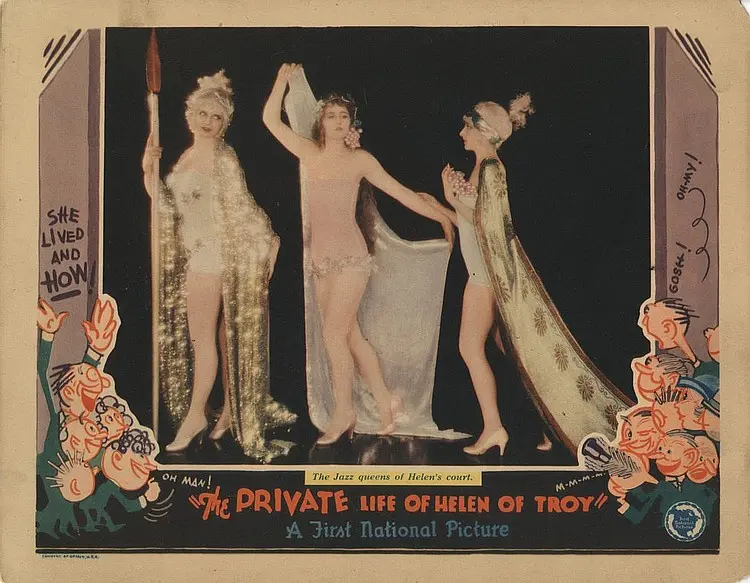
A definitive 5.7/10 rating for a film that redefined the boundaries of cult cinema. The Private Life of Helen of Troy remains a cornerstone of transgressive art.
Does this silent relic still hold a candle to modern historical epics? Short answer: yes, but only if you value cynical wit over CGI battlefields. This is a film for the patient cinephile and the lover of dry satire; it is decidedly not for those seeking a literal, action-heavy translation of Homer’s Iliad.
The 1927 production of The Private Life of Helen of Troy stands as a fascinating bridge between the grandiosity of early Hollywood and the burgeoning sophistication of European social commentary. Directed by Alexander Korda, the film takes the most famous face in history and places it behind the closed doors of a dysfunctional palace. It is a film that dares to ask: what if the Trojan War was just a messy divorce that got out of hand?
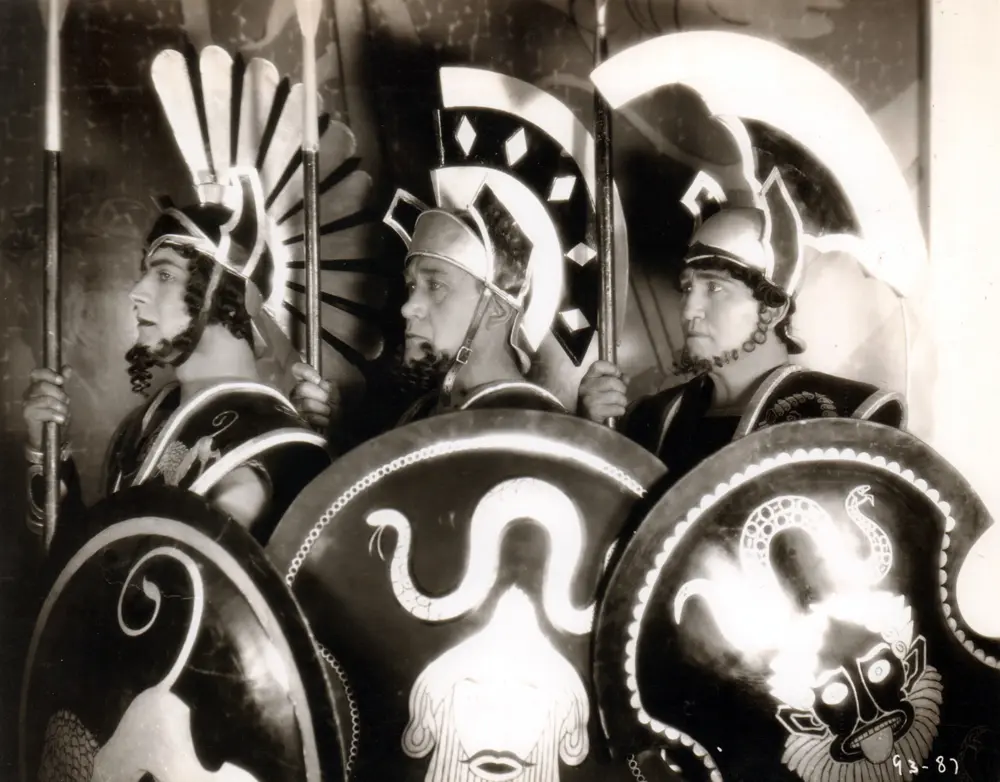
To understand if this film belongs on your watchlist, you must understand its unique positioning in film history. This is not a tragedy. It is a drawing-room comedy dressed in Greek robes.
1) This film works because it treats mythological figures like modern, petty celebrities, making them relatable and ridiculous in equal measure.
2) This film fails because the surviving footage is incomplete, requiring the viewer to fill in gaps that the original 1927 audience would have seen fully realized.
3) You should watch it if you are interested in the roots of the 'revisionist' historical genre or the early career of Alexander Korda.
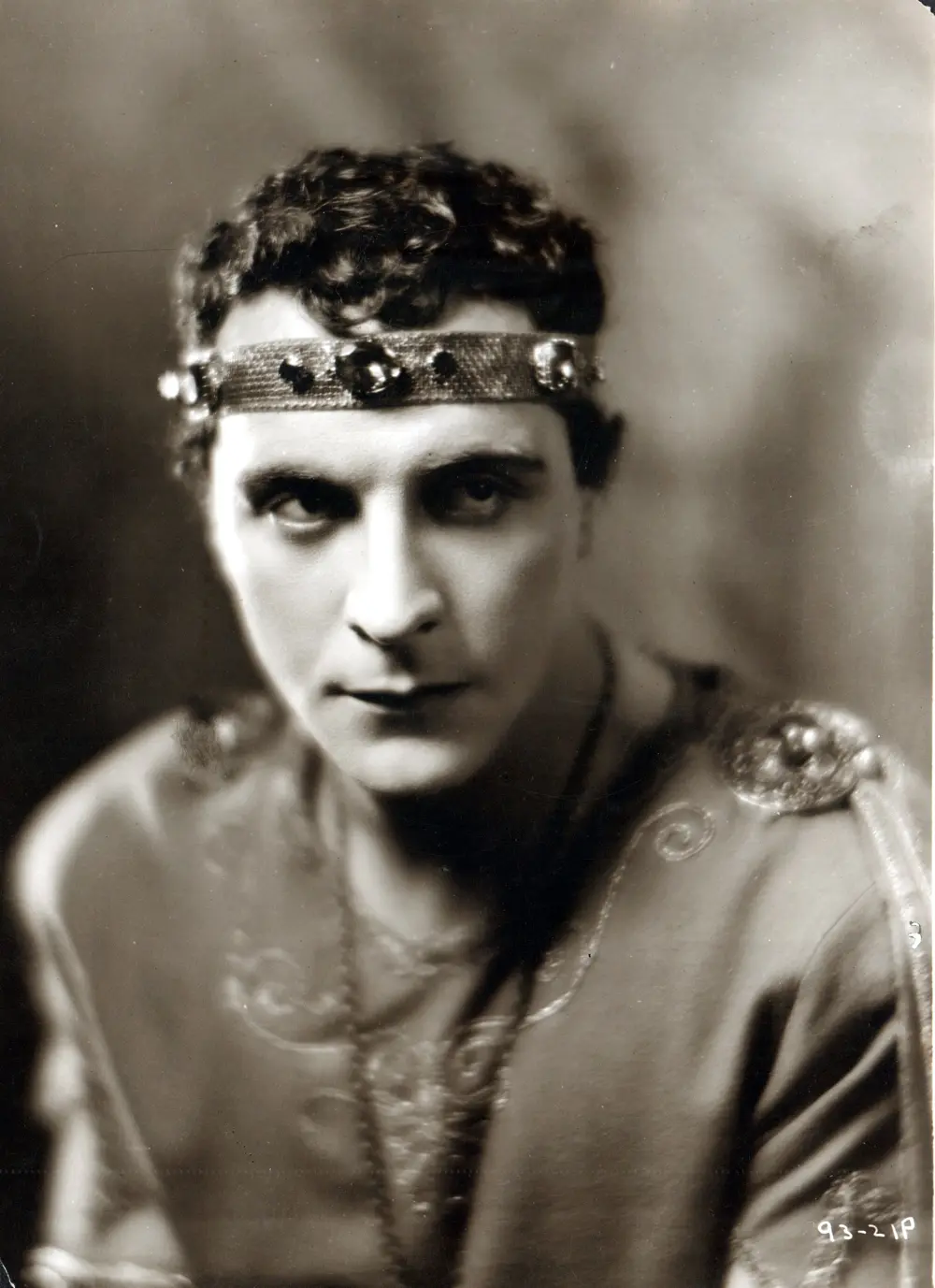
The most striking element of The Private Life of Helen of Troy is its refusal to be impressed by its own subject matter. While other films of the era, like the later The Awakening, sought to elevate human emotion to the level of the sublime, Korda does the opposite. He drags the gods down into the mud of marital bickering. Menelaus, played with a weary, almost bureaucratic stiffness by Lewis Stone, is not a warrior-king but a man who just wants to read his scrolls in peace.
Consider the scene where Paris first arrives. In a standard epic, this would be a moment of thunderous destiny. Here, it feels like an inconvenient houseguest showing up during a particularly dull dinner party. The humor is found in the mundane. Helen, portrayed by María Corda, is not a victim of fate; she is a woman who is simply tired of her husband’s snoring. This domesticity is a sharp critique of the 'Great Man' theory of history, suggesting that the fate of nations often rests on nothing more than a wife's boredom.
María Corda’s performance is the undeniable center of the film. She manages to balance the 'ethereal beauty' requirement with a very human, almost modern sense of manipulation. Unlike the characters in Chickie, who often navigate social pressures with a degree of innocence, Corda’s Helen is fully aware of her currency. She uses her 'loveliness' not as a passive trait, but as a tactical weapon.
The climax of the film—where Menelaus is supposedly duty-bound to kill her—is a masterclass in silent film acting. The way Corda tilts her head, the precise timing of her gaze, and the deliberate slowing of the scene’s pacing create a moment where the audience realizes the war was a formality. The real power dynamic is settled in the bedroom, not on the battlefield. It is a cynical observation: beauty doesn't just launch ships; it halts executions. It works. But it’s flawed by our modern standards of justice.
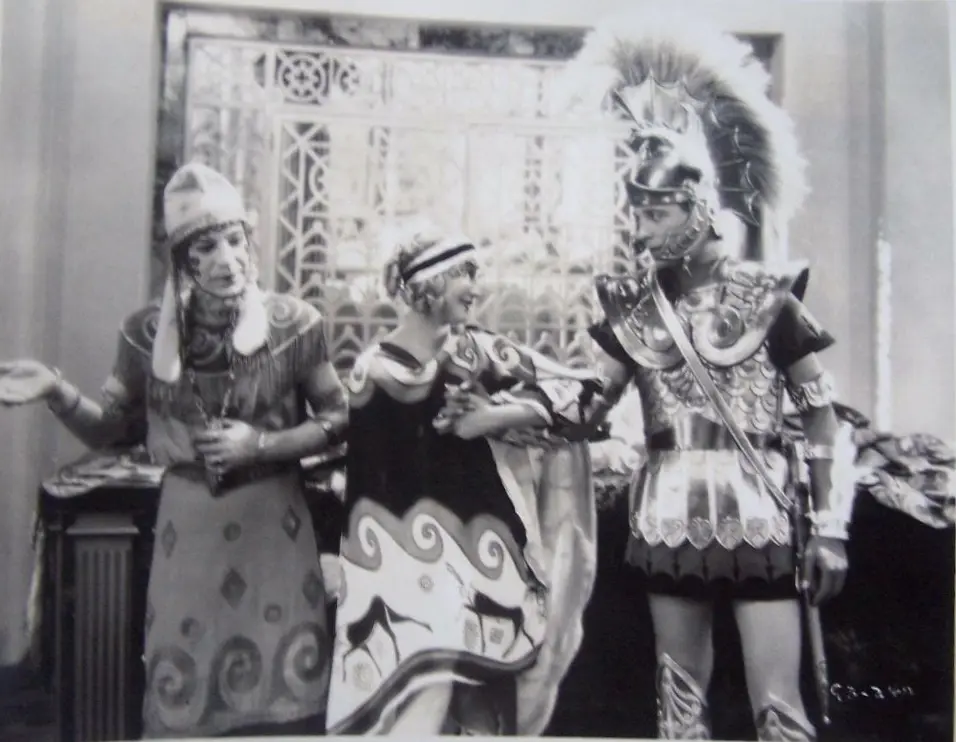
Alexander Korda was always a director of grand visions, but here he shows a surprising restraint in his satire. The sets are lavish, yet they feel lived-in. The cinematography doesn't rely on the experimental flourishes seen in The City, but instead focuses on the intimacy of the actors' faces. Korda understands that the joke is in the expression, not the wide shot.
The pacing, however, can be a challenge. Like many silent films of the mid-to-late 20s, there is a tendency to linger on titles. However, the writing by Gerald Duffy—which earned an Oscar nomination—is exceptionally sharp. The intertitles are not merely descriptive; they are punchlines. They provide a cynical commentary that bridges the gap between the ancient setting and the 1920s audience's sensibilities.
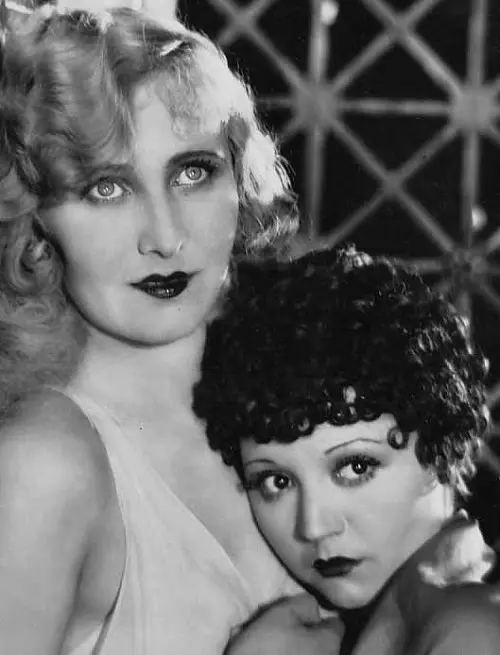
The Private Life of Helen of Troy is worth watching for anyone interested in the evolution of cinematic satire. While it lacks the visceral impact of a modern blockbuster, its intellectual wit remains surprisingly fresh. It provides a rare look at how the silent era handled sophisticated, adult-oriented comedy before the Hays Code tightened its grip. If you appreciate films that deconstruct legends, this is a vital piece of history.
Pros:
The film offers a genuinely funny, subversive take on Greek mythology. The costume design and art direction are top-tier for 1927. The acting, particularly by Lewis Stone and María Corda, avoids the over-the-top theatricality common in lesser silent films. It feels like a precursor to the screwball comedies of the 1930s.
Cons:
As a partially lost film, the narrative flow is interrupted by missing scenes. The middle act, dealing with the logistics of the war, lacks the bite of the opening and closing domestic scenes. Some of the secondary characters, like Paris, feel underdeveloped compared to the central couple.
When placed alongside other 1927 releases, such as the gritty realism of Souls Enchained, Helen of Troy feels incredibly light and airy. It doesn't have the heavy moral weight of The Grip of Evil, choosing instead to float on a cloud of irony. This lightness was Korda’s signature, and it’s what makes the film still readable today. It doesn't preach; it smirks.
The film’s approach to female agency is also worth noting. While Helen is 'the prize,' she is also the only person in the film with a clear plan. Unlike the protagonist in Wild Primrose, who is often at the mercy of her circumstances, Helen creates her own circumstances. She leaves because she wants to, and she stays because she chooses to. It is a surprisingly modern take on a woman’s autonomy, even if that autonomy is expressed through the limited lens of 1920s beauty standards.
The Private Life of Helen of Troy is a sophisticated, albeit fragmented, triumph of silent cinema. It refuses to play by the rules of the epic, choosing instead to find the comedy in the collapse of a kingdom. While the missing footage is a tragedy for film preservation, the portions that remain are a testament to Alexander Korda’s wit and María Corda’s magnetic screen presence. It is a film that understands that history is written by the victors, but the 'private life' is managed by the wives. It is clever. It is cynical. It is essential for those who like their history served with a side of salt.
IMDb —
1926
Community
Log in to comment.