DbcultAccessing Vault...
6.8/10
Senior Film Conservator
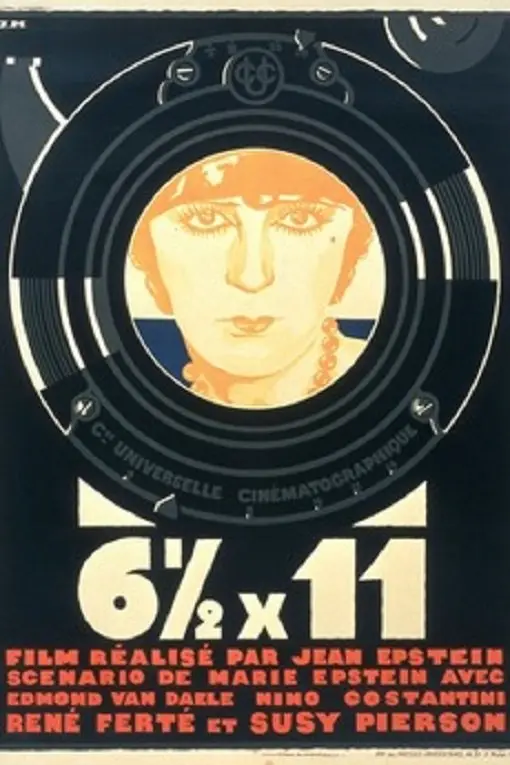
A definitive 6.8/10 rating for a film that redefined the boundaries of cult cinema. Six et demi onze remains a cornerstone of transgressive art.
Should you dedicate your evening to a silent French melodrama from 1927? Short answer: Yes, but only if you value visual texture over narrative speed.
This is a film for the patient cinephile and the visual historian, but it is certainly not for those who require a fast-paced plot or modern dialogue to stay engaged.
1) This film works because it transforms a physical object—a 6.5x11 camera—into a vessel for haunting psychological trauma that transcends the limitations of silent film dialogue.
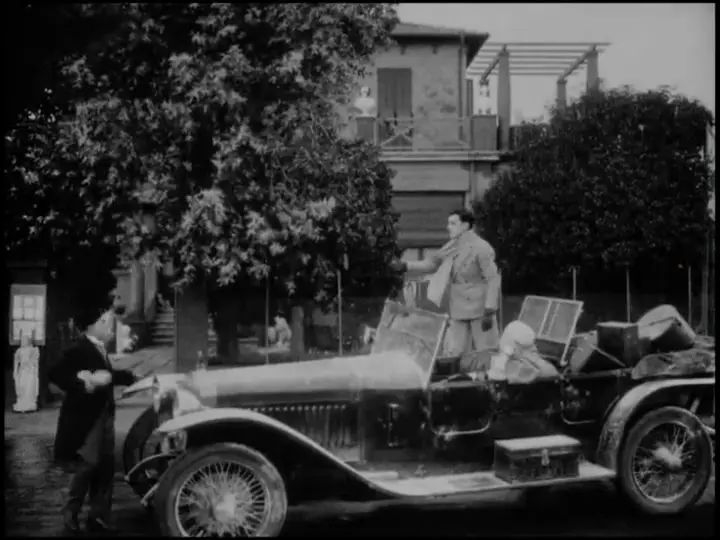
2) This film fails because the middle act leans too heavily on theatrical tropes that feel stagnant compared to the innovative visual flourishes in the opening and closing sequences.
3) You should watch it if you want to see the exact moment cinema learned how to use 'the gaze' and the physical artifact to dismantle a character’s sanity.
Jean Epstein was never interested in just telling a story; he wanted to capture the soul of objects. In Six et demi onze, the camera itself is a character. The title refers to the 6.5x11 centimeter format of the camera used by the doomed brother. This isn't just a technical detail. It is a symbol of how we attempt to freeze time and people, only to have those images haunt us later.
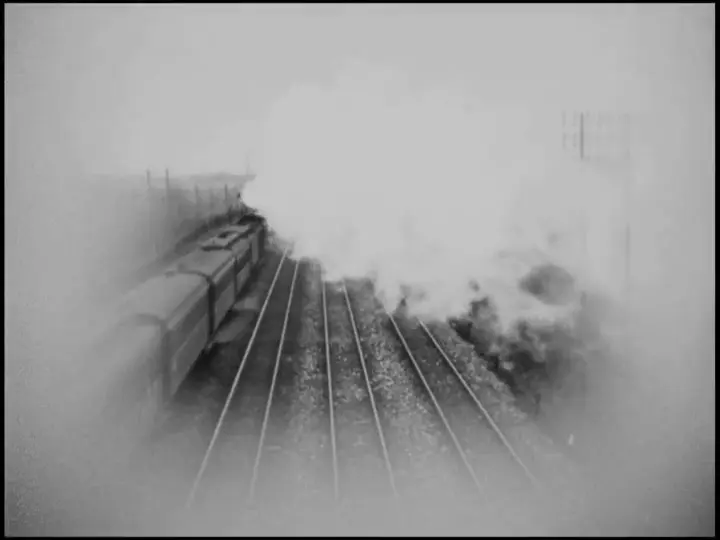
The way Epstein films the doctor’s office compared to the theater is a masterclass in atmospheric contrast. The office is cold, sharp, and geometric. It feels like a cage of logic. Conversely, the scenes involving Marie are soft, blurred, and rhythmic. Unlike the gritty realism found in The Abysmal Brute, Epstein uses the camera to create a fever dream of obsession.
One specific moment stands out: the sequence where Jérôme stares at Marie while she performs. The editing mimics his heartbeat, a rhythmic pulsing that makes the viewer feel his growing instability. It is a brutal, simple technique that modern directors still struggle to replicate with the same raw intensity.
While Jean handled the visual 'photogénie,' it was his sister, Marie Epstein, who provided the narrative skeleton. Her writing avoids the easy trap of making the singer a 'femme fatale.' Marie, the character, isn't inherently evil. She is simply a woman who refuses to be a trophy in a doctor's quiet life. She wants the lights, the applause, and the movement.
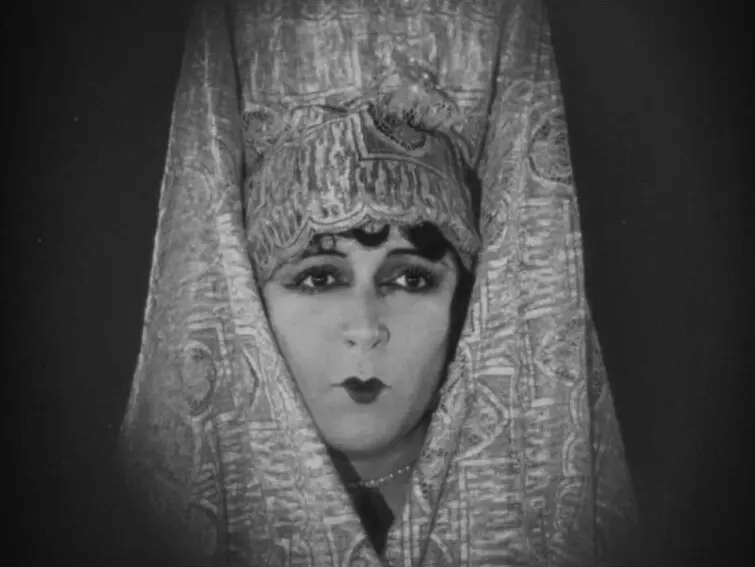
This nuance makes the tragedy hit harder. When Jérôme commits suicide, it feels less like a moral judgment on Marie and more like a fundamental incompatibility between two ways of existing. It’s a far more sophisticated take on romance than you’d find in something like The Bride of Glomdal, which relies on more traditional folk-tale logic.
The doctor’s subsequent fall into the same trap is where the film gets truly dark. It’s a repetition compulsion. He finds himself drawn to the very thing that destroyed his brother, perhaps as a way to understand the mystery of Jérôme’s death. But some mysteries are better left unsolved. The film suggests that knowledge is not a cure; it is a poison.
René Ferté and Edmond Van Daële provide a fascinating study in brotherly contrasts. Ferté, as the doctor, plays the role with a repressed rigidity that makes his eventual breakdown all the more satisfying to watch. Van Daële, as the doomed Jérôme, is all nerves and shadows. He looks like a man already haunted before the tragedy even begins.
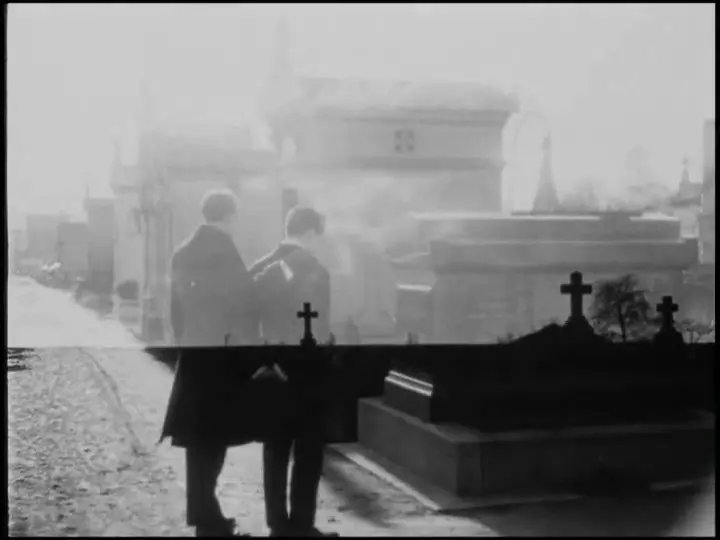
Jeanne Helbling is the true anchor here. In many silent films of this era, like Zoya, the acting can lean toward the hyperbolic. Helbling, however, keeps Marie grounded. Even in the heightened reality of the French Impressionist style, her performance feels modern. She doesn't need to flail her arms to show conflict; she does it with a shift in her eyes as she looks at the stage door.
The cinematography by René Guichard and Jean Epstein is the real star. They use superimpositions to show the doctor's internal state, layering images of his brother's face over the photograph of Marie. It creates a sense of claustrophobia. You feel the walls of the past closing in on the present. It’s effective. It’s visceral. It’s uncomfortable.
Is Six et demi onze worth your time in the 21st century? Yes, but only if you view it as a visual poem rather than a narrative engine. If you are looking for a tight thriller, you will be disappointed by the languid pacing of the middle section.
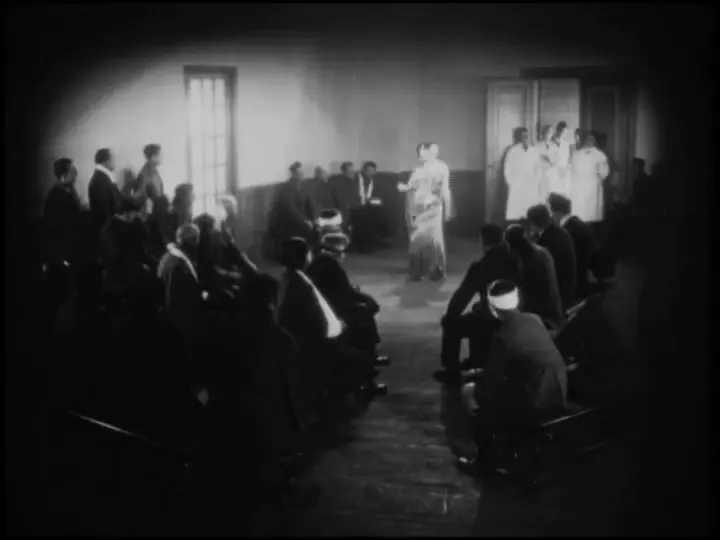
However, if you are interested in the evolution of cinematic language, this film is essential. It represents a bridge between the theatricality of early silent films and the psychological depth of modern drama. It treats the camera as an eye that can see things the characters cannot.
Pros:
Cons:
Six et demi onze is a difficult, beautiful, and deeply melancholic piece of art. It isn't a 'fun' watch, but it is a rewarding one. Jean Epstein captures the terrifying power of the image—how a single photograph can carry enough weight to crush the present. It’s a film about how we are never truly done with the past, especially when we try to document it.
I’ll say it: Marie isn’t a villain; she’s the only person in the movie who actually wants to live. The brothers are suffocatingly dull until tragedy strikes, and that is perhaps Epstein’s most subversive observation. Life is messy and loud, while the 'dignified' world of medicine and logic is a tomb waiting to be filled.
If you’ve seen The Chinaman or Alone in London, you’ll recognize the era’s penchant for melodrama, but Epstein elevates it into something existential. It works. But it’s flawed. And that’s exactly why it’s worth seeing.
IMDb —
1928
Community
Log in to comment.