DbcultAccessing Vault...
Cult Review
Senior Film Conservator
Is 'Six Faces West' a film that deserves a place in your modern viewing queue? Short answer: yes, but with significant caveats. This is a classic Western that speaks to a very particular cinematic palate, one that appreciates the deliberate pace and archetypal storytelling of the genre's golden age.
This film is unequivocally for devotees of traditional Westerns, those who relish quiet stoicism, stark landscapes, and moral dilemmas played out under a vast, indifferent sky. It is decidedly not for viewers seeking rapid-fire action, complex narrative twists, or modern sensibilities; its charm lies in its adherence to foundational tropes, which some may find slow or predictable.
Let’s cut to the chase with the essential truths about this film:
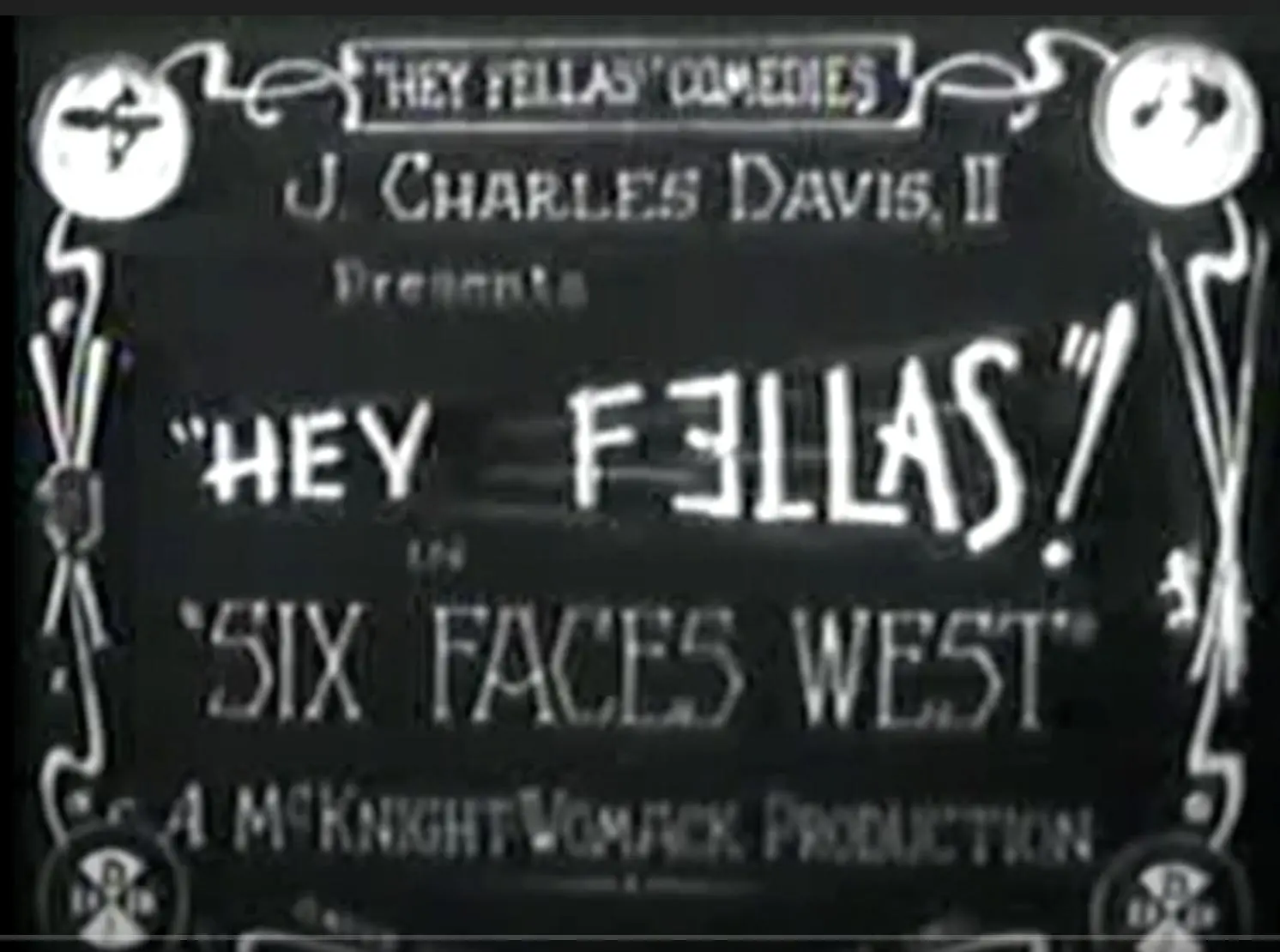
"Six Faces West" is more than just a title; it’s a promise of a certain kind of cinematic experience. It conjures images of dust-choked trails, sun-baked canyons, and the grim determination of individuals facing impossible odds. This film delivers on that promise, constructing a world that feels both expansive and intimately personal, even as its narrative threads are woven from the well-trodden cloth of Western lore.
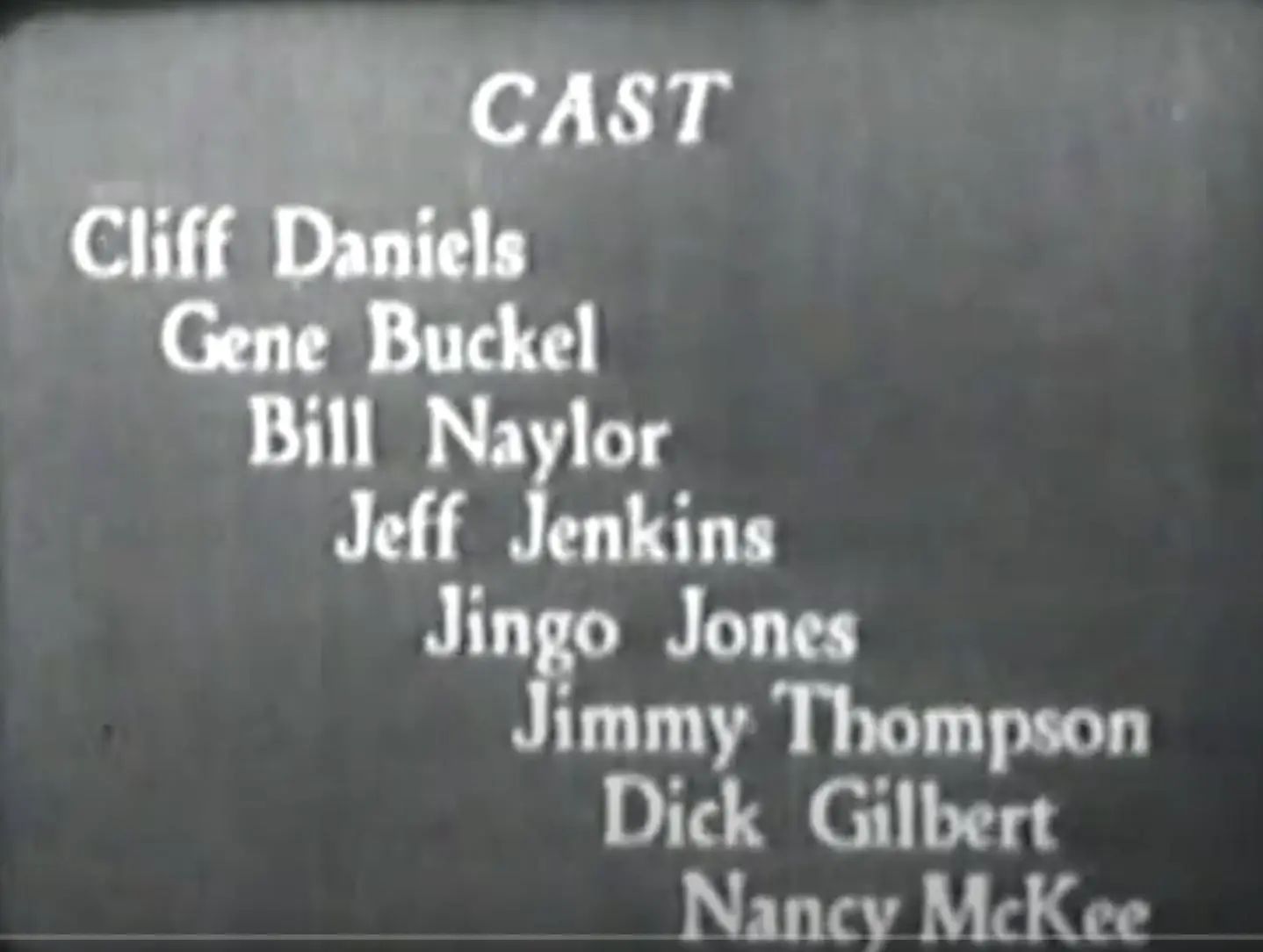
The story, focusing on a disparate group united by circumstance, is a classic ensemble piece. It’s less about a grand, overarching conspiracy and more about the micro-dramas that unfold when human beings are pushed to their limits by the unforgiving frontier. Each of the titular 'faces' – portrayed with a compelling blend of grit and vulnerability by the likes of Jeff Jenkins, Nancy McKee, and Cliff Daniels – feels distinct, even if their individual backstories are often hinted at rather than explicitly detailed.
What truly elevates "Six Faces West" beyond mere genre exercise is its unwavering commitment to mood. The film doesn't rush. It breathes. It allows the vastness of the landscape to sink in, letting the quiet moments of contemplation or tense anticipation speak volumes. This deliberate approach might test the patience of some, but for those attuned to its rhythm, it creates an immersive sense of place and time.

The strength of any character-driven Western often rests on the shoulders of its cast, and "Six Faces West" is no exception. Jeff Jenkins, as the stoic, world-weary leader, anchors the ensemble with a performance that is all about quiet authority and moral fortitude. His eyes, often narrowed against the sun or the weight of a difficult decision, convey more than pages of dialogue ever could. It’s a masterclass in understated masculinity, a hallmark of the classic Western hero.
Nancy McKee, in a role that could easily have been relegated to a mere damsel-in-distress, instead imbues her character with a steely resilience. Her presence offers a vital counterpoint to the often-grim male dynamic, hinting at the inner strength required of women on the frontier. There’s a particular scene – a silent exchange with Jenkins across a flickering campfire – that speaks volumes about shared hardship and unspoken understanding, a moment of profound human connection amidst the desolation.
The supporting cast, including Cliff Daniels, Dick Gilbert, and Billy Naylor, each carve out memorable impressions. Daniels, often playing the more volatile or morally ambiguous character, provides necessary friction, challenging the group's unity. Gilbert's portrayal often leans into the comic relief, a welcome respite from the tension, while Naylor brings a youthful earnestness that reminds us of the stakes for the next generation. It’s an ensemble that truly feels like a microcosm of frontier society, each actor bringing a distinct flavor to the collective struggle.
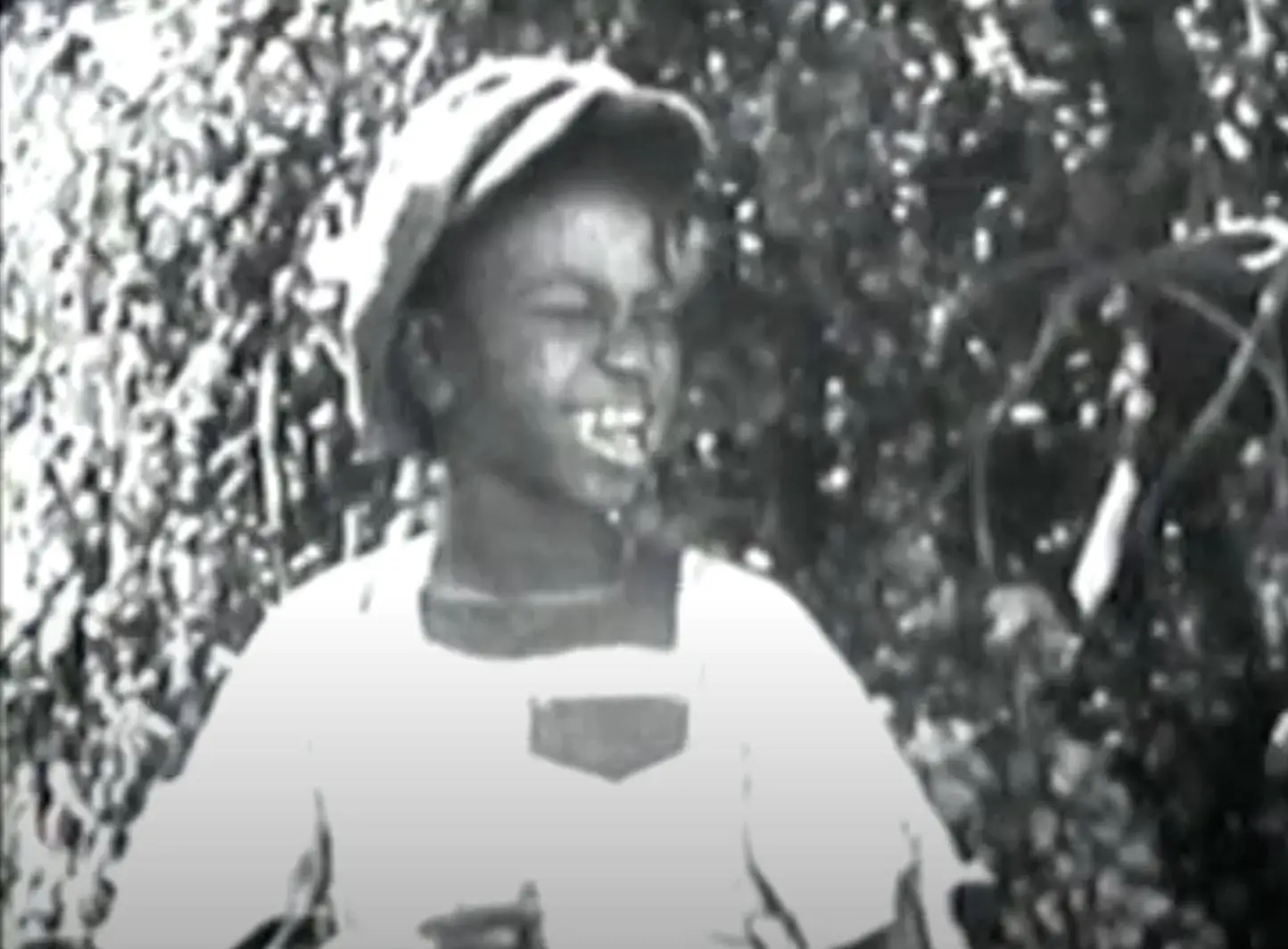
"The performances in 'Six Faces West' are a testament to the power of subtle characterization, proving that sometimes, less truly is more."
The direction of "Six Faces West" is a study in classic Western filmmaking. The camera serves not just as an observer, but as an active participant, framing the vast, indifferent landscapes of the West with a painter's eye. Wide shots dominate, emphasizing the isolation and the sheer scale of the challenges faced by the characters. The sun-drenched vistas and shadowed canyons are more than just backdrops; they are formidable characters in their own right, constantly asserting their dominance over the human endeavor.
There's a particular sequence involving a perilous river crossing that exemplifies the director's skill. It's not just about the physical danger, but the palpable fear and desperation etched on the actors' faces, captured in tight close-ups amidst the churning water. The edits are deliberate, building tension without resorting to frantic cuts, allowing the audience to truly feel the struggle. This considered approach to visual storytelling elevates the film beyond a simple adventure tale.
One might argue that the film occasionally lingers too long on certain shots, particularly during travel sequences. However, this deliberate pacing is crucial to establishing the arduous nature of frontier life. It's a choice that speaks to the director's confidence in the power of atmosphere and the ability of the landscape to convey narrative weight. This isn't a film that holds your hand; it asks you to settle in and experience the journey alongside its characters, much like one might do with The Ancient Highway or Speed Wild.
The pacing of "Six Faces West" is, without a doubt, its most divisive element. For some, it will be a rewarding slow burn, allowing themes of perseverance, justice, and survival to marinate. For others, it might feel like a meandering journey across a desert with too few oases of action. I lean towards the former, believing its unhurried rhythm is integral to its identity.
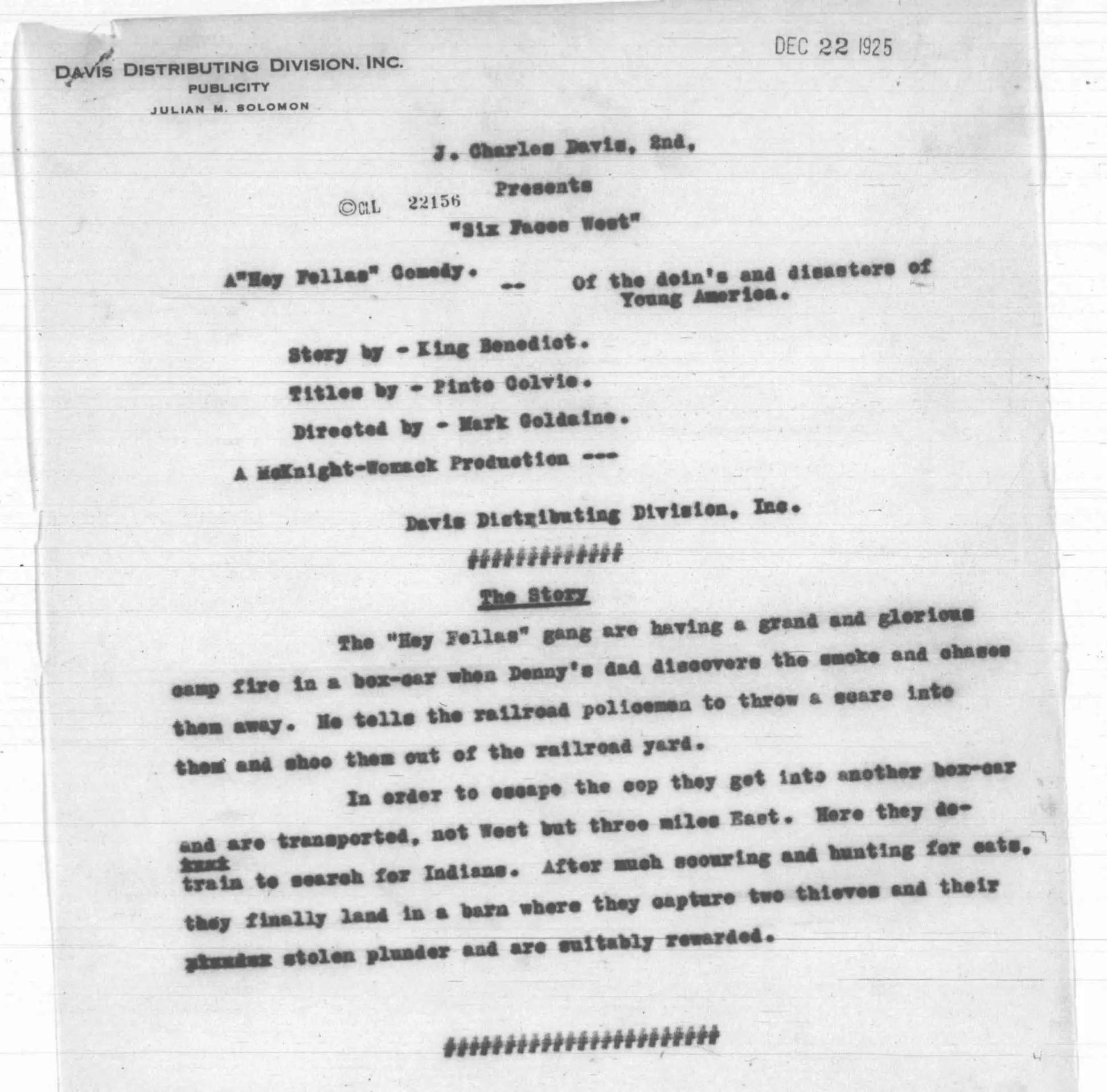
The film establishes a tone of quiet tension from its opening frames. Even in moments of apparent calm, there's an underlying current of danger, a sense that the wilderness itself, or the unpredictable nature of man, could erupt at any moment. This pervasive feeling is a testament to the script by Kingsley Benedict and Pinto Colvig. Colvig, known for his voice work and animation, brings a surprising depth to the character interactions, suggesting a nuanced understanding of human nature beyond the typical Western archetypes. This unexpected blend of writing styles might explain the film's unique tonal balance.
When action does erupt, it's often sudden, brutal, and impactful. The gunfights are not stylized ballets but desperate struggles for survival, adding a layer of realism that grounds the film. This contrast between the serene and the savage is where the film truly shines, creating a dynamic that keeps the viewer engaged, even during its quieter stretches. It works. But it’s flawed.
Here's an observation that might surprise: the presence of Pinto Colvig as a co-writer. Colvig, famously the original voice of Disney's Goofy and Bozo the Clown, seems an unlikely fit for a gritty Western. Yet, his involvement suggests a possible reason for the film's subtle characterizations and moments of unexpected warmth or even quirky dialogue amidst the harshness. It’s a bold claim, but one can almost sense a touch of that animated sensibility in how distinct and memorable even minor characters become, or in the occasional, almost whimsical turn of phrase that lightens an otherwise heavy scene. This isn't a cartoon Western, but it might just be a Western with a heart that beats to a slightly different rhythm, thanks to its unique writing duo.
Let’s break down the good and the bad:
"Six Faces West" is a film that unequivocally earns its place in the pantheon of classic Westerns. It's not a revolutionary film, nor does it attempt to redefine the genre. Instead, it serves as a powerful testament to the enduring appeal of traditional Western storytelling, executed with a quiet confidence and a profound respect for its characters and setting. It asks for your patience, but rewards it with a rich, atmospheric experience.
While it might not appeal to every viewer, particularly those unfamiliar with or disinclined towards the deliberate pace of older films, for aficionados of the genre, it’s an absolute must-watch. It's a reminder of a bygone era of filmmaking, where tension was built through silence and landscape, and heroism was often found in quiet endurance rather than explosive action. Give it a chance; you might just discover a new appreciation for the stoic beauty of the frontier.
IMDb 4.7
1932
Community
Log in to comment.