DbcultAccessing Vault...
Cult Review
Senior Film Conservator
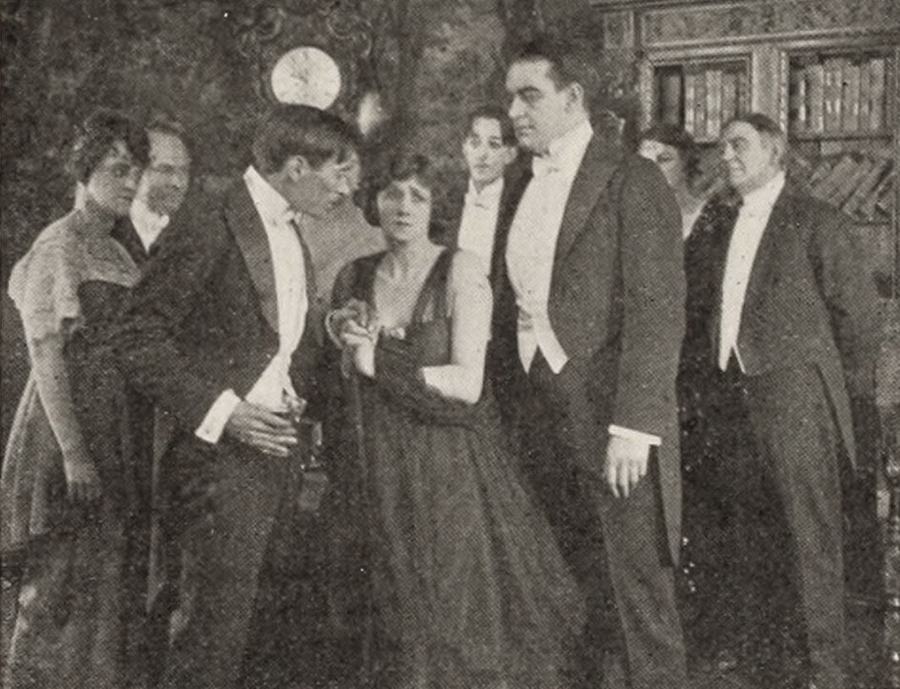
Stepping into the spectral embrace of early cinema, one finds a tapestry woven with grand passions, stark moralities, and the lingering shadows of forgotten pasts. William Nigh's 1916 melodrama, Her Debt of Honor, starring the luminous Valli Valli, is precisely such a fabric – intricate, perhaps frayed at the edges by the passage of time, yet still vibrant with the melodramatic intensity that captivated audiences of its era. This is not merely a film; it is a journey into the psychological undercurrents of an age grappling with social strictures, the corrosive nature of deceit, and the enduring power of human connection.
At its core, Her Debt of Honor unfurls around Marian Delmar (Valli Valli), a woman of refined sensibilities and an independent spirit, left adrift after the sudden demise of her architect father. Believing herself heir to some form of settlement, she finds her modest existence sustained by a curious monthly remittance from a professional colleague of her late father, Mr. Varcoe. This unspoken arrangement allows her the luxury of pursuing her artistic passions, painting, and living with a modicum of dignity. The very premise of a mysterious benefactor, a silent patron, immediately sets a tone of intrigue, reminiscent of narratives like The Remittance Man, where unseen hands often guide destinies, though here, the nature of that guidance is far more opaque and ultimately, more morally ambiguous.
The narrative catalyst ignites with Varcoe's death. The monthly payments, her lifeline, abruptly cease. This abrupt cessation forces Marian, ever resourceful, to seek answers, leading her into the orbit of John Hartfield. John, whose lineage is marked by a father of questionable ethics but undeniable shrewdness, embodies a refreshing integrity that will prove crucial to Marian's unraveling predicament. His investigation yields a revelation that strikes Marian to her very core: the remittances were not a rightful inheritance, but a charitable gesture. This disclosure, far from offering solace, ignites Marian’s fierce pride. To be an object of charity, especially under such veiled circumstances, is an affront to her self-sufficiency. It’s a compelling dramatic beat, highlighting the era's social anxieties around status and self-reliance, echoing the struggles of protagonists in films like John Glayde's Honor, where reputation and perceived social standing are paramount.
Further complicating the situation is Olin Varcoe, the deceased benefactor’s son. A man steeped in hedonism and excess, Olin is portrayed as a figure teetering on the precipice of death, a victim of his own dissolute lifestyle. It is against this backdrop of impending demise and Marian's wounded pride that a desperate resolution is forged. Against John’s fervent pleadings, Marian, driven by an almost pathological need to "repay" what she perceives as a debt of charity, offers her services to nurse Olin back to health. The scene where Olin, with a "wicked joy," accepts her offer, is chilling, immediately signaling the dark, manipulative currents that will define their interactions. This is a dangerous bargain, a Faustian pact of sorts, where a noble intention is twisted into a vehicle for suffering, much like the perilous moral landscapes explored in God, Man and the Devil.
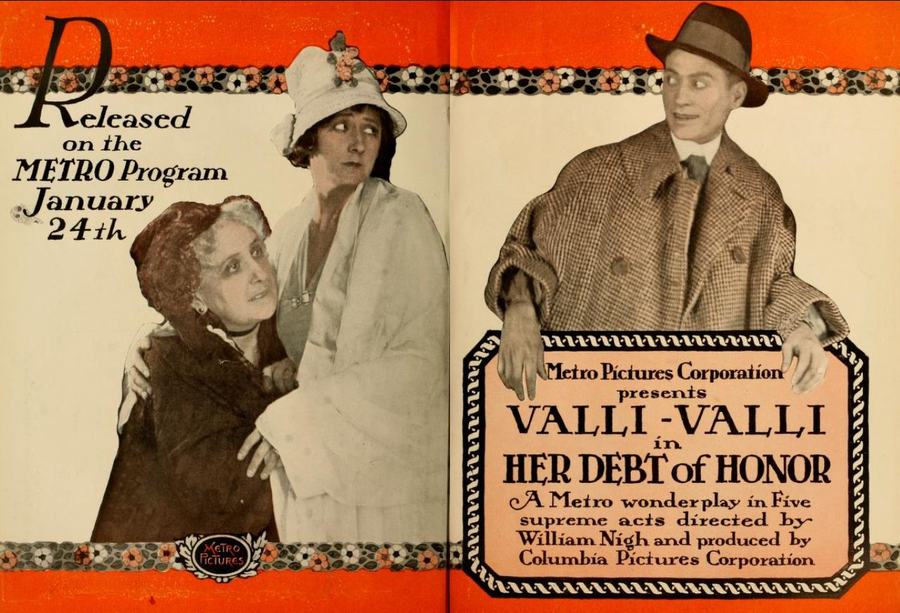
The narrative then transports us to the secluded Varcoe ancestral home on the St. Lawrence River, a setting that instantly conjures images of gothic romance and psychological dread. This is no ordinary dwelling; it is a repository of long-held secrets and a testament to a family's fractured history. Here resides Mrs. Varcoe, Olin's supposed mother, an invalid for forty years, a spectral presence attended only by an aged, intensely possessive family physician and a retinue of silent Indian servants. The description of the house itself – "strange furnishings that must have been the expression of a morbid brain" – paints a vivid picture of psychological decay, a physical manifestation of the family's hidden torments. It’s a setting that would make even the most seasoned ghost story writer nod in approval, reminiscent of the isolated, oppressive environments found in films like Hearts in Exile, where grand estates often conceal grander tragedies.
The arrival of Olin and Marian at this desolate manor house initiates a cascade of revelations. Olin's meeting with Mrs. Varcoe, the woman he believes to be his mother, is fraught with tension. She responds not with maternal affection, but with "fear and misgiving," an immediate signal to the audience that something is fundamentally amiss. Conversely, Marian's compassionate nature immediately impresses Mrs. Varcoe, and Marian's attentions, initially directed towards Olin, gracefully pivot towards the long-suffering matriarch. This shift is crucial, as it establishes a genuine bond between the two women, a beacon of warmth in an otherwise cold and manipulative environment. The old doctor, whose decades of solitary devotion to Mrs. Varcoe have fostered a possessive jealousy, views Marian's intervention with palpable animosity, creating frequent, simmering friction.
Meanwhile, John Hartfield, ever the persistent seeker of truth, delves into the past. His discovery of architectural plans hidden within a secret compartment is a classic melodramatic device, yet one that serves to unravel the central mystery with satisfying precision. These documents expose the true nature of the "debt": Marian's father was not merely a recipient of charity, but the unacknowledged architectural genius behind the elder Varcoe’s professional triumphs. The remittances, therefore, were not alms but a contractual agreement, a rightful recompense for intellectual labor. This revelation dramatically vindicates Marian's pride, transforming perceived charity into earned entitlement. It also casts the elder Varcoe in a new, less benevolent light, revealing him as a man who profited from the uncredited efforts of others, a theme of moral compromise found in narratives like The Better Man.
The film doesn't shy away from depicting the darker facets of human nature. Olin's character, already established as morally bankrupt, descends further into depravity. His exploitation of an Indian girl in the household is a shocking act that serves as a pivotal plot point. The consequence of his vile act is the exposure of a long-buried family secret: Olin himself is not the legitimate son of Mrs. Varcoe, but the offspring of his father's illicit affair with an Indian woman. This revelation reshapes the entire family dynamic, explaining Mrs. Varcoe's fear and misgiving towards Olin, and adding layers of tragedy and injustice to her decades-long invalidism. It’s a powerful moment, revealing the hidden costs of societal prejudice and moral hypocrisy, a stark contrast to the often idealized depictions of familial bonds in contemporary films like The Life of Our Saviour; or, The Passion Play, which focused on more sacrosanct narratives.
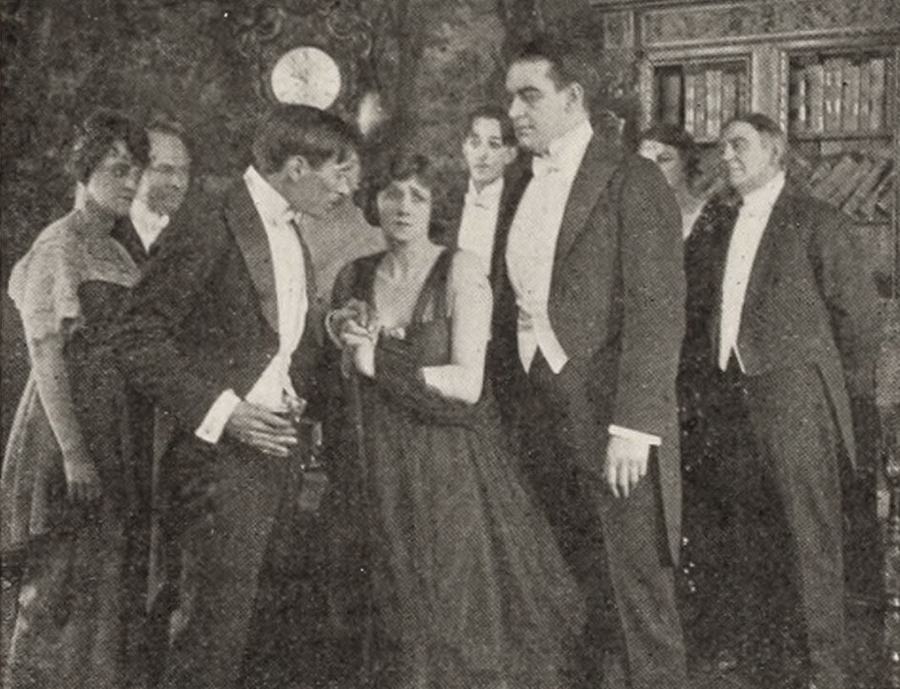
Amidst these escalating tensions and dark disclosures, John Hartfield consistently endeavors to extricate Marian from the increasingly toxic atmosphere of the Varcoe estate. His pleas are rooted in genuine concern and a burgeoning affection for her. Yet, Marian remains resolute. The strong, empathetic bond she has forged with the kind, long-suffering Mrs. Varcoe provides her with an unwavering incentive to stay. It is a testament to Marian's compassionate nature, her refusal to abandon a vulnerable soul, even as the walls of deceit and danger close in around her. This commitment to an emotional bond over personal safety is a classic trope in melodrama, yet Valli Valli’s portrayal imbues it with a compelling sincerity, making Marian’s choices feel earned rather than merely plot-driven. Her steadfastness in the face of adversity, much like characters navigating difficult social terrains in A Princess of Bagdad, defines her heroic arc.
The narrative hurtles towards its dramatic zenith as Olin, in a final, desperate act of self-destruction, decides to host a decadent weekend party, inviting his coterie of dissipated city friends to the isolated estate. This gathering of morally bankrupt individuals serves as a symbolic last gasp of his corrupt existence, a final fling before the inevitable. The tension, already palpable, becomes almost unbearable. In a shocking turn, Olin, consumed by his depraved desires and perhaps a twisted sense of revenge, traps Marian in a secret passage within the labyrinthine house. This is a moment of pure gothic terror, a physical manifestation of the psychological entrapment Marian has experienced within the Varcoe household.
However, just as hope seems to dwindle, salvation arrives. Another Indian servant, whose quiet presence has been a subtle undercurrent throughout the film, and the ever-vigilant John Hartfield, intervene heroically. They rescue Marian, but in the ensuing struggle, Olin is gravely wounded. The climax is swift and brutal, a fitting end to a character steeped in such profound moral decay. Mortally injured, Olin crawls away from the scene of his final depravity, seeking refuge in the Indian huts located on the estate – the very place of his true heritage. He finds his final moments in the arms of his Indian grandfather, a poignant and tragic return to roots he had long disavowed. This final act of Olin's, seeking solace in the very culture he and his father had exploited, offers a complex, albeit dark, form of redemption, a mirroring of the moral reckonings explored in films like What the Gods Decree.
With Olin's demise, the oppressive shadow that loomed over the Varcoe estate begins to lift. Marian and John, having navigated the treacherous waters of deceit and danger, emerge with a profound understanding and affection for each other. Their decision to "travel the road of life together" is the classic romantic resolution, a hard-won victory of love and truth over darkness. It's a satisfying conclusion, yet one that doesn't entirely erase the complexities that preceded it. The film, in its final moments, offers one more subtle revelation: the old doctor's unwavering devotion to the equally venerable Mrs. Varcoe is hinted to be far more than mere professional interest. This final twist adds another layer of human complexity, suggesting that even in the most sterile or duty-bound relationships, deeper, more passionate currents may flow beneath the surface. It leaves the audience pondering the unspoken sacrifices and hidden affections that often define human existence, much like the quiet, enduring love portrayed in Blodets röst, where emotional depth often speaks louder than words.
Her Debt of Honor, while undeniably a product of its time with its melodramatic conventions and sometimes broad characterizations, stands as a fascinating example of early cinematic storytelling. William Nigh, as both writer and director, crafts a narrative that, despite its sensational elements, probes into themes of social justice, hidden parentage, and the corrosive impact of moral corruption. Valli Valli’s portrayal of Marian is commendable, embodying a strong female protagonist who navigates a treacherous landscape with both vulnerability and resilience. The film's use of setting—the isolated, morbid Varcoe estate—is particularly effective in building an atmosphere of suspense and psychological unease. While it may lack the nuanced psychological depth of later cinematic works, its ability to weave a complex web of deceit, revelation, and eventual triumph remains compelling. It reminds us that even in the nascent years of film, storytellers were grappling with universal human dramas, presenting them with a raw, unvarnished intensity that continues to resonate.
In an era when cinema was still finding its voice, Her Debt of Honor demonstrates a sophisticated understanding of narrative tension and character development. It's a compelling watch for anyone interested in the evolution of film as an art form, offering insights into the social mores and dramatic tastes of the early 20th century. The film, much like a rediscovered antique, reveals layers of craftsmanship and storytelling prowess that might otherwise be overlooked. It’s not just a historical artifact; it’s a vibrant piece of cinematic history that continues to pose questions about integrity, identity, and the relentless pursuit of truth.
IMDb —
1921
Community
Log in to comment.