DbcultAccessing Vault...
5.2/10
Senior Film Conservator
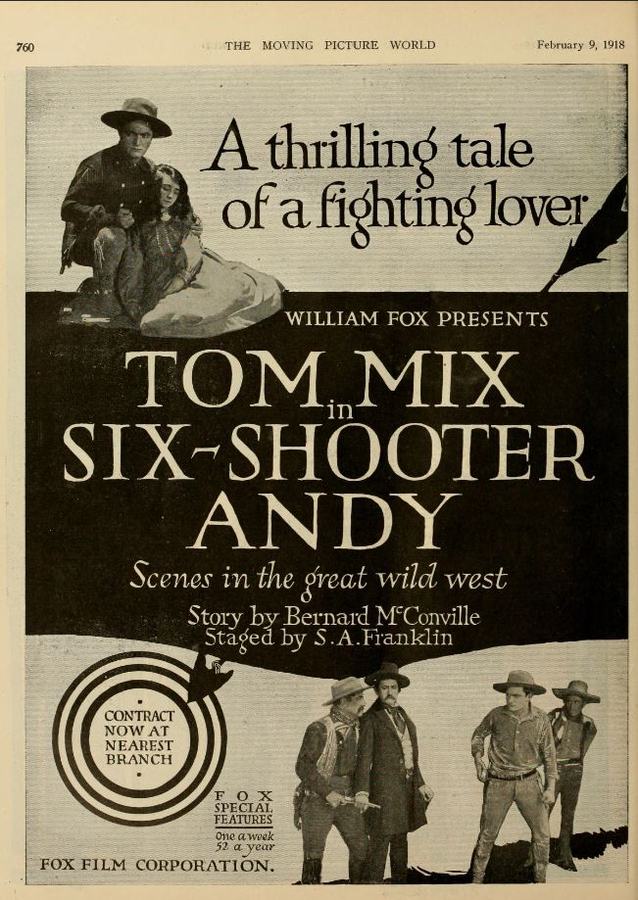
A definitive 5.2/10 rating for a film that redefined the boundaries of cult cinema. Six-Shooter Andy remains a cornerstone of transgressive art.
Stepping back into the nascent days of cinema, particularly to the year 1918, offers a fascinating glimpse into the foundational narratives that would shape an entire genre. Six-Shooter Andy emerges from this era as more than just a relic; it's a vibrant, if silent, testament to the enduring allure of the American West, a period where morality often found its sharpest definition at the barrel of a gun. This film, penned by Bernard McConville, isn't just a simple tale of good versus evil; it's a visceral exploration of community, personal tragedy, and the arduous birth of law in a land often ruled by lawlessness.
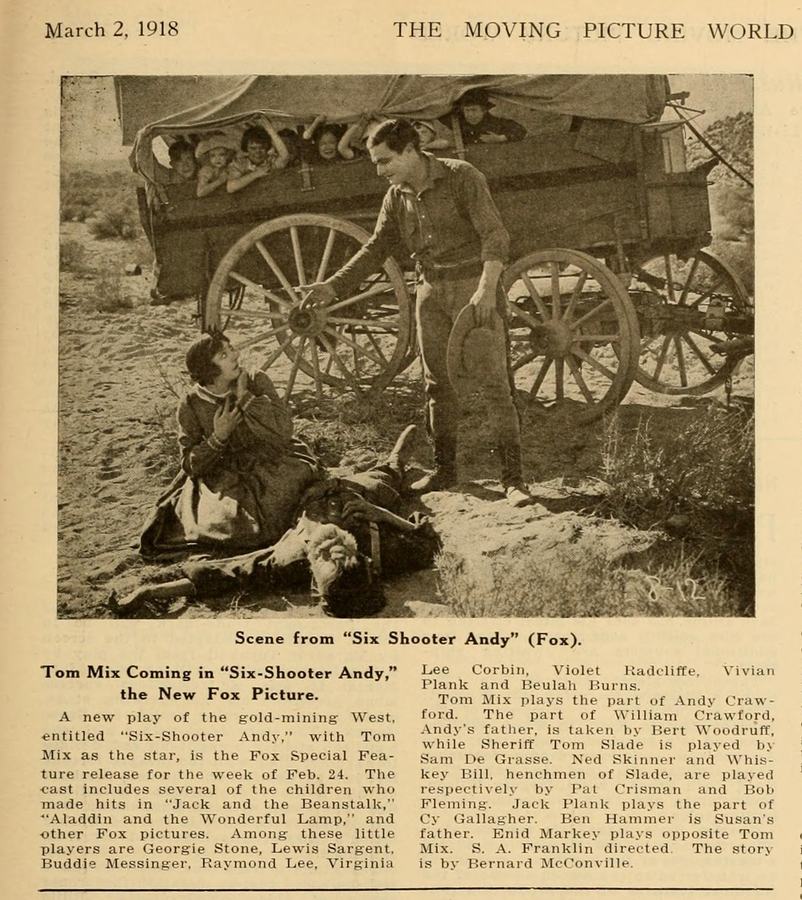
The narrative plunges us directly into the heart of a frontier town, Bannack, where the veneer of order is thin, easily torn by the machinations of corrupt power. Our entry point into this tumultuous world is Susan Allenby, portrayed with poignant vulnerability by Enid Markey. Her life is irrevocably altered when her father falls victim to a brazen robbery, not by anonymous bandits, but by the very figures sworn to uphold justice: Sheriff Tom Slade and his nefarious crew. This immediate betrayal by authority figures sets a dark, cynical tone, establishing a world where the lines between protector and predator are dangerously blurred. Susan is left with the crushing responsibility of eight younger siblings, a burden that would overwhelm anyone, yet she embodies a quiet resilience that speaks volumes even without dialogue.
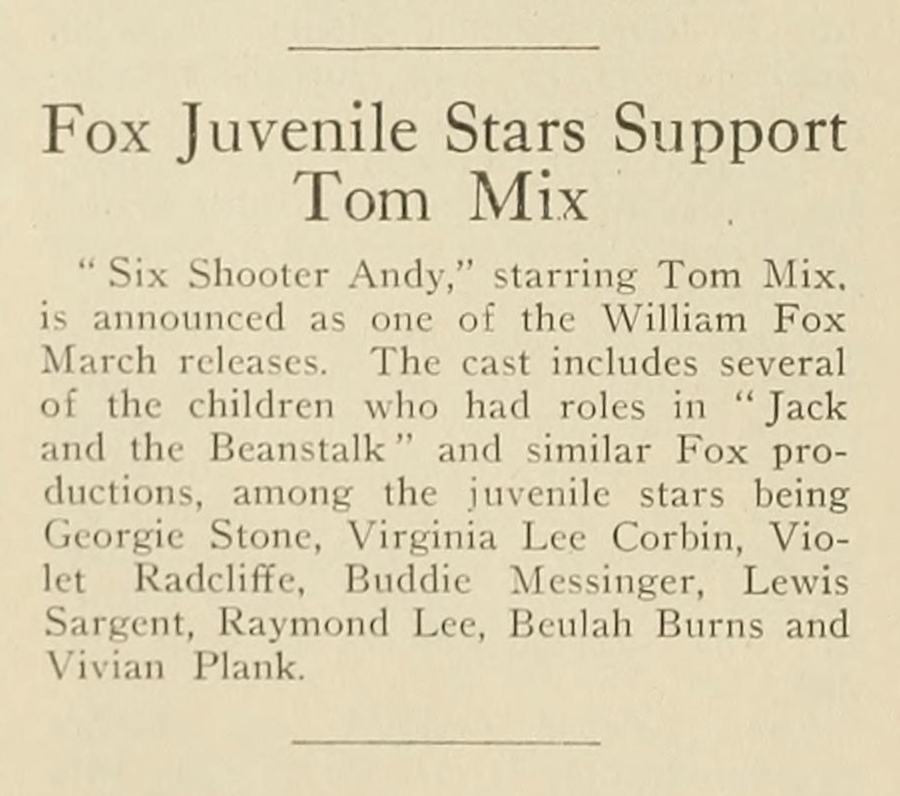
Into this crucible of despair steps Andy Crawford, played by Raymond Lee, a young prospector whose initial benevolence is a stark contrast to the surrounding malice. Accompanied by his father, William, they extend a helping hand to the orphaned Allenbys, offering a flicker of hope in the encroaching darkness. This act of compassion, however, is short-lived. The pervasive evil of Bannack soon claims William Crawford, a senseless act that transforms Andy from a sympathetic caretaker into an avatar of righteous vengeance. His oath to avenge his father and cleanse the town becomes the driving force of the entire narrative, propelling him on a path that is both perilous and morally imperative. This transformation from ordinary citizen to reluctant hero is a classic Western trope, yet here it feels earned, rooted deeply in personal loss and a desperate need for justice.
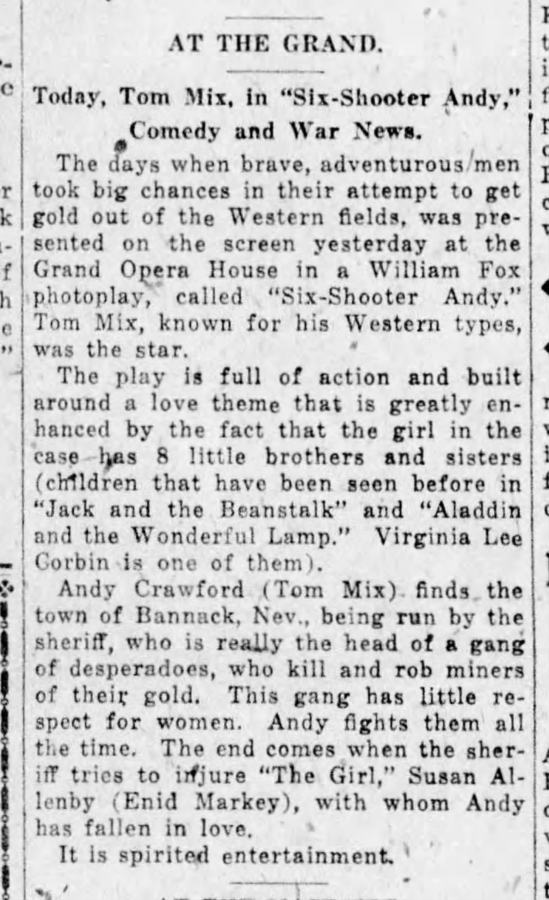
The film excels in painting its antagonists with broad, unmistakable strokes of villainy. Sheriff Tom Slade, a character whose very title is a cruel irony, embodies institutional corruption. He is not merely a criminal but a man who perverts the very concept of law for personal gain. His deputy, Ned Skinner, is a more personal, visceral threat, identified as the direct murderer of Andy’s father. The confrontation between Andy and Skinner is inevitable, a classic showdown that defines the Western genre. When Slade brazenly ignores Andy's demand for Skinner's arrest, the stage is set for a duel, a stark reminder that in this frontier, personal honor and justice often superseded official decree. Andy's swift, decisive killing of Skinner is not just an act of revenge; it's a declaration that a new order is attempting to be forged, even if born from violence.
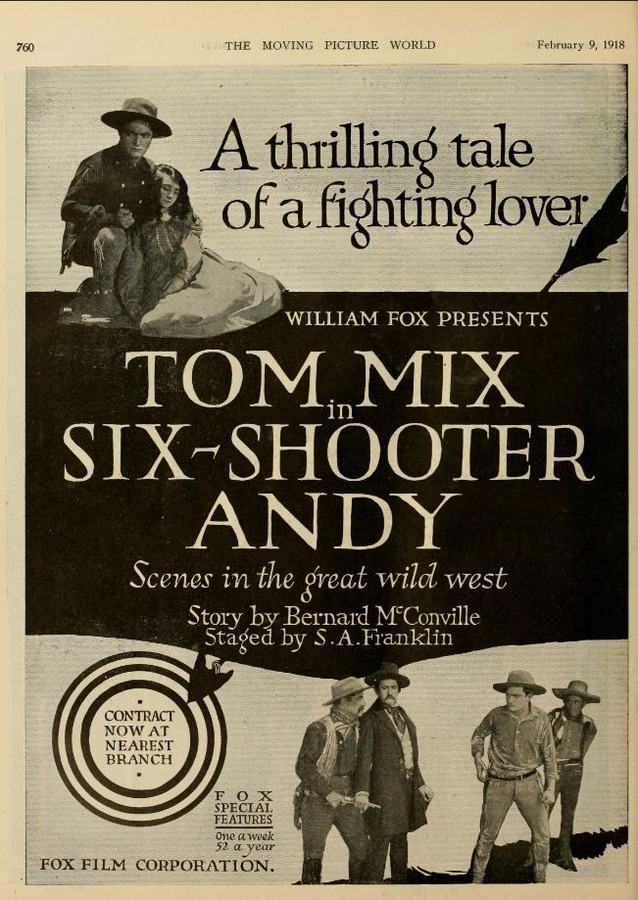
The narrative doesn't allow Andy to rest on his laurels, however. As his nascent vigilante committee attempts to bring a semblance of order to Bannack, Slade, a cornered viper, strikes back in the most personal way possible: by imprisoning Susan. This act underscores Slade's depravity and his inability to grasp the concept of genuine moral authority. The children, innocent yet instrumental, become the messengers of this dire news, galvanizing Andy into action once more. His rescue of Susan and the subsequent killing of Slade are the climactic moments, a definitive purging of the town's festering rot. The resolution is swift and satisfying: Andy is named the new sheriff, a testament to the town's newfound appreciation for true justice, and Susan, her ordeal finally over, agrees to become his wife. It's a neat, almost fairytale ending, yet one that resonates with the era's desire for clear moral victories.
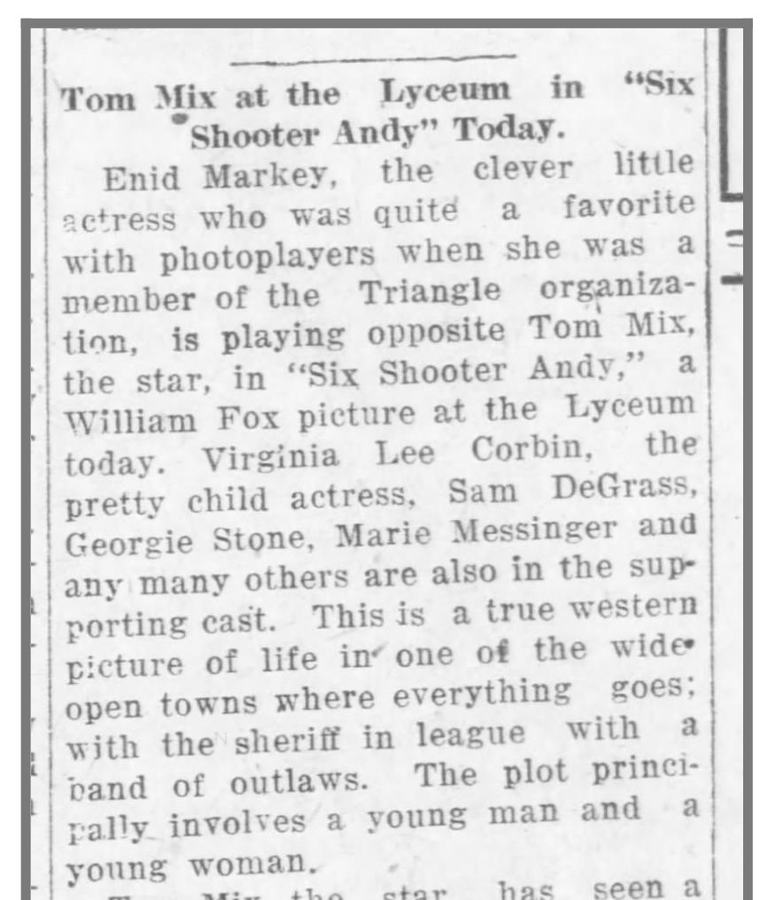
From a technical perspective, Six-Shooter Andy is a fascinating example of early silent filmmaking. The absence of spoken dialogue demanded a heightened reliance on visual storytelling. Actors like Raymond Lee and Enid Markey had to convey complex emotions through exaggerated facial expressions, gestures, and body language. The cinematography, while rudimentary by modern standards, effectively captures the expansive, rugged beauty of the Western landscape, contrasting it with the grimy, morally compromised interiors of Bannack. Intertitles, the textual inserts that convey dialogue, plot points, and character thoughts, are crucial here, bridging the gaps and providing necessary exposition. The pacing, though occasionally deliberate, builds tension effectively towards its inevitable confrontations. This reliance on visual cues and dramatic posing is a hallmark of the era, distinguishing it sharply from the more nuanced performances of later sound films.
The film also features a notable, albeit supporting, presence from Tom Mix, a name synonymous with early Western stardom. While not the titular character, Mix's involvement would have lent considerable star power and authenticity to the production. His legendary horsemanship and charismatic screen presence, even in a role that isn't central, undoubtedly elevated the film's appeal. And, of course, no discussion of Mix is complete without mentioning Tony the Horse, his famed equine companion, whose intelligence and skill were often as celebrated as Mix's own. The seamless integration of animal actors like Tony into the narrative was a unique feature of early Westerns, adding another layer of spectacle and realism to the action sequences.
When considering Six-Shooter Andy within the broader context of early cinema, it offers an interesting parallel to other films grappling with themes of societal breakdown and the quest for order. While its focus is distinctly Western, the underlying struggle against corrupt power is universal. For instance, the stark depiction of a town held hostage by its own law enforcement could be compared thematically to the urban anxieties present in early crime dramas, though the settings are vastly different. While a film like The Iced Bullet might explore the intricacies of detective work and urban crime, Six-Shooter Andy champions a more direct, frontier justice. The immediacy of Andy's response to injustice—his personal responsibility to right wrongs when institutions fail—is a recurring motif in the genre, echoing the spirit found in other tales of heroism and self-reliance, perhaps even resonating with the independent spirit seen in a film like Wildfire, another early Western that explored the rugged individual against a challenging backdrop. The film's portrayal of a community rallying behind a hero who cleans up a corrupt town also speaks to a foundational American myth, a yearning for strong, moral leadership in turbulent times. This desire for clear-cut justice and the triumph of virtue over vice was a powerful draw for audiences of the era, offering a reassuring moral compass in a rapidly changing world.
Bernard McConville’s writing, while adhering to many genre conventions, manages to imbue the narrative with enough dramatic tension and character motivation to keep it engaging. The script understands the power of escalating stakes, moving from personal tragedy to community-wide struggle, culminating in a definitive resolution. It’s a testament to the strength of fundamental storytelling that even without the complexities of modern filmmaking, the core emotional beats land effectively. The film doesn't shy away from violence, yet it frames it within a moral context, presenting it as a necessary evil for the greater good, a common justification in the mythology of the Old West.
In conclusion, Six-Shooter Andy is more than just a historical artifact; it's a robust example of early Western cinema, brimming with the archetypal elements that would come to define the genre. It delivers a compelling narrative of personal loss, righteous vengeance, and the arduous journey towards establishing justice in a lawless land. Through the determined performances of its cast, the evocative power of silent storytelling, and a narrative that champions the triumph of good, the film stands as a significant contribution to the cinematic tapestry of the American West. It reminds us that even in the absence of sound, the echoes of heroism, villainy, and the relentless pursuit of a just society can resonate across generations, offering a timeless glimpse into the foundational myths that continue to shape our understanding of courage and community. For aficionados of classic cinema, it's an essential watch, offering a window into the origins of a genre that captivated, and continues to captivate, audiences worldwide.
IMDb —
1928
Community
Log in to comment.