DbcultAccessing Vault...
6.3/10
Senior Film Conservator
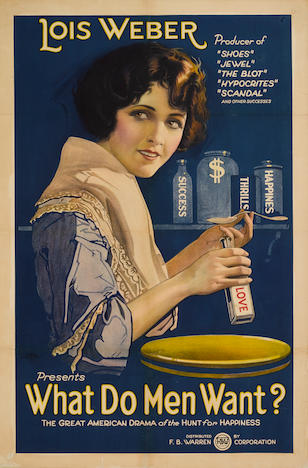
A definitive 6.3/10 rating for a film that redefined the boundaries of cult cinema. What Do Men Want? remains a cornerstone of transgressive art.
Lois Weber, the visionary who once split the screen between a penitentiary and a nursery in Hypocrites, here trains her lens on the male id with surgical frost. What Do Men Want?—a title spat like a dare—never answers its own question in words; instead, it lets the silents scream through cigarette haze and silk stockings draped over chaise longues like discarded vows.
Edith Kessler’s ingenue-turned-wife, Ruth, enters wearing gingham candor, eyes wide as trolley tracks. Her gait has the bounce of someone who still believes the world tips toward fairness. Weber frames her against nursery wallpaper of stenciled ducks, then against barren office walls the color of old telegram paper. The juxtaposition stings: domestic Eden seen from the vantage of a man already sniffing the apple of elsewhere.
Hallam Cooley’s inventor, Franklyn, is all restless knuckles and slide-rule swagger. When his stock-ticker device clicks into lucrative rhythm, Weber drowns the soundtrack in metallic chatter—coins clanging like bullets in a war nobody admits is happening. Note the cut to Ruth ironing diapers while the radio (a luxury they now afford) blurts garbled reports of market avalanches. Iron meets airwaves: one woman pressing creases out of tomorrow, one man creasing futures into his pocket.
Enter Claire Windsor as Lory, the society pantheress. She glides into a rooftop soiree swaddled in ostrich feathers dyed arterial red, champagne flute reflecting fireworks that look suspiciously like shrapnel. Weber’s iris-in isolates Lory’s smile—too many teeth, like a cathedral broken into sharp stained glass. Within three scenes she has Franklyn signing documents he does not read; within five, he is tasting her lipstick the way a gambler tastes last-chance whiskey.
The film’s midpoint pivots on a single, devastating tableau: Ruth stands outside a jewelry shop window at Christmas, cheeks wind-whipped, staring at a bracelet she will never own. Weber superimposes Franklyn inside, buying that same bracelet for Lory. The overlay is translucent, ghostly—husband and wife occupy the same frame yet inhabit antipodal moral latitudes. No intertitle intrudes; the silence itself indicts.
From here, the narrative accelerates like a runaway locomotive. Hackathorne’s comic sidekick, Gus, stumbles upon evidence of forged patents and blackmail letters tucked inside Lory’s velvet piano bench. The discovery is shot from inside the bench—Weber removes a wooden panel so the camera lurks like a confessor among sharps and flats. When Gus slams the lid, darkness swallows the lens; the audience, too, becomes accessory to the secret.
Courtroom sequences borrow chiaroscuro from Strike: beams of light slice through dust motes while lawyers pace like caged carnivores. Ruth, now wearing widow-black, testifies not with dialogue but with a single tear that clings to her lashes for an improbable eternity—Weber cranks the camera at half-speed to prolong the agony. The tear drops onto a marriage certificate, ink smearing the husband’s signature into Rorschach blots of blame.
Redemption arrives sun-scorched and imperfect. Franklyn, stripped of company and couture, trudges across a field of stubble toward the house he once called home. Weber shoots the trek in long shot—he is a pinpoint of gray against amber wheat, a punctuation mark trying to crawl back into its sentence. Ruth sees him from the porch; her hand lifts, falters, lifts again. The film ends not with a clinch but with a door left ajar—light slicing through the gap like a question that refuses the comfort of a period.
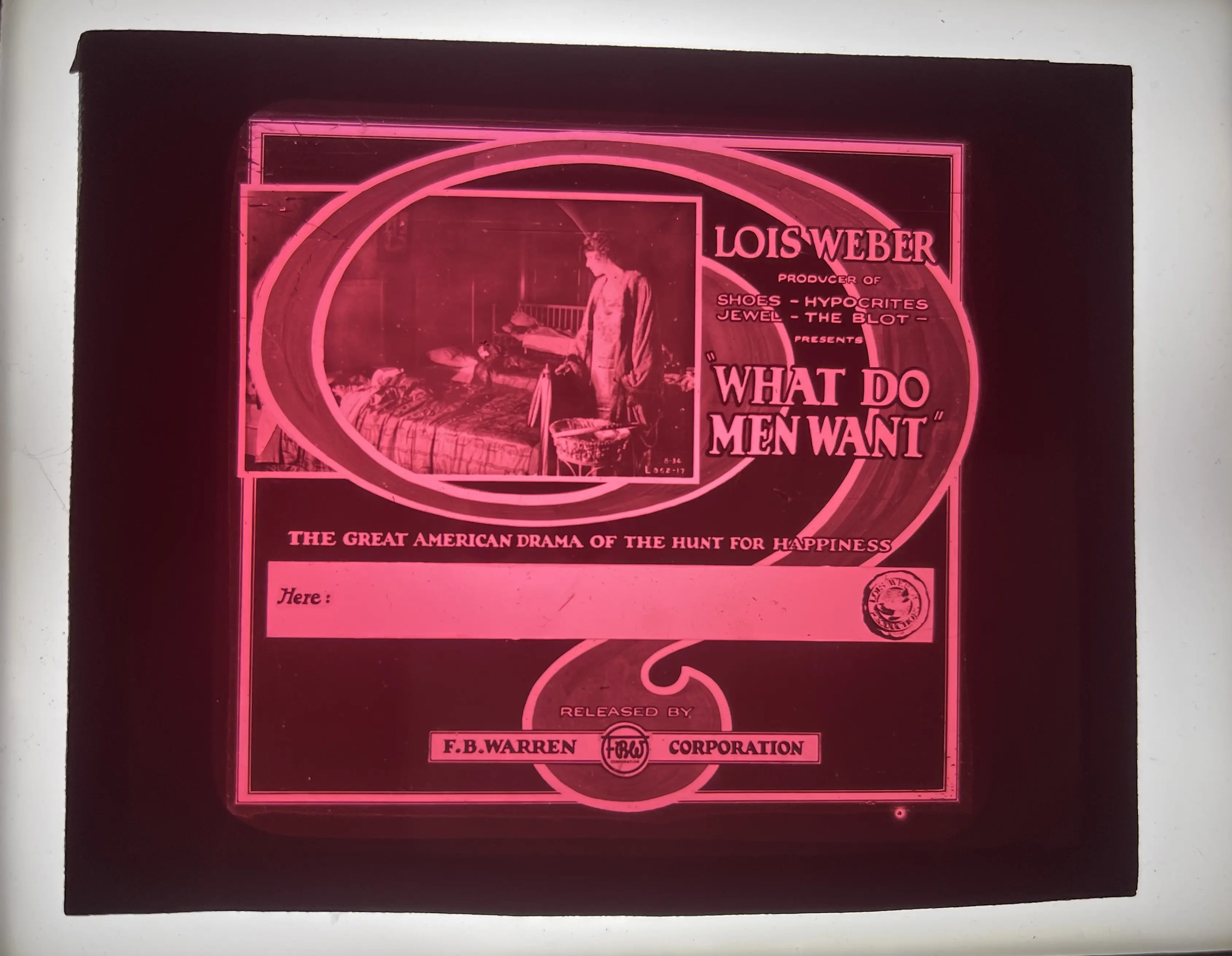
Technically, the picture brims with innovations. Double exposures render Franklyn’s conscience as translucent super-ghosts of Lory whispering atop images of Ruth scrubbing floors. A proto-dolly shot—achieved by mounting the camera on a baby carriage—glides through a speakeasy thick with opium haze, faces blurring into masks of appetite. The tinting alternates between chlorophyll green for greed and bruised violet for remorse, each hue flickering like a bruise beneath skin.
Performances oscillate between operatic and whisper-close. Kessler’s micro-expressions—chin quiver yet shoulders squared—chart a woman who refuses to collapse into melodramatic mush. Cooley’s descent from cock-of-the-walk to hen-pecked wretch is charted in the slump of a hat brim; by the final reel the brim obscures his eyes entirely, as if shame itself were a cataract. Windsor, meanwhile, weaponizes languor: every languid wrist flick feels calculated, like a spider testing tension on silk.
Yet the film’s true star is Weber’s moral calculus. She refuses to cast woman as mere angel or harpy; Ruth’s forgiveness is hard-won, Lory’s ambition partly a response to a marketplace that only lets women trade on allure. In a scene cut from many prints, Lory spits at the mirror: “What else did they leave me?” The intertitle flashes crimson, a wound word.
Modern viewers will detect pre-echoes of Fickle Women and The Marionettes, yet Weber’s gendered sympathies cut deeper than either. The film indicts capitalism’s roulette while acknowledging the erotic tug of risk; it lambastes male entitlement yet lingers on the intoxicating sway of a whispered “you could be so much more.”
Restoration efforts by EYE Filmmuseum have salvaged a 4K scan from a 35 mm nitrate at Desmet color. Some reels remain lost—roughly eight minutes—bridged via explanatory intertitles and a newly commissioned chamber score that replaces the original cue sheets. The score favors pizzicato strings for Lory’s scheming, glass harmonica for Ruth’s lullabies, resulting in a sonic dialectic between seduction and sanctuary.
Comparative lensing: where Nobody’s Child sentimentalizes fallen women, What Do Men Want? refuses pity as currency. Against For the Queen’s Honor—all palace intrigue and corseted martyrdom—Weber’s domestic tragedy feels scalpel-sharp, its kingdom a two-bedroom flat where love is audited nightly.
Culturally, the film landed months after the 19th Amendment’s passage; headlines crowed about women’s newfound voice, yet Weber’s camera asks who gets to speak, and who is relegated to soundtrack. The answer flickers in the final shot: Ruth’s silhouette against a dawn window, baby cradled, door ajar—an image of guarded hope, of matriarchal power that neither gloats nor genuflects.
Verdict: Essential. Not merely as artifact, but as living nerve. Watch it through the prism of 2020s hustle culture, OnlyFans empires, and crypto crashes; the cautionary tremor remains eerily intact. Weber’s question—what do men want?
If you excavate one pre-Code obscurity this year, let it be this bruised pearl. Pair with a rye old-fashioned, a window cracked to autumn chill, and the willingness to admit that the answer to Weber’s query may shift depending on who holds the mirror—and who pays the tab.
IMDb 3.8
1928
Community
Log in to comment.