DbcultAccessing Vault...
Cult Review
Senior Film Conservator

It is 1913, the year of Stravinsky’s riotous Rite of Spring, yet in a cramped Polish studio Kazimierz Hulewicz scripts a different rite: the sacrificial pirouette of a working-class girl upon the altar of conspicuous wealth. Slave of Sin survives only in shards—like a shattered stained-glass window whose jagged luminescence still blinds. From these fragments one reconstructs a narrative that feels, even now, like a scalpel dragged across the skin of propriety.
Pola Negri—seventeen, hawk-nosed, feral—commands the frame before she ever commands Europe. The camera worships the angle of her clavicles, the predatory swivel of her hips; she seems to inhale the klieg lights, exhale danger. Compare her to Anna Karenina’s languid tragedy or the ethereal orientalism of The Lotus Dancer: Negri is earthier, a flint that strikes sparks against the pavement.
The film’s first reel luxuriates in soot: iron filings swirl like metallic snow around the locksmith’s anvil, forging both tools and metaphor. Pola’s father, shoulders bowed by labor, embodies a society that treats human beings as stubborn tumblers to be picked and discarded. Their garret overlooks a bakery whose sweet exhaust mocks the family’s hunger; upstairs, the daughter rehearses impromptu jigs on creaking floorboards, already rehearsing escape.
Fortuity arrives disguised as catastrophe: a prima ballerina collapses mid-performance, victim of either absinthe or a rival’s sewing needle. The impresario, desperate, scours the wings for a replacement and spots Pola—posture of a rapier, gaze of a provoked lynx. She is shoved into tufted tulle, shoved before footlights—then the miracle. Her body remembers what no conservatory could teach: the pulse of the factory whistle, the syncopation of hammer on steel. The audience erupts, aristocrats splashing florins like confetti. Overnight, the proscenium becomes a portal to another cosmos, one scented with tuberose and mercenary intent.
What follows is not the customary morality play of ruination but something more corrosive: success itself. Contracts spill across the screen; jewels glint like predatory eyes; her signature evolves from utilitarian scrawl to florid testament of self-invention. She dismisses her fiancé—played by Wojciech Brydzinski with the stalwart resignation of a man who intuits doom—with the casual flick of a silk glove. Later, when he re-emerges uninvited, the narrative tilts into stalker opera, predicting 1990s erotic thrillers by nearly eight decades.
Director Władysław Szczewiński (aided by cinematographer Juliusz Adler
Note the recurring visual motif of locks and keys: the father’s anvil, the lover’s chastity pendant, the fatal pistol hammer—all variants on a locking mechanism. Each iteration whispers that freedom is merely a more elaborate prison. Negri’s Pola oscillates between predatory triumph and feral panic without ever slipping into melodrama’s histrionic shorthand. Watch her eyes in the ballroom sequence: they appraise prospective suitors like abacus beads, tallying net worth with every flicker of lashes. Yet in the privacy of her dressing room she cradles the discarded engagement ring, pressing it to her sternum until metal leaves lunar indentations—a moment of wordless ambivalence that no intertitle could enhance. Karol Karlinski, portraying the affluent predator, embodies a decadent era: hair slicked to patent-leather sheen, carnation perpetually wilted from cologne saturation. His performance is a study in velvet-encased menace; when he murmurs „Nie bój się, kochanie” („Don’t be afraid, darling”) the endearment lands like a hand around the throat. As for the jilted fiancé, Brydzinski refuses caricature of the humiliated bumpkin. His eyes register not merely heartbreak but ontological displacement: the world’s axis has shifted, and dignity is now an obsolete currency. In the climactic theatre confrontation he stands amid gilded throngs yet seems encased in arctic solitude, a prefiguration of The Eternal Law’s existential despair. While original orchestral accompaniment is lost, surviving cue sheets indicate a bruising waltz followed by Chopin’s Funeral March distorted into 3/4 time—imagine death waltzing sideways. Contemporary critics noted that the final gunshot coincided with percussion so abrupt that patrons swore they smelled gunpowder. Such synesthetic shock anticipates the sonic assaults of later Hitchcock. Hulewicz’s script weaponizes Marxist undercurrents without sermon. Pola’s ascent is powered by labor—her dance converts bodily exertion into capital, literalizing the transformation of surplus value. Yet once inside the bourgeois citadel she becomes commodity herself, displayed on balconies like a falcon whose hood is diamond-studded. The film slyly equates marriage market with flesh market; the same financiers who purchase her stage contract later bid for her affections in private salons. Moreover, the narrative skewers the myth of self-determination sold to women as liberation. Pola’s rebellion against proletarian fate merely substitutes one master for another; her body, once disciplined by factory clocks, is now regulated by curtain calls and voyeuristic patrons. The title’s „slave” is not hyperbole but diagnosis. Viewers weaned on Brewster’s Millions may expect the rags-to-riches trajectory to arrive at moral reclamation. No such comfort exists here. Where The Mysteries of Souls dabbles in spiritual redemption, Slave of Sin offers only a blood-spattered tutu as testament to upward mobility’s price. Equally instructive is contrast with Balletdanserinden, another 1913 tale of dance as female emancipation. The Danish film treats stage success as wholesome triumph; Hulewicz’s vision is decidedly septic, suggesting that spotlight’s glare corrodes virtue quicker than poverty. Modern audiences cannot but recoil at parallels: powerful gatekeepers trading roles for intimacy, the heroine vilified for ambition while the patron’s predation remains socially coded as connoisseurship. When Pola protests her keeper’s possessiveness, he retorts that protection demands payment in „exclusive affection.” Replace carriage with sports coupe, champagne with bottle service, and the scenario feels ripped from yesterday’s exposé. Yet the film refuses facile sisterhood: the other chorines resent Pola’s acceleration, spreading rumors that she bathes in virgin’s blood to preserve skin luminescence. Thus patriarchy’s divide-and-conquer stratagem is anatomized with scalpel precision. Like many Polish silents, Slave of Sin was presumed lost until a 1976 Kraków basement yielded a 35mm nitrate reel sans intertitles. Subsequent reconstructions interpolated stills and explanatory flashed text, producing a 42-minute hybrid that premiered at the Il Cinema Ritrovato festival. Digital tinting restored the original amber for interiors, cyan for exteriors, and crimson for the climactic murder—a visual grammar now legible again. While purists lament truncation, the fragmentary state inadvertently intensifies the story’s fever dream quality. Narrative ellipses mimic the amnesiac blackout of trauma; we experience Pola’s vertiginous ascent as she does—disorienting, exhilarating, lethal. Great art often functions as a mirror hurled against the cobblestones; Slave of Sin is among those mirrors whose shards still slice fingers. Its cautionary thesis—that modernity’s freedoms may merely gild the manacles—remains disturbingly au courant. Negri’s performance, volcanic yet precise, catalyzes celluloid into something alchemical. Minor quibbles: secondary characters—the consumptive dresser, the hiccupping stage manager—hover at the periphery, sketches rather than frescoes. And the film’s moral absolutism (the fallen woman must bleed) feels dated, though the camera’s empathy complicates any reactionary reading. Still, these are flecks on an otherwise obsidian surface. In the silent era’s pantheon of fallen-woman tragedies, this stands shoulder-to-shoulder with Les amours de la reine Élisabeth and The Unwelcome Mrs. Hatch for sheer emotional heft. Yet unlike those prestige pageants, Slave of Sin stinks of machine oil and human musk; it is high art unafraid to reek of armpit and gunpowder. Seek it out however you can—scavenger of forgotten marvels—and let its glare burn your certainties retina-deep. For Pola’s tragedy is not that she falls, but that we still inhabit a world eager to auction the next bright girl under gaudy lights. Slave of Sin currently streams with live accompaniment via KinoSilentPl; a Blu-ray restoration is slated for 2025 from Warsaw Film Archive. Track its orbit; some eclipses deserve pilgrimage.Performances in the Abyss
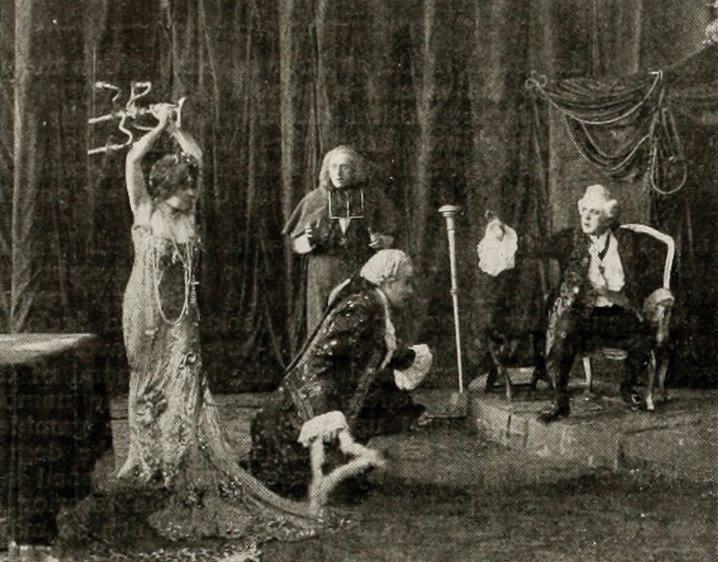
 Cinematic perspective: Exploring the visual vocabulary of Slave of Sin (1914) through its definitive frames.
Sound of Silence: Score & Rhythm
Social Refraction: Class, Gender, Commodity
Comparative Constellations
Contemporary Resonance & MeToo Echoes
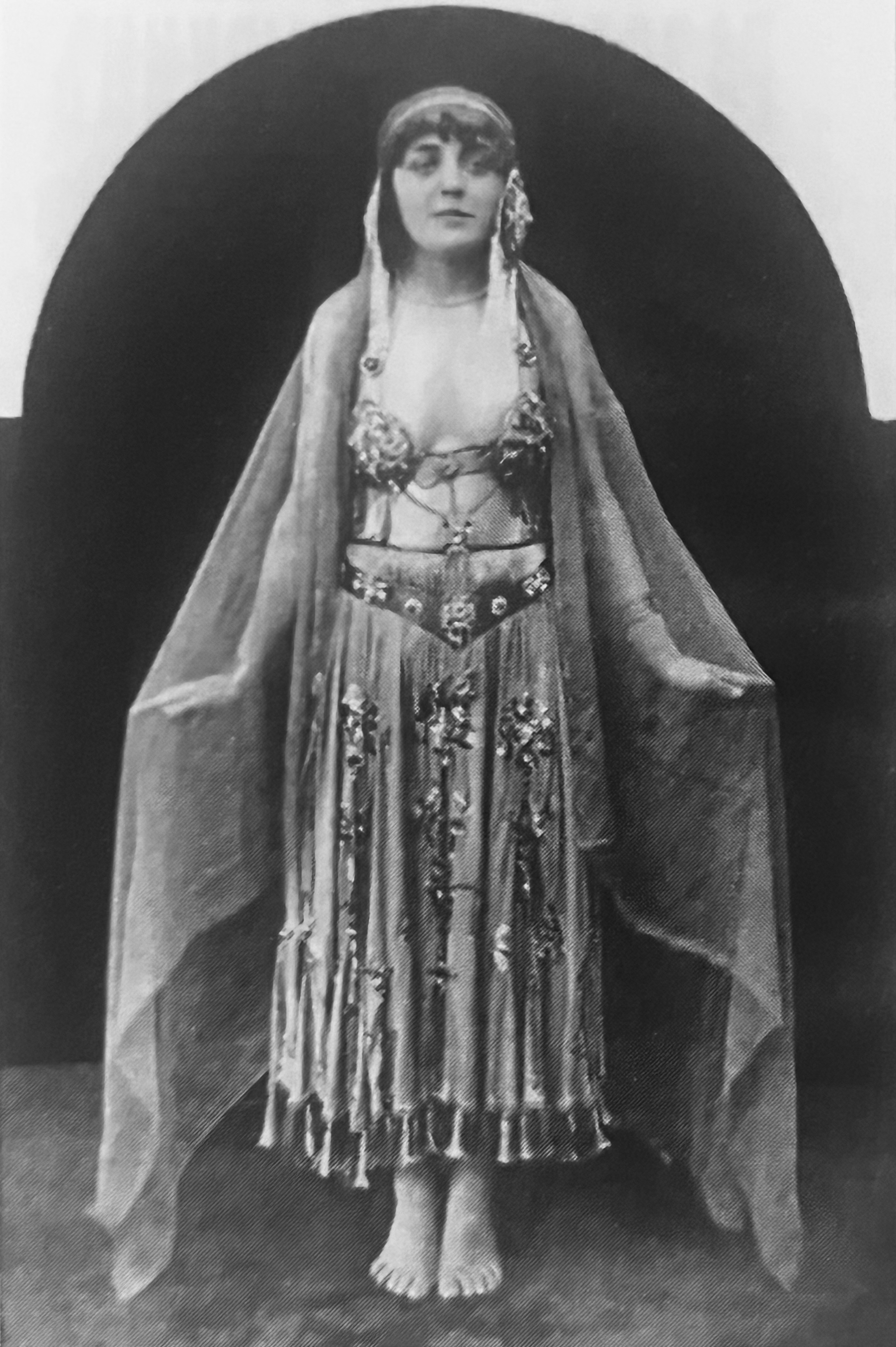 Cinematic perspective: Exploring the visual vocabulary of Slave of Sin (1914) through its definitive frames.
Survival & Restoration: Archival Odyssey
Final Appraisal: A Dagger in the Opera Glass

IMDb 6.9
1929
Community
Log in to comment.