Summary
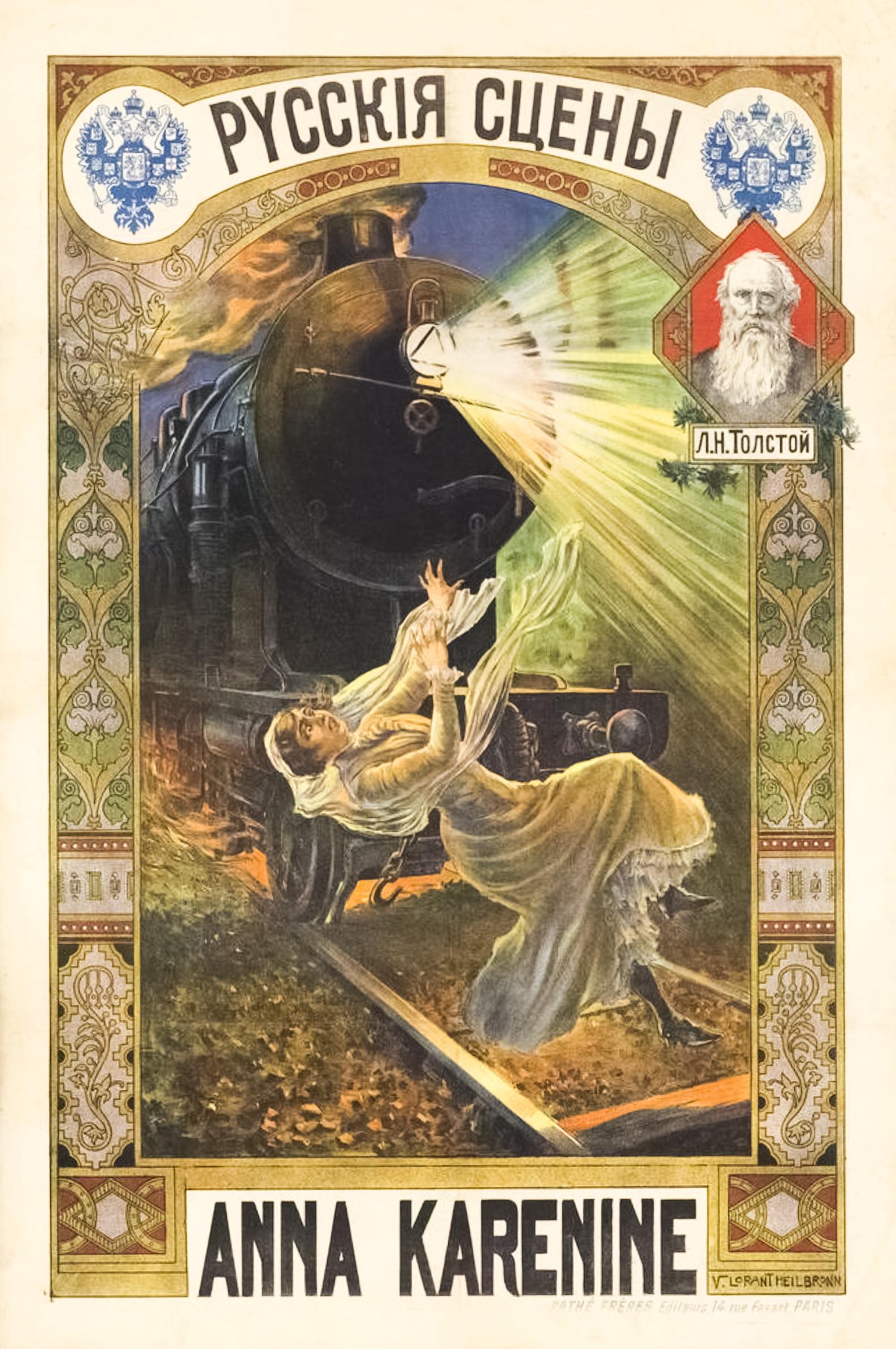
Snow-laden Moscow breathes like a jewelled lung beneath the whip-crack of winter bells; Countess Anna Arkadyevna Karenina, porcelain-skinned custodian of aristocratic poise, glides through gilded ballrooms where gossip hangs heavier than chandeliers. One flicker of her gloved hand across cavalry officer Alexei Kirillovich Vronsky’s epaulette ignites a neural wildfire—husband Karenin’s bureaucratic rectitude, son Seryozha’s downy innocence, and the entire hypocritical machinery of Imperial etiquette splinter under the seismograph of yearning. What follows is not a linear seduction but a kaleidoscopic implosion: railway wheels sing a funeral lullaby long before the final dive beneath them, as every stolen midnight in a Venetian hotel corrodes into opium-thick paranoia. Vronsky’s medals glint ever colder; Anna’s eyes, once limpid pools of social grace, mutate into ink-black moons reflecting a society that brands her scarlet while winking at its own debaucheries. The lovers escape nowhere—St Petersburg drawing rooms merely elongate into mirrored corridors of disdain, breeding silken daggers out of whispers. When Vronsky departs for the Balkan front, he leaves behind not a liberated woman but a marionette whose strings have been sawn off mid-performance; abandoned, Anna pirouettes onto the iron rails that first delivered her into adulthood, embracing the steam-choked abyss with the same fervour she once reserved for illicit kisses.
Synopsis
Countess Anna Karenina is torn between her lover Vronsky, and her husband, Count Karenin. Anna's love to Vronsky causes her much pain and social pressure. Her passion to Vronsky drives Anna to leave her husband, but Vronsky goes to war, leaving her helpless. Anna feels so meaningless and lonely, that she becomes suicidal and throws herself under a train.
Review Excerpt
"
The 1911 screen incarnation of Tolstoy’s leviathan novel arrives like a frost-bitten love letter hurled from the dying twilight of the Tsarist dream. Director Mikhail Troyanovsky—yes, the same Trojanov who also plays Karenin—compresses 800 pages of metaphysical ache into a blistering seventeen-minute fever dream. Celluloid nitrate hisses, hand-tinted amber sparks detonate across the screen, and suddenly the audience is inside Anna’s pulse, a place where lace smells of gunpowder and every flirta..."