DbcultAccessing Vault...
Cult Review
Senior Film Conservator
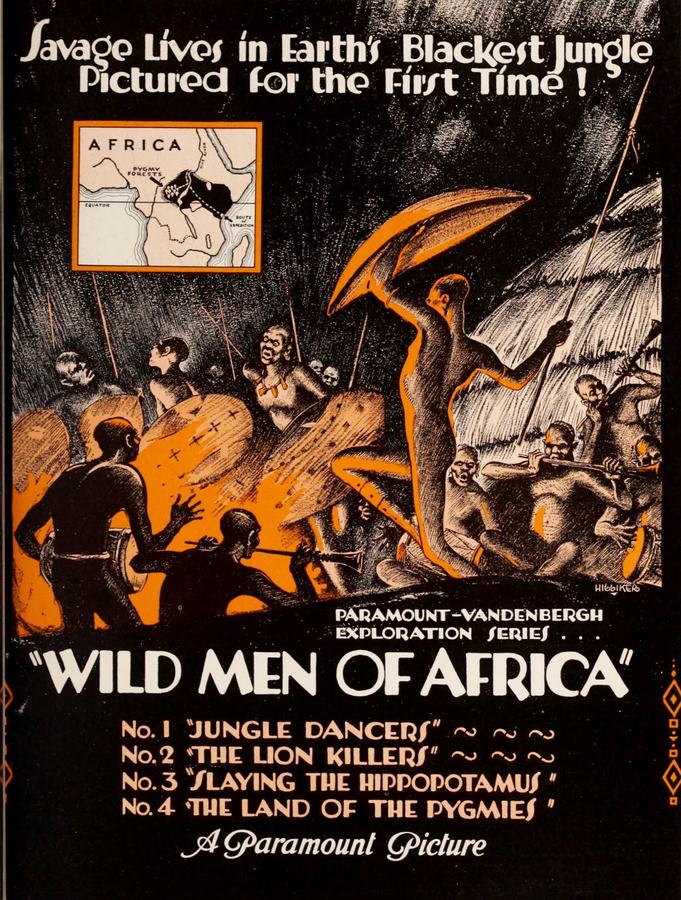
There are films that merely entertain, and then there are those that burrow deep into the subconscious, leaving an indelible imprint. Slaying the Hippopotamus unequivocally belongs to the latter category, a cinematic odyssey that transcends its ostensibly simple premise to become a profound meditation on internal conflict, the seductive nature of delusion, and the terrifying beauty of self-confrontation. From its opening frames, the film establishes an atmosphere of disquieting dread, a slow burn that eschews cheap jump scares for a more insidious form of psychological terror. It's a journey not just into the heart of a primordial wilderness, but into the fractured soul of a man grappling with specters both real and imagined.
At the pulsating core of this existential drama is Leonard J. Vandenbergh's breathtaking performance as Dr. Alistair Finch. Vandenbergh doesn't merely portray Finch; he inhabits him with an unnerving authenticity, crafting a character study of such granular detail that it feels less like acting and more like a visceral manifestation of a disintegrating psyche. Finch, a cartographer by trade, is a man whose life has been defined by lines, boundaries, and precise measurements. Yet, it is within the uncharted territories of his own mind that he finds himself utterly lost. Vandenbergh masterfully conveys this paradox, initially presenting Finch as a figure of meticulous control, his every gesture deliberate, his gaze sharp with intellectual rigor. However, as the narrative progresses and the oppressive weight of the Okavango Delta begins to press in, we witness a gradual, agonizing unraveling. His eyes, once piercing, become haunted, reflecting the encroaching madness like murky pools. The subtle tremors in his hands, the nervous tics that emerge, the increasing dishevelment of his once-impeccable attire—these are not superficial details but profound indicators of a man teetering on the precipice of oblivion.
What makes Vandenbergh's portrayal particularly resonant is his ability to articulate Finch's internal torment without resorting to overt melodrama. His performance is a symphony of suppressed anxieties and simmering guilt, a testament to the power of understated intensity. We see the echoes of his past, a scientific endeavor gone awry, not through laborious exposition, but through the haunted quality of his silences and the sudden flashes of fear that cross his face. This is an actor working at the peak of his powers, crafting a character whose plight feels terrifyingly universal, a reflection of our own hidden fears and unaddressed traumas. His descent into paranoia is so convincing that it forces the audience to question their own perception of reality, blurring the lines between what is objectively real within the film's diegesis and what is merely a projection of Finch's deteriorating mental state. It's a performance that demands multiple viewings, each revealing new layers of complexity and nuance, solidifying Vandenbergh's status as a formidable talent capable of plumbing the deepest abysses of the human condition.
The film's aesthetic is as vital to its narrative as Vandenbergh's performance. The cinematography is nothing short of masterful, transforming the Okavango Delta from a mere backdrop into an active, malevolent character. Long, lingering shots of dense, impenetrable foliage, shimmering heat hazes, and the oppressive expanse of the swamp create a suffocating sense of claustrophobia despite the open environment. The use of natural light, often filtered through the canopy, casts an ethereal, almost hallucinatory glow, further blurring the lines between reality and delusion. The color palette, dominated by muted greens, browns, and the occasional burst of sickly yellow, enhances the feeling of decay and primordial timelessness. The camera often adopts Finch's subjective viewpoint, plunging the audience directly into his paranoia, with disorienting angles and sudden, jarring cuts that mirror his fractured mental state.
Equally compelling is the film's sound design, which eschews conventional scoring for an immersive tapestry of natural and unsettling audio cues. The chirping of unseen insects becomes a relentless, buzzing drone; the distant roar of an animal morphs into a primal scream; the gentle lapping of water against the canoe transforms into a menacing gurgle. These ambient sounds are expertly woven into the fabric of the narrative, amplifying the tension and contributing significantly to the film's pervasive sense of unease. The absence of a traditional musical score in many key sequences forces the audience to confront the raw, unfiltered sounds of Finch's deteriorating reality, making the rare moments of musical intrusion all the more impactful. This meticulous attention to sensory detail ensures that the audience is not merely watching Finch's descent, but experiencing it alongside him, a testament to the film's profound commitment to immersive storytelling.
The titular 'hippopotamus' is, of course, far more than a mere creature of the swamp. It functions as a potent, multi-layered symbol, shifting in meaning as Finch's mental state deteriorates. Initially, it represents an external, scientific curiosity—a mythical beast to be cataloged and understood. However, as the narrative progresses, it transmutes into a manifestation of Finch's deepest fears and unaddressed traumas: the guilt of a past failure, the hubris of his intellectual pursuits, and the suffocating weight of his own internal monsters. It is the chthonic embodiment of everything he has sought to suppress, a colossal, primal force that rises from the depths of his subconscious to demand confrontation. The 'slaying' of this beast, therefore, is not a literal act of violence against an animal, but a cataclysmic, symbolic exorcism of his own monstrous self. It is a battle for the very soul of Alistair Finch, a struggle between the rational, ordered mind he once possessed and the chaotic, primal forces threatening to consume him. This thematic depth elevates Slaying the Hippopotamus beyond a simple adventure story into the realm of profound existential drama, inviting viewers to ponder the nature of their own internal struggles.
The film's exploration of guilt and redemption, or perhaps the lack thereof, resonates deeply with the introspective journey seen in films like The Tempest, where characters are marooned and forced to confront their past actions and inner demons. Similarly, the creeping paranoia and blurring of reality echo the psychological unraveling found in the best of noir, or perhaps even the more abstract horrors of Fantômas: The False Magistrate, albeit with a focus on internal rather than external deception. The film doesn't offer easy answers or clear-cut resolutions, instead opting for an ambiguous, unsettling conclusion that forces the audience to grapple with the implications of Finch's ultimate fate. Does he achieve liberation through confrontation, or is he utterly annihilated by the very forces he sought to conquer? The brilliance lies in its refusal to provide a definitive answer, leaving the viewer to ponder the enduring power of the human psyche and its capacity for both self-destruction and profound transformation. It's a narrative choice that lingers long after the credits roll, cementing the film's status as a thought-provoking masterpiece.
In an era saturated with superficial thrills, Slaying the Hippopotamus stands as a towering achievement of psychological horror and art-house cinema. It's a film that demands engagement, rewarding patient viewers with a rich tapestry of thematic depth, visual splendor, and an unforgettable central performance. Comparisons might be drawn to the raw, visceral exploration of motherhood and societal pressure in films like Motherhood or Sa gosse, where internal struggles are magnified by external circumstances, though Slaying the Hippopotamus takes a decidedly more abstract and primal route. The film’s audacity in its narrative structure, its refusal to spoon-feed information, and its reliance on atmosphere and performance over plot mechanics solidify its place as a unique and essential piece of cinematic artistry. It asks difficult questions about identity, sanity, and the monsters we create within ourselves, leaving an echo that resonates far beyond the confines of the screen.
This is not a film to be passively consumed; it is an experience to be absorbed, dissected, and allowed to fester. Its enduring power lies in its ability to tap into universal anxieties, presenting a mirror to the audience's own vulnerabilities and hidden fears. The directorial vision, while not explicitly attributed to a single writer here, feels cohesive and singular, a testament to a creative team deeply committed to their artistic endeavor. Every frame, every sound, every agonizing silence contributes to a meticulously crafted psychological landscape. It’s a work that challenges, provokes, and ultimately, profoundly moves its audience, confirming its status as a masterpiece that will undoubtedly be studied and revered for generations to come. It’s a testament to the fact that the most terrifying journeys are often those undertaken within the confines of one's own mind, and that the most formidable beasts are often those we carry within ourselves. A truly monumental cinematic achievement.
IMDb 5.1
1929
Community
Log in to comment.