Summary
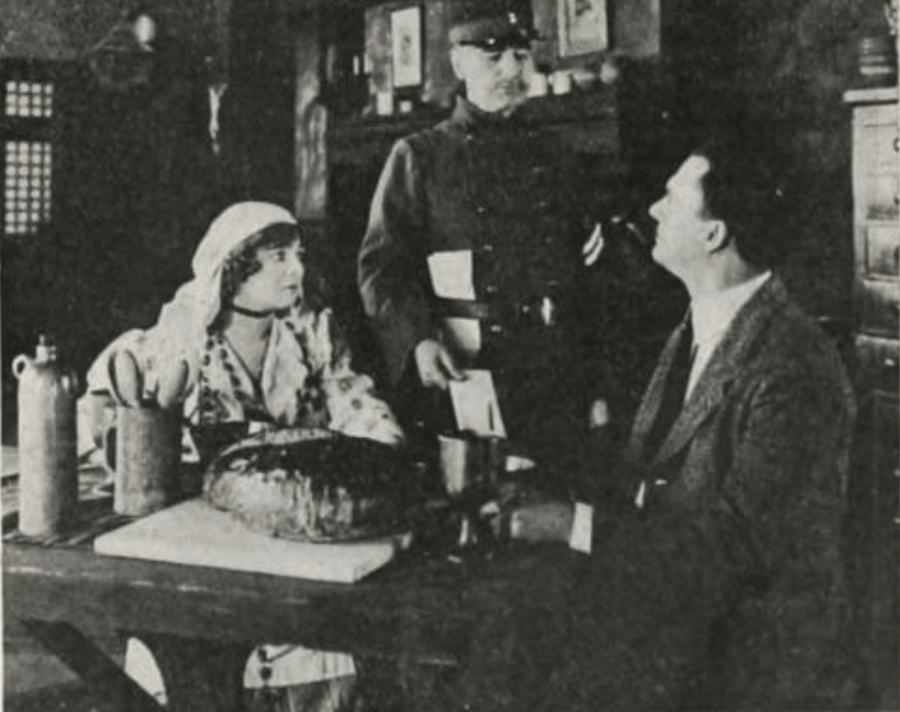
In the hush of a parlour aglow with Edison bulbs, a middle-class American husband and wife crack open a gilt-edged storybook and inhale the acrid smoke of another continent’s tragedy: Albert, a Breton ploughman conscripted into a sepia war, returns home on a single furlough to find his cottage requisitioned by an enemy captain whose epaulettes glint like guillotine blades; Louise, his wife, moves through her own rooms like a ghost, her womb already secreting the fruit of a night whose memory she has tried to drown in well-water and prayer. When the armistice bugles fade, Albert strides back along rutted roads expecting triumph, but is met instead by a cradle that might as well be a coffin: the infant son he had dreamed of naming after the harvest moon is a living indictment, swaddled in silence because Louise has never dared to touch the small fists that might resemble the intruder’s jawline. In a single candle-lit reckoning she confesses the occupation of her body as bluntly as any village burned on the horizon, and Albert—his face a cracked icon of soldierly honour—raises the child like a defective rifle, meaning to dash it against the hearth. Louise’s motherhood, until now paralysed by shame, detonates into a primal roar: she throws herself between man and destiny, arms outstretched in a Pietà reversed, forcing Albert to confront the abyss of his own absolutism. Blood, not the child’s, is spilled that night—only the blood of the old world, dripping from a marriage that will limp forward on the crutch of shared guilt. Back in the safe circle of lamplight, the American couple close the book just as newspaper headlines trumpet that their nation has sidestepped the conflagration; their relieved laughter ricochets against the nursery wallpaper, oblivious to the way the European parable has already stained their own unborn futures.
Synopsis
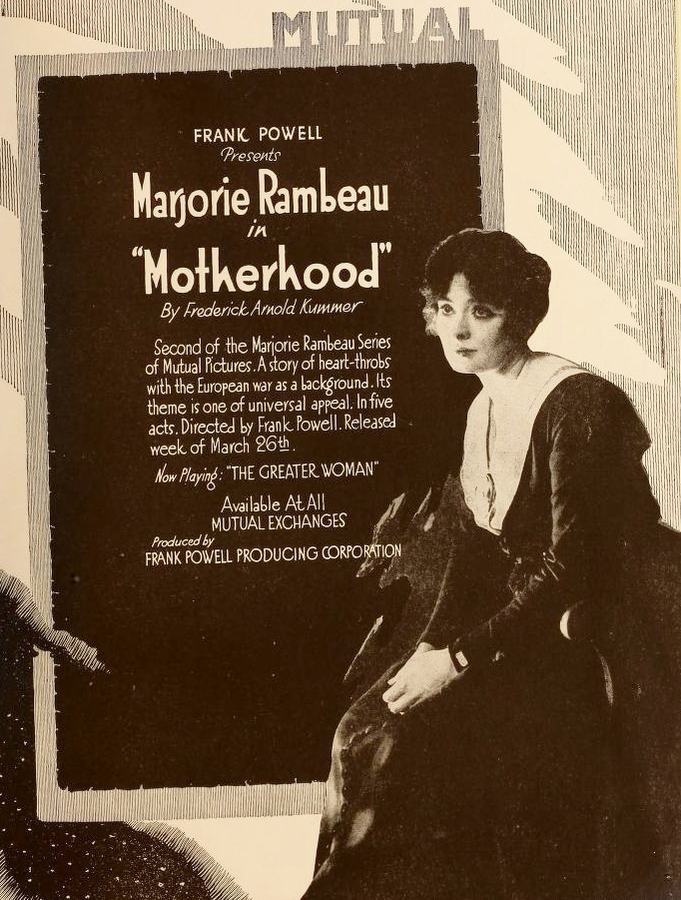
The husband and wife of a typical American family read the story of Albert and Louise, European peasants. Albert, called to war, is able to come home but once during the conflict. The captain of the enemy takes up his headquarters in Albert's house and forces his attention upon Louise. War over, Albert returns home rejoicing in the news of the birth of a son. He is told Louise has never looked at or touched the baby. Demanding an explanation Louise tells of the visit of the captain. Albert would kill the child, but Louise's motherhood asserts itself and she saves its life. The American family rejoice on completing the story that America is at peace.
Review Excerpt
"
There are films that whisper, and there are films that slap. Motherhood—released in the exhausted aftermath of the Great War—does both, often in the same breath. It is a morality play soaked in moral rot, a pastoral fable that suddenly pulls back the curtain to reveal a trench full of corpses. You come expecting D. W. Griffith-style sentiment; you leave with the taste of iron on your tongue.
Director Frederic Arnold Kummer and scenarist Clara Beranger adapt a stage sketch into a Russian-doll n..."