DbcultAccessing Vault...
Cult Review
Senior Film Conservator
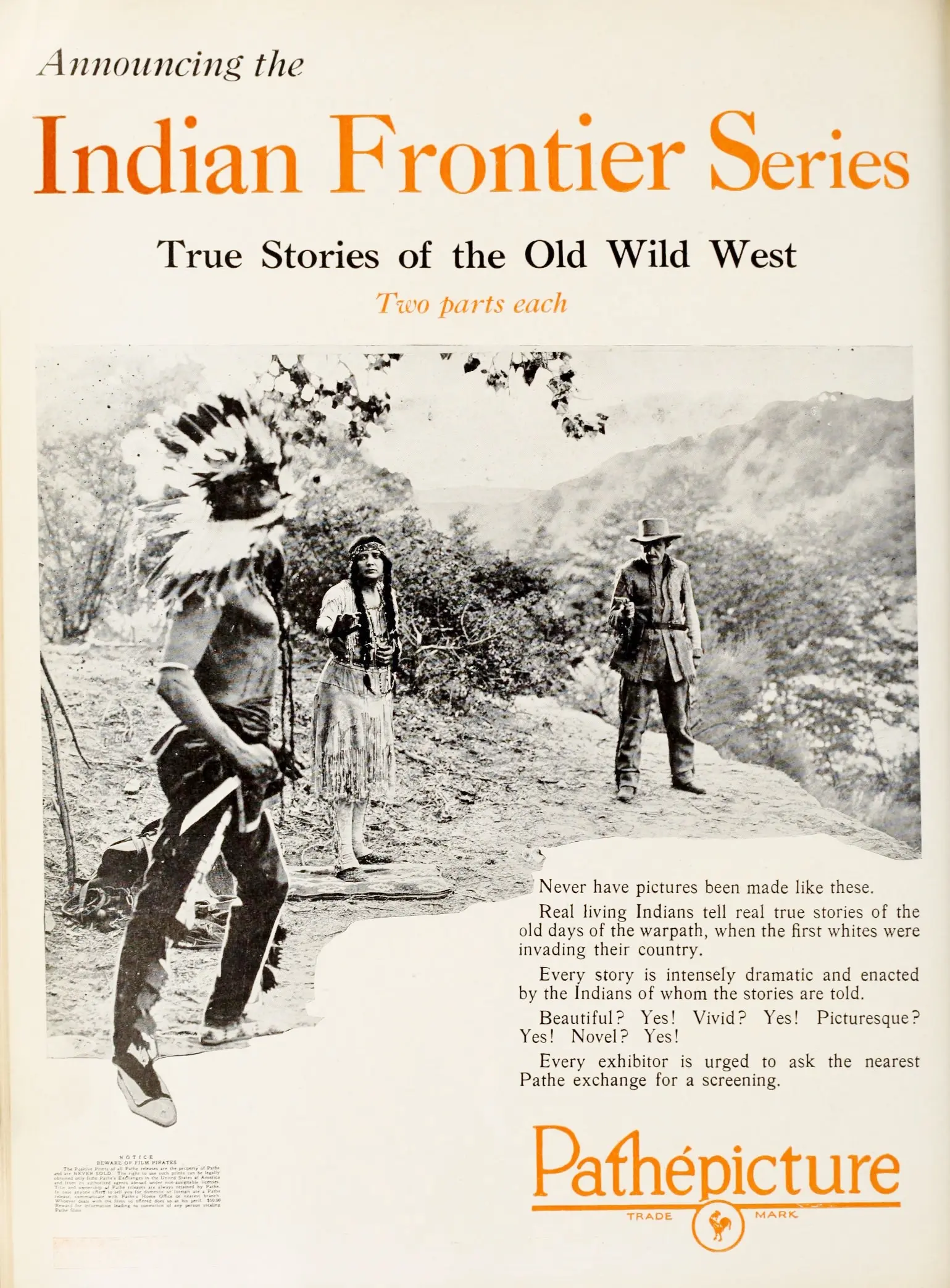
In the nascent years of the cinematic medium, few themes resonated with as much visceral complexity as the intersection of cultural identity and the rugged American landscape. Paul Hurst’s The White Man Who Turned Indian (1914) stands as a monumental, if often overlooked, exploration of this very friction. It is a film that eschews the simplistic jingoism often found in contemporary shorts, opting instead for a poignant meditation on the fluidity of the soul. Unlike the chaotic moral descent depicted in The Sons of Satan, Hurst’s work here is anchored by a sense of inevitable destiny, a quiet acceptance of a life chosen rather than a life inherited.
The film opens with the arrival of Col. McCoy, a character who serves as the audience’s surrogate into a world that was, even in 1914, being rapidly mythologized. McCoy is not a conqueror but a diplomat of the spirit, his mastery of sign language signifying a profound respect for the Arapahoe people. This introduction is crucial; it sets a tone of mutual dignity that was far from standard in the early Western genre. When McCoy encounters the 'White Indian,' the film shifts from a travelogue of the frontier into a psychological investigation. The man he finds is not a captive, nor is he a victim of 'Stockholm Syndrome'—a term that would not exist for decades—but rather a man who has undergone a complete ontological restructuring. He is an Arapahoe brave in every sense that matters, his white skin merely a vestigial trait of a forgotten past.
The flashback sequence that details the protagonist's origins is handled with a stark, proto-expressionist intensity. The destruction of the family wagon is not merely a plot device; it is the shattering of the Victorian social contract. With the uncle dead and the siblings alone, the wilderness becomes a vacuum that the Arapahoe fill with compassion rather than cruelty. This subversion of the 'savage' trope is fascinating, especially when compared to the more traditional maritime perils found in His Briny Romance. Here, the danger does not come from the indigenous population, but from the internal fractures of the frontier itself—specifically the 'half-breed' antagonist who kidnaps the sister.
The kidnapping and subsequent rescue provide the film with its requisite action, yet Hurst ensures the emotional stakes remain paramount. The sister’s rescue by her brother and her white lover serves as the fork in the road. It is a moment of profound choice. The sister chooses the familiar, the safe, and the racially 'appropriate' path of marriage and return to white society. In contrast, the boy sees in the Arapahoe not just a refuge, but a superior ethos. His decision to remain and become a brave is portrayed not as a tragedy, but as a triumph of individual agency. It echoes the themes of identity manipulation found in The Catspaw, though here the 'paw' is not a tool of a master, but the hand of fate itself.
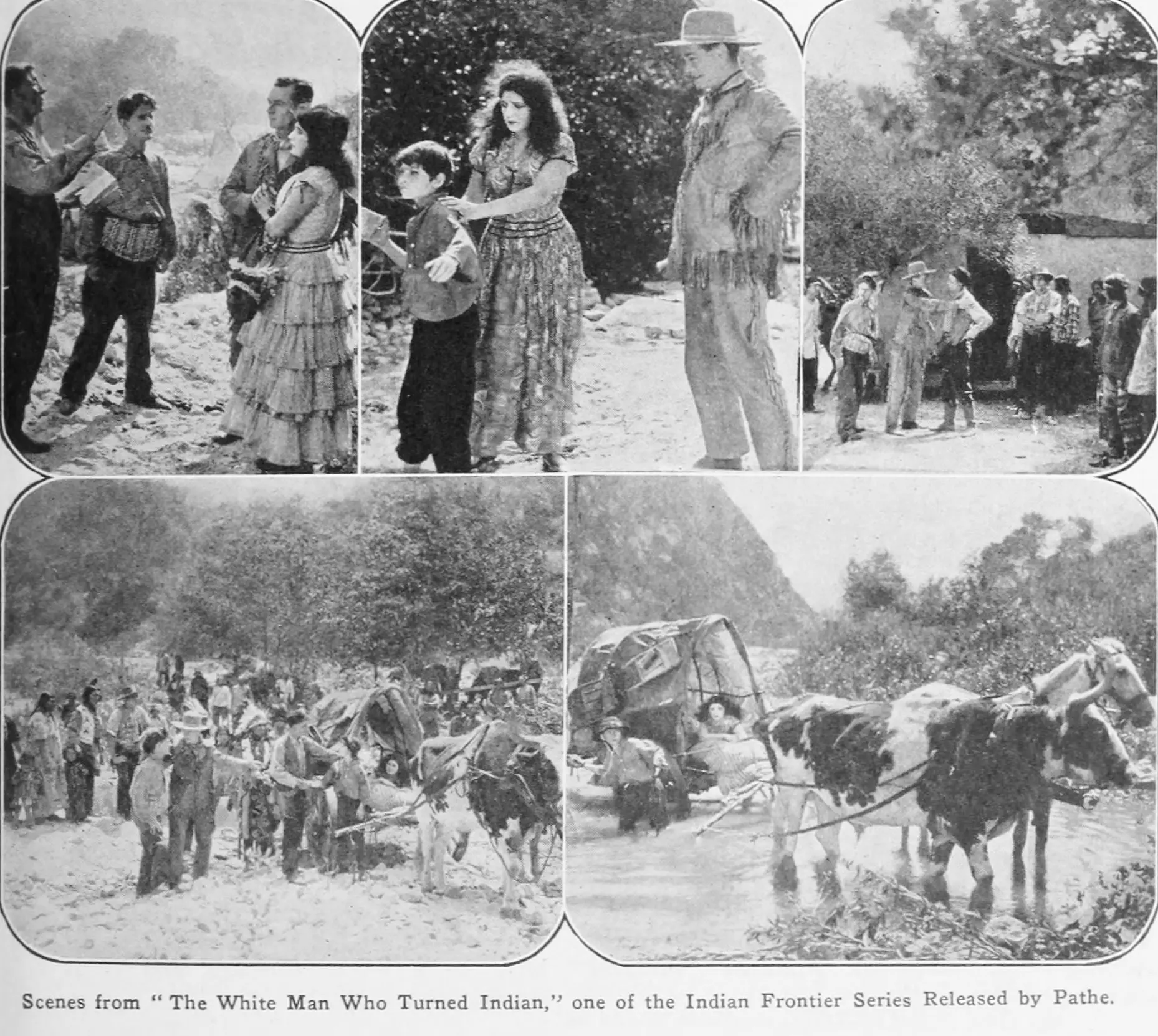
Paul Hurst’s direction is surprisingly sophisticated for the era. He utilizes the natural lighting of the plains to create a sense of vastness that dwarfs the human drama, making the boy’s integration into the tribe feel like a natural extension of the landscape. The pacing is deliberate, allowing the viewer to sit with the silence of the sign language and the weight of the characters' decisions. There is a textural richness here that one might find in The Humming Bird, though the subject matter is significantly more grounded in the dirt and blood of the American West. Hurst understands that the 'White Indian' is a figure of immense narrative power—a bridge between two irreconcilable ways of life.
As both director and actor, Hurst brings a rugged sincerity to the production. His portrayal of the frontier experience avoids the theatricality of Who Loved Him Best?, leaning instead into a stoicism that feels authentic to the period. The supporting cast, particularly those portraying the Arapahoe chiefs, are given a level of screen presence that suggests a genuine attempt at cultural representation, even if filtered through the lens of early 20th-century sensibilities. The film’s refusal to pathologize the boy’s decision to stay is its most radical element. In an era where 'civilization' was seen as an objective good, The White Man Who Turned Indian dares to suggest that the 'primitive' life might offer a more profound sense of belonging.
When comparing this film to European contemporaries like Az utolsó éjszaka, one notices a distinct lack of melodrama in Hurst’s work. While the Hungarian cinema of the time often swirled with operatic passion, this American short is quiet, almost meditative. Even the rescue sequence, while tense, is executed with a pragmatic efficiency. It lacks the whimsicality of The Phantom Fortune or the domestic comedy of Squabs and Squabbles. Instead, it possesses a gravity that demands the viewer take the boy’s transformation seriously.
“The boy’s transition from a survivor of a wagon wreck to a brave of the Arapahoe is not a loss of self, but a discovery of a truer self, unburdened by the expectations of a society that had already failed him.”
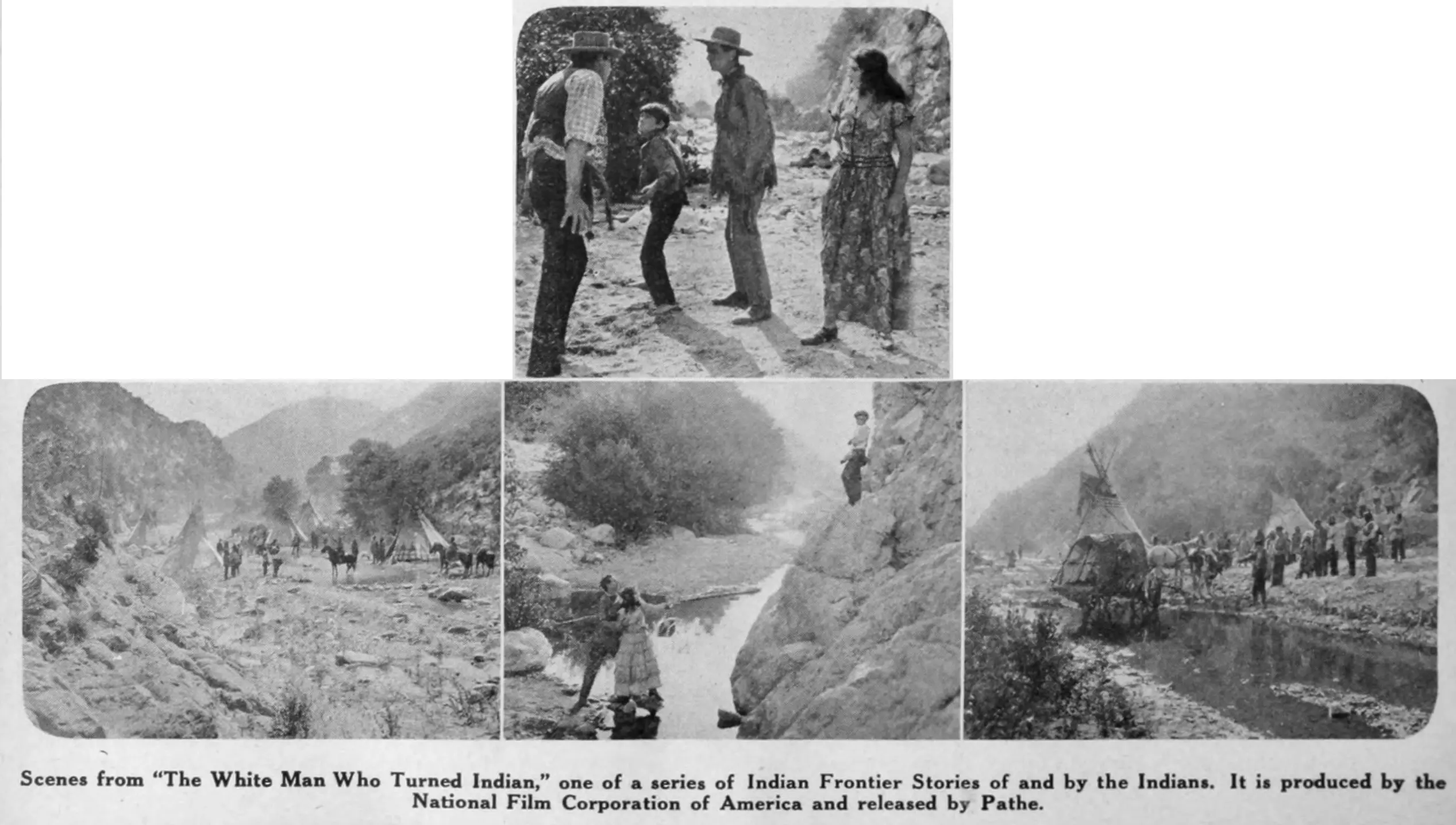
The technical limitations of 1914 are present, of course. The film stock is grainy, and the editing is rudimentary by modern standards. However, these elements actually enhance the film’s atmosphere. The grain feels like the dust of the trail; the jumpy cuts feel like the flickering memories of a man looking back on a long-lost childhood. There is a raw, unvarnished quality here that is missing from more polished productions like Sawdust or the comedic hijinks of What Happened to Jones. Hurst isn’t trying to entertain with spectacle; he is trying to evoke a state of being.
The mystical undercurrent of the land itself is a silent character in the film. Much like the supernatural elements in The Devil-Stone or the haunting atmosphere of Le revenant au baiser mortel, there is a sense that the Western landscape exerts a transformative pressure on those who dwell within it. The boy doesn't just learn the language; he absorbs the spirit of the earth. This is a far cry from the social posturing seen in The Pinch Hitter or the youthful anxieties of Nineteen and Phyllis. This is a story of soul-deep assimilation.
Ultimately, The White Man Who Turned Indian is a foundational text in the cinema of the frontier. It anticipates the complex thematic terrain that later directors like John Ford would explore, but it does so with a singular, quiet intensity. It doesn't need the religious allegories of The Holy City to find its moral center; it finds it in the simple, profound act of a man choosing his people. In the final shots, as McCoy looks upon the man who was once a white boy and is now an Arapahoe brave, we are left with a haunting question about the nature of heritage. Is it something we are born with, or is it something we earn through the lives we choose to lead? Hurst’s masterpiece suggests the latter, providing a timeless resonance that continues to echo through the canyons of film history.
FINAL VERDICT: A TRANSCENDENT SILENT EPIC
IMDb 6.5
1915
Community
Log in to comment.