DbcultAccessing Vault...
5.2/10
Senior Film Conservator
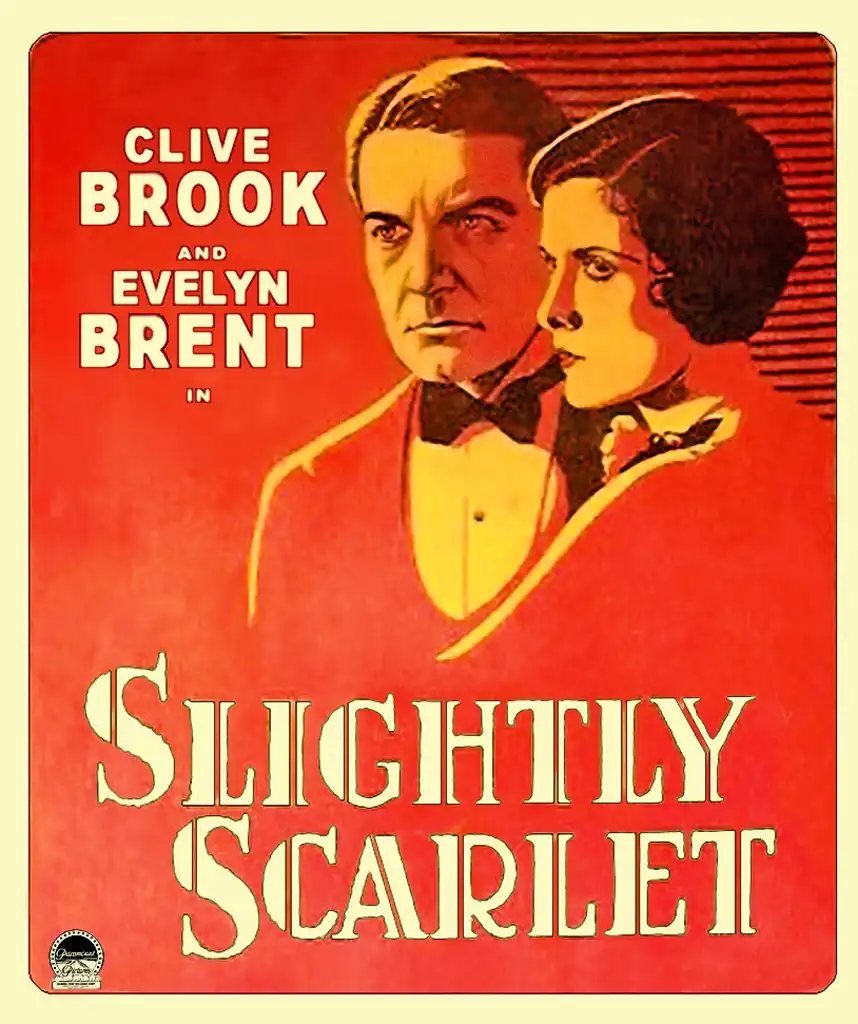
A definitive 5.2/10 rating for a film that redefined the boundaries of cult cinema. Slightly Scarlet remains a cornerstone of transgressive art.
If you enjoy watching movies where people stand perfectly still and talk directly into hidden microphones, you might actually dig Slightly Scarlet. It is a 1930 talkie that feels exactly like 1930, for better or worse. 🎬
Most modern viewers would probably find it slow as molasses. But for those of us who obsess over that weird time when movies were learning how to talk, it is a neat little curio to dig up.
The story is about Lucy, played by Evelyn Brent. She’s an accomplice to a jewel thief who ends up falling for a "gentleman" crook named Courtenay Parkes.
They both decide they want to go straight and live a normal life. This is basically the plot of every third movie made back in the late twenties and early thirties, so don't expect any massive shocks.
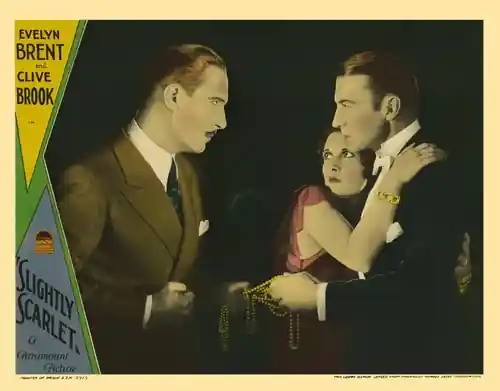
Clive Brook plays the gentleman crook, and he is the weirdest part of the whole thing for me. He is so stiff he might actually be a piece of furniture that someone painted a mustache on.
He moves like a statue that just got permission to take a walk. There is a scene where he holds his hat that feels like it was rehearsed for three weeks just to get the angle right.
It’s a bit different from the energy in something like Dangerous Curve Ahead. That movie feels like it’s moving, while this one feels like it’s posing for a photo.
Evelyn Brent is much better, though. She has these very expressive eyes that seem to know the movie is a bit silly.
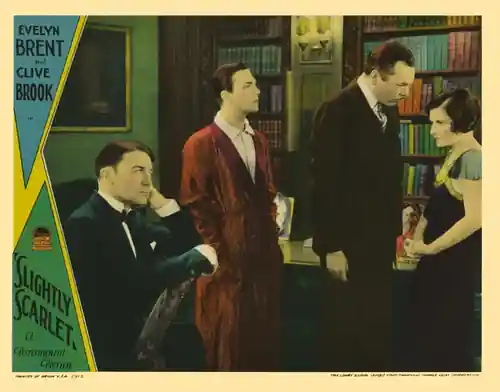
There is a moment where she’s looking at a necklace, and you can see the wheels turning in her head. It isn't just "I want to steal this," it’s more like "I am so tired of this whole routine."
I also have to mention Paul Lukas as the villain, Malatroff. He is properly oily and gross in the way all the best early sound villains are.
He has this habit of leaning way too close into people's personal space. It made me want to lean back in my own chair while watching it.
One of the writers on this was Joseph L. Mankiewicz. Yes, the same guy who eventually did All About Eve and other big classics.
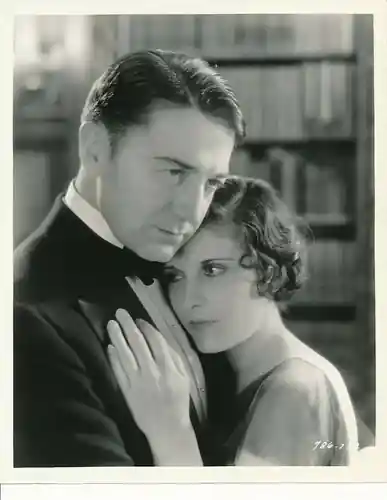
You can hear tiny flashes of his wit in the dialogue, but they are mostly buried under the heavy, stage-play style of the era. The lines are delivered so… slowly… and… clearly.
The microphones back then were basically stationary, so if an actor moved three inches to the left, they’d sound like they were in a different room. You can really feel that fear here.
The crowd scenes are also funny because they feel so empty. It’s like the studio could only afford five extras and told them to stand very far apart.
There is a struggle scene near the end where the boss gets killed. It is the most polite murder I have ever seen in a film.
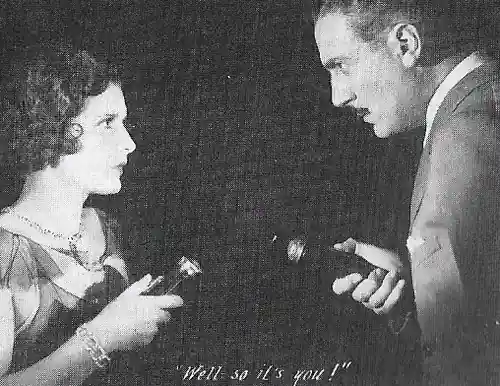
They sort of just tumble over, making sure they don't wrinkle their expensive suits or knock over any of the fancy vases in the room. 👔
Speaking of the room, the sets are actually pretty great. Big French windows, high ceilings, and lots of shiny surfaces that probably looked amazing on a big silver screen in 1930.
It reminds me a bit of the visual style in Snow White, even though that’s way older and a totally different vibe. There is a certain staginess that just works if you’re in the right mood.
"I'm through with the whole business," Lucy says at one point.
I believed her. Mostly because she looked like she wanted to go home and take off those heavy 1930s dresses.
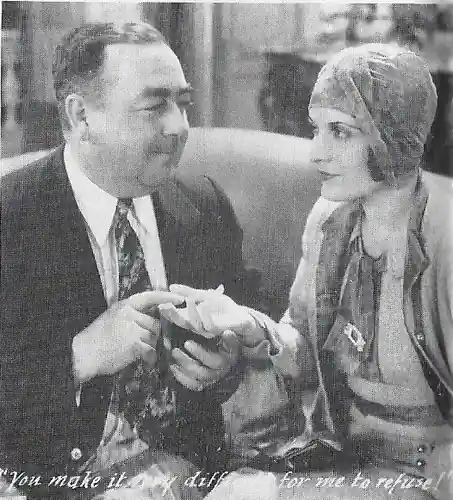
The pacing is definitely an issue. About halfway through, they spend a lot of time talking about things they could have just shown us.
It’s a bit like What Every Woman Learns in how it treats its female lead, though Brent gets more to do here than most women in these early crime flicks.
Is it a masterpiece? No. Is it better than Dodging Trouble? Yeah, probably, if only because the clothes are nicer.
The ending feels a little bit rushed, like the director realized they were running out of time and just decided to stop the movie. It just kind of… happens.
I don't think I'll ever watch it again, but I'm glad I saw it once. It’s like looking at an old photograph of a relative you never met—sort of stiff and formal, but you can see the family resemblance to better things.
If you catch this on a late-night TCM run, don’t turn it off immediately. Give it ten minutes to see if the slow, weird rhythm catches you. 🌙
It’s a movie for people who like to see how Hollywood was figuring things out. It’s not great art, but it’s a fascinating bit of history to sit through for an hour.
Plus, Evelyn Brent really was a star. Even in a clunky box like this, she shines through the grainy film and the muffled sound.
IMDb —
1925
Community
Log in to comment.