DbcultAccessing Vault...
Cult Review
Senior Film Conservator
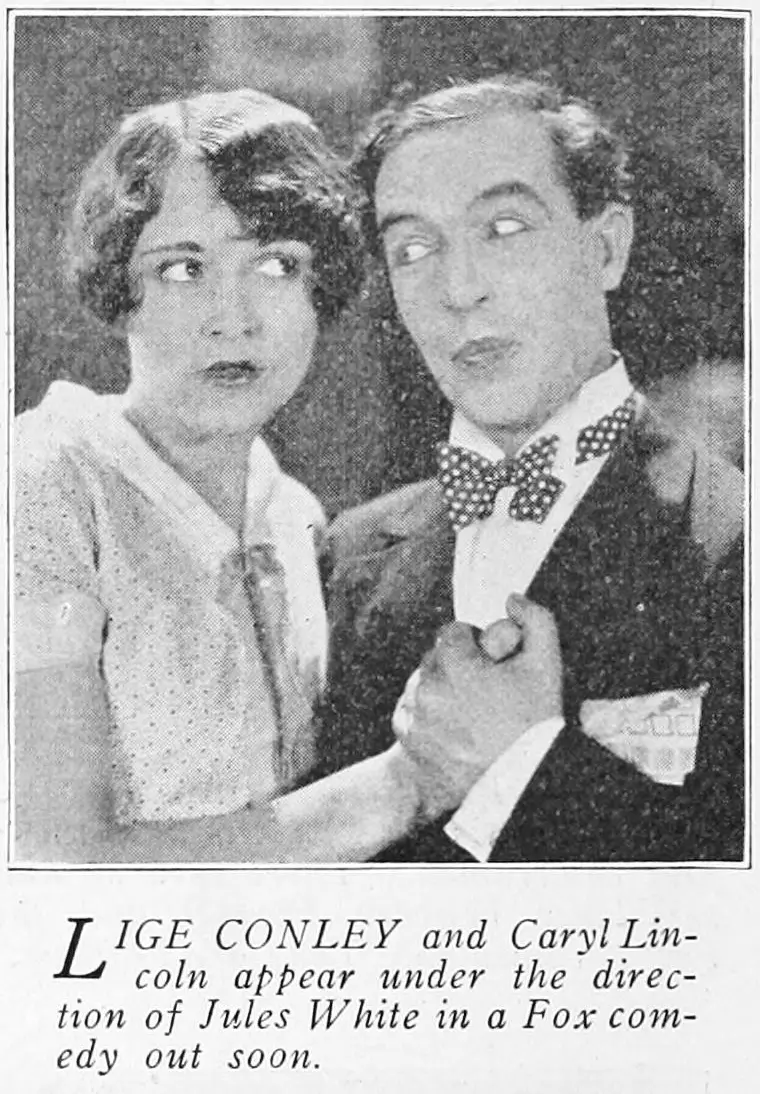
Slippery Silks is only worth your time if you are a completionist of the Educational Pictures library or a dedicated student of 1920s physical comedy. For the average viewer, it is a loud, repetitive exercise in slapstick that lacks the character depth or inventive choreography found in the work of the era's icons. It is a functional piece of entertainment that has not aged with any particular grace.
This film works because Lige Conley is a genuinely gifted athlete who throws himself into every fall with a reckless disregard for his own skeleton.
This film fails because it treats its central premise—people slipping on fabric—as an inexhaustible well of comedy, repeating the same basic gag until the humor is replaced by irritation.
You should watch it if you have already seen every major short by Keaton and Lloyd and want to see the frantic, lower-budget style that dominated the secondary market in 1927.
The setup of Slippery Silks is as thin as the fabric it mocks. We are in a high-end fashion boutique, a setting that usually allows for sharp social satire or at least some clever visual contrast between the dignified and the ridiculous. Instead, directors Phil Whitman and Henry Johnson use the setting as a mere obstacle course. Lige Conley is the engine of the film, and while he moves with a frantic energy similar to what we see in The Lightning Slider, he lacks the specific persona that makes a comedian someone you actually want to root for.
The primary gag involves bolts of silk being unrolled across the floor. It’s a one-note joke. Someone walks, someone slips, someone falls. This happens repeatedly. Unlike the best silent shorts, where a gag evolves—think of the house falling in Steamboat Bill, Jr. or the clock sequence in Safety Last!—Slippery Silks just hits the same beat. The physics of the comedy are predictable. There is no escalation of stakes, only an escalation of noise.
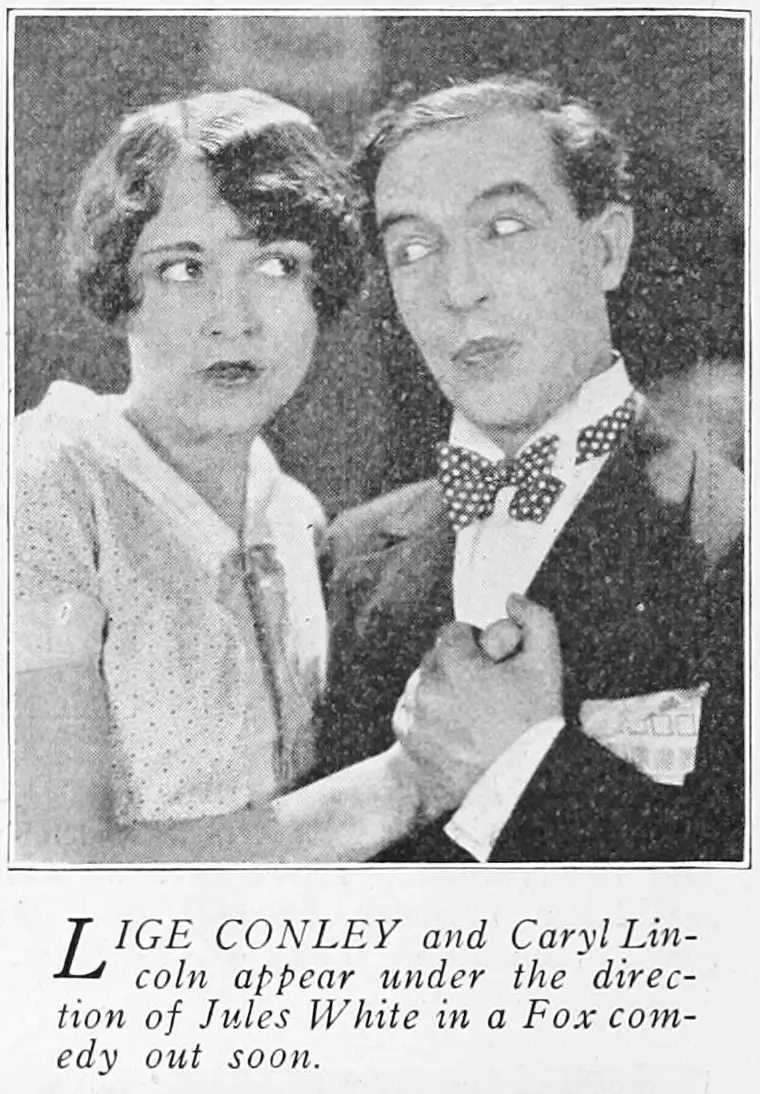
John Kolb and Frank J. Coleman provide the necessary foils for Conley, but they are playing types rather than characters. The most notable supporting presence is Babe London, whose career often involved being the literal and metaphorical punchline for her physical size. In Slippery Silks, the humor derived from her presence feels particularly lazy. The film relies on the visual of a larger woman struggling with delicate silk, a trope that felt tired even in the late twenties and feels outright prehistoric now.
The pacing is relentless, which is often mistaken for being good. In reality, the film suffers from a lack of rhythm. It starts at a ten and stays there, never allowing the audience a moment of quiet to reset their expectations. This is a common flaw in the shorts produced by Educational Pictures; they were often marketed as "The Spice of the Program," but too much spice just ruins the meal. Compared to more balanced shorts like Just a Good Guy, this film feels like it's trying too hard to compensate for a lack of genuine wit.
Technically, the film is competent. The interior of the shop is well-lit and provides a clean backdrop for the physical stunts. However, the cinematography is entirely static. There is no attempt to use the camera to enhance the comedy. Every gag is captured in a wide or medium shot that feels more like a recorded stage play than a piece of cinema. When you look at the sophisticated visual choices being made in 1927 in features like Sunrise or even in the more ambitious shorts of the time, Slippery Silks feels like a step backward.
"Slapstick is a game of physics, and Slippery Silks forgets that for physics to be funny, there needs to be a sense of surprise. You can only watch a man slide across a floor so many times before you start checking your watch."
Pros
Cons
Slippery Silks is a minor footnote in the history of silent comedy. It demonstrates the sheer athleticism required of performers during this era, but it fails to do anything interesting with that effort. It is a frantic, often tiring 20 minutes that proves a single good idea—if you can even call "slippery fabric" an idea—is not enough to sustain a film. It is loud, it is messy, and ultimately, it is forgettable. Skip it unless you have a professional reason to watch it.
IMDb 6.9
1927
Community
Log in to comment.