DbcultAccessing Vault...
6.4/10
Senior Film Conservator
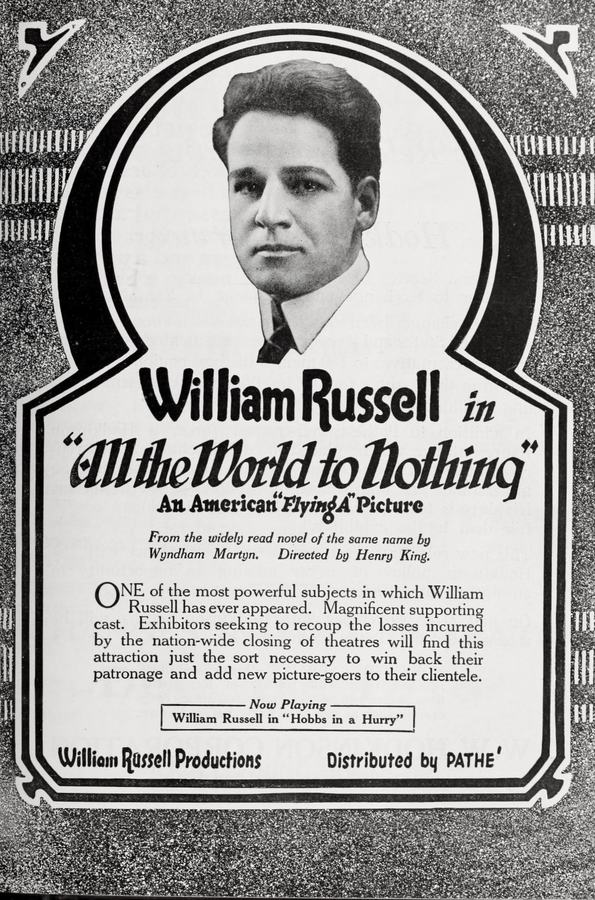
A definitive 6.4/10 rating for a film that redefined the boundaries of cult cinema. All the World to Nothing remains a cornerstone of transgressive art.
In the annals of early cinema, where narrative ingenuity often blossomed from the limitations of the medium, All the World to Nothing emerges as a particularly compelling artifact. This 1918 silent drama, penned by the prolific Jules Furthman, is a testament to the era's capacity for intricate plotting and character-driven storytelling, even without the benefit of spoken dialogue. It's a fascinating study of how desperation can forge unexpected bonds, how societal expectations can drive absurd decisions, and how the labyrinthine paths of fate often lead to the most delightfully ironic conclusions. Far from being a mere relic, this film offers a vibrant window into the sensibilities of its time, delivering a romance steeped in both convenience and genuine affection, all wrapped in a cloak of financial intrigue.
The narrative unfurls with the introduction of Richard Chester, portrayed with a compelling blend of dashing despair and burgeoning resolve by William Russell. We encounter Richard at a nadir, his fortunes obliterated by the unforgiving turn of cards at a poker table. This opening scene isn't just a plot device; it’s a crucial character beat, instantly establishing Richard as a man on the precipice, stripped of his worldly possessions and facing an uncertain future. His subsequent blunder into the apartment of Nora Ellis, played with an exquisite balance of vulnerability and quiet strength by Winifred Westover, sets the entire complex machinery of the plot into motion. Nora, too, finds herself in a precarious position, having just inherited a substantial fortune, albeit with a rather extraordinary stipulation: she must marry immediately. It's a contrivance that, while perhaps melodramatic by modern standards, perfectly encapsulates the societal pressures and narrative liberties characteristic of early 20th-century storytelling, reminiscent of the dramatic stakes found in films like The Foundling, where a character's destiny is irrevocably altered by an unexpected turn of events.
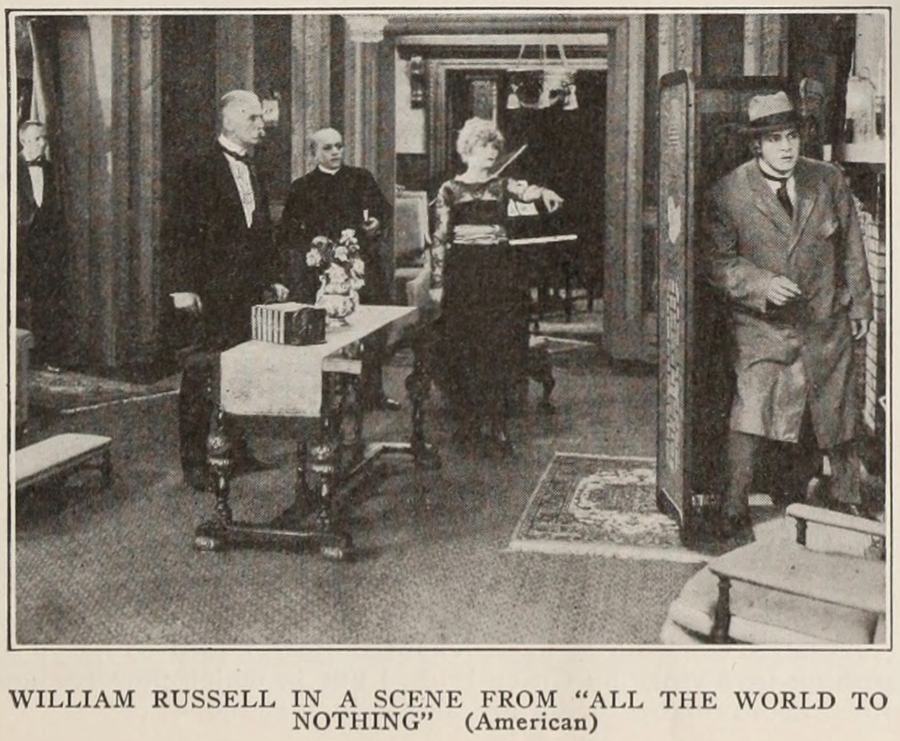
The ensuing marriage of convenience between Richard (now cleverly assuming the alias Chester Dick, a subtle nod to his fractured identity) and Nora is a masterstroke of dramatic irony. He marries her, securing her inheritance, and then promptly vanishes, fulfilling the letter of the law without any emotional entanglement. This act of detachment, seemingly cold and transactional, is the very foundation upon which their eventual, genuine connection will be built. It’s a testament to Furthman’s writing that he can take such an unromantic premise and slowly infuse it with layers of human emotion and burgeoning affection. The audience, privy to the full scope of the situation, watches with bated breath as the characters navigate a world where their initial actions have unforeseen and profound consequences, much like the intricate web of cause and effect explored in Chains of the Past, where earlier decisions cast long shadows over future lives.
Enter Charles Renalls, Nora's persistent suitor, embodied with a slick, self-serving demeanor by J. Morris Foster. Renalls, entirely oblivious to Nora's secret marriage, misinterprets her newfound wealth as the sole impediment to their union. His assumption that her fortune is the only thing standing in his way, rather than a genuine lack of affection, fuels a sinister plot. He conspires to ruin her financially on the market, believing that by stripping her of her wealth, he can make her vulnerable and thus accessible to his advances. This Machiavellian scheme provides the necessary external conflict, elevating the film beyond a simple romantic comedy into a gripping drama of financial maneuvering and moral corruption. Hayward Mack, though perhaps in a more supporting capacity, would have contributed to the ensemble's overall dynamic, adding texture to the world these characters inhabit. The interplay of greed and ambition here is not unlike the themes found in films such as Sowers and Reapers, where the moral choices of individuals inevitably dictate their harvest, for better or worse.
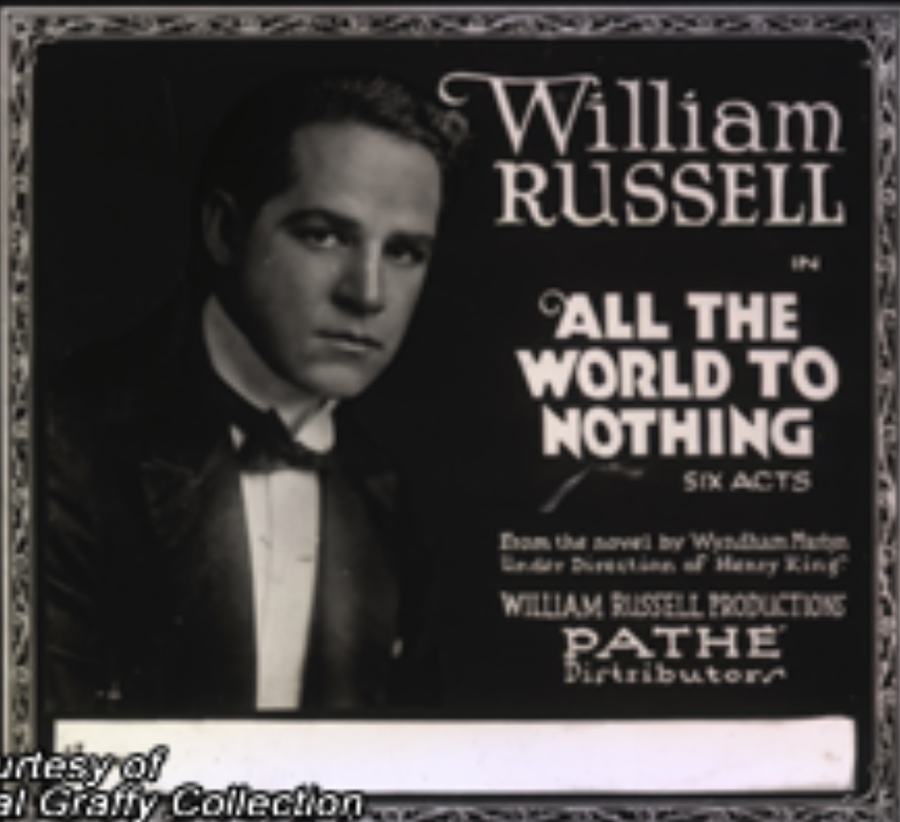
The brilliance of Furthman’s script truly shines as Richard, now detached from his initial desperation, learns of Renalls' nefarious intentions. The man who married Nora for convenience, and then abandoned her, now feels an unexpected surge of protectiveness. His subsequent actions are a testament to a burgeoning sense of responsibility and, perhaps, an unacknowledged affection. Richard masterfully turns the tables on Renalls, orchestrating his rival's financial downfall. This act of clandestine heroism is pivotal, transforming Richard from a cynical opportunist into a silent guardian. It's a satisfying reversal, showcasing Richard’s inherent decency and strategic acumen, and it lays the groundwork for Nora’s eventual admiration of her mysterious benefactor. The dramatic tension and the swift, decisive action taken by Richard echo the daring escapades seen in films like Flying Colors, where protagonists must act boldly to overcome significant obstacles.
As Nora unknowingly begins to fall in love with Richard, her rescuer, the emotional stakes escalate. She sees him as a kind, powerful figure who saved her from ruin, never once connecting him to the fleeting "Chester Dick" who married her weeks prior. This protracted period of mistaken identity, where the audience is privy to the truth while the protagonist remains delightfully unaware, is a classic device executed with masterful precision. It allows for a slow burn of romantic development, building genuine emotional investment before the inevitable, satisfying reveal. Westover's portrayal of Nora during this phase is particularly nuanced, conveying a woman who is strong yet susceptible to genuine affection, and whose heart is slowly, organically captured by the man who is already her husband. It’s a delicate dance of sentiment that could easily veer into farce, but under the guidance of Furthman’s script, it maintains its emotional resonance.
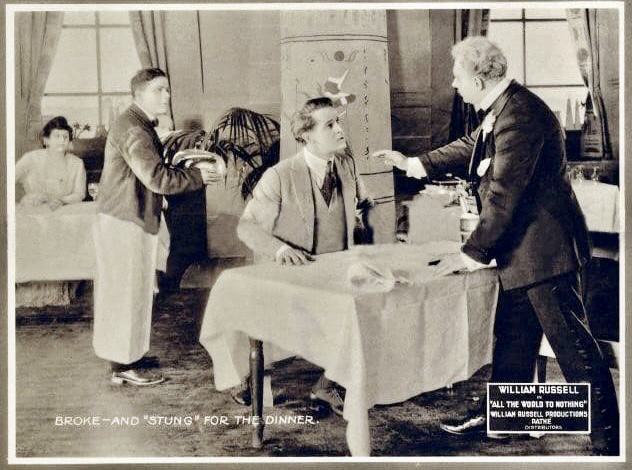
The climax is a triumph of narrative construction. A vengeful Charles Renalls, smarting from his financial ruin and desperate to spoil Richard's chances with Nora, attempts a final, desperate ploy. He confronts Nora, gleefully informing her that Richard is already married and, as proof, claims that Richard carries his wife’s picture in his pocket. This moment is fraught with tension, a potential heartbreak looming large. Yet, in a stroke of brilliant irony, Nora's discovery of the incriminating photograph leads not to despair, but to utter delight. The picture, of course, is her own. The man she has fallen in love with is not only single but is, in fact, already her husband. It’s a revelation that ties every loose thread with a flourish, transforming what began as a pragmatic, almost cynical arrangement into a true love story forged in the crucible of circumstance and mutual respect. This kind of delightful twist, where the truth is hidden in plain sight, can also be appreciated in the intricate mysteries of films like A Melbourne Mystery, where the unraveling of clues leads to unexpected personal connections.
Jules Furthman's screenplay for All the World to Nothing is a masterclass in silent film narrative. His ability to weave together elements of high society drama, financial thriller, and romantic comedy into a cohesive and emotionally satisfying whole is truly remarkable. Furthman, known for his later work on classics like To Have and Have Not and The Big Sleep, demonstrates an early command of character motivation and plot mechanics here. The story never feels convoluted, despite its intricate premise; rather, it unfolds with a logical progression that keeps the audience thoroughly engaged. The pacing is expertly handled, allowing for moments of quiet character development to breathe amidst the more dramatic confrontations. This film serves as a fantastic illustration of the screenwriting craft, showcasing how a well-constructed plot can transcend the limitations of its medium, much like the compelling narrative of The Secret of the Swamp, which similarly relies on careful revelation and escalating tension.
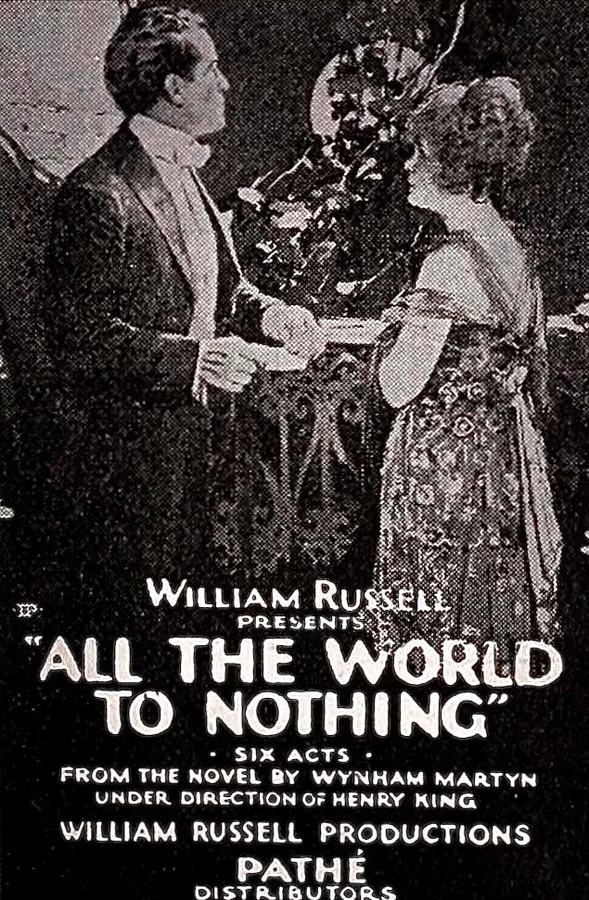
The performances by the lead actors are equally crucial to the film’s success. William Russell imbues Richard Chester with a charismatic presence that makes his initial desperation believable and his later heroism admirable. He navigates the character's journey from a man adrift to a man of purpose with subtle grace, conveying a wealth of emotion through gesture and expression, a hallmark of powerful silent film acting. Winifred Westover, as Nora Ellis, is simply captivating. Her transformation from a woman bound by circumstance to one blossoming into love is portrayed with a delicate authenticity. She makes Nora’s plight sympathetic and her eventual joy utterly infectious. Her performance is a testament to the power of non-verbal communication, akin to the expressive depth found in films like Kvinden med de smukke Øjne, where the eyes themselves tell a story. J. Morris Foster, as the villainous Charles Renalls, provides a suitably slimy antagonist, ensuring that the audience has someone truly despicable to root against, a common yet effective trope, also seen in the clear-cut good vs. evil dynamics of Samson.
Beyond its immediate plot, All the World to Nothing offers intriguing insights into the social fabric of the late 1910s. The premise of an inheritance contingent on immediate marriage speaks volumes about the economic realities and gender roles of the era. Women, even those inheriting fortunes, were often still defined by their marital status. The film subtly critiques this by showing how Nora's 'solution' to her inheritance problem ultimately leads her to genuine happiness, but through a path that initially seems transactional and devoid of romance. It's a commentary on how societal constraints can paradoxically pave the way for personal liberation and unexpected love. This thematic depth elevates the film from mere entertainment to a piece of social observation, much like the more overt social critiques found in films such as Alsace, which explored national identity and societal pressures.
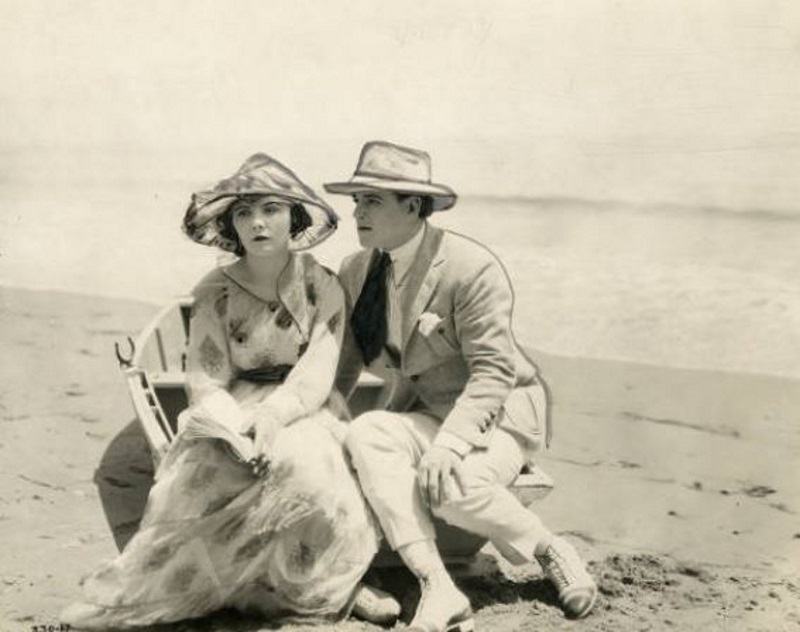
The film's exploration of identity, both assumed and revealed, is another standout feature. Richard's adoption of 'Chester Dick' isn't just a disguise; it's a symbolic shedding of his past failures and an embrace of a new, albeit temporary, persona. The journey back to his true self, and Nora's journey to recognize him, forms the emotional core of the narrative. It’s a powerful metaphor for self-reinvention and the idea that one's true character can shine through, even when obscured by circumstance. The dramatic arc of personal discovery and the overcoming of initial impressions is a timeless theme, expertly handled here, and resonates with the introspective journeys depicted in films like The Awakening of Ruth, where characters undergo significant personal transformations.
The visual storytelling, a cornerstone of silent cinema, is particularly effective in conveying the complexities of this plot. Without dialogue, the actors' expressions, gestures, and the director's use of camera angles and editing must carry the weight of the narrative. The tension of the poker game, the desperation in Richard’s eyes, the initial shock and resignation of Nora, the cunning malice of Renalls – all are communicated with remarkable clarity. The visual language of the film ensures that even the most intricate plot points, such as Richard’s financial counter-scheme against Renalls, are easily understood and emotionally impactful. This reliance on visual cues is a strength, drawing the audience deeper into the cinematic experience, similar to the powerful visual narratives found in The Eyes of the Mummy, where atmosphere and imagery are paramount.
One might draw parallels between the high-stakes world of inherited fortunes and corporate machinations depicted here and other films of the era that explored similar themes. For instance, the dramatic shifts in fortune and the resilience of the protagonist against overwhelming odds could be compared to the adventurous spirit of Caloola, or The Adventures of a Jackeroo, albeit in very different settings. The film also showcases a kind of romantic destiny, where despite all the convoluted circumstances, two people are clearly meant to be together. This sense of an underlying, guiding hand can be seen in various romantic narratives across cinematic history, where fate plays a pivotal role. The unexpected turn of events and the ultimate triumph of good over malevolent intent also brings to mind the dramatic resolution of films like The Flame of the Yukon, where characters face dire situations only to emerge stronger and find their true paths.
Ultimately, All the World to Nothing is more than just a period piece; it's a timeless story of love, deception, and the serendipitous nature of destiny. Jules Furthman's ingenious script, brought to life by the compelling performances of William Russell and Winifred Westover, creates a captivating cinematic experience. It reminds us that even in the most transactional beginnings, genuine connection can blossom, and that sometimes, the greatest revelations are hidden in plain sight, waiting for the perfect moment to emerge. For anyone interested in the rich tapestry of silent cinema, or simply a wonderfully constructed narrative that keeps you guessing until the very end, this film is an absolute treasure, standing proudly alongside other intricately plotted dramas such as Severo Torelli and the emotionally resonant The Ragged Princess. Its enduring appeal lies in its audacious premise and its deeply satisfying resolution, proving that even with no spoken words, a story can speak volumes.
IMDb —
1931
Community
Log in to comment.