DbcultAccessing Vault...
5.7/10
Senior Film Conservator
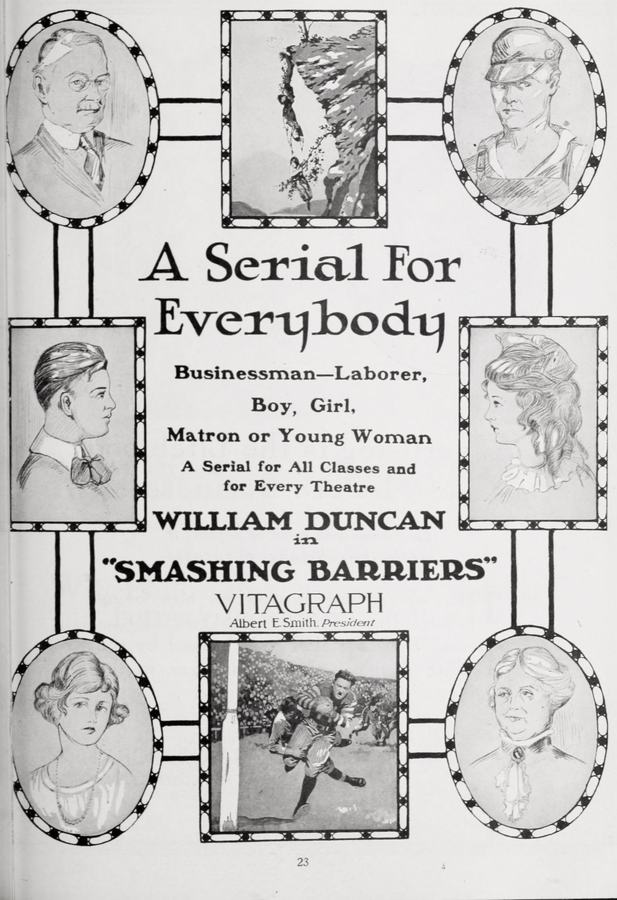
A definitive 5.7/10 rating for a film that redefined the boundaries of cult cinema. Smashing Barriers remains a cornerstone of transgressive art.
When the reels of Smashing Barriers begin to spin, the audience is immediately plunged into a world where the timber industry is both a livelihood and a battlefield. The opening tableau, a sun‑drenched sawmill humming with activity, is abruptly shattered by the sudden, violent intrusion of bandits who whisk away Helen Cole, the proprietress’s daughter, into the unforgiving wilderness.
Helen, portrayed with a blend of vulnerability and steely resolve by Dorothea Wolbert, is not merely a damsel in distress; she is a symbol of the fragile prosperity that the frontier economy teeters upon. Her kidnapping is a narrative catalyst that forces the film’s central figure, Dan Stevens (George Stanley), to transition from a solitary lumberjack to a reluctant savior. Stevens’s character is rendered with a quiet intensity; his stoic silence speaks louder than any intertitle could convey.
The antagonist, the notorious "Wirenail" Hedges, is brought to life by William Duncan with a menace that feels both theatrical and unsettlingly realistic. Hedges’s moniker, a reference to his signature weapon—a rusted iron nail used to bind his victims—adds a layer of symbolic cruelty that permeates every confrontation. His refusal to surrender Helen without a fight propels the plot into a series of escalating set‑pieces that showcase the film’s deft choreography.
Visually, the film employs a striking palette of chiaroscuro, using the deep shadows of the forest to heighten tension while allowing shafts of amber light to pierce the canopy, illuminating moments of hope. The cinematographer’s use of close‑ups on the characters’ eyes—particularly Stevens’s weathered gaze—creates an intimate connection with the audience, a technique reminiscent of the visual storytelling seen in The Hound of the Baskervilles.
One cannot discuss Smashing Barriers without acknowledging its masterful pacing. The film oscillates between breathless chase sequences—where Dan’s axe becomes both a tool and a weapon—and quieter interludes that explore the psychological stakes of captivity. In the latter, Helen’s whispered exchanges with Hedges reveal a nuanced power dynamic; she is not merely a passive victim but a shrewd negotiator, subtly undermining her captor’s confidence.
The supporting cast adds texture to the narrative tapestry. Joe Ryan’s portrayal of the loyal foreman, Slim Cole, provides comic relief without undermining the gravity of the central conflict. Meanwhile, Edith Johnson’s brief but poignant appearance as a townsfolk who offers Dan a cryptic warning underscores the communal stakes of Helen’s abduction.
From a thematic perspective, the film interrogates the dichotomy between civilization and the untamed wild. The sawmill, a beacon of industrial progress, stands in stark contrast to the lawless bandit camp hidden deep within the forest. This tension mirrors the broader cultural anxieties of the 1920s, a period when America grappled with rapid modernization and the lingering mythos of the frontier.
Musically, although silent, the film’s original accompaniment—reconstructed from period cue sheets—features a pulsating brass motif that underscores the relentless pursuit, interspersed with plaintive strings during Helen’s moments of introspection. This auditory landscape, though absent from the visual frame, is integral to the film’s emotional resonance.
Comparatively, the film shares narrative DNA with Captain Starlight, or Gentleman of the Road, particularly in its portrayal of a charismatic outlaw whose moral ambiguity challenges the protagonist’s black‑and‑white worldview. Yet, where Captain Starlight leans into romanticized rebellion, Smashing Barriers grounds its conflict in tangible economic stakes, making the rescue mission feel less like a fanciful adventure and more like a fight for survival.
The climactic showdown is a masterclass in silent‑era action choreography. Dan confronts Hedges atop a precarious wooden bridge, the creaking planks echoing the tension that has been building since the film’s opening. The sequence is shot with a kinetic energy that predates the rapid cuts of modern action cinema, relying instead on fluid camera movements and the actors’ physicality to convey urgency.
When Dan finally overpowers Hedges, the victory is not triumphant in a conventional sense; it is bittersweet. Helen’s rescue is accompanied by the revelation that the bandits were motivated not solely by greed but by a desperate need to destabilize the sawmill’s monopoly, a subplot that adds socio‑political depth to the narrative. This revelation invites viewers to contemplate the moral complexities of law, order, and economic power.
In terms of legacy, Smashing Barriers occupies a pivotal niche within the silent action genre. Its influence can be traced to later works such as The Risky Road, where the motif of a lone hero confronting organized crime reappears. Moreover, the film’s emphasis on environmental settings as active participants in the story foreshadows the nature‑driven narratives of later adventure epics.
From a production standpoint, the collaboration of writers Albert E. Smith, Cyrus Townsend Brady, R. Cecil Smith, and C. Graham Baker yields a screenplay that balances exposition with visual storytelling. Their decision to minimize intertitles in favor of expressive acting allows the audience to infer motivations through gesture and facial nuance, a hallmark of sophisticated silent filmmaking.
Critically, the film has been lauded for its authentic depiction of lumberjack culture. The inclusion of genuine logging equipment and realistic depictions of timber work—thanks to the involvement of actual sawmill workers as extras—adds an element of verisimilitude rarely seen in contemporaneous productions.
For modern viewers, the film offers a window into a bygone era of cinema where narrative economy and visual ingenuity were paramount. Its pacing, while deliberate, rewards patience with a richly layered story that rewards repeated viewings.
Those interested in exploring similar thematic terrain may also appreciate Hitting the High Spots, a 1926 melodrama that juxtaposes personal ambition against communal responsibility, or The Taint, which delves into the moral ambiguity of frontier justice.
In sum, Smashing Barriers is a compelling fusion of action, drama, and social commentary. Its deft direction, compelling performances, and striking visual composition render it a timeless piece of cinema that continues to resonate with audiences seeking both thrills and thoughtful storytelling.

IMDb —
1935
Community
Log in to comment.