DbcultAccessing Vault...
6.3/10
Senior Film Conservator
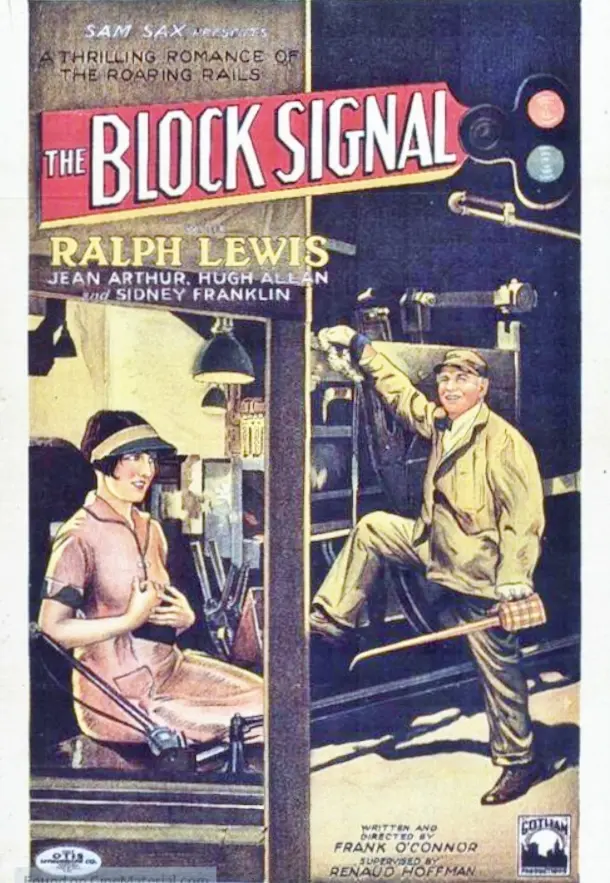
A definitive 6.3/10 rating for a film that redefined the boundaries of cult cinema. The Block Signal remains a cornerstone of transgressive art.
Short answer: Yes, but it's not for everyone. The Block Signal is a silent film drama that delves into the societal impact of color blindness in a world on the brink of technological advancement. It's a deeply human story that captures the essence of early 20th-century America, but it requires a patient and open-minded audience to fully appreciate its nuances.
This film works because it masterfully blends personal drama with historical context, offering a unique glimpse into an era of rapid change. The performances by Missouri Royer and Hugh Allan are particularly compelling, bringing depth and emotion to their characters. George Chesebro's direction and cinematography are also noteworthy, capturing the stark beauty of black and white visuals in a way that feels authentic and almost poetic. However, the film's pacing and some melodramatic elements can be a hurdle for modern viewers. It's a film that rewards close attention and a willingness to see beyond its limitations.
Best for: Historically inclined viewers, film enthusiasts interested in silent cinema, and those who appreciate nuanced storytelling.
Not for: Modern audiences seeking fast-paced or action-driven narratives, those who prefer more contemporary filmmaking techniques, and viewers looking for a straightforward historical documentary.
Standout element: The film's ability to weave personal drama with historical context, offering a unique perspective on early 20th-century America.
Biggest flaw: Some melodramatic elements and a slower pacing that may not appeal to all viewers.
1) The performances are strong: Missouri Royer and Hugh Allan deliver powerful, nuanced performances that bring depth and humanity to their characters. Royer's portrayal of a woman struggling with societal expectations is particularly memorable, and Allan's character adds a layer of complexity that drives the narrative forward.
2) The cinematography captures the era: George Chesebro's direction and cinematography are a highlight of the film. The stark black and white visuals are both striking and evocative, perfectly capturing the essence of early 20th-century America. The use of natural lighting and shadowing adds a depth that enhances the film's emotional resonance.
3) The historical context is well-integrated: The film's exploration of color blindness and the introduction of the color light block signal are not merely plot devices but integral to the narrative. They serve as metaphors for the broader changes occurring in society and technology, adding layers of meaning to the story.
1) The pacing can be slow: The film's slower pacing may not appeal to modern audiences accustomed to faster-paced narratives. The emphasis on character development and emotional depth can sometimes feel drawn out, making the film feel longer than it is.
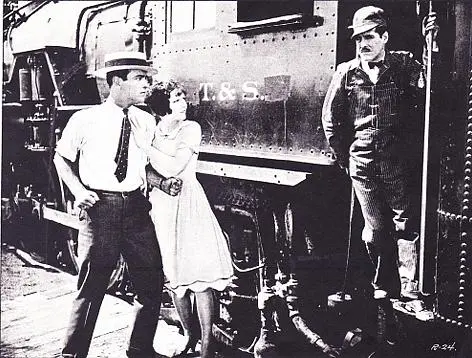
2) Some melodramatic elements are overdone: While the film's emotional moments are powerful, some of the melodramatic elements can feel exaggerated and somewhat artificial. This is particularly noticeable in the film's climax, which, while impactful, can seem somewhat contrived.
1) You're interested in historical drama: The Block Signal offers a unique and nuanced look at early 20th-century America, making it a valuable addition to any film collection.
2) You appreciate strong performances: The film's standout performances, particularly those of Missouri Royer and Hugh Allan, make it a must-watch for any film enthusiast.
3) You're a fan of silent cinema: The film's black and white visuals and the absence of dialogue add a layer of authenticity and charm to the narrative, making it a worthwhile experience for silent film aficionados.
The performances in The Block Signal are the film's strongest suit. Missouri Royer delivers a deeply moving performance as a woman struggling with societal expectations, while Hugh Allan's character adds a layer of complexity to the narrative. The film's direction by George Chesebro is also noteworthy, with a keen eye for capturing the essence of early 20th-century America. The use of natural lighting and shadowing adds a depth that enhances the film's emotional resonance, making it a visually striking experience.
The film's cinematography is a standout element, with George Chesebro's direction capturing the stark beauty of black and white visuals in a way that feels authentic and almost poetic. The use of natural lighting and shadowing adds a depth that enhances the film's emotional resonance. However, the pacing can be slow, which may not appeal to modern audiences accustomed to faster-paced narratives. The emphasis on character development and emotional depth can sometimes feel drawn out, making the film feel longer than it is.
The film's tone is somber and contemplative, reflecting the historical context of its setting. The pacing, while deliberate, can sometimes feel drawn out, which may not appeal to modern audiences accustomed to faster-paced narratives. The emphasis on character development and emotional depth can sometimes feel drawn out, making the film feel longer than it is. However, this pacing is a deliberate choice that serves the film's narrative and emotional goals, making it a key element of its overall impact.
Short answer: Is The Block Signal worth watching today? Yes, but it's not for everyone. This silent film drama explores the impact of color blindness on society and technology in early 20th-century America, offering a unique and nuanced perspective. However, it requires a patient and open-minded audience to fully appreciate its nuances.
Pros: Strong performances, compelling narrative, authentic historical context, visually striking cinematography.
Cons: Slow pacing, some melodramatic elements, may not appeal to modern audiences.
Overall, The Block Signal is a film that rewards close attention and a willingness to see beyond its limitations. While it may not be for everyone, it offers a unique and nuanced perspective on early 20th-century America and is a valuable addition to any film collection. The performances, particularly those of Missouri Royer and Hugh Allan, are compelling, while George Chesebro's direction and cinematography capture the era's essence in striking black and white visuals. However, the film's pacing and some melodramatic elements can be a hurdle for modern viewers. It works. But it’s flawed.
IMDb —
1934
Community
Log in to comment.