DbcultAccessing Vault...
Cult Review
Senior Film Conservator
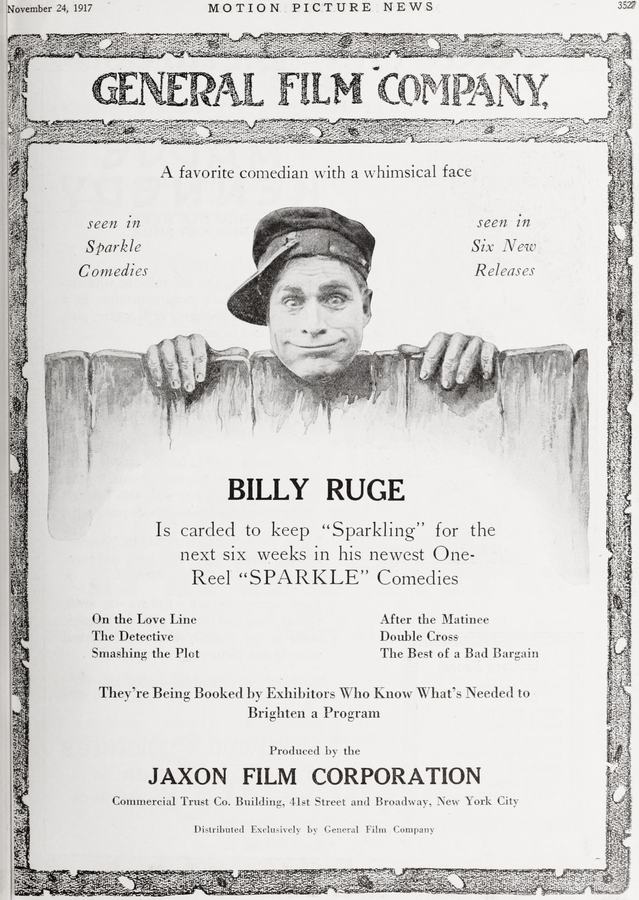
In the annals of early cinema, where narratives often hinged on grand gestures and clear-cut morality, certain films stand out for their audacious spirit and surprisingly modern sensibilities. Among these, the 1918 production Smashing the Plot emerges as a vibrant, if largely forgotten, testament to the era's capacity for thrilling escapism and the emergence of unexpected heroines. Released at a time when the world was grappling with the throes of the Great War and cinematic language was rapidly evolving, this film offers a fascinating glimpse into the nascent genre of the action-thriller, infused with a distinctly working-class heroism that resonates even today. It’s a pell-mell rush of romance, espionage, and exhilarating chase sequences, all anchored by a protagonist whose quick wit and physical prowess defy the typical damsel-in-distress trope.
At its heart, Smashing the Plot is a testament to the extraordinary capabilities of an ordinary woman. Our story begins in the seemingly mundane domestic sphere, introducing Jennie (played with spirited conviction by Kate Price), a maid-of-all-work in the lavish home of a powerful railroad president, Mr. Barker. Her world, however, is far from pedestrian. A romantic interlude with her sweetheart, Tony, a charming hand organist, quickly escalates into a high-stakes drama. The catalyst for this sudden shift? A seemingly innocuous note, entrusted to a mischievous monkey, which, in a comical twist of fate, lands directly into the hands of Mr. and Mrs. Barker. This early scene sets a tone of lighthearted chaos, a deceptive calm before the storm of intrigue that is about to engulf our protagonists. It’s a delightful piece of silent-era comedic timing, utilizing an animal actor to propel the plot in an unexpected direction, a common, yet always charming, device of the period.
Kate Price's portrayal of Jennie is nothing short of magnetic. She embodies a proto-feminist spirit, a woman whose intelligence and courage are not merely reactive but proactive. Her journey from maid to impromptu detective and ultimately, action hero, is executed with a compelling blend of resourcefulness and physical daring. Unlike many female characters of the era, who often served as plot devices for male heroes, Jennie takes the reins of her own destiny, driving the narrative forward with an almost relentless agency. Her actions are not born of brute strength, but of quick thinking, strategic improvisation, and an unwavering loyalty to Tony, even when he proves to be somewhat of a hapless participant in the larger scheme. This makes her a character ahead of her time, a compelling figure whose exploits resonate with the spirit of adventurers seen in films like Little Eve Edgarton, though Jennie's stakes are decidedly more life-threatening.
Tony, played by Billy Ruge, serves as the amiable, if somewhat naive, counterpoint to Jennie’s sharp intellect. His initial invitation for Jennie to attend a local dance—a "wop" dance, as the original text describes it, reflecting the regrettable ethnic slurs prevalent in dialogue and descriptions of the era—is the innocent spark that ignites a powder keg of conspiracy. It's crucial to contextualize such terminology within the period; while deeply offensive by modern standards, it was unfortunately common in the early 20th century to label groups, particularly immigrant communities, with derogatory terms. This film, like many others of its time, reflects these societal prejudices, using such groups as convenient 'others' for villainy. Tony's character is less a mastermind and more a pawn, an endearing simpleton caught in a web far beyond his comprehension. This dynamic allows Jennie's brilliance to shine even brighter, as she constantly has to rescue him from his own unwitting entanglements.
The narrative truly gains momentum at the aforementioned dance. Here, Tony receives a mysterious "high sign" from a menacing figure, beckoning him to a clandestine meeting of a secret society in the basement. Jennie, ever the vigilant observer, follows him, her intuition tingling with unease. What she uncovers is a chilling plot: the conspirators, a group depicted with broad strokes of villainy characteristic of silent cinema's need for clear antagonists, are drawing lots to determine who will blow up the railroad bridge that very afternoon, precisely as President Barker's train is scheduled to pass over it. This scene, steeped in dramatic tension, showcases the rudimentary but effective storytelling techniques of the period, relying on visual cues and heightened expressions to convey menace and urgency. The very idea of a secret society orchestrating such a grand act of sabotage was a popular trope, reflecting contemporary anxieties about anarchism and social unrest, similar to the underlying tension found in films like The Girl from Abroad; or, The Great Underworld.
Tony, in a moment of misguided pride, feels "highly honored" when he draws the 'lucky' number, completely oblivious to the sinister implications. It's Jennie, from her vantage point in an adjoining room, who overhears the conspirators discussing how Tony was "framed." This revelation ignites her extraordinary courage. Without hesitation, she springs a hidden trap in the floor, sending several of the unsuspecting villains plummeting into a sub-basement, a moment of pure, unadulterated cinematic satisfaction. Her attempt to escape, however, is thwarted, and she is captured, then forcibly made a member of the secret society. This twist adds another layer to her predicament, transforming her from an observer into an unwilling participant, setting the stage for her ultimate act of defiance. It’s a classic silent film move: put the hero in dire straits, then watch them brilliantly extricate themselves.
The conspirators, perhaps underestimating Jennie’s resolve, instruct her to blow up Mr. Barker's home. But Jennie is no mere puppet. Instead, she mounts a horse, galloping off in a desperate pursuit of Tony, who has by now discovered a hand car on the railroad tracks. What follows is an exhilarating, multi-stage chase sequence that is the absolute highlight of the film, a masterclass in early cinematic action. The villains, displaying an almost supernatural ability to appear wherever the action is, suddenly materialize in a carriage, hot on Jennie's heels. The pacing here is relentless, a testament to the filmmakers' understanding of visual momentum. Jennie, seeing that her pursuers are gaining, makes a split-second decision: she hurls her bomb, not at Barker’s home, but at the encroaching carriage, blowing it to smithereens in a spectacular display of pyrotechnics and daring. This moment, a true shocker for its time, solidifies her status as an uncompromising force of nature.
The chase continues to escalate, drawing in new elements. Mounted police are called, joining the pursuit in a patrol car, adding another layer of mechanical speed to the already dynamic sequence. Meanwhile, the conspirators, seemingly undeterred by the loss of their carriage, have miraculously acquired a rowboat and are making a beeline for the bridge. This rapid succession of different modes of transport—horse, hand car, carriage, patrol car, rowboat—is a brilliant stylistic choice, maximizing the visual excitement and demonstrating the ingenuity of early action filmmaking. It evokes the spirit of daring pursuits seen in contemporary Westerns like The Narrow Trail or the raw action of Border Raiders, yet grounds it in a modern, industrial setting.
The climax unfolds at the railroad bridge, a nexus of converging threats. Jennie arrives just in the nick of time, a beacon of frantic urgency, flagging down the approaching train to avert certain disaster. In a final, decisive act, she snatches the "infernal machine"—the very bomb intended for the bridge—from Tony, and with a powerful heave, flings it into the boatload of conspirators, eradicating the threat in a single, explosive stroke. In the ensuing chaos, she inadvertently pushes Tony off the bridge. Without a moment's hesitation, she dives into the water after him, dragging her bewildered sweetheart ashore. Her concluding line, delivered with a mix of exasperation and pragmatic wisdom, is a gem: telling Tony that blowing up railroad presidents is a "bum job." This pithy summation not only deflates Tony's earlier misguided pride but also encapsulates Jennie's down-to-earth heroism. She's not motivated by grand ideals, but by loyalty and a clear understanding of right and wrong, and the practical implications of dangerous endeavors.
Smashing the Plot, as chronicled by Moving Picture World in January 1918, is a prime example of the kind of robust, entertaining cinema audiences craved during the silent era. Its narrative, while simple in its core premise, is executed with a dynamism and flair that keeps viewers utterly engrossed. The film’s high lexical diversity in its action sequences, translated through visual storytelling, is remarkable. The lack of dialogue forced filmmakers to be incredibly creative with visual cues, physical comedy, and dramatic staging, all of which are on full display here. The rapid cuts and shifting perspectives during the chase scenes would have been cutting-edge for the time, providing a thrilling sense of speed and peril that transcended the limitations of early cinematography. It's a film that, despite its age, feels remarkably fresh in its pacing and the sheer audacity of its heroine. The themes of loyalty, class distinctions, and the triumph of the individual against shadowy forces are universal, making its core message timeless.
In an age dominated by the likes of Griffith and DeMille, smaller productions like Smashing the Plot often get overlooked, yet they are crucial for understanding the breadth and depth of early cinematic output. This film, with its compelling female protagonist and its relentless action, demonstrates that the foundational elements of genre cinema were being cemented even before the talkies arrived. Kate Price's Jennie is a character who deserves greater recognition, a spirited precursor to the action heroines who would grace screens decades later. Her journey from domestic servant to bomb-throwing, train-saving, boyfriend-rescuing dynamo is a powerful narrative arc, proving that heroism often springs from the most unexpected places. The film is a vibrant reminder that silent cinema was far from silent in its impact or its capacity to deliver exhilarating, thought-provoking entertainment. It remains, even a century later, a captivating piece of film history that masterfully blends romance, comedy, and heart-stopping suspense into a truly unforgettable experience.
IMDb —
1922
Community
Log in to comment.