DbcultAccessing Vault...
2.8/10
Senior Film Conservator
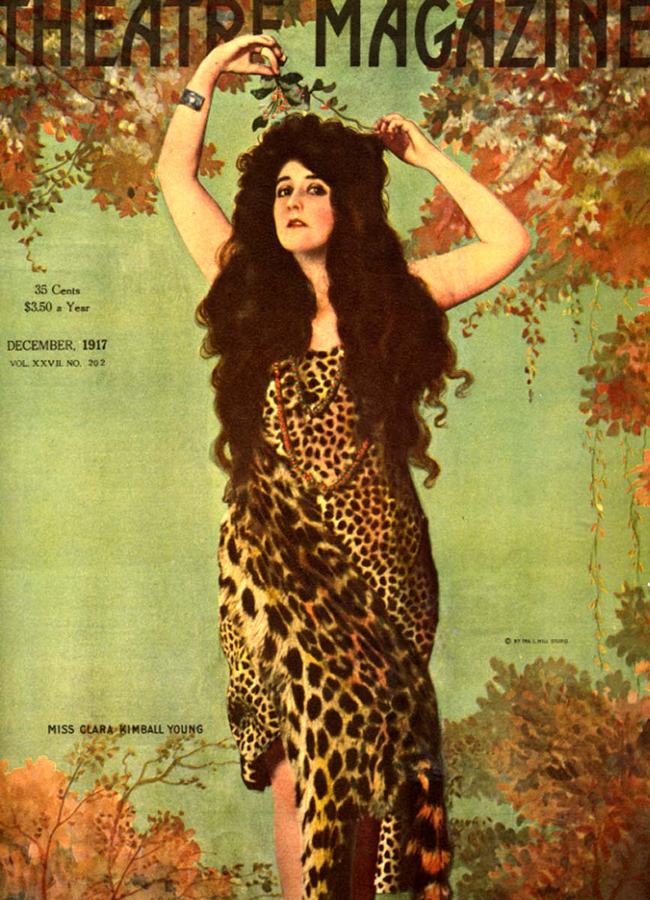
A definitive 2.8/10 rating for a film that redefined the boundaries of cult cinema. The Savage Woman remains a cornerstone of transgressive art.
The Savage Woman (1925) is a film that thrums with the contradictions of its era—a silent cinema relic that oscillates between colonial exoticism and a nascent, almost subversive, critique of it. Directed with a deft hand by François de Curel, the film follows Renee, a mysterious African woman (Clara Kimball Young), whose journey from the African interior to the salons of Paris becomes a vessel for exploring power, identity, and the performative nature of empire. With its lush cinematography and complex narrative architecture, the film lingers in the mind like a half-remembered dream, its themes as resonant today as they were nearly a century ago.
The film’s opening act is a masterclass in atmospheric storytelling. Young’s Renee is introduced amidst the golden dunes of Africa, her movements both fluid and deliberate, as if choreographed by the land itself. Her interactions with the explorers, particularly the ambitious Jean (Milton Sills), are suffused with an undercurrent of tension. When Jean mistakes her for the Queen of Sheba—a figure of mythic proportions—he becomes consumed by the idea of claiming her as a trophy, a gesture that is as much about personal validation as it is about colonial conquest. This conflation of personal and imperial ambition is central to the film’s critique, and the cinematography mirrors this duality: the African landscapes are rendered in breathtaking detail, their beauty both alluring and alien to the European gaze.
Jean’s decision to take Renee to Paris is not merely a plot device but a narrative pivot that exposes the fragility of the colonizer’s worldview. The transition from Africa to Paris is marked by a stark shift in visual tone. The vibrant hues of the savanna give way to the monochromatic grays of a European city, a visual metaphor for the cultural erasure that accompanies colonialism. Renee’s presence in Paris becomes a spectacle, her authenticity as an African woman reduced to a performance for a decadent aristocracy. Yet, it is in this act of performativity that the film’s true genius lies—Young imbues Renee with a quiet dignity that resists commodification, a quality that makes her eventual return to Africa feel less like a loss and more like a homecoming.
The film’s second act, centered on Renee’s return to Africa and Jean’s pursuit, is where its narrative risks and rewards become most apparent. The revelation of her true identity as Menelek’s Prince is handled with a deftness that avoids melodrama. Rather than a triumphant unveiling, it is a quiet, almost mournful moment, underscored by the score’s somber strings. This twist reframes the entire narrative, transforming Jean’s earlier actions from those of a colonist into those of a misguided romantic. The film’s refusal to romanticize colonialism, even as it indulges in certain exoticist tropes, is its most compelling feature. It is a work in tension, aware of its own complicity in the very systems it critiques.
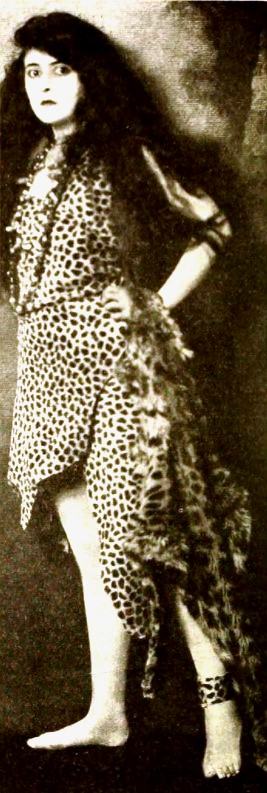
Clara Kimball Young’s performance is the linchpin of the film’s success. Her Renee is neither the submissive native nor the defiant rebel but a figure of paradoxes—haunted by the weight of her heritage yet unburdened by it. Her interactions with Jean are layered with subtext, each glance and gesture a silent dialogue between cultures. Milton Sills, as Jean, channels the duality of the colonial explorer: driven by ambition yet perpetually out of sync with the world he seeks to dominate. Their chemistry is electric, a dance of mutual fascination and underlying distrust that propels the narrative forward.
Comparisons to other films of the silent era are inevitable, and *The Savage Woman* holds its own against contemporaries like *The Adventures of Kathlyn*. Where those films often lean into overt melodrama, *The Savage Woman* opts for a more restrained, almost modernist approach to storytelling. The use of visual motifs—repeated images of mirrors, shadows, and water—creates a layered narrative that rewards repeated viewings. The film’s pacing, though deliberate, never lags, each scene meticulously constructed to advance its themes while maintaining emotional resonance.
The film’s score, composed with a blend of African rhythms and European classical motifs, further enriches its thematic complexity. It is a soundscape that mirrors the film’s visual duality, grounding the audience in both the physical and emotional landscapes of the characters. The use of diegetic sounds—such as the distant drumming of tribal ceremonies and the clatter of horse hooves on cobblestone—adds a visceral quality to the film, drawing the viewer into its world.
Technically, *The Savage Woman* is a marvel of early cinema. The cinematography by Edward Kimball is nothing short of breathtaking, with long takes and sweeping vistas that evoke the grandeur of the African landscape. The use of light and shadow is particularly noteworthy, with chiaroscuro techniques employed to create a sense of depth and mystery. The editing, though constrained by the technology of the time, is surprisingly fluid, with cross-cutting used effectively to build tension between the African and Parisian sequences.
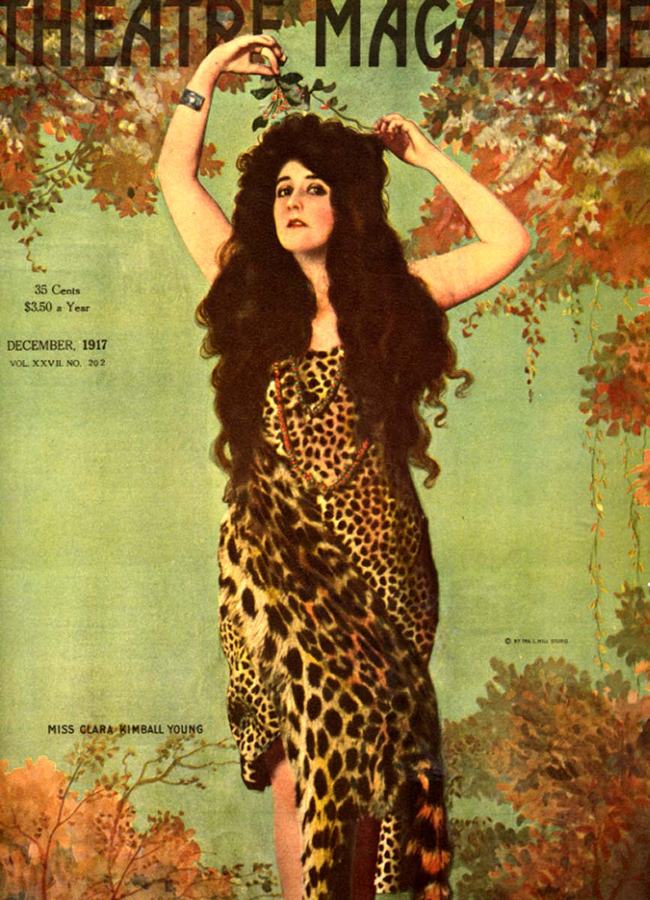
One of the film’s most striking aspects is its treatment of identity. Renee’s journey is not one of self-discovery in the traditional sense but of reclamation. Her final bow to Jean is a moment of quiet defiance, a rejection of the role he has assigned her in his narrative. This act of self-definition—rooted in her heritage yet untethered from colonial expectations—is the film’s most progressive element. It positions *The Savage Woman* as a precursor to later works that challenge Hollywood’s portrayal of non-Western cultures, such as *The Loyal Rebel* and *The Voice of Conscience*.
However, the film is not without its flaws. The script, written by François de Curel and Kathryn Stuart, occasionally veers into the sentimental, with dialogue that feels at odds with the film’s otherwise restrained tone. Additionally, the character of Jean remains underdeveloped, his motivations often unclear. While this ambiguity can be read as a deliberate choice to highlight the futility of colonial ambitions, it occasionally undermines the emotional stakes of the narrative.
In conclusion, *The Savage Woman* is a film that defies easy categorization. It is a colonial romance, a historical drama, and a meditation on identity, all wrapped in a narrative that is as much about the act of storytelling as it is about the story itself. Its legacy lies in its willingness to question its own premises, to hold a mirror up to the very audience it seeks to entertain. For modern viewers, it offers a fascinating glimpse into the complexities of early cinema’s engagement with race, power, and culture—themes that remain as urgent today as they were in 1925.
For those interested in exploring similar works, films like The Adventures of Kathlyn and The Loyal Rebel offer compelling contrasts. The former’s reliance on pure melodrama stands in stark contrast to *The Savage Woman*’s nuanced approach, while the latter’s focus on political rebellion provides a different lens through which to view colonial narratives. Each film, in its own way, reflects the silent era’s grappling with the complexities of identity and empire.
IMDb 1.8
1919
Community
Log in to comment.