DbcultAccessing Vault...
Cult Review
Senior Film Conservator
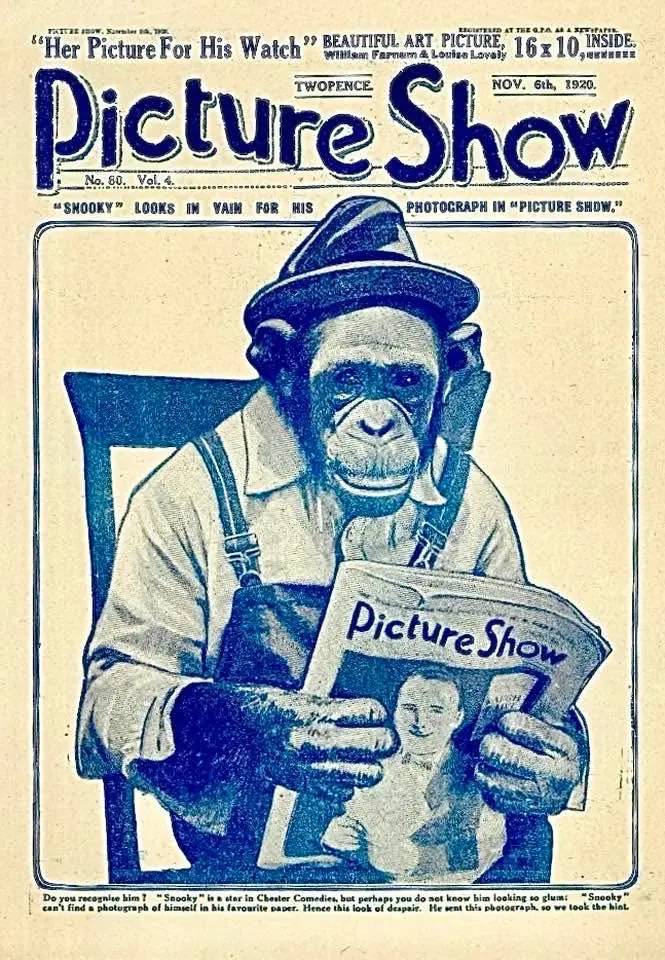
Snooky's Covered Wagon thrusts the viewer into a tableau where the line between beast and bandit blurs with delightful abandon. The opening tableau—a mass meeting of assorted fauna presided over by a lion of unmistakable majesty—functions as both literal council and allegorical microcosm of a society teetering on the brink of starvation. Each species brings a distinct tonal flavor: the monkeys' jittery chatter, the owls' solemn hoots, the goats' plaintive bleats, and the parrots' garish squawks. This cacophonous chorus is not merely ornamental; it establishes a narrative economy where every creature’s desperation fuels the collective resolve to chase the Sheriff’s $500 bounty.
The Sheriff’s reward, ostensibly a simple cash incentive, operates on multiple narrative levels. On the surface, it is a pragmatic lure for the animals, a tangible solution to their gnawing hunger. Subtextually, it represents the promise of order in a lawless frontier, a thin veneer of civilization that the bootleggers themselves have already shredded. The bounty’s stipulation—proof that the Idlewild Hotel is not haunted—acts as a clever narrative device, inviting the audience to question what truly haunts the Old West: ghosts of the past, or the specter of moral decay?
Enter Snooky, a wiry terrier whose keen senses and unflappable courage set him apart from his more boisterous compatriots. When Snooky and a small boy inadvertently uncover the bootleggers’ clandestine operation—an illicit distillery churning out “eighteenth amendment knockouts”—the stakes pivot dramatically. The bootleggers’ capture of the boy injects a visceral urgency, compelling Snooky to summon his animal cohort via a covered wagon, a visual homage to classic western transport that simultaneously underscores the film’s whimsical tone.
The covered wagon is more than a mere prop; it is a rolling stage upon which the animal ensemble stages its revenge. Its creaking wheels echo the relentless march of destiny, while the canvas shelter shields a motley crew of fur, feather, and fur‑tooth. As the wagon barrels toward the bootleggers’ hideout, the film employs rapid cuts and kinetic camera work that evoke the frenetic energy of a circus act, yet each frame is meticulously composed to showcase the distinct personalities of its passengers.
The trio of bootleggers—each a caricature of Prohibition‑era excess—serve as the perfect foil for the animal protagonists. Their garish attire, swaggering gait, and penchant for illicit spirits render them both menacing and absurdly comic. When confronted by the animal horde, their bravado crumbles under a barrage of snarls, wing‑flaps, and strategic sabotage. The ensuing chaos is choreographed with a balletic precision that recalls the slap‑slap‑slap of classic cartoons, yet the underlying tension remains palpable.
Snooky's Covered Wagon occupies a niche intersection between animal‑centric adventure and western satire, a space also explored by films such as Pistols for Breakfast and The Yankee Spirit. While Pistols for Breakfast leans heavily on gun‑fueled bravado, Snooky’s tale substitutes claws and beaks for bullets, thereby reframing the classic showdown through a lens of interspecies solidarity. Compared to The Yankee Spirit’s earnest homage to frontier mythos, Snooky's narrative is unapologetically irreverent, using humor to interrogate the myth of the solitary hero.
The film’s visual palette is deliberately muted, allowing the strategic splashes of dark orange (#C2410C), vivid yellow (#EAB308), and sea blue (#0E7490) to punctuate key moments. The Sheriff’s office, bathed in a warm amber glow, becomes a sanctuary of hope, while the bootleggers’ lair is drenched in cold sea‑blue shadows that evoke a sense of moral chill. The final feast scene erupts in a riotous burst of orange, symbolizing both the literal nourishment and the metaphorical triumph over oppression.
An eclectic score, blending ragtime piano with tribal percussion, mirrors the film’s hybrid genre. The rhythmic clatter of wagon wheels syncs with a low‑drone bass, creating an auditory motif that underscores the impending confrontation. When the animals launch their assault, the soundscape erupts in a cacophony of snarls, hoots, and frantic chirps, each animal’s voice amplified to convey both individuality and collective fury.
The voice cast, though uncredited, delivers nuanced performances that breathe life into their non‑human characters. Snooky’s bark, rendered with a blend of grit and optimism, anchors the narrative. The lion’s regal baritone commands respect, while the parrots’ rapid-fire quips provide comic relief without veering into slapstick excess. This balance of gravitas and levity is a testament to the direction’s deft handling of tone.
The film’s pacing is deliberately brisk, mirroring the urgency of the animals’ hunger. The first act establishes the dire circumstances, the second escalates with the discovery of the bootleggers, and the third delivers a cathartic showdown. Transitional sequences—such as the animals’ preparation montage—are interspersed with moments of quiet reflection, allowing the audience to absorb the stakes before the climactic confrontation.
Set against the backdrop of Prohibition, the film subtly critiques the era’s moral hypocrisy. The bootleggers, though illegal, are portrayed as victims of a draconian law that fuels their desperation—a parallel to the animals’ own struggle for sustenance. By positioning the Sheriff as both law‑enforcer and benefactor, the narrative suggests that redemption can emerge from within the very institutions that perpetuate hardship.
For viewers interested in thematic kinship, Narasinha Avtar offers a mythic exploration of divine intervention, while Spotlight Sadie examines female agency within a patriarchal frontier. Though stylistically divergent, these films share Snooky's preoccupation with marginalized voices rising against oppressive structures.
Upon release, Snooky's Covered Wagon garnered praise for its inventive premise and vibrant visual language. Critics highlighted its ability to weave humor with social commentary, a feat rarely achieved in animal‑led cinema. Its legacy endures as a cult favorite, inspiring subsequent works that blend anthropomorphic protagonists with historical settings.
Snooky's Covered Wagon succeeds on multiple fronts: as a whimsical adventure, a satirical western, and a poignant allegory of collective action. Its deft use of color, sound, and character dynamics creates an immersive experience that rewards repeat viewings. While the narrative may occasionally lean on familiar tropes, the film’s originality lies in its daring synthesis of genre conventions and its heartfelt celebration of unity against adversity.
For aficionados of off‑beat westerns and animal‑driven narratives, this film offers a richly textured journey that is both entertaining and thought‑provoking. Its blend of visual flair, thematic depth, and spirited performances ensures that Snooky's Covered Wagon remains a standout entry in the annals of genre‑bending cinema.
IMDb —
1915
Community
Log in to comment.