DbcultAccessing Vault...
Cult Review
Senior Film Conservator
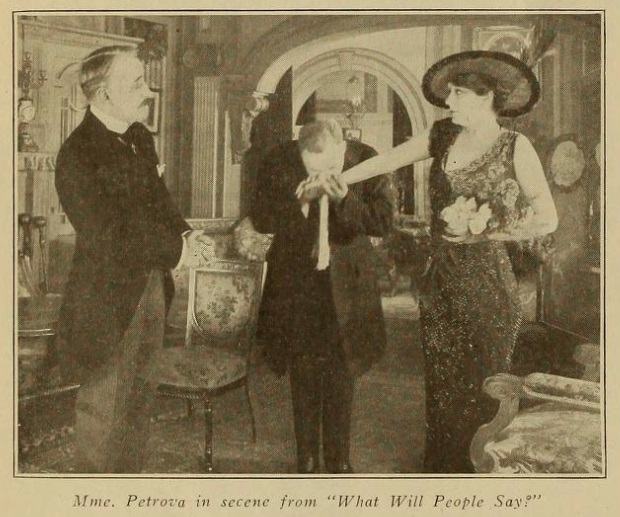
Rupert Hughes's "What Will People Say?", a cinematic artifact from 1916, unfurls a narrative steeped in the melodramatic conventions of its era, yet resonates with an enduring examination of societal strictures and the perennial conflict between personal desire and perceived obligation. It's a film that, even through the sepia-toned veil of time, speaks to the profound sacrifices individuals were expected to make at the altar of reputation and financial stability. The very title, a rhetorical question, immediately sets the stage for a drama where external judgment looms as large as any character, dictating destinies and crushing burgeoning affections under its weighty gaze.
At its core, the film is a poignant exploration of a woman's agency, or lack thereof, within a patriarchal framework that often reduced her to a commodity. Persis Cabot, portrayed with a compelling blend of vulnerability and burgeoning defiance by Jean Thomas, embodies the tragic heroine caught in this intricate web. Her initial enchantment with Harvey Forbes, a role brought to life by Fritz De Lint with a certain earnest charm, is precisely the kind of pure, unadulterated love story that silent cinema excelled at portraying – all longing glances and unspoken promises. Yet, this idyllic vision is swiftly shattered by the harsh realities of her father's financial ruin. The swiftness with which her romantic prospects are extinguished by economic downturn is a stark reminder of the materialist undercurrents that often governed marital decisions in that period. It’s a theme not dissimilar to the societal pressures and romantic entanglements explored in The Cheat, where financial desperation drives characters to extreme lengths, or the more cynical societal observations found in Vanity Fair.
The subsequent marriage to Willie Enslee, a character whose immense fortune is his primary attribute, is a transaction thinly veiled as matrimony. Fraunie Fraunholz imbues Enslee with the necessary blend of boorish entitlement and simmering possessiveness, making his eventual descent into jealous madness entirely credible. This union, conceived out of necessity rather than affection, is destined for failure from its inception. The film masterfully illustrates the crushing weight of such a loveless arrangement, showing Persis trapped in a gilded cage, her spirit slowly eroding amidst the very luxuries she sacrificed her heart to secure. The narrative cleverly uses her material comfort to highlight her emotional destitution, an effective counterpoint that elevates the melodrama beyond mere spectacle.
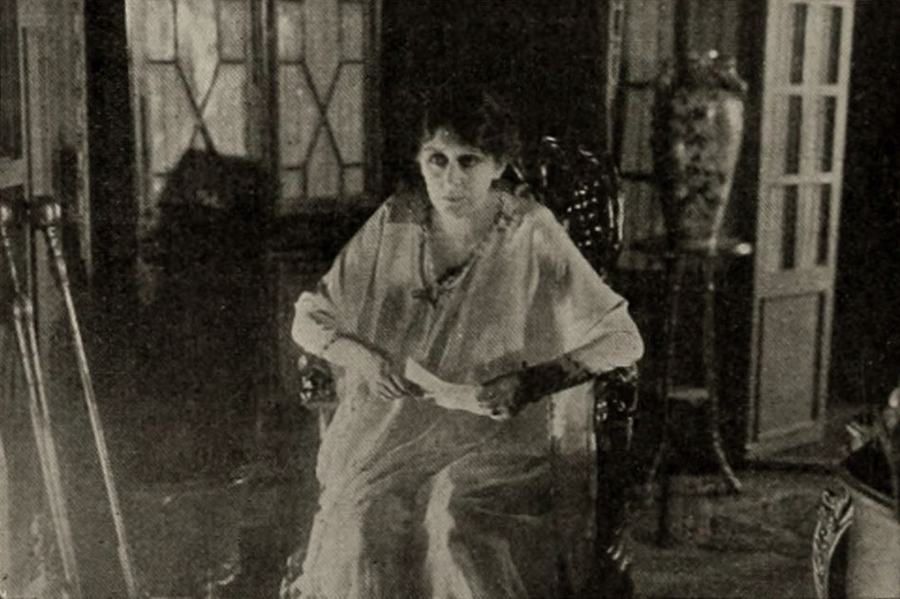
The narrative gains significant traction with the fated reunion of Persis and Forbes at a diplomatic reception. This scene, a classic trope, is handled with a delicate intensity, allowing the audience to witness the rekindling of a passion that had been forcibly suppressed. Their mutual confession of enduring love is a powerful moment, underscored by the knowledge of the insurmountable obstacles that still separate them. It’s here that the film truly begins to delve into the moral complexities of its characters. Persis’s discovery of Enslee’s infidelity, rather than merely a plot device, becomes a catalyst for her own moral reckoning. She rationalizes her right to seek solace and love elsewhere, a nascent form of female empowerment, albeit one born from desperation and a tit-for-tat mentality. This justification is a fascinating glimpse into the evolving social mores of the early 20th century, where the double standard for marital fidelity was beginning to be challenged, even if subtly.
The dramatic confrontation, when Enslee discovers Persis and Forbes, is the narrative's central pivot. The raw emotion, the accusations, and Forbes's demand for a choice are all hallmarks of a well-crafted melodrama. Jean Thomas, in this moment, must convey a maelstrom of conflicting emotions – loyalty, love, guilt, fear – without uttering a single word. Her refusal to choose is not merely indecision but perhaps a deeper commentary on the impossible bind she finds herself in: choosing one means betraying the other, and perhaps, betraying a part of herself. Forbes's despairing departure leaves her at the mercy of a man consumed by jealousy, setting the stage for the film's most shocking and pivotal event: Enslee's violent assault. This act of domestic violence, while sensationalized, serves as a brutal culmination of his possessive nature and the societal pressure that denied Persis true happiness.
The subsequent involvement of the newspaper reporter introduces an element of external intrigue and demonstrates the power of public perception, tying directly back to the film's title. The erroneous implication of Forbes in the stabbing highlights the ease with which reputations could be tarnished and lives upended by rumor and speculation. This subplot, while seemingly a diversion, reinforces the pervasive theme of how "what people say" can have devastating real-world consequences, irrespective of truth. It's a narrative device that, in its day, would have resonated deeply with an audience acutely aware of the burgeoning influence of mass media. The film's portrayal of a protagonist caught in a web of misunderstanding and societal judgment can be seen in other contemporary works like The Impostor, where identity and perception are constantly at play.
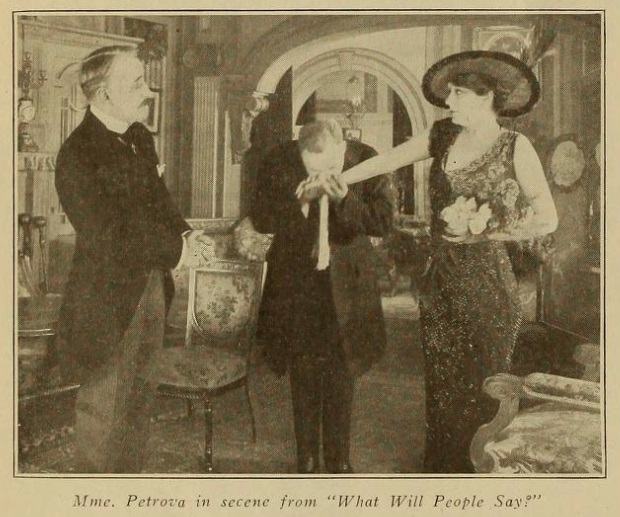
Forbes's return, spurred by the reporter's revelation, is a powerful declaration of his unwavering love and conviction. His assertion that they are "mated to each other", even in the face of Persis's reluctance, speaks to a primal, almost fated connection that transcends societal norms and personal tribulations. This moment, though potentially viewed through a modern lens as somewhat coercive, was likely intended to be a grand romantic gesture, a testament to a love that defies all logic and convention. It posits that some bonds are so profound they cannot be broken by financial ruin, forced marriages, or even attempted murder.
The resolution, with the necessary divorce proceedings paving the way for Persis to finally marry Harvey Forbes, offers a bittersweet triumph. It's a victory for love, certainly, but one achieved through immense suffering, scandal, and the shattering of multiple lives. The film doesn't shy away from the collateral damage of societal expectations, suggesting that while love may ultimately conquer all, the path to its realization is often paved with anguish and sacrifice. The conclusion, while ostensibly happy, carries the weight of all that transpired, leaving the audience to ponder the true cost of happiness in a world so rigidly governed by external pressures.
The performances, particularly from Jean Thomas as Persis, are crucial in conveying the emotional intensity required by such a narrative. Silent film acting, with its reliance on exaggerated gestures and facial expressions, can sometimes appear theatrical to contemporary viewers, but within its own context, it was a highly nuanced art form. Thomas likely had to embody the full spectrum of human emotion – from demure affection to desperate sorrow, from quiet resolve to profound terror – often in rapid succession. The supporting cast, including Zadee Burbank, Elenore Sutter, and the enigmatic Olga Petrova, would have contributed to the rich tapestry of characters, each playing their part in the societal drama unfolding on screen. One can imagine Petrova, known for her strong, often vampish roles, bringing a compelling edge to any part she inhabited, perhaps even elevating a minor character into a memorable presence.
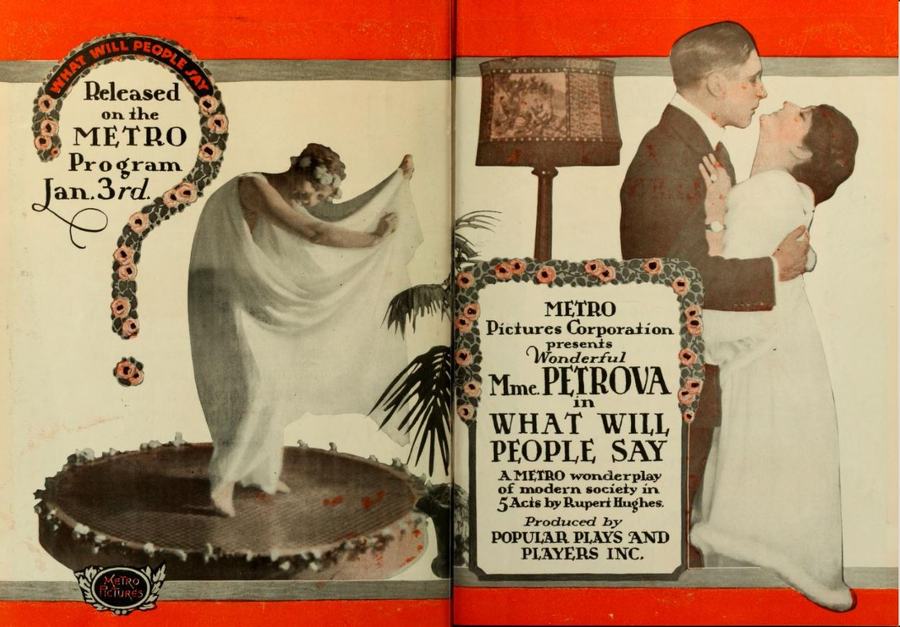
Rupert Hughes, as the writer, crafted a story that, while firmly rooted in the melodramatic tradition, possesses a surprising degree of psychological complexity for its time. He delves into themes of moral compromise, the destructive nature of jealousy, and the enduring power of true affection. The narrative structure, moving from initial love to forced marriage, infidelity, violence, and eventual reconciliation, is a classic arc designed to elicit maximum emotional response from the audience. It’s a testament to his storytelling prowess that these dramatic beats still resonate, even across more than a century of cinematic evolution. The way the plot twists and turns, with revelations and confrontations, is reminiscent of the intricate narrative webs found in films like The House of Mystery or The Clemenceau Case, where personal dramas unfold with high stakes and unforeseen consequences.
"What Will People Say?" stands as a compelling example of early 20th-century cinema's ability to engage with profound social questions through the guise of popular entertainment. It’s a film that, despite its age, offers a fascinating window into the anxieties and aspirations of a bygone era. It reminds us that while the specific societal pressures may have evolved, the human heart's yearning for authentic connection and the struggle against external forces remain timeless themes. The film's enduring power lies in its unflinching portrayal of the sacrifices made, the loves lost, and ultimately, the resilience of the human spirit in pursuit of happiness, even when the world seems determined to deny it. Much like Tangled Hearts, it explores the intricate dance of affection and obligation, while also hinting at the moral quandaries seen in Conscience.
The film serves as a valuable historical document, offering insights into the cultural landscape of 1916. It reflects the prevailing attitudes towards marriage, class, and female independence, even as it subtly challenges some of these norms through Persis's journey. The resolution, while providing a conventional happy ending, is tinged with the scars of the preceding events, ensuring that the audience leaves with a sense of the profound cost of the choices made. It's a testament to the film's craft that it manages to deliver both the expected melodramatic thrills and a deeper commentary on the human condition. The exploration of duty versus desire, and the eventual triumph of love against overwhelming odds, positions "What Will People Say?" as more than just a period piece; it is a resonant narrative about the eternal struggle for self-determination in a world obsessed with appearances and expectations.
IMDb —
1919
Community
Log in to comment.