DbcultAccessing Vault...
4.5/10
Senior Film Conservator
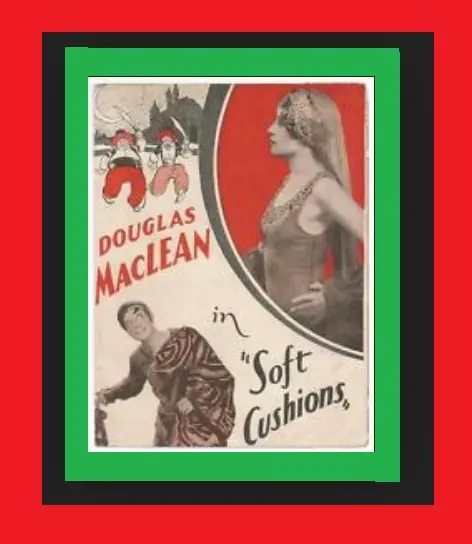
A definitive 4.5/10 rating for a film that redefined the boundaries of cult cinema. Soft Cushions remains a cornerstone of transgressive art.
Is Soft Cushions a lost masterpiece of the silent era? Short answer: No, but it remains a fascinatingly sharp satire of legal absurdity that feels surprisingly modern in its cynicism.
This film is for the dedicated silent cinema historian and fans of Douglas MacLean’s specific brand of high-energy physical comedy. It is absolutely not for those who cannot look past the heavy-handed Orientalist tropes of the 1920s or those who require the breakneck pacing of a modern blockbuster.
This film works because it refuses to take its own high-stakes plot seriously, favoring a cynical look at how laws are manipulated by those in power.
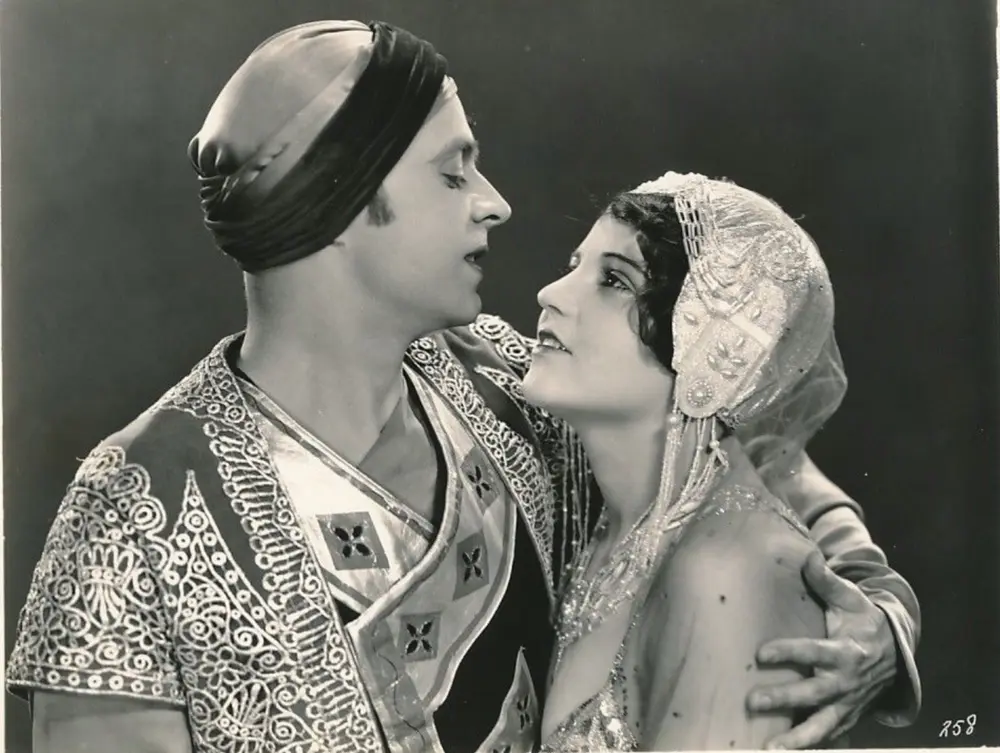
This film fails because its middle act becomes a repetitive cycle of near-executions that loses the momentum established in the opening heist.
You should watch it if you want to see a pre-horror Boris Karloff displaying a range of villainy that predates his iconic turn in 1930s monster cinema.
By 1927, the silent comedy was reaching its technical and artistic zenith. While audiences were flocking to the gritty realism of Underworld, Douglas MacLean was carving out a niche as the 'light' comedian. In Soft Cushions, he doesn't possess the acrobatic genius of Keaton or the pathos of Chaplin. Instead, he offers a frantic, relatable desperation.
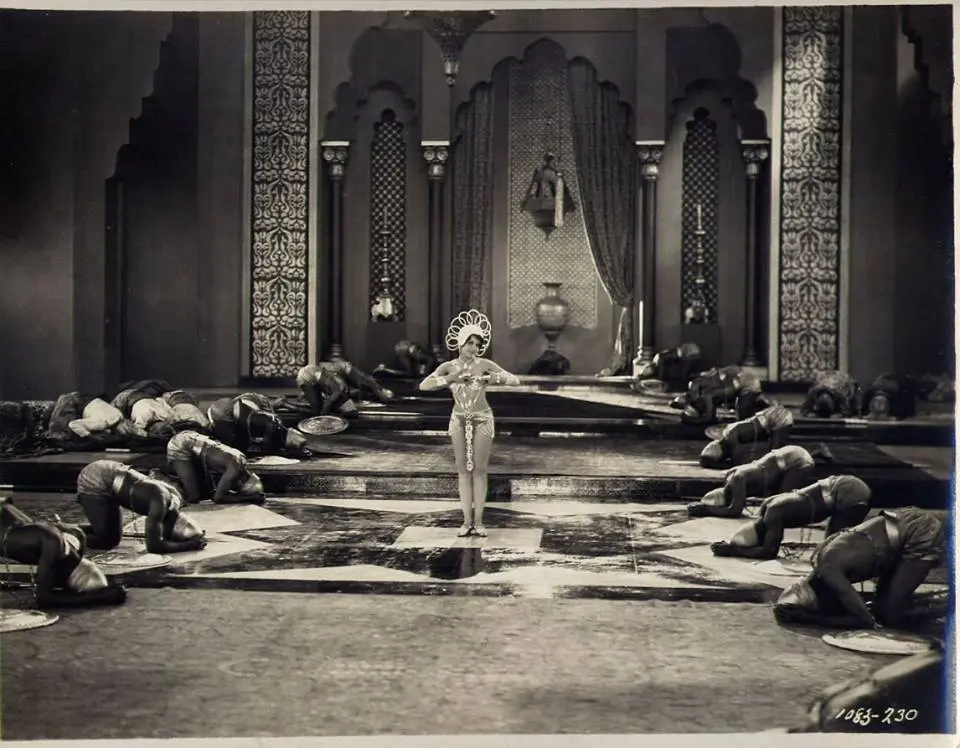
The film positions MacLean as a thief who is essentially an honest man in a dishonest world. When he infiltrates the harem, it isn't just a slapstick sequence; it's a commentary on the arbitrary nature of 'sacred' spaces. The way he interacts with the 'fat and lean' thieves provides a classic comedic contrast that feels like a precursor to the more polished duos of the talkie era.
One cannot discuss 1927 without mentioning the looming transition to sound. Soft Cushions feels like a film aware that its time is limited. There is a franticness to the title cards and the physical performances that suggests a genre trying to say everything it can before the microphone changes the rules forever.
Yes, Soft Cushions is worth watching for anyone interested in the evolution of political satire in film. Unlike the earnest drama found in Tol'able David, this film uses a fantasy setting to mock the very real corruption of the judiciary.
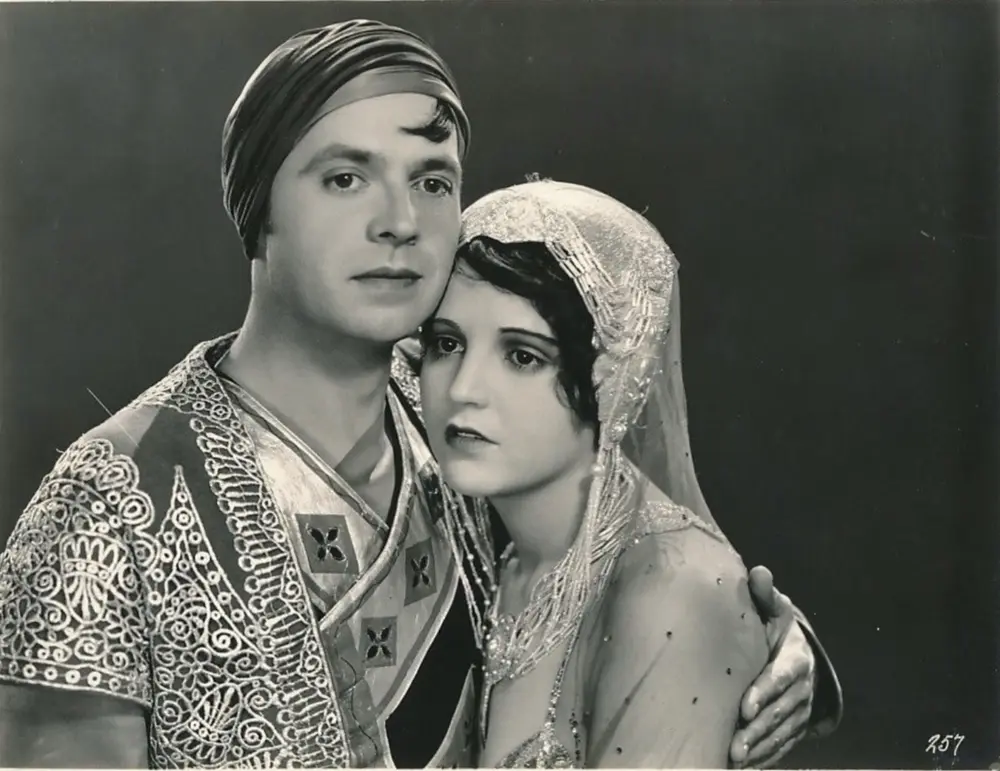
The film is worth your time if you appreciate the 'trickster' archetype. The protagonist doesn't win through strength; he wins by knowing the law better than the judges do. This intellectual victory is a refreshing change from the period's typical 'hero saves the day' tropes.
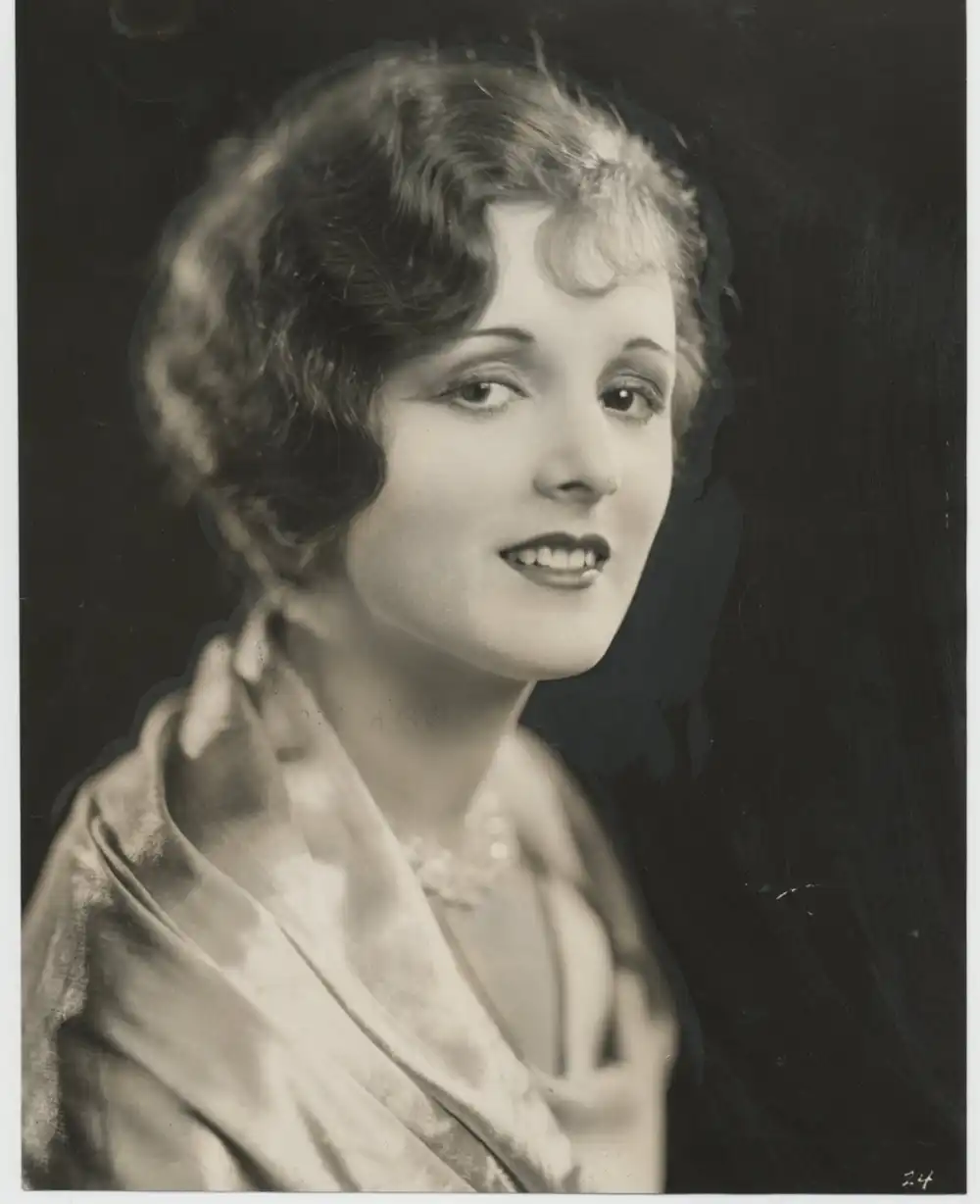
However, if you are looking for a deep romantic connection, you might be disappointed. The relationship between the thief and the slave girl (played with a curious mix of ambition and affection by Sue Carol) is secondary to the film's interest in mocking the Wazir and the Sultan. It’s a comedy of errors, not a romance of the ages.
Seeing Boris Karloff in the credits of a 1927 comedy is a jolt to the system for modern viewers. Years before he would be defined by a flat head and neck bolts, Karloff was a working actor of immense versatility. In Soft Cushions, he brings a gravitas to the secondary cast that grounds the absurdity.
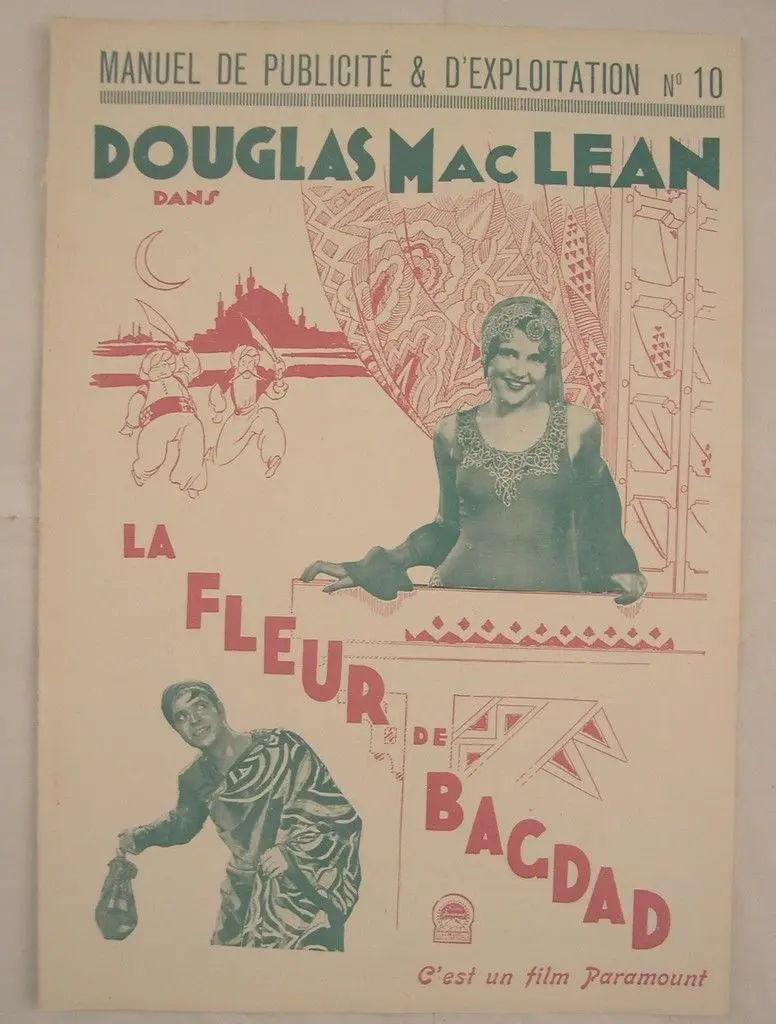
The supporting cast, including Noble Johnson and Nigel De Brulier, creates a world that feels lived-in despite the theatricality of the sets. De Brulier, in particular, as the Notary, delivers a performance that is all in the eyes. He represents the only spark of sanity in a court system that is essentially a kangaroo court.
Compare this to the ensemble in The Vamp; there is a cohesion here that makes the 'Orientalist' setting feel less like a costume party and more like a specific, albeit fictionalized, universe. The chemistry between the 'fat and lean' thieves is a highlight, providing a rhythmic comedy that punctuates the more plot-heavy segments.
The film’s cinematography by Harry Perry is standard for the era but excels during the chase sequences. There is a specific shot where MacLean is caught between the police and the harem wall that uses depth of field in a way that was quite advanced for a mid-budget comedy. It creates a sense of claustrophobia that mirrors the character’s legal predicament.
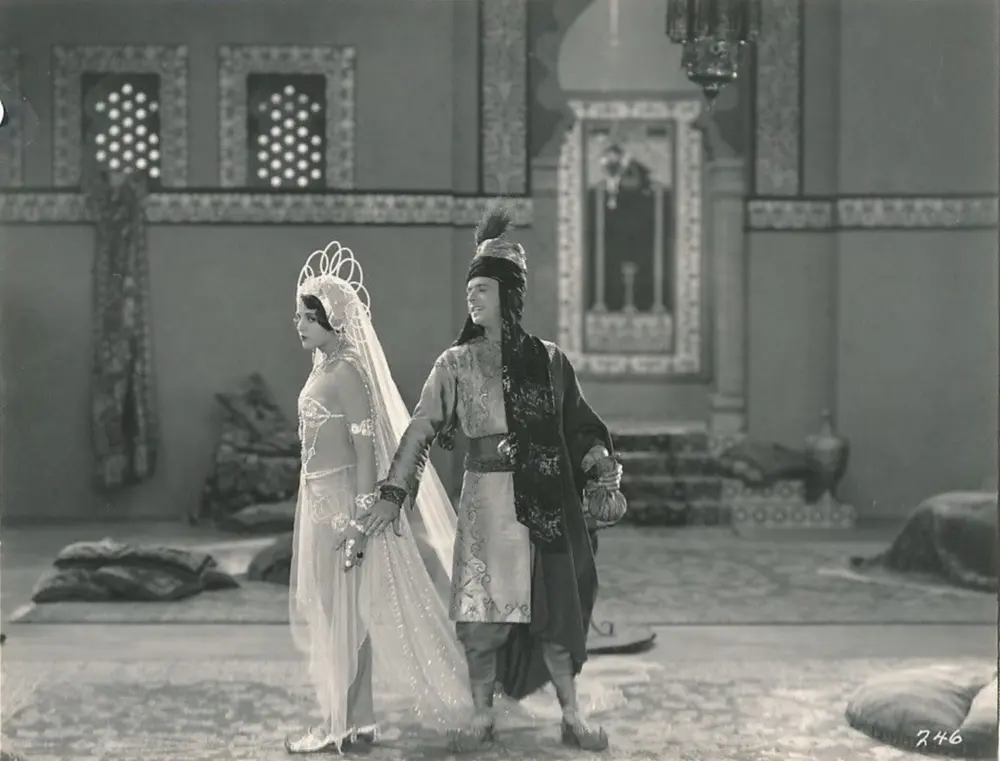
The central plot device—the promise to pull the Sultan’s whiskers—is a stroke of genius. It turns a physical threat into a legal loophole. This is where the film moves from being a simple caper to a biting critique of the Wazir’s court. The Wazir isn't interested in justice; he's interested in the girl and the gold. The law is merely a tool he uses to get both.
This cynicism is what saves the film from being a dated relic. The idea that the law is a maze designed to trap the poor and benefit the powerful is a theme that resonates today. When the thief escapes by disguising himself as the Wazir, it isn't just a plot resolution; it’s a statement that the clothes make the man—and the authority.
Douglas MacLean’s infectious energy keeps the film moving even when the script falters. The satire of the legal system is surprisingly biting and remains relevant. The production design, while 'Hollywood Orient,' is lavish and visually engaging for a 1927 production. It avoids the heavy moralizing found in films like Forbidden Fruit, opting for a more anarchic spirit.
The cultural stereotypes are undeniable and may be a barrier for modern audiences. The pacing in the second act is uneven, with the 'fat and lean' thieves feeling underutilized after a strong start. The romantic subplot lacks the emotional weight needed to make the stakes feel truly high. It lacks the visual experimentation found in works like Kino-pravda no. 21.
Most critics look at Soft Cushions and see a standard comedy. I see a film that is deeply suspicious of the state. The fact that the 'hero' has to become a corrupt official (the Wazir) to find justice is a dark, cynical conclusion for a 'light' comedy. It suggests that the system cannot be fixed; it can only be subverted by someone more clever than the people running it. This is a surprisingly radical stance for a 1920s studio film.
Soft Cushions is a delightful, if flawed, example of late-silent era comedy. It doesn't have the soul of Chaplin or the scale of Keaton, but it has a wit that is all its own. It works. But it’s flawed. The performance by MacLean is a masterclass in 'anxious' comedy, and the satirical elements provide enough meat to satisfy those looking for more than just slapstick. While it may not be the first silent film you should watch, it certainly shouldn't be the last. It is a testament to a time when movies weren't afraid to be both silly and deeply skeptical of authority.
"A film that proves the only thing more dangerous than a thief is a judge with an agenda."
IMDb —
1919
Community
Log in to comment.