DbcultAccessing Vault...
7/10
Senior Film Conservator
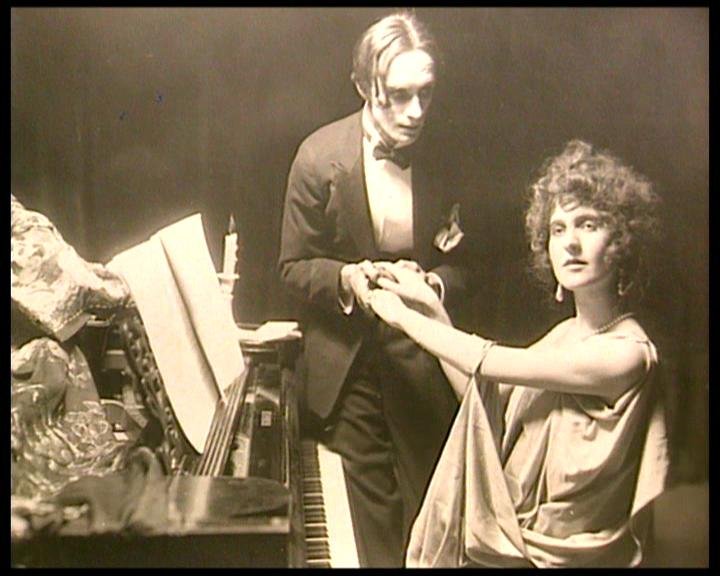
A definitive 7/10 rating for a film that redefined the boundaries of cult cinema. Desire remains a cornerstone of transgressive art.
Stepping back into the annals of early cinematic artistry, one often stumbles upon forgotten gems that, despite their age, resonate with an astonishing contemporary relevance. Such is the case with 1921's Desire, a silent film that, through its potent narrative and compelling performances, transcends the limitations of its era to deliver a timeless tale of forbidden love, societal constraint, and the audacious pursuit of personal liberty. Penned with a keen understanding of human yearning by Carl Heinz Jarosy, this film is not merely a historical artifact but a vibrant, beating heart of drama, brimming with the kind of emotional complexity that still captivates a century later. It's a testament to the power of visual storytelling, where every gesture, every lingering gaze, and every frantic movement speaks volumes.
The narrative thrust of Desire hinges on the return of a young Russian dancer, a man who has tasted the relative freedoms and artistic expression available in Geneva, only to find himself inexorably drawn back to the rigid, often unforgiving landscape of his homeland. This initial premise immediately establishes a powerful dichotomy: the individual's artistic spirit pitted against the oppressive weight of a stratified society. Eugen Klöpfer, in the pivotal role of this dancer, imbues his character with a palpable blend of grace and simmering rebellion. His stage presence, even in a silent medium, is conveyed through nuanced body language and expressive facial work, hinting at a soul too expansive for the confines of a traditional existence. It's a performance that speaks to the universal struggle of the artist within a restrictive world, a theme that resonates with the quiet defiance seen in films like The Water Lily, where personal purity often clashes with societal expectations.
Upon his return, fate, in its most dramatic form, orchestrates an encounter that will irrevocably alter his trajectory. He falls desperately in love with a Grand Duchess, a figure embodying the very pinnacle of the societal structure he instinctively resists. This isn't merely a casual infatuation; it's a profound, soul-stirring connection that defies the chasm of their respective stations. The film masterfully portrays the burgeoning romance, relying on the visual poetry of silent cinema to convey the intensity of their bond. Margarete Schlegel, as the Grand Duchess, delivers a performance of remarkable subtlety, her eyes often betraying the inner turmoil of a woman torn between duty and an overwhelming passion. The chemistry between Klöpfer and Schlegel is undeniable, a silent dialogue of longing glances and stolen moments that crackles with an almost dangerous energy. This forbidden romance is the beating heart of the film, a testament to the idea that love, in its purest form, knows no boundaries of class or convention.
Naturally, such a transgression against the established order cannot go unpunished. The rigid social codes of the era, particularly within the aristocratic circles of Russia, dictate that such a liaison is not only scandalous but treasonous. The dancer's arrest serves as the dramatic turning point, plunging the narrative into a darker, more perilous realm. Here, the film shifts from a romantic drama to a thrilling tale of survival and defiance. The scenes depicting his capture and imprisonment are imbued with a palpable sense of injustice and impending doom. The silent film's ability to create tension through stark visuals and the actors' powerful expressions is particularly evident here, drawing the audience into the dancer's plight with gripping immediacy.
Yet, the human spirit, especially one fueled by love and a desire for freedom, is remarkably resilient. The dancer, with an ingenuity born of desperation, orchestrates a daring escape. This sequence is a masterclass in silent film suspense, relying on meticulous staging and Klöpfer's physical prowess to convey the urgency and danger of his flight. The tension is almost unbearable, reminiscent of the high-stakes drama found in films like A Fugitive from Matrimony, where characters are constantly on the run, their lives hanging by a thread. The escape is not merely a plot device; it's a powerful metaphor for breaking free from the shackles of societal expectations and personal confinement. It underscores the film's central theme: the profound human need for autonomy and the willingness to risk everything for it.
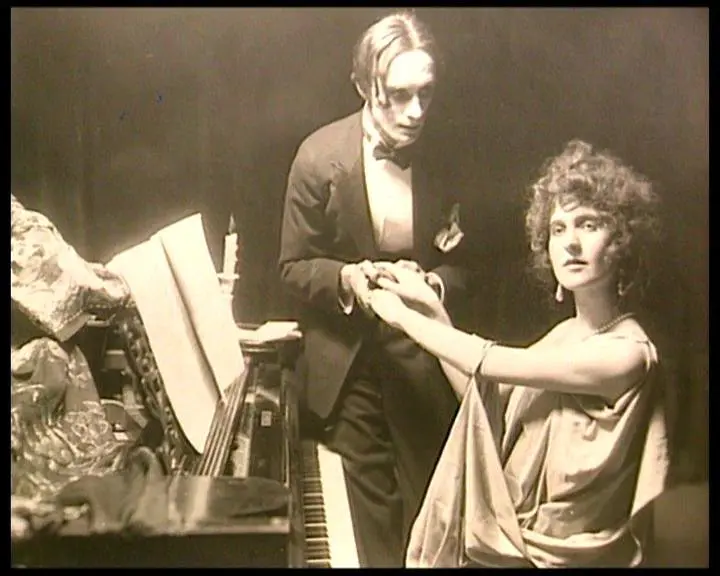
While Eugen Klöpfer and Margarete Schlegel anchor the emotional core of Desire, the film benefits immensely from a robust ensemble cast. Danny Guertler, though perhaps in a more supporting capacity, contributes to the intricate web of relationships, adding layers to the courtly intrigue and the dancer's perilous situation. Gussy Holl, with her distinct screen presence, undoubtedly adds a certain gravitas or levity, depending on her role's demands, enriching the dramatic texture. And then there is Conrad Veidt. Even in a film where he might not be the central figure, Veidt's mere presence on screen is an event. Known for his intense, often brooding portrayals in films like The Cabinet of Dr. Caligari, his contribution here, even if in a secondary role, would have undoubtedly lent an air of sophisticated menace or complex emotional depth, elevating every scene he graced. His ability to convey profound psychological states without uttering a single word made him a silent film icon, and his work in Desire is no exception, adding a distinct shade to the narrative palette.
The supporting cast, including Albert Bennefeld, Ellen Bolan, Paul Graetz, Hubert von Meyerinck, Marcela Gremo, and Helene Gray, all play crucial roles in fleshing out the world of the Grand Duchess and the dancer. Their collective performances create a believable, intricate social milieu, from the stern faces of authority to the sympathetic glances of onlookers. Each actor, through their silent expressions and carefully choreographed movements, contributes to the film's immersive quality, ensuring that the audience is fully invested in the unfolding drama. Carl Heinz Jarosy’s screenplay, while providing the structural backbone, also allowed ample room for these performers to shine, crafting characters with distinct motivations and reactions that feel authentic despite the silent medium.
The cinematic language of Desire is a testament to the artistry of its time. Without the aid of spoken dialogue, the film relies heavily on strong visual compositions, evocative lighting, and the expressive power of its actors. The director (though unnamed in the provided information, the directorial vision is clearly evident) uses close-ups to capture the raw emotion on the faces of Klöpfer and Schlegel, allowing their internal struggles to be externalized with remarkable clarity. The wider shots, particularly those depicting the opulent court or the starkness of imprisonment, serve to emphasize the societal pressures and the vast differences between the lovers' worlds. There's a certain stark beauty in how silent films convey grandeur and despair, a quality that often gets lost in the cacophony of modern cinema.
Thematically, Desire delves into profound questions about fate, free will, and the indomitable nature of the human heart. It explores the conflict between individual passion and societal obligation, a timeless struggle that continues to resonate with audiences today. The dancer's journey from a celebrated artist in Geneva to a fugitive in his homeland is a powerful commentary on the arbitrary nature of power and the personal cost of defying it. It subtly touches upon themes of class struggle and the inherent injustices of rigid hierarchies, echoing the spirit of rebellion found in narratives like Mutiny, albeit in a more romantic and less overtly political context. The film poses a vital question: is true happiness achievable when one's heart is bound by the chains of convention?
While films like Heart and Soul might explore the depths of human emotion through different lenses, Desire carves its own niche by focusing on the sheer intensity of a love that dares to challenge an entire system. It’s a film that speaks to the universal yearning for connection and the courage it takes to pursue it against all odds. The ending, with its dramatic escape, offers a glimmer of hope, a defiant assertion that love, even if fleeting, can provide the impetus for ultimate freedom. It leaves the audience pondering the true meaning of desire – not just as a romantic impulse, but as a driving force for self-determination and liberation from oppressive structures.
For silent film aficionados and newcomers alike, Desire offers a rich, emotionally charged experience. It's a reminder that cinematic storytelling was potent and sophisticated long before the advent of sound. The performances are compelling, the narrative gripping, and the themes remain as relevant now as they were a century ago. It’s a film that deserves to be rediscovered, studied, and celebrated for its profound artistic merit and its enduring message about the power of love and the unyielding spirit of defiance. It stands as a powerful example of how early cinema captured the human condition with an elegance and intensity that continues to resonate, proving that true artistry truly knows no temporal bounds. This is a film that doesn't just entertain; it stirs the soul and provokes contemplation, leaving an indelible mark long after the final frame fades to black.
IMDb —
1920
Community
Log in to comment.