DbcultAccessing Vault...
Cult Review
Senior Film Conservator
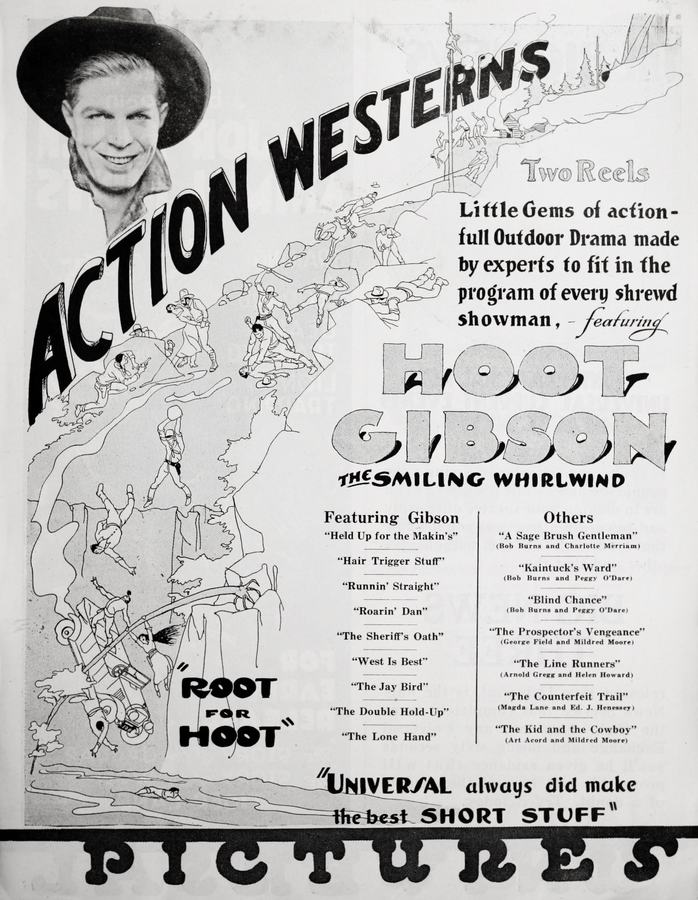
In the annals of cinematic history, certain films, despite their age or perhaps precisely because of it, possess an enduring resonance, a timeless quality that speaks to fundamental human experiences. The Counterfeit Trail, a compelling narrative helmed by the combined creative forces of writers Philip Hubbard and Dorothy Rockfort, stands as a testament to this enduring power. It’s a work that eschews simplistic morality in favor of a nuanced exploration of justice, identity, and the treacherous ease with which one's reputation can be irrevocably sullied. From its opening frames, the film establishes a pervasive atmosphere of latent menace, hinting at the unseen forces that manipulate societal perceptions and personal destinies. This isn't merely a tale of good versus evil; it's a profound meditation on the mechanics of deception and the arduous path to truth, meticulously crafted to keep its audience tethered to every twist and turn of its intricate design.
At its core, The Counterfeit Trail masterfully constructs a narrative around the devastating impact of false accusation. The plot, deceptively straightforward on paper—a hero temporarily implicated by counterfeiters before his eventual exoneration—unfolds with an almost agonizing psychological tension on screen. The true brilliance lies not in the "what" but in the "how." Hubbard and Rockfort demonstrate an exceptional understanding of human fallibility and the insidious nature of circumstantial evidence. They don’t simply state that suspicion is thrown upon our protagonist; they meticulously illustrate the process. We witness the subtle planting of evidence, the whispered slanders, the calculated manipulations that turn erstwhile allies into wary observers, and the wider community into a jury of doubters. The film avoids the simplistic melodrama often found in contemporary thrillers, opting instead for a slow, suffocating build-up of doubt that permeates every interaction and shadows every scene. The hero, whose name remains a blank canvas for the audience to project their own anxieties upon, becomes a universal symbol of the individual caught in the gears of a merciless, indifferent system.
The villains in this piece are not cartoonish caricatures; rather, they are presented as disturbingly plausible figures, their motivations driven by a cold, calculating pragmatism. Al Ernest Garcia, in a role that highlights his capacity for understated menace, embodies the shadowy orchestrator, a puppet master whose influence extends far beyond his immediate presence. His performance is a masterclass in controlled malevolence, a stark contrast to the more overt villainy seen in films like The Guilty Man, where the antagonist's guilt is often telegraphed early on. Here, Garcia's character operates with a chilling efficiency, making his machinations feel all the more real and threatening. The film excels in portraying the almost surgical precision with which these counterfeiters operate, not just in their illegal trade but in their ability to manipulate public perception and judicial processes. This complexity elevates the film beyond a mere crime procedural, pushing it into the realm of psychological drama, where the internal struggles of the accused are given as much weight as the external pursuit of justice.
The ensemble cast delivers performances that are nothing short of captivating. Bob Burns, as the beleaguered protagonist, anchors the film with a portrayal of quiet dignity and simmering desperation. His journey from respected citizen to suspected criminal is rendered with a heartbreaking authenticity. Burns eschews grandstanding, instead conveying the hero's torment through subtle gestures, haunted eyes, and a weary determination that speaks volumes. It's a performance that recalls the understated resilience found in Poor Innocent, where the protagonist also faces a barrage of undeserved misfortune, yet maintains an inner fortitude. The audience doesn't just sympathize with Burns's character; they empathize with his plight, feeling the weight of every accusation, the sting of every doubtful glance. This profound connection is a testament to Burns's nuanced acting, preventing the character from ever devolving into a mere victim.
Magda Lane, in a supporting role that provides much-needed emotional depth, portrays a character whose unwavering belief in the hero becomes a crucial beacon in his darkest hours. Her performance is a delicate balance of vulnerability and strength, offering a poignant counterpoint to the prevailing cynicism. J. Edwin Brown, W.E. Lawrence, and Edward J. Hennessey, each in their respective roles, contribute to the intricate mosaic of characters, some unwittingly aiding the counterfeiters, others striving to uncover the truth. The film's strength lies in these interlocking performances, creating a believable world populated by individuals whose choices, both ethical and morally ambiguous, propel the narrative forward. There's a tangible sense of a community grappling with uncertainty, a detail often overlooked in more bombastic thrillers, but one that grounds The Counterfeit Trail in a palpable reality.
While specific directorial credits are often debated in films of this era, the overall aesthetic and pacing suggest a keen directorial eye for suspense and atmosphere. The cinematography, characterized by its stark contrasts and deep shadows, evokes a nascent noir sensibility, even if the term itself was yet to be fully coined. Every frame feels deliberately composed, enhancing the sense of entrapment and moral ambiguity. The use of low-key lighting in key scenes, particularly those depicting the hero's solitary struggles or the clandestine meetings of the counterfeiters, amplifies the tension, drawing the viewer into a world where light and shadow mirror the blurred lines between innocence and guilt. This visual language is profoundly effective, communicating much of the film's thematic content without the need for exposition. It’s a stylistic choice that would later become a hallmark of the genre, suggesting that The Counterfeit Trail was ahead of its time in its visual storytelling.
The editing, too, deserves commendation. It’s crisp and purposeful, maintaining a brisk pace without sacrificing narrative clarity or emotional impact. The transitions between scenes are seamless, guiding the audience through the labyrinthine plot with an assured hand. Unlike some contemporaries that relied on theatrical staging, The Counterfeit Trail embraces a more dynamic, cinematic approach, utilizing close-ups to capture the raw emotion on the actors' faces and wider shots to establish the oppressive environments. The sound design, while perhaps rudimentary by modern standards, effectively uses silence and subtle ambient noise to build suspense, a tactic often overlooked but immensely powerful. The absence of a bombastic score in moments of high tension, allowing the natural sounds of the scene to dominate, is a particularly effective choice, pulling the audience deeper into the unfolding drama.
What truly elevates The Counterfeit Trail beyond a simple genre piece is its profound thematic depth. It delves into the fragility of reputation, the arbitrary nature of justice, and the resilience of the human spirit in the face of overwhelming adversity. The film posits a sobering question: how easily can an individual be stripped of their identity and standing, not by their own actions, but by the calculated malice of others? This question resonates powerfully, touching upon universal anxieties about social standing and the perception of truth. The journey of the protagonist is not just about clearing his name; it is about reclaiming his very essence, rebuilding a shattered world piece by painstaking piece. This struggle for reclamation is what makes the film so emotionally compelling, connecting it to the universal human desire for justice and recognition.
The theme of truth versus perception is explored with particular nuance. The counterfeiters don't just forge currency; they forge reality, creating a false narrative that initially seems unassailable. The film challenges its audience to look beyond the surface, to question the immediate evidence, and to seek out the deeper currents of truth. This intellectual engagement is a hallmark of superior storytelling, distinguishing it from more formulaic thrillers. In an era where trust in institutions and individuals is constantly tested, the film’s exploration of these themes feels remarkably prescient. It reminds us that vigilance is not just for the law enforcement, but for every individual in discerning what is real and what is a carefully constructed illusion.
The eventual clearing of the hero’s name is not a sudden, deus ex machina moment, but the culmination of painstaking effort and a slow, methodical unraveling of the counterfeiters’ elaborate scheme. The film paces this reveal with expert precision, allowing the audience to share in the protagonist's growing hope and the gradual tightening of the net around the true culprits. The satisfaction derived from this resolution is immense, not merely because justice is served, but because it feels earned. The journey through suspicion and despair makes the moment of vindication all the more potent and cathartic. It serves as a powerful affirmation of perseverance and the ultimate triumph of integrity, even in the face of overwhelming odds. This resolution avoids the overly simplistic "happy ending" often found in less ambitious productions, instead offering a hard-won peace that acknowledges the scars of the ordeal.
Comparing its resolution to other films of its time, one might find parallels with the slow burn of justice in The Payment, where consequences for actions, though delayed, are ultimately inescapable. However, The Counterfeit Trail distinguishes itself by focusing intensely on the psychological toll of false accusation, making the eventual triumph feel less about external retribution and more about internal restoration. The final scenes are not about grand pronouncements but about quiet rebuilding, a subtle yet profound commentary on what it truly means to regain one's life and reputation after they have been so cruelly threatened.
While perhaps not as widely discussed as some of its more flamboyant contemporaries, The Counterfeit Trail holds a significant place within the evolution of the crime drama genre. Its innovative storytelling, compelling performances, and sophisticated thematic explorations set a benchmark for future narratives centered on wrongful accusation and the pursuit of truth. It demonstrates that a compelling story doesn't require massive budgets or special effects; it requires a deep understanding of human nature and the courage to explore its darker corners. The film's influence can be subtly traced through subsequent thrillers and legal dramas, particularly those that prioritize psychological realism over sensationalism. It's a quiet masterpiece, one that rewards repeat viewings with new insights into its meticulously constructed world.
In conclusion, The Counterfeit Trail is more than just a period piece; it's a timeless exploration of themes that continue to resonate with audiences today. Its intricate plot, memorable performances from Bob Burns and Al Ernest Garcia, and the thoughtful script by Philip Hubbard and Dorothy Rockfort combine to create a cinematic experience that is both intellectually stimulating and emotionally gripping. It reminds us that justice, while sometimes slow and arduous, can indeed prevail, and that the truth, no matter how deeply buried, will ultimately find its way to the light. This film is an essential watch for anyone interested in the foundational elements of the crime drama, or simply for those who appreciate a narrative that challenges the mind as much as it entertains the eye. Its subtle power and enduring relevance ensure its place as a significant, albeit understated, classic.
The detailed character arcs, even for the supporting cast, contribute to a sense of a lived-in world, a bustling metropolis where secrets fester beneath a veneer of normalcy. The film doesn't shy away from depicting the moral compromises some characters make, or the quiet courage others display, creating a rich tapestry of human experience. This nuanced approach to characterization, rather than relying on archetypes, gives the film a depth that few others of its time achieved. It’s a compelling argument for the power of narrative to explore complex ethical dilemmas without resorting to didacticism. The pacing, though deliberate, never drags, each scene serving a clear purpose in advancing the plot or deepening our understanding of the characters' internal states. The climax, while not a burst of explosive action, is a carefully orchestrated revelation, a testament to the power of intellectual deduction and relentless investigation. The ultimate vindication of the protagonist feels earned, not merely given, and leaves the audience with a profound sense of satisfaction, knowing that the scales of justice, though temporarily unbalanced, have finally been righted.
The film’s exploration of societal pressures and the legal system’s imperfections also sets it apart. It doesn't portray the law as an infallible entity, but rather as a human construct susceptible to manipulation and error. This critical perspective, while subtle, adds another layer of sophistication to the narrative, inviting viewers to ponder the systemic vulnerabilities that allow such injustices to occur. The quiet determination of the hero to clear his name, even when the odds seem insurmountable, serves as a powerful message about individual agency and the importance of fighting for one's truth. It’s a narrative that resonates deeply with anyone who has ever felt misunderstood or unjustly judged, making The Counterfeit Trail a timeless piece of cinematic art that speaks to the enduring human struggle for integrity and recognition. Its legacy is not built on spectacle, but on its profound insight into the human condition and the intricate dance between deception and discovery.
IMDb 7
1932
Community
Log in to comment.