DbcultAccessing Vault...
6/10
Senior Film Conservator
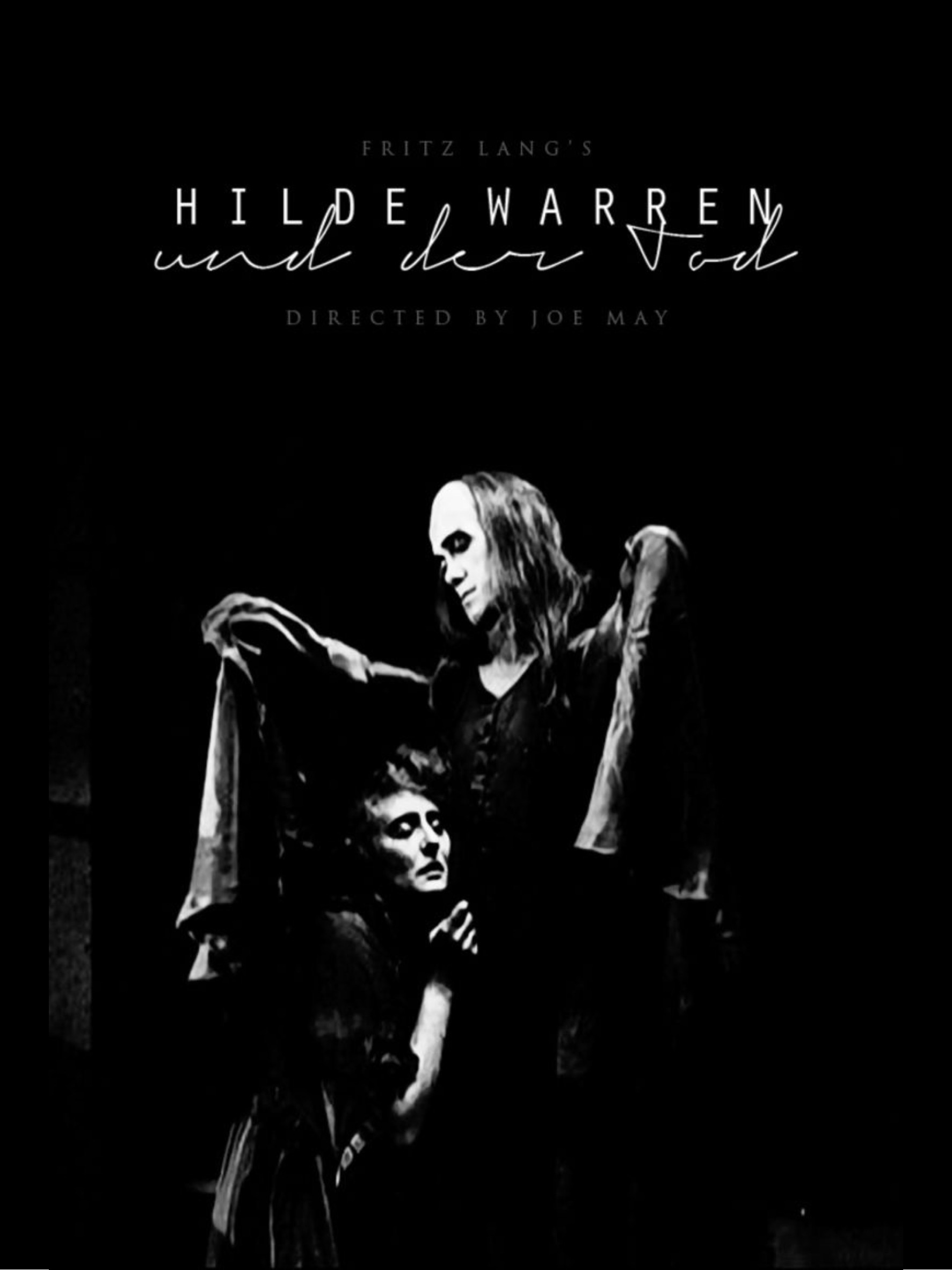
A definitive 6/10 rating for a film that redefined the boundaries of cult cinema. Hilde Warren und der Tod remains a cornerstone of transgressive art.
Fritz Lang’s early cinematic forays often reveal a nascent genius grappling with grand themes, and few works from his formative period articulate this struggle with such visceral intensity as 1917’s Hilde Warren und der Tod. This silent German masterpiece, penned by Lang himself, transcends mere melodrama to become a profound philosophical inquiry into fate, morality, and the inescapable shadow of death. It is a film that, even a century later, retains its unsettling power, a testament to its audacious narrative and groundbreaking visual language. Lang, later to become a titan of cinematic expression, here lays the groundwork for the psychological depth and architectural precision that would define his most celebrated works.
At its core, Hilde Warren und der Tod plunges us into the tortured psyche of its titular character, a celebrated actress, whose life takes a catastrophic turn. Her tragic impregnation by a convicted murderer is not merely a plot device; it’s the catalyst for an internal maelstrom, a descent into a deeply personal hell. This transgression, born of an encounter shrouded in despair, plants the seed not just of a child, but of an existential crisis that threatens to consume her. Immediately, Hilde becomes plagued by terrifying visions of Death, a figure rendered with chilling effectiveness as an extremely gaunt and sepulchral entity, whose spectral presence mirrors her burgeoning dread. This personification of Death is not a distant, abstract concept but an intimate, ever-present tormentor, a harbinger of the moral reckoning to come. The film masterfully uses these visions to externalize Hilde's profound guilt and terror, blurring the lines between psychological torment and supernatural intervention. This early exploration of psychological horror, long before the genre became codified, speaks volumes of Lang's visionary approach to storytelling.
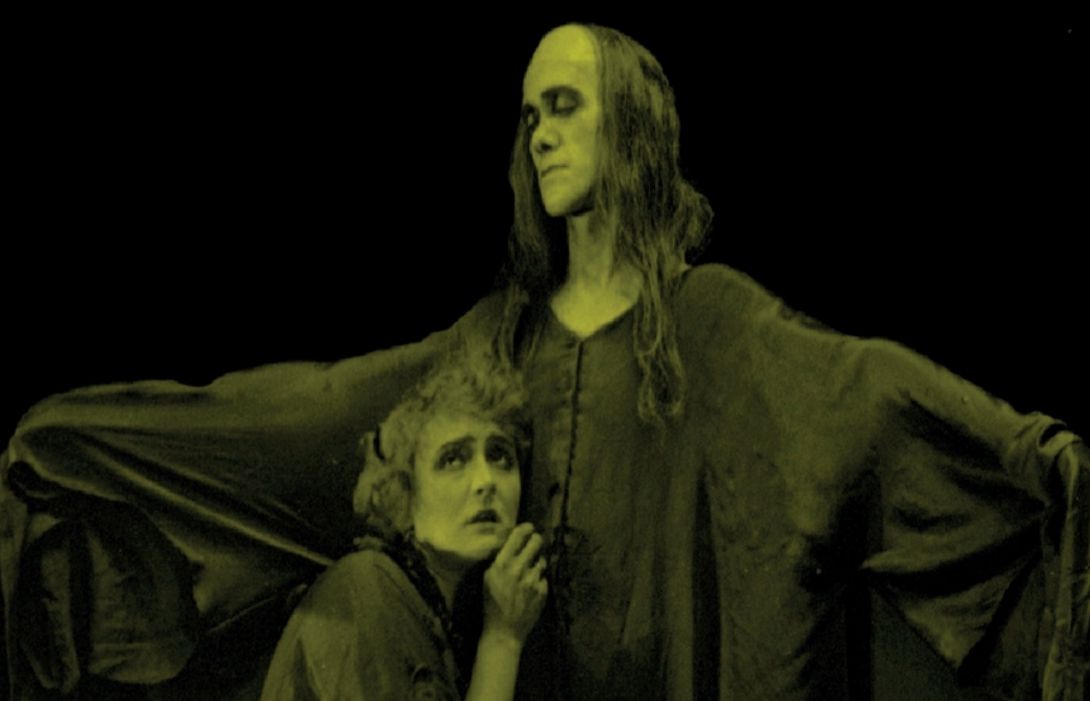
The true horror solidifies upon the birth of her child, who, with a cruel twist of fate, bears the unmistakable likeness of its criminal father. This genetic echo of villainy forces Hilde into an agonizing choice, one that tears at the very fabric of maternal instinct. Should she allow this innocent life, irrevocably marked by its origins, to exist, potentially perpetuating a lineage of depravity? Or should she commit the ultimate sin, extinguishing the life she bore, thereby risking the final, inescapable embrace of Death himself, who has loomed over her since the conception? It's a profound ethical quandary, a stark exploration of nature versus nurture, predestination versus free will. The film doesn't shy away from the moral ambiguities, forcing the audience to grapple with Hilde's impossible situation. This narrative daring sets it apart, demonstrating a willingness to explore uncomfortable truths about inheritance, sin, and the societal judgment placed upon both mother and child. The starkness of this dilemma resonates with the thematic gravity found in later European cinema, particularly in its unflinching portrayal of human suffering and moral compromise.
Even in this relatively early work, the fingerprints of Fritz Lang’s directorial genius are unmistakable. The film’s visual language is a precursor to the German Expressionist movement that would soon define a significant era of German cinema. Lang employs stark contrasts, deep shadows, and exaggerated sets to externalize Hilde’s internal turmoil, creating a world that feels as distorted and oppressive as her psychological state. The design of Death, skeletal and imposing, is a masterclass in minimalist horror, utilizing stark lighting and makeup to craft a truly unforgettable antagonist. This visual stylization is not merely aesthetic; it is integral to the narrative, amplifying the film's themes of inescapable fate and moral decay. Lang's meticulous framing and innovative use of light and shadow foreshadow the intricate visual storytelling he would perfect in films like Metropolis and M. The film's atmosphere is thick with a sense of impending doom, a testament to Lang’s ability to conjure dread through purely visual means. His direction here demonstrates a profound understanding of how to manipulate the cinematic medium to evoke powerful emotional responses, a skill he would hone throughout his illustrious career.
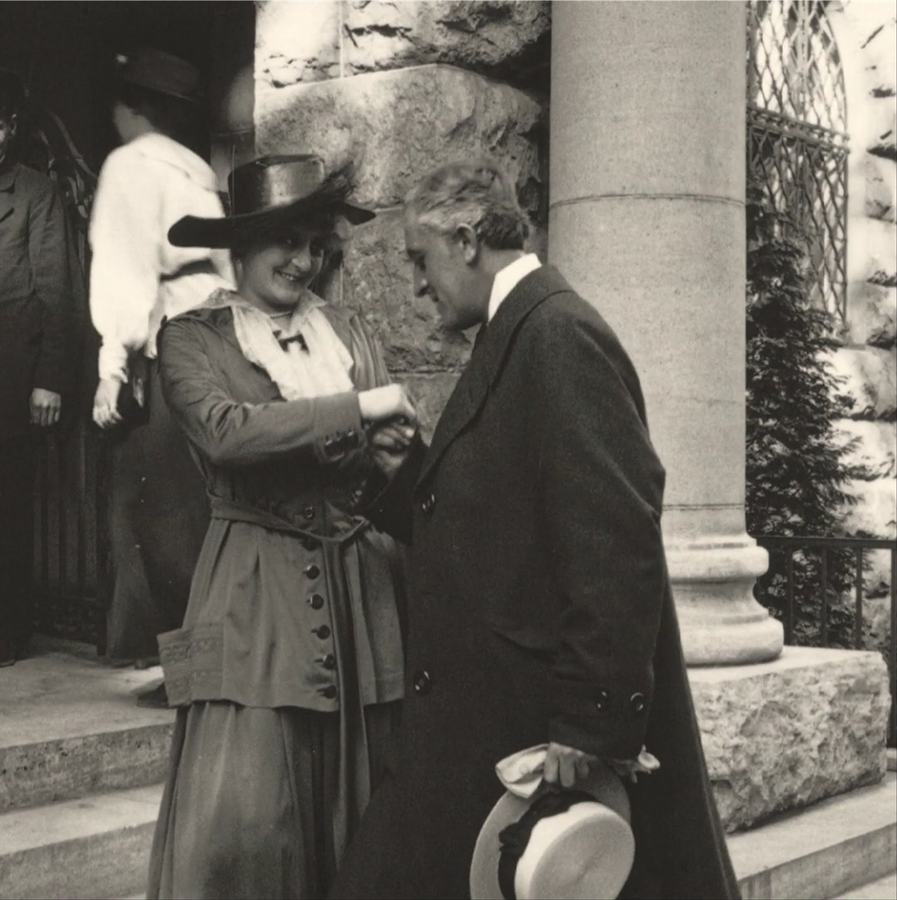
At the heart of this harrowing tale is Mia May’s incandescent performance as Hilde Warren. Her portrayal is a tour de force of silent acting, conveying the character's descent into madness and despair with an intensity that transcends the lack of spoken dialogue. May’s expressive face and tormented physicality communicate volumes, making Hilde’s impossible choice palpable and deeply affecting. She embodies the profound internal conflict, shifting from the celebrated actress to the tormented mother with heartbreaking conviction. Her anguish is not merely portrayed; it is felt, drawing the audience into her psychological prison. Supporting her, the cast, including Ernst Matray, Hermann Picha, Aud Egede-Nissen, Georg John, Bruno Kastner, and Hans Mierendorff, contribute to the film's somber tapestry. Georg John, in particular, as the embodiment of Death, creates an indelible, terrifying image that lingers long after the credits roll. His gaunt, almost skeletal appearance, coupled with his slow, deliberate movements, crafts a truly menacing presence that perfectly encapsulates Hilde’s internal torment. The ensemble works in concert to build a world steeped in dread and moral ambiguity, each performance a brushstroke in Lang's stark canvas. The emotional depth conveyed by these actors, particularly in an era without synchronized sound, is a testament to their craft and Lang's precise direction.
Hilde Warren und der Tod stands as a fascinating artifact of early German cinema, showcasing themes and stylistic choices that would become central to the country's film output in the coming years. Its exploration of crime, guilt, and supernatural retribution finds parallels in other early works grappling with the darker aspects of the human condition. While distinct, one might draw thematic connections to films like The Criminal Path or even the moral quandaries presented in Gelöste Ketten, though Lang's unique vision here pushes the boundaries further into psychological horror. The film’s bold narrative, particularly its unflinching gaze at a woman's moral crisis, also brings to mind the dramatic intensity of films like Madame X, which similarly explores a mother's profound sacrifice and suffering, albeit through a different lens. However, Hilde Warren und der Tod distinguishes itself through its explicit supernatural elements and its almost allegorical depiction of Death, setting it apart from more conventional melodramas of the period. This fusion of the personal and the metaphysical gives it a unique resonance, elevating it beyond mere social commentary to a timeless exploration of human fate. The film's artistic courage in confronting such a taboo subject, particularly for its time, positions it as a significant precursor to the psychological dramas that would later flourish. Its influence on the visual language of horror and the exploration of internal demons cannot be overstated, making it a crucial piece in the mosaic of cinematic history. It's a powerful reminder that early cinema was far from simplistic, often daring to tread into complex philosophical territory with surprising sophistication.
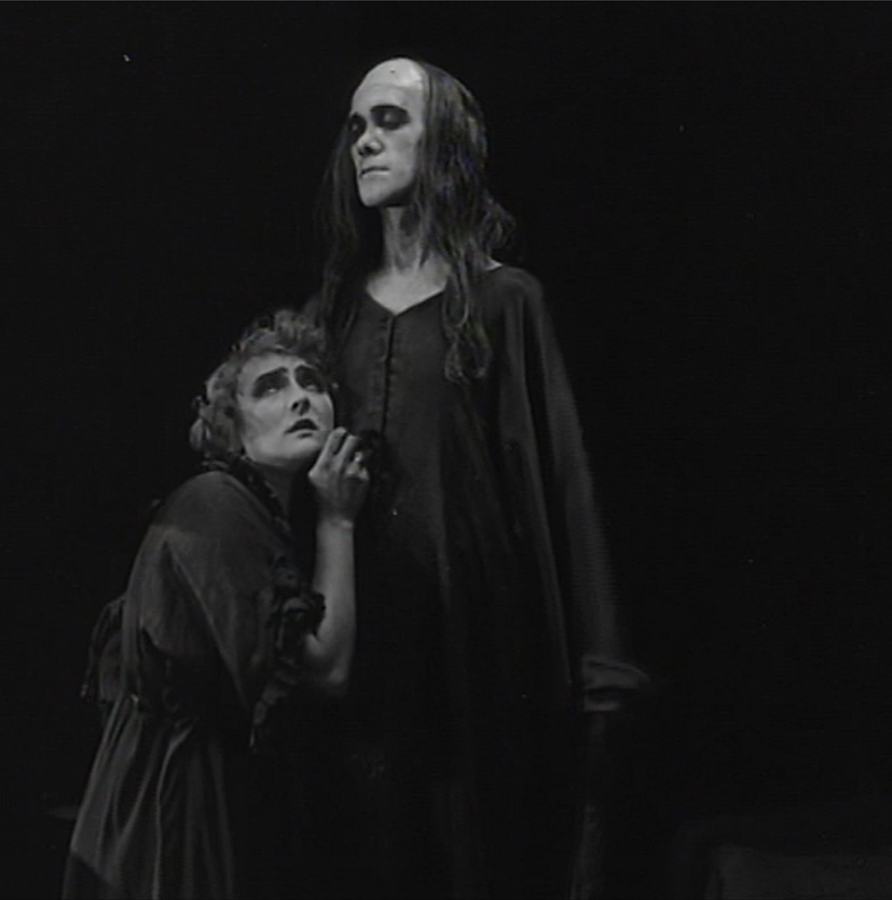
Despite its age and the challenges of viewing such an early silent film, Hilde Warren und der Tod remains a compelling and vital piece of cinematic history. It is a testament to Fritz Lang’s nascent genius, revealing a director already confident in his ability to weave complex narratives with striking visual flair. The film’s themes of guilt, fate, and the terrifying personification of death are universal, ensuring its continued relevance. It forces us to confront uncomfortable questions about inheritance, morality, and the choices we make when pushed to the brink of despair. The moral dilemma at its core—the decision to end a life to prevent potential suffering or perpetuate a perceived evil—is as potent today as it was over a century ago. Lang’s masterful control over atmosphere and symbolism, even in these formative years, marks him as a filmmaker destined for greatness. The stark, almost brutal honesty with which the film approaches its subject matter is remarkable, avoiding easy answers or comforting resolutions. It is a film that demands reflection, prompting viewers to consider the profound implications of Hilde’s impossible predicament. Its place in the pantheon of early German cinema is secure, not merely as a historical curiosity, but as a powerfully resonant work of art that continues to provoke thought and stir the soul. The haunting imagery, particularly that of Death, etched into the collective cinematic consciousness, serves as a powerful reminder of the era's innovative spirit and willingness to confront the darkest corners of human existence. It's a film that whispers of the horrors within, and the inescapable consequences of choices made under duress, solidifying its status as an unsettling classic.
Hilde Warren und der Tod is more than just a historical footnote; it is a raw, powerful cinematic experience that showcases the burgeoning talent of one of cinema's true masters. Through its bold narrative, expressionistic visuals, and Mia May's unforgettable performance, it carves out a unique space in the landscape of early film. It’s a chilling meditation on destiny, morality, and the profound psychological toll of an impossible choice, a haunting reminder of the darkness that can lurk within and without. For anyone interested in the origins of German Expressionism, the early works of Fritz Lang, or simply a deeply unsettling psychological drama, this film is an essential, if challenging, viewing. It solidifies Lang's reputation as a visionary, even in his formative years, proving that some nightmares are truly timeless. Its enduring power lies in its ability to tap into universal fears and dilemmas, presenting them with an artistic integrity and visual flair that was remarkably ahead of its time. The film is a testament to the fact that cinema, even in its infancy, possessed the profound capacity to explore the most intricate and harrowing aspects of the human condition, leaving an indelible mark on its audience and the art form itself.
IMDb —
1918
Community
Log in to comment.