DbcultAccessing Vault...
Cult Review
Senior Film Conservator
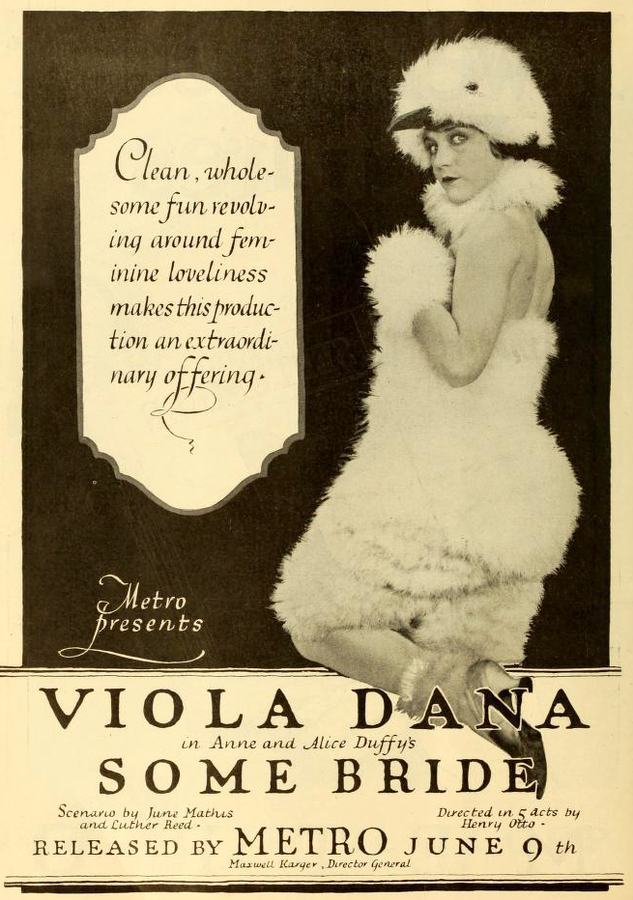
Step back in time to an era when emotions were writ large on the silver screen, when a glance could convey volumes and a dramatic gesture could ignite a theater full of laughter or tears. In the vibrant tapestry of silent cinema, Some Bride, an often-overlooked comedic gem, emerges as a captivating exploration of marital dynamics, jealousy, and the delightfully chaotic nature of love. This film, a product of the early 20th century's burgeoning cinematic landscape, offers far more than mere historical curiosity; it presents a timeless narrative of human foibles, anchored by a spirited performance from its lead, Viola Dana, and a narrative that dances precariously on the edge of farce and genuine emotional insight.
At the heart of Some Bride lies Patricia Morley, a character brought to vivid life by Viola Dana. Patricia is not merely a 'flirtatious wife'; she is a force of nature, a woman whose vivacity and innate charm spill over into every interaction. Her 'flirtatious ways' at the summer resort are less an act of malice and more a testament to an irrepressible spirit, perhaps even a subconscious challenge to the societal constraints placed upon a newly married woman of her era. She embodies a certain theatricality in her everyday existence, a playful defiance that, while endearing to some, proves utterly maddening to her husband, Henry. Henry, portrayed with suitable exasperation by Jack Mower, finds himself in a perpetual state of anxiety, his peace of mind constantly disturbed by Patricia's seemingly innocent, yet undeniably provocative, interactions with other men. This foundational conflict sets the stage for a delightful comedic exploration of trust, insecurity, and the often-absurd lengths to which people will go to assert their feelings or fears within a relationship. Dana’s performance is a masterclass in silent film acting, conveying Patricia’s mischievousness and underlying vulnerability without uttering a single word, relying instead on expressive gestures and captivating facial nuances that speak volumes.
The narrative’s pivotal moment arrives with an almost surreal flourish at an old-fashioned barn dance. Here, Patricia, ever the performer, engages in an impromptu act, embodying a chicken breaking out of an egg. This seemingly innocuous, even comical, performance becomes the breaking point for Henry. His 'wrath explodes,' a culmination of pent-up suspicion and wounded pride. The scene is rich in symbolic undertones: Patricia's emergence from the 'egg' can be interpreted as her breaking free from the shell of conventional wifely expectations, a metaphor for her burgeoning independence or perhaps simply her refusal to be caged by Henry's jealousy. For Henry, it’s a public humiliation, a perceived flaunting of her unbridled spirit that he misinterprets as a declaration of affection for another. The ensuing accusation of infidelity, followed by his abrupt return to New York to file for divorce, casts a momentary shadow over the lighthearted tone, propelling the plot into a more dramatic, yet still distinctly comedic, realm. The writers, Alice Duffy, Anne Duffy, Luther Reed, and June Mathis, demonstrate a keen understanding of how to escalate domestic friction into full-blown melodrama, only to deftly pivot back to humor.
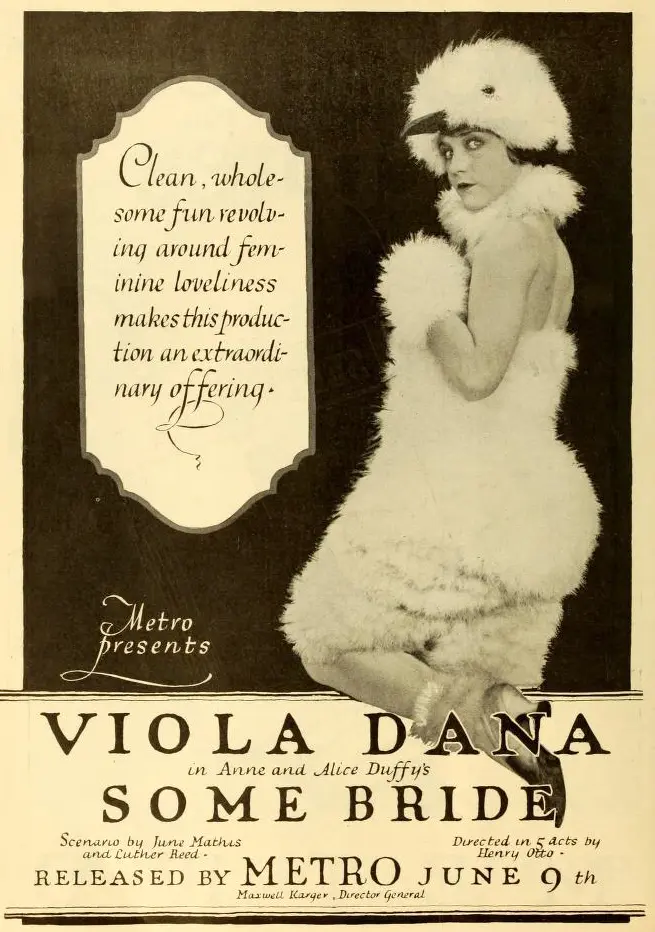
Heartbroken but undeniably resourceful, Patricia embarks on an audacious plan of reconciliation. She dispatches her loyal friend, Victoria French (Ruth Cummings), to inform Henry of her supposed impending demise. This classic comedic trope, a desperate plea for sympathy, is then elevated by Patricia's own actions. She checks into a hospital, not as a patient, but as a whirlwind of theatrical hysteria, alarming the unsuspecting staff. Her conduct, a blend of exaggerated suffering and dramatic pronouncements, is a testament to her inherent flair for performance. Viola Dana truly shines in these scenes, her wide-eyed expressions and frantic movements painting a picture of a woman teetering on the brink, yet always with a knowing glint in her eye. The humor here is derived from the collision of Patricia’s performative grief with the mundane, professional environment of a hospital. The audience is privy to the deception, making her antics all the more enjoyable. The discovery of her bluff by a shrewd nurse adds another layer of comedic tension, setting the stage for Henry’s inevitable arrival. This segment of the film, while farcical, deftly explores the emotional manipulation that can occur in strained relationships, albeit presented through a comedic lens. It highlights Patricia's desperate desire to reclaim Henry's attention, even if it means resorting to extreme measures.
The film reaches its peak of delightful absurdity when Henry, having rushed to the hospital, discovers Patricia not on her deathbed, but rather in a nurse's uniform, attending to none other than his divorce lawyer, Geoffrey Patten, who has coincidentally suffered a broken leg. The sheer improbability of this scenario is where the genius of silent comedy often lies. Henry’s 'anger explodes again,' a perfectly understandable reaction to witnessing his supposedly dying wife in such a preposterous situation, seemingly mocking his distress. Yet, beneath the renewed fury, the enduring affection between the couple begins to reassert itself. The visual humor of the scene, with Patricia's feigned professionalism juxtaposed against Henry's sputtering rage, is expertly handled. The reconciliation, though swift, feels earned within the comedic framework, a triumph of enduring love over petty jealousy and theatrical shenanigans. The film doesn't dwell on the intricacies of their emotional journey but rather on the broad strokes of their comedic conflict and resolution. The decision to have Henry then hire the very nurse who exposed Patricia’s bluff as a detective is a stroke of pure comedic brilliance, ensuring that the path to 'curing' Henry of his jealousy is paved with further, albeit ultimately harmless, complications. This final twist reinforces the film's commitment to lighthearted chaos, ensuring that the audience leaves with a smile.
Some Bride, beneath its frothy comedic surface, offers intriguing glimpses into the social fabric of its time. The film subtly explores themes of trust and suspicion within marriage, a perennial human dilemma. Henry's jealousy is not merely a character flaw; it’s a commentary on the insecurities often lurking within relationships, exacerbated by societal expectations of female propriety. Patricia, in turn, can be seen as a proto-feminist figure, perhaps unconsciously pushing against these very expectations with her spirited independence and refusal to be confined. Her 'flirtatious ways' are less about genuine infidelity and more about a desire for attention, a craving for validation that her anxious husband is unable to provide. The element of 'performance' is also central to the film. Patricia is constantly performing – whether it's her 'chicken' act, her feigned illness, or her masquerade as a nurse. This theatricality underscores the idea that relationships themselves often involve a degree of performance, of presenting a certain self to one's partner. The film, through its comedic lens, invites us to consider the roles we play and the masks we wear, even in the most intimate of settings. The writers, Alice Duffy, Anne Duffy, Luther Reed, and June Mathis, craft a narrative that, while ostensibly simple, touches upon complex human emotions and societal pressures with remarkable dexterity for its era.
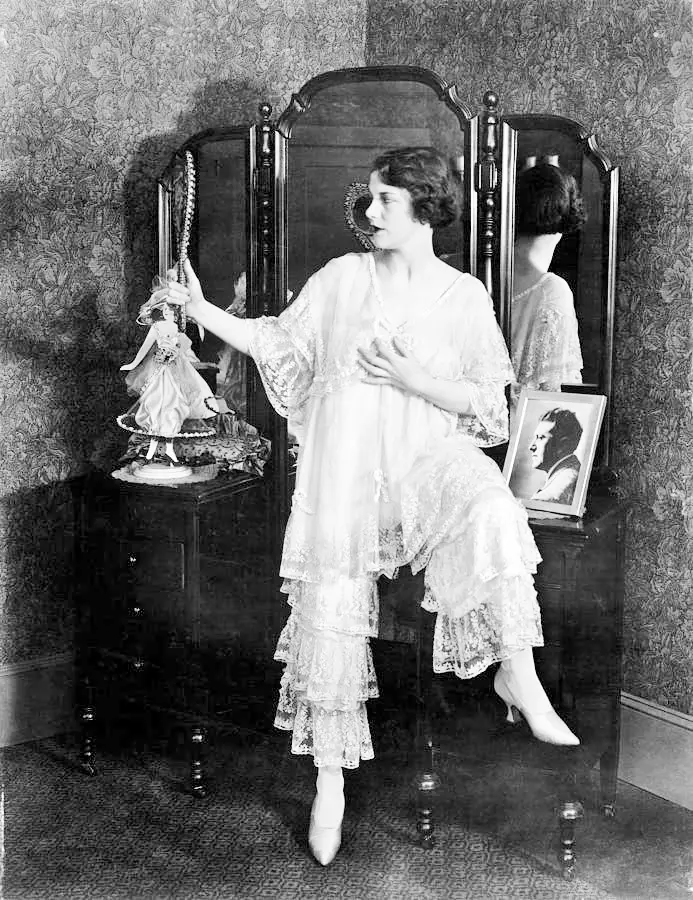
The success of Some Bride rests heavily on the shoulders of its talented cast. Viola Dana, a prominent star of the silent era, delivers a performance that is both energetic and nuanced. Her ability to convey a range of emotions – from mischievous glee to genuine heartbreak – without dialogue is truly remarkable. She commands the screen, her expressive eyes and nimble physicality perfectly suited to the demands of silent comedy. Jack Mower, as the perpetually distraught Henry, serves as the perfect foil, his reactions ranging from simmering suspicion to explosive rage, always keeping the audience invested in his plight. Ruth Cummings, as the supportive Victoria French, and Florence Carpenter and Irving Cummings in their respective roles, provide solid support, contributing to the film’s overall comedic rhythm. While the director remains uncredited, the visual storytelling is efficient and effective, utilizing classic silent film techniques such as exaggerated gestures, intertitles for dialogue and exposition, and carefully composed shots to maximize comedic impact. The pacing is brisk, never allowing the farcical elements to overstay their welcome, a testament to the collaborative efforts of the entire production team, including the astute contributions of the writing quartet. The film's ability to maintain a consistent tone while navigating dramatic plot twists is a testament to the skill involved in its creation.
While perhaps not as widely known as some of the era's grander epics or more overtly avant-garde productions, Some Bride holds its own as a delightful example of silent-era romantic comedy. Its exploration of marital misunderstandings and the comedic potential of human insecurity resonates even today. One might draw thematic parallels between Patricia's elaborate deceptions and the more overt theatricality seen in a film like The Birth of Character, where individuals often construct personas to navigate complex social landscapes. Similarly, the domestic strife, albeit lighthearted, finds echoes in more dramatic portrayals of marital discord found in features such as The Family Cupboard, highlighting the enduring fascination with the complexities of home life across different genres. The film's light touch on serious themes of trust and jealousy distinguishes it, offering a more palatable, humorous take on challenges that could otherwise lead to tragedy. Compared to the more overtly adventurous narratives of films like The Counterfeit Trail or the historical scope of The Life and Adventures of John Vane, the Australian Bushranger, Some Bride reminds us of the enduring power of intimate, character-driven stories. It is a testament to the fact that even without spoken dialogue, a well-crafted plot, vibrant performances, and a keen understanding of human nature can create a film that entertains and endures. The film’s focus on the 'cure' for jealousy, rather than its destructive potential, offers a refreshingly optimistic perspective, a comedic balm for the anxieties of the heart.
In conclusion, Some Bride is a charming, effervescent piece of cinematic history that deserves a wider audience. It's a testament to the comedic prowess of Viola Dana and the storytelling acumen of its writers, offering a delightful escape into a world where even the most serious marital woes can be resolved with a touch of theatrical flair and a hearty dose of laughter. It reminds us that sometimes, a little mischief and a lot of heart are all it takes to mend a broken bond and conquer the green-eyed monster of jealousy.
IMDb 4.6
1933
Community
Log in to comment.