DbcultAccessing Vault...
Cult Review
Senior Film Conservator
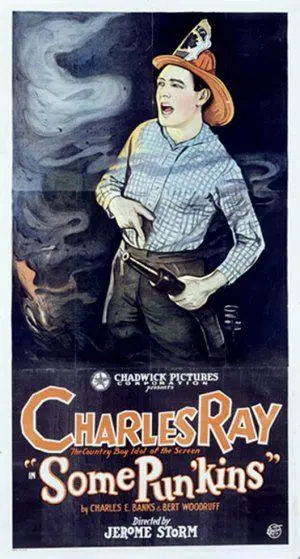
In the cozy village of Mosville, the protagonist Lem Blossom, the son of a pumpkin farmer, finds himself entangled in a multifaceted narrative that intertwines love, ambition, and community. As Lem's romance with Mary Griggs unfolds, he competes against the worldly Tom Perkins, who is collaborating with her father, Joshua Griggs, to monopolize the pumpkin market. The economic struggles of the community are vividly portrayed through the struggles of Pa Blossom, who turns to illegal activities out of desperation. This intricate plot, set against the backdrop of a frost-affected pumpkin crop, drives Lem to organize a $1,000 contest for the largest pumpkin, showcasing his ingenuity and determination.
The pivotal moment of the story comes when Mary's home catches fire. Lem, in his role as a fire chief, uses his inventions—his water pump and folding ladder—to rescue Mary and her father. This heroic act not only saves the lives of Mary and Joshua but also marks a turning point in Lem's quest for both material success and personal fulfillment. The partnership between Lem and Joshua, and the subsequent approval of Lem's betrothal to Mary, symbolize the reconciliation of their respective ambitions and the strengthening of communal bonds.
The film's narrative is enriched by the performances of its cast, with Fanny Midgley and Bert Woodruff delivering nuanced portrayals of the central characters. The supporting cast, including Peggy Ahern and Hallam Cooley, adds depth to the story through their various roles. The screenplay, penned by Charles E. Banks and Bert Woodruff, successfully balances the drama of the plot with the tender moments of romance, creating a layered and engaging viewing experience.
In comparison to other silent films of the era, 'Some Pun’kins' stands out for its focus on character development and the intricacies of rural life. Films such as 'Going Straight' and 'The Little Diplomat' offer a glimpse into the broader context of early 20th-century American society, but 'Some Pun’kins' delves deeper into the personal and communal aspects, making it a unique and compelling addition to the genre. The film's exploration of the tensions between tradition and modernity, and the interplay between individual dreams and communal responsibilities, resonates with contemporary audiences, offering insights into universal themes of love, sacrifice, and the pursuit of success.
The visual storytelling in 'Some Pun’kins' is notable for its use of innovative techniques and inventive props, reflecting the ingenuity of its protagonist. The scenes depicting the pumpkin market and the fire rescue are particularly well-executed, with the use of practical effects and creative camera angles enhancing the storytelling. The film's pacing is deliberate, allowing ample time for character development and emotional buildup, which culminates in a satisfying resolution.
Technically, the film benefits from the expertise of its production team. The photography captures the rustic charm of Mosville, with the use of natural lighting and carefully composed shots that evoke the essence of rural America. The soundless nature of the film relies heavily on visual cues and subtle acting to convey emotions, making the performances even more impactful. The editing, while straightforward, is effective in maintaining the flow of the narrative and highlighting key moments of the story.
Despite its silent format, 'Some Pun’kins' manages to captivate the audience through its compelling storyline and powerful performances. The film's exploration of community dynamics and personal aspirations makes it a valuable addition to the silent film canon. For viewers interested in exploring the nuances of early 20th-century American society, 'Some Pun’kins' offers a rich and rewarding experience. Whether one appreciates the historical context or is drawn to the human elements of the story, this film is a testament to the artistry and storytelling prowess of its time.
Overall, 'Some Pun’kins' is a beautifully crafted silent film that successfully balances humor, drama, and romance. Its exploration of rural life, personal ambition, and community spirit makes it a standout in the genre. For film enthusiasts and history buffs alike, this film is a must-watch, offering a window into a bygone era while resonating with timeless themes.

IMDb 5.8
1923
Community
Log in to comment.