DbcultAccessing Vault...
3.8/10
Senior Film Conservator
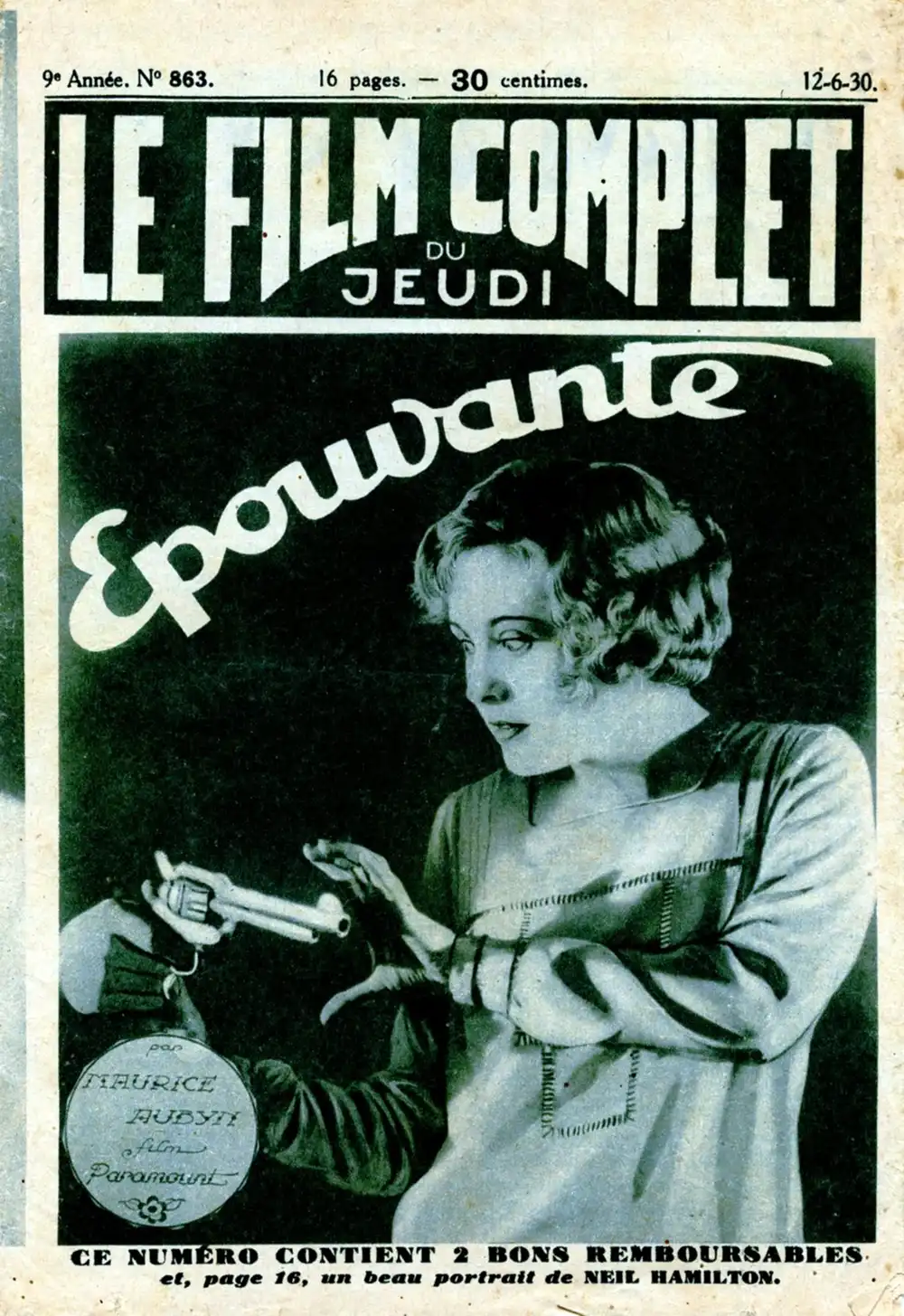
A definitive 3.8/10 rating for a film that redefined the boundaries of cult cinema. Something Always Happens remains a cornerstone of transgressive art.
If you are the type of person who gets annoyed when characters in movies make catastrophically stupid decisions just because they’re 'bored,' you should probably skip this one. But if you have a soft spot for that specific brand of 1920s melodrama where a stiff-collared hero decides that a creepy, dark mansion is the perfect place for a midnight stroll, there is a lot here to pick apart.
It’s worth watching if you’re a fan of the 'old dark house' subgenre before it became a total cliché. It’s definitely not for anyone who needs a tight, logical plot. The whole thing feels like it was written by people who had a lot of ideas for cool shots but didn't really care how they connected.
The premise is almost funny in how dated it feels. Desmond (Neil Hamilton) and Diana (Esther Ralston) are wealthy and miserable because nothing exciting ever happens to them. It’s the ultimate first-world problem of 1928. To fix this, they basically go looking for a crime to get involved in. It’s a bit like watching a modern influencer go into a haunted basement for 'the content,' except with more pomade and floor-length gowns.
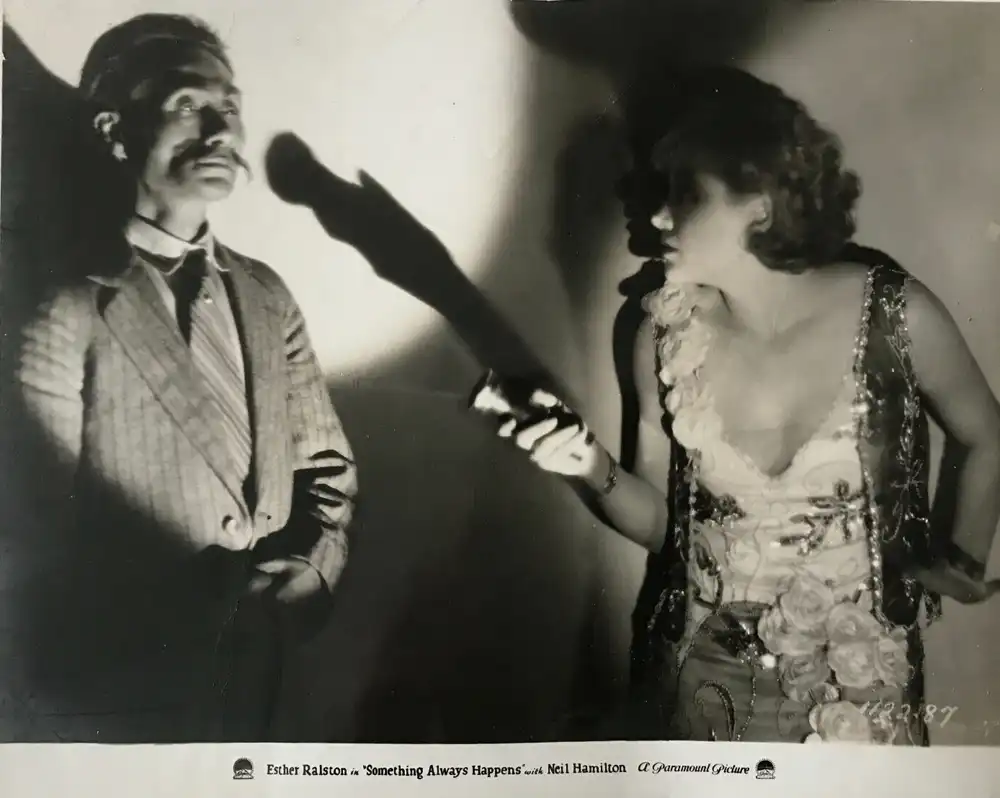
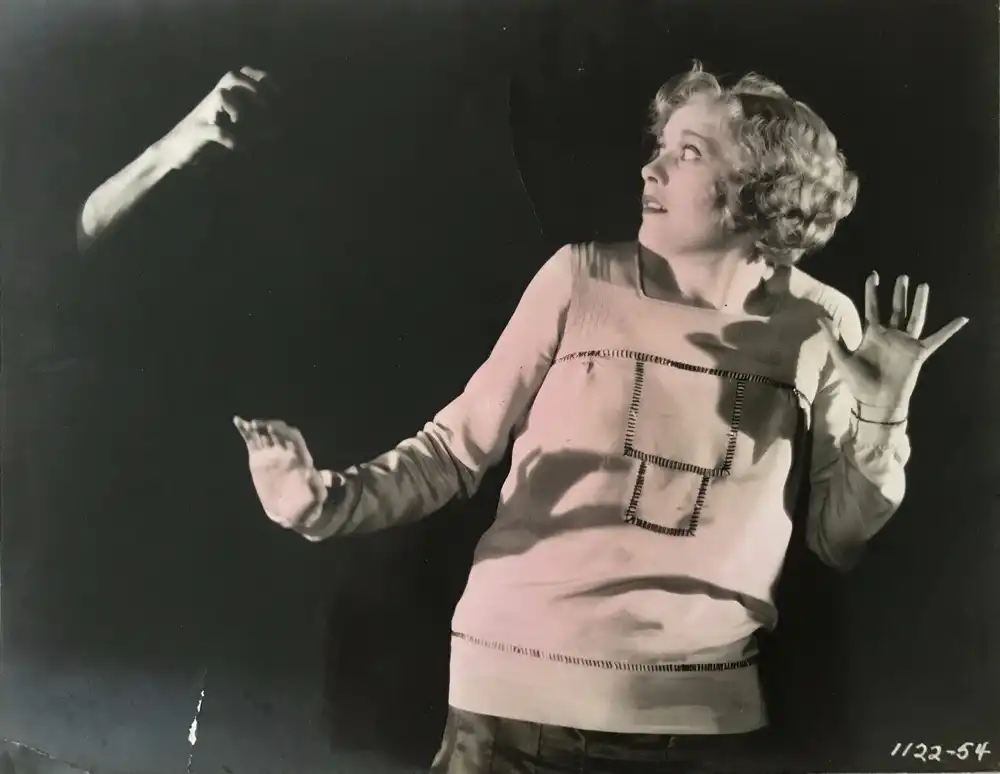
Neil Hamilton—who most people probably know as Commissioner Gordon from the 60s Batman—is incredibly stiff here. He has this way of standing that makes it look like his suit is two sizes too small. He’s supposed to be the dashing lead, but he mostly just looks like he’s trying to remember if he left the stove on. Esther Ralston is much more interesting to watch. She has these massive, expressive eyes that the camera absolutely loves. There’s a moment where she’s peering through a dusty curtain, and for about five seconds, the movie actually feels like a high-stakes thriller rather than a stage play with the sound turned off.
The house itself is the best part of the movie. The sets are great—lots of deep shadows and weirdly placed doors. There is a shot early on where a hand reaches out from behind a heavy velvet drape, and the lighting is so harsh and localized that it actually looks quite menacing. It reminded me a bit of the atmosphere in The Great Impersonation, though that film handles its mystery with a bit more grace.
Speaking of mystery, the pacing is a mess. There is a long stretch in the middle where they are just... walking. They walk down a hallway. They look at a door. They walk down another hallway. It feels like the editor forgot to cut about thirty seconds off the end of every take. You can almost feel the silence in the theater when this first played, with the live pianist probably sweating trying to keep the energy up while nothing was actually happening on screen.
Herman J. Mankiewicz is one of the writers, which is wild to see on a film that feels this slight. You can occasionally see flashes of a sharper wit in the title cards, but for the most part, it’s pretty standard 'spooky' fare. The inclusion of Noble Johnson and Sôjin Kamiyama adds to the 'exotic mystery' vibe that was so popular (and often pretty uncomfortable) in this era. Johnson has this incredible screen presence; he doesn't have to do much to be the most intimidating person in the room, but the movie doesn't really know how to use him beyond having him look threatening in doorways.
There’s a weird tonal shift toward the end where it tries to get very frantic. The editing picks up, but it’s so jarring that I lost track of who was in which room. It’s not as cohesive as something like A Soul for Sale, which at least felt like it knew what kind of drama it wanted to be. Here, the 'something' that finally happens feels a bit like a letdown after all that build-up.
Also, the costumes are bizarre. Esther Ralston is wearing this outfit in the house that looks like it weighs fifty pounds. Watching her try to navigate a 'secret' passage while wearing what looks like a formal chandelier is one of the highlights, honestly. It’s those little moments of practical absurdity that make these late silents worth the time.
It’s a strange little artifact. It’s not a masterpiece, and it’s certainly not 'profound,' but it has a specific, clunky charm. It’s the kind of movie you watch at 1:00 AM when you can’t sleep, and for a few minutes, the grain of the film and the shadows on the wall make you feel like you’ve actually stepped back into 1928. Just don't expect the plot to make much sense once the lights come up come up.
IMDb —
1920
Community
Log in to comment.